
2026 Cars: What Changed & What Buyers Must Know
 Abdul WadoodLast updated

The average new vehicle in the United States now costs more than $48,000, and the 2026 model year arrives with a strange split personality. On one lot you’ll find gas-powered SUVs with familiar engines and bigger screens. On another, electric crossovers with 300-plus miles of range and price tags that finally undercut their gasoline siblings. The 2026 model year isn’t a clean break from the past. It’s a messy, interesting transition year where automakers hedge their bets, and buyers get more real choices than they’ve had in a decade.
This guide cuts through the marketing noise. It covers what’s genuinely new for 2026, where the smart money goes, and the mistakes that cost people thousands at the dealership.
What “2026 Cars” Actually Means
Here’s a distinction that trips up almost everyone shopping right now. A 2026 model year vehicle is not the same as a car sold in calendar year 2026. Most 2026 models started rolling onto dealer lots in late 2025. Some arrive mid-2026. A handful of brands stagger launches by region and trim.
That matters for three reasons:
- Pricing data lags. Industry averages usually blend model years, so a “2026 average price” headline may include leftover 2025 inventory.
- Incentives differ by model year. Dealers clear old stock with aggressive discounts while new-year vehicles hold firm.
- Safety and emissions ratings update on their own schedule. A 2026 badge doesn’t guarantee a fresh crash-test score.
When someone asks about “2026 cars,” they usually mean the vehicles currently on sale wearing a 2026 badge. That’s the definition used here.
The Powertrain Split: Gas, Hybrid, and Electric Side by Side
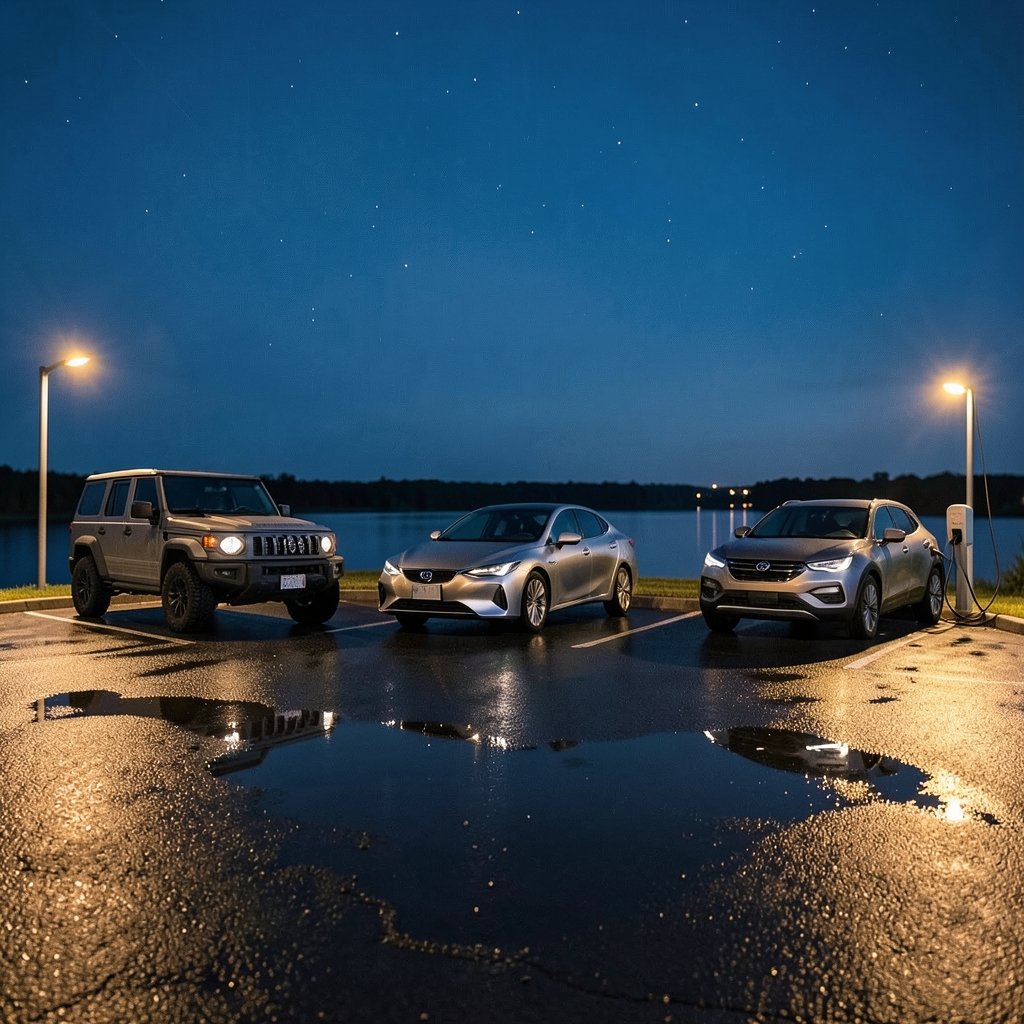
The biggest story of the 2026 model year is that hybrids stopped being a compromise. Toyota, Honda, and Hyundai have pushed hybrid trims from niche option to mainstream default, often with minimal price premium over the gas version. For drivers who aren’t ready to plug in, a conventional hybrid remains the lowest-stress way to cut fuel costs.
Meanwhile, electric vehicles hit a genuine inflection point. Battery packs got cheaper, charging speeds climbed, and several mainstream EVs now start below the average transaction price of a new car. The catch is real, though: charging access still varies wildly by region. An EV that’s effortless in a suburban house with a garage becomes a logistics project in an apartment without a dedicated spot.
| Powertrain | Best for | Main trade-off |
|---|---|---|
| Gasoline | Long highway commutes, remote areas, lowest upfront cost | Fuel prices, resale uncertainty |
| Hybrid | Most drivers, no charging needed | Slightly higher sticker than base gas |
| Plug-in hybrid | Short daily trips plus road trips | Needs regular charging to pay off |
| Battery electric | Home charging, predictable routes | Charging infrastructure, cold-weather range loss |
A practical rule that saves people from expensive regret: match the powertrain to your parking situation first, your driving habits second. Everything else is secondary.
Technology That Finally Works (and Some That Doesn’t)
Automakers spent years cramming features into cars that drivers then ignored or disabled. The 2026 model year shows a partial correction.
What improved: Wireless smartphone mirroring is now standard on most mainstream trims. Over-the-air software updates have become normal rather than exotic. Driver-assistance suites that were optional five years ago are frequently standard equipment, including automatic emergency braking and lane-keeping assist.
What still frustrates: Touchscreen-only climate controls. Subscription fees for features already built into the hardware. Overly sensitive lane-centering systems that fight the driver on narrow roads.
The practical advice here is unglamorous but effective. Before signing, spend fifteen minutes in the driver’s seat with the engine off, adjusting the climate, radio, and mirrors without instructions. If you can’t figure out the basics in that window, you’ll be frustrated for years. Reviews rarely capture this. Your own hands do.
The Real Cost of Ownership in 2026
Sticker price is the number everyone negotiates. It’s also the least important number in the deal.
Insurance premiums have climbed sharply across the board, and EVs aren’t automatically cheaper to insure — repair costs on complex sensors and battery packs can push premiums higher. Registration fees in many states now include EV-specific surcharges to offset fuel tax revenue. Tire costs rise with vehicle weight, and EVs are heavy.
A workable checklist for estimating true cost:
- Get an insurance quote before you commit, using the VIN if possible.
- Check your state’s registration and EV fee schedule.
- Ask the dealer for the cost of the first scheduled maintenance visit.
- Look up typical tire replacement prices for the exact wheel size on the car.
- Factor in charging equipment if you’re going electric — a home Level 2 setup is a real expense.
People who skip step one are consistently the ones surprised two months later. Insurance is where “affordable” cars quietly stop being affordable. (FIA Formula One regulations overview)
Shopping Smart: Where Deals Actually Hide
Negotiation tactics haven’t changed as much as the internet claims. What has changed is inventory visibility. Most dealers list stock online with VINs, and that transparency gives you bargaining power.
Three approaches that consistently work:
- Shop the outgoing model year deliberately. When a 2026 arrives, leftover 2025 units often carry the steepest discounts. The vehicle is nearly identical; the depreciation curve is already absorbed.
- Get financing pre-approved before you walk in. Dealer financing can be competitive, but only if you have a benchmark to compare against.
- Separate the deal into three numbers: vehicle price, trade-in value, and financing rate. Dealers blend these to obscure where the margin sits. Keep them apart.
For anyone also planning a salon appointment or a styling refresh before a big purchase photo or event, the same principle applies — research first, then commit. A practical guide to finding hair salons near you follows the same logic of verifying before you spend.
Used vs. New: The Math Shifted
Depreciation remains the single largest cost of new-car ownership, and the 2026 market has made the calculation more interesting. Because several recent model years held value unusually well, the traditional “buy three years old” discount has narrowed in some segments.
Where used still wins clearly: trucks, reliable sedans, and any vehicle past its steepest depreciation years. Where new wins more often than usual: EVs, where rapid technology improvement means a three-year-old model may lack charging speed and range that the current version offers.
A useful framing: buy the newest technology you can afford in EVs, and the oldest reliable example you can find in gas cars. Those two rules point in opposite directions, and that’s not a contradiction — it reflects how differently the two markets are maturing.
Practical Buying Tips Nobody Mentions
A few habits separate smooth purchases from horror stories.
Test drive the exact trim, not the top one. Dealership demo cars are usually loaded. The base trim you can actually afford may have different seats, different suspension tuning, and a much louder cabin.
Check the build date on the door jamb. A “new” 2026 model built eighteen months ago has been sitting. Tires flat-spot, batteries weaken, and fluids age. This is more common than buyers expect on slow-selling trims.
Read the warranty document, not the brochure. Coverage for hybrid and EV battery components varies enormously — some brands cover eight years, others ten, and the conditions differ.
Confirm software feature availability by region. Some driver-assistance functions are disabled in certain markets for regulatory reasons. Buyers occasionally discover a headline feature doesn’t work where they live.
Common Mistakes That Cost Real Money
Some errors show up again and again in buyer complaints.
- Buying the biggest battery “just in case.” Most drivers rarely need maximum range, and the extra capacity adds weight, cost, and insurance premium.
- Ignoring the charging plan. Renters and apartment dwellers should verify charging access in writing before committing to an EV.
- Skipping the pre-purchase inspection on used cars. Even certified pre-owned vehicles benefit from an independent look.
- Rolling negative equity into a new loan. It feels like solving a problem; it usually deepens it.
- Choosing a color and trim based on lot availability alone. Waiting a few weeks for the right configuration often costs less than living with the wrong one.
Style choices matter to resale too. Neutral exterior colors hold value better than bold ones, and interior wear shows faster on light materials. If you’re weighing cosmetic decisions alongside the purchase, resources like this guide to light brown hair shades and care show how the same “match it to your real routine” principle applies to personal styling. It’s the same discipline: pick what suits your actual life, not the showroom moment.
What to Watch Through the Rest of the Model Year
A few trends will shape the next twelve months of 2026 cars.
Price pressure is real but uneven. Compact and mid-size segments are crowded, which favors buyers. Large SUVs and trucks face less competition and firmer pricing.
Software-defined features are becoming a subscription battleground. Expect more debate over what should be included versus paid monthly. Buyers increasingly push back, and some automakers have already reversed course on unpopular fees.
Charging networks keep expanding, but the pace varies by state and metro area. Checking a coverage map for your specific routes is more useful than national averages.
Hybrid availability is widening into segments that previously offered gas only, including some SUVs and wagons.
One more practical note: if your purchase timeline is flexible, the end of a quarter is historically a better moment to negotiate than the middle. Sales targets create urgency on the dealer side and on yours. That pattern has held for decades and shows no sign of changing.
Conclusion
The 2026 model year rewards preparation more than brand loyalty. The vehicles themselves are genuinely good — safer, more efficient, and better equipped than anything available five years ago. The risk has shifted from the product to the process. Buyers who match powertrain to parking reality, separate the three numbers in a deal, verify insurance costs early, and test the exact trim they intend to buy consistently come out ahead.
The people who struggle are the ones who let a single impressive test drive or a persuasive monthly payment override their own math. A car is a five-to-ten-year decision wearing the costume of an afternoon errand. Treat it that way, and 2026 is an excellent year to buy.
FAQ
What is the difference between a 2026 model year car and a car sold in 2026?
A 2026 model year vehicle is defined by the manufacturer’s production designation, and many went on sale in late 2025. A car sold in calendar year 2026 could be a 2025, 2026, or even 2027 model year depending on timing. Always check the door-jamb sticker and the VIN, not the sales contract date. (Copper Hair Color: How to Get, Keep & Love It in 2026) (2026 in motorsport)
Are 2026 electric cars cheaper than before?
Generally yes, in real terms. Battery costs have fallen and several mainstream EVs now start below the average new-car transaction price. However, insurance, registration surcharges, and home charging equipment can offset part of that savings, so total cost of ownership matters more than sticker price.
Is a hybrid a better buy than a full electric car in 2026?
For most drivers without reliable home charging, a conventional hybrid is the lower-risk choice. It cuts fuel use without requiring any change in routine. Full electric makes more sense for households with dedicated parking and predictable daily routes.
How much should I expect to negotiate off a 2026 car?
It varies enormously by model and region. Crowded segments like compact SUVs and sedans tend to see more flexibility, while low-supply trucks and large SUVs hold firm. Shopping multiple dealers online with visible VINs gives you room to compare real offers rather than advertised ones.
Should I buy a leftover 2025 model instead of a 2026?
Often yes, if the vehicle is essentially unchanged. Leftover prior-year stock frequently carries steeper discounts, and the steepest depreciation has already been absorbed. Verify the build date, check for flat-spotted tires and a healthy battery, and confirm the warranty start date.
What is the biggest mistake 2026 car buyers make?
Skipping the insurance quote before committing. Premiums vary dramatically between models with similar sticker prices, and repair costs on sensor-heavy vehicles can be surprisingly high. Getting a quote with the specific VIN before signing prevents the most common post-purchase shock.