
Young Dolph Cars: What He Drove & What Happened
 Abdul WadoodLast updated
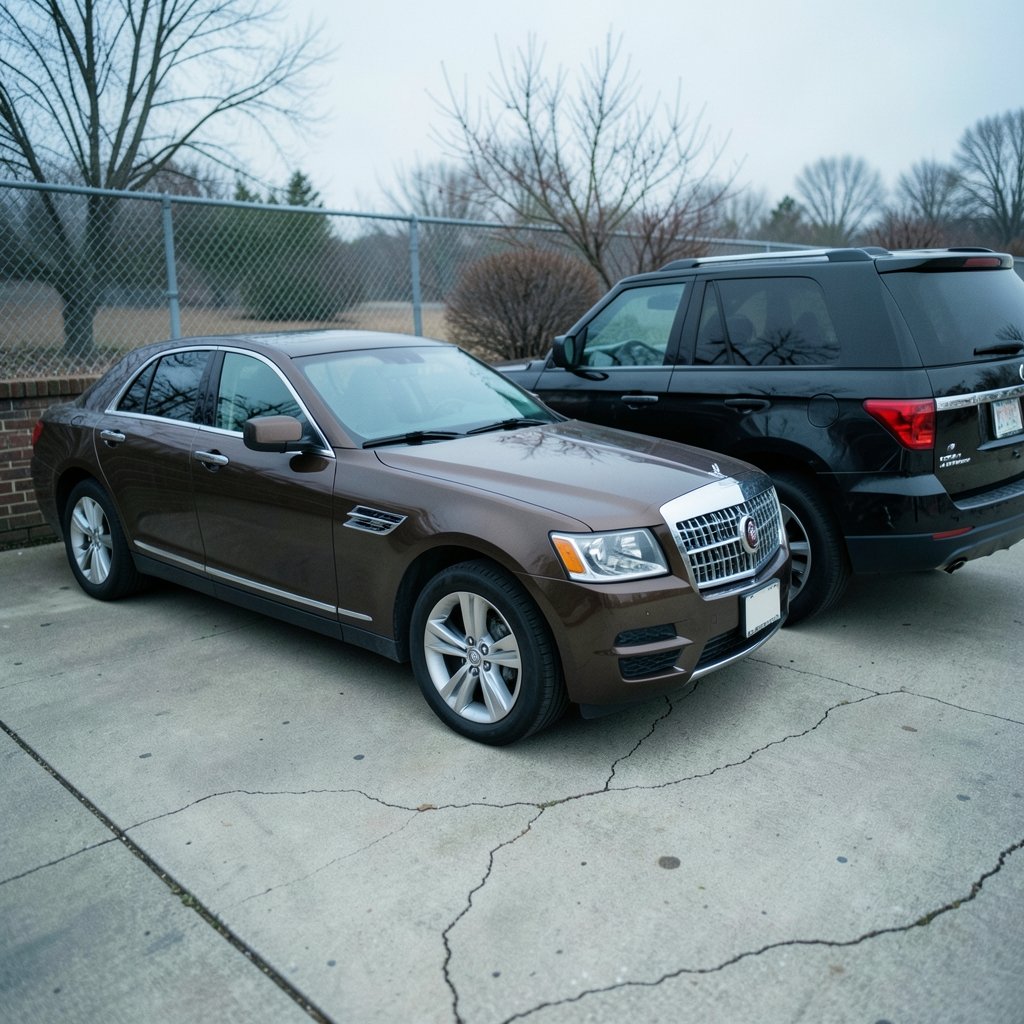
Young Dolph was shot and killed on November 17, 2021, at Makeda’s Homemade Butter Cookies in his hometown of Memphis. He was 36. For a rapper who built an independent empire and rapped openly about “trap money,” the cars he left behind became one of the most searched parts of his story. Fans wanted to know what he actually drove, which rides appeared in his videos, and what became of the collection after his death.
The honest answer is that the public record is thinner than the search results suggest. Much of what circulates online is fan-compiled, unverified, or based on photos Dolph himself posted. This guide separates what is well documented from what is rumor, explains why the details matter, and shows how to check claims about celebrity vehicles without getting burned. If you want broader context on how enthusiasts evaluate cars tied to famous owners, the reviews and comparisons at Voozon Cars are a useful starting point.
Why Young Dolph’s Cars Became a Story of Their Own
Memphis rap has always had a visual language built around cars. Dolph grew up in that tradition and used vehicles the way other artists use jewelry: as proof of independence. He famously turned down major-label deals and released music through his own Paper Route Empire, which meant the cars in his videos were his, not rented props for a label shoot.
That authenticity is exactly why the collection drew attention. When an artist raps about buying something outright, fans check. Dolph’s social media posts and music videos gave them plenty to check, from luxury sedans to the heavy, chrome-forward Southern style that defines Memphis car culture.
There is also a darker reason the cars stayed in the news. Dolph survived a 2017 shooting in Charlotte, North Carolina, in which his vehicle was hit multiple times. The fact that he walked away from a bullet-riddled car became part of his legend and, later, part of the grim pattern that ended his life. Vehicles were never just accessories in his story. They were settings.
What We Actually Know About the Collection
Here is where caution is essential. No official inventory of Young Dolph‘s vehicles has been released publicly, and estate matters are typically private. Any list claiming to be definitive should be treated skeptically unless it cites primary documents.
What is reasonably well documented, based on Dolph’s own posts and footage:
- A taste for full-size American luxury and SUVs. Like many Memphis artists, he favored large, commanding vehicles over European sports cars.
- Cars as video props he owned. Multiple music videos feature vehicles that match ones he posted personally, which is stronger evidence than a video appearance alone.
- A documented history of vehicles involved in violence. The 2017 Charlotte shooting and the 2021 homicide both centered on locations and vehicles, which is why court and police records, not fan pages, are the best sources for those events.
What is not well documented: specific VINs, purchase prices, current owners, and any auction results. If you see a claim like “his Lamborghini sold for $X,” ask for the listing. Without one, it is probably invented.
The Trap of Fan-Made Car Lists
Celebrity car lists are a content genre built on weak sourcing. A site compiles photos from Instagram, guesses at models, and publishes a numbered list. The next site copies it. Within a year, the guesses read like facts.
The practical fix is simple. Before repeating any claim about a specific Young Dolph vehicle, check three things: whether the photo is verifiably his, whether the model identification is confirmed by a second independent source, and whether any legal or sale claim traces back to a court record or an auction house archive. If none of those hold, describe it as reported or fan-attributed, not confirmed.
The Memphis Car Culture Behind the Choices
You cannot understand Dolph’s vehicles without understanding Memphis. The city’s car scene runs on big wheels, bold paint, and presence. It is a culture where a clean, oversized ride signals status more reliably than a low-slung exotic.
That context explains choices that puzzle coastal car fans. A massive SUV on large rims is not a compromise in Memphis. It is the point. The vehicles in Southern rap videos are chosen to be seen from across a parking lot, to hold a crew comfortably, and to survive roads that are not always kind.
Dolph’s aesthetic fit that mold exactly. His public image was independent, unbothered, and rooted in his city. The cars matched the brand. For a deeper look at how vehicles become part of an artist’s identity rather than just a purchase, the cars built around experience is worth reading.
What Happened to the Cars After November 2021
This is the question with the least reliable public information and the most speculation. What can be said with confidence:
- Estate matters take time. When someone dies without a fully settled estate plan, vehicles and other assets typically pass through probate or a trust, and Tennessee probate records are the authoritative source. Those records are public but require knowing the case details.
- Vehicles tied to a homicide can be held as evidence. Any car connected to the investigation would remain under law enforcement control until released, which can take years.
- Public sales would leave a paper trail. If a vehicle associated with Dolph were sold at a major auction, the auction house would publish a listing. No such listing has been widely documented, which means claims of a high-profile sale should be treated as unconfirmed.
The practical takeaway for fans: if you want to know where a specific car went, the answer lives in Shelby County records or an auction archive, not in a YouTube comment.
Reading Court and Property Records Yourself
Tennessee makes property and probate records accessible, but the process is not intuitive. A few practical tips from people who do this kind of research:
- Start with the county where the person lived, not where the car was seen.
- Search by the legal name on the title, not the stage name.
- Expect delays. Records are often indexed months after filing.
- Cross-check any vehicle identification number against public recall and title databases before trusting a listing.
The most common mistake is searching a stage name. “Young Dolph” will not appear on a title. Adolph Robert Thornton Jr. will.
Why Celebrity Car Claims Spread So Fast
There is a structural reason bad car information travels faster than good information. A specific claim, like a price or a model name, feels like knowledge. A caveat feels like a letdown. Social platforms reward the confident version.
This is not unique to Dolph. The same dynamic surrounds nearly every artist who dies young. Vehicles are especially vulnerable because they are visual, expensive, and easy to misidentify. A black SUV in a grainy video could be a dozen models.
The healthy approach is to enjoy the cars as part of the artistry while staying honest about what is known. Dolph’s videos are the best available record of what he liked to drive. His own posts are the next best. Everything beyond that needs a document behind it.
For readers who enjoy comparing how different vehicles perform and hold value, Voozon Cars reviews and comparisons covers the practical side of choosing and evaluating cars, which is a more grounded way to engage with car culture than chasing unverified celebrity lists.
What the Cars Say About the Man
Strip away the speculation and something clear remains. Young Dolph bought cars the way he made music: independently, on his own terms, and with an eye on his city rather than the coasts. He rapped about ownership because ownership was the whole thesis of his career.
That is the part worth remembering. The specific makes and models matter less than the pattern. A Memphis artist who refused to sign away his masters also refused to rent his image. The cars were his. The videos were his. The label was his.
Fans searching for a definitive garage inventory will not find one, and that is arguably fitting. Dolph kept control of his business, and control often means privacy. What he chose to show, he showed on purpose. (Hip-hop)
Conclusion
Young Dolph’s car collection is a genuine part of his legacy, but it is also one of the least documented. The reliable record consists of his own social media posts, his music videos, and the public reporting around the 2017 Charlotte shooting and his 2021 death in Memphis. Everything else, from specific prices to claims about auctions and current owners, needs a primary source before it deserves repetition.
The better way to engage with the topic is to appreciate the Memphis car culture that shaped his taste, understand why ownership mattered so much to an independent artist, and apply the same skepticism to celebrity car claims that you would to any other unverified number. Check the record. Name the source. Enjoy the videos for what they are.
Frequently Asked Questions
What cars did Young Dolph own?
No official inventory has been released. Based on his own posts and music videos, he favored large American luxury vehicles and SUVs in the Memphis style rather than European exotics. Specific models are often misidentified in fan-compiled lists, so treat detailed claims cautiously unless a primary source is cited.
Did Young Dolph survive a shooting in his car?
Yes. In 2017, Dolph was shot at in Charlotte, North Carolina, and his vehicle was struck multiple times. He was not seriously injured. The incident became a well-known part of his public story and is documented in contemporaneous news reporting.
Where was Young Dolph killed?
He was shot and killed on November 17, 2021, outside Makeda’s Homemade Butter Cookies in Memphis, Tennessee. He was 36 years old. The case drew national attention and prompted widespread tributes from the music industry.
Were Young Dolph’s cars sold at auction?
No widely documented auction sale of a vehicle owned by Dolph has been confirmed. Major auction houses publish their listings, so a genuine sale would leave a public record. Claims of specific sale prices should be treated as unverified unless a listing can be produced.
How can I verify a claim about a celebrity’s car?
Check three things: whether the photo or video is verifiably the person’s own, whether the model is confirmed by an independent source, and whether any sale or legal claim traces to a court record or auction archive. If none of those hold, describe the claim as reported rather than confirmed.
Why do fans care so much about Young Dolph’s cars?
Because ownership was central to his identity. Dolph built Paper Route Empire independently and rapped constantly about buying things outright. The cars in his videos were part of that argument, which makes them more meaningful to fans than a typical celebrity garage.
That same logic applies to his collaborators and label roster. Paper Route Empire artists appeared in videos alongside Dolph’s vehicles, and those appearances are often the only visual record of a particular car. When a clip is dated and geolocated, it becomes usable evidence. When it is a repost with no context, it is not. Treat music video footage as documentation of taste, not as a title record.
For fans who want to go further, the most productive path is archival rather than speculative. Save screenshots with timestamps. Note the account and date. Cross-reference against published interviews where Dolph discussed his spending habits, which he did more openly than most artists. Those interviews are the closest thing to a primary source on why he bought what he bought.
None of this diminishes the appeal. The cars were an extension of a career built on refusing to be owned, and the record of them, however incomplete, tells that story honestly.