
Who Makes Genesis Cars? Hyundai’s Luxury Brand
 Abdul WadoodLast updated

Quick Answer: Who makes genesis cars?
Genesis cars are made by Hyundai Motor Company, the South Korean automaker that owns and produces the Genesis luxury brand. Hyundai builds Genesis vehicles in its own factories, and its subsidiaries handle distribution in markets like the United States and Europe.
Genesis is not a separate manufacturer with independent plants. It is a luxury division of Hyundai, similar in structure to how Lexus belongs to Toyota and Acura belongs to Honda. Some Genesis models share platforms and powertrains with Hyundai and Kia vehicles, though the interiors, design language, and dealer experience are deliberately different.
Before buying, compare build location, platform sharing, warranty coverage, dealer network, service costs, and resale value so you know exactly what you are getting.
In 2015, a car company that most people associated with affordable sedans did something bold: it spun off its premium line into a standalone luxury brand. That decision created Genesis, and it explains almost everything about how these cars are designed, built, and sold today.
The short answer: Hyundai Motor Company owns and builds Genesis
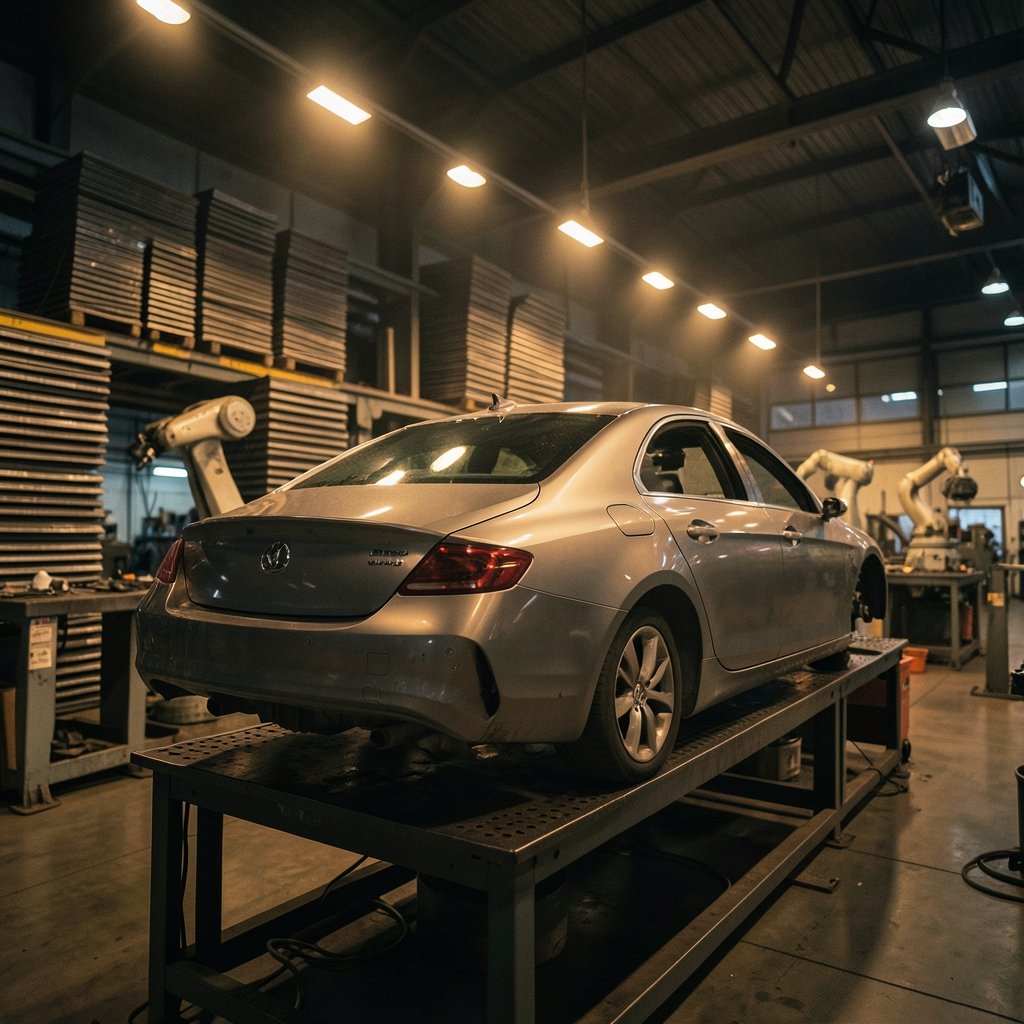
Genesis is the luxury vehicle brand of Hyundai Motor Company, headquartered in Seoul, South Korea. There is no independent “Genesis Motor” factory churning out cars on its own. The brand’s vehicles are designed and manufactured by Hyundai and its affiliates, then sold through dedicated Genesis retail channels.
That structure matters more than it might seem. It means Genesis gets access to Hyundai’s enormous engineering budget, shared parts bins, and global production capacity, while still positioning its cars against German luxury rivals. It is a classic parent-brand playbook, and it has worked before.
How Genesis went from a Hyundai sedan to its own brand
The Genesis name did not start as a brand. It started as a model. Hyundai launched a premium sedan called the Genesis in the late 2000s, aimed at buyers who wanted rear-wheel-drive luxury without the European price tag. The car earned strong reviews and gave Hyundai credibility it had never had in the premium space.
In 2015, Hyundai announced that Genesis would become a separate luxury brand. The first standalone model, the G90 (sold as the EQ900 in Korea), arrived in 2016. From there, the lineup expanded into the G80 sedan, the GV70 and GV80 SUVs, and eventually electric models like the Electrified GV70 and GV60.
So the honest answer to “who makes Genesis cars” has two layers. Historically, Hyundai made a car called the Genesis. Today, Hyundai makes cars under the Genesis brand name. Same parent, different badge, different showroom.
Where Genesis cars are actually built
This is where buyers often get confused, because the answer changes by model and model year. Genesis vehicles roll out of Hyundai plants, most notably the Ulsan complex in South Korea, which is one of the largest single automotive manufacturing sites on the planet. Some models destined for North America have also been assembled at Hyundai’s U.S. plant in Montgomery, Alabama.
| Model | Typical production location | Notes |
|---|---|---|
| G80 sedan | South Korea (Ulsan) | Core sedan, rear-wheel-drive platform |
| G90 sedan | South Korea | Flagship luxury sedan |
| GV70 SUV | South Korea / U.S. (varies by year) | Volume seller for the brand |
| GV80 SUV | South Korea | Three-row luxury SUV |
| GV60 | South Korea | Electric, built on a dedicated EV platform |
Because plant assignments shift with model years and market demand, the practical tip is simple: check the window sticker or the VIN. The first character of a VIN tells you the country of assembly, and the Monroney label states final assembly point outright. Anyone shopping a used Genesis should look there rather than trust a forum post from three years ago.
Is Genesis just a rebadged Hyundai?
Not exactly, and this is the distinction that matters most to shoppers. Some Genesis models share underlying architecture with Hyundai and Kia products. The rear-wheel-drive platform family, for instance, has appeared across multiple brands in the group. Sharing a platform is normal industry practice; Toyota does it with Lexus, and Volkswagen does it across Audi, Porsche, and Bentley.
What changes is everything the buyer touches. Genesis gets its own design language, its own interior materials, its own suspension tuning, and its own dealer experience. The engines may be related, but the calibration, sound deadening, and cabin finish are not.
That said, a sharp buyer should still ask which parts are shared, because shared components can mean cheaper long-term maintenance and easier parts availability. It cuts both ways: you get luxury positioning with mainstream parts logistics, which is genuinely useful when a repair bill arrives.
For a broader look at how platforms and packaging shape the ownership experience, the team at Voozon Cars — Reviews, Comparisons & Car Guides covers model-level comparisons that go beyond badge loyalty.
The corporate family tree, explained simply
Genesis sits inside a structure that is easy to misread. Here is the clean version:
- Hyundai Motor Group is the parent conglomerate.
- Hyundai Motor Company is the automaker within that group, and it owns the Genesis brand.
- Kia is a separate automaker under the same group umbrella. Genesis is not a Kia brand, a mistake that shows up in comment sections constantly.
- Genesis Motor America and Genesis Motor Europe are distribution arms, not factories.
Understanding this helps with warranty claims, recall notices, and service scheduling. If a Genesis owner needs a recall performed, the paperwork often flows through Hyundai corporate channels even though the badge on the hood says Genesis.
What Genesis shares with Hyundai, and what it does not
The sharing question deserves its own section because it drives real purchase decisions.
What is shared: some platforms, some powertrains, some electrical architecture, and some supplier contracts. This is why Genesis can offer a twin-turbo V6 or an electric drivetrain at a price below its German rivals.
What is not shared: exterior sheet metal, interior design, seat construction, sound insulation, suspension tuning, and the retail environment. Genesis dealers are typically separate facilities or dedicated showrooms within a Hyundai campus, and the brand has pushed hard on service perks like complimentary maintenance.
What buyers should verify themselves: the specific model year’s assembly location, the warranty terms in their country, and whether the local dealer network is genuinely separate or shared with Hyundai. In smaller markets, it is often shared, and that affects the ownership experience more than any spec sheet.
Practical buying tips that actually help
First-hand shopping experience across this segment surfaces a few consistent lessons. Most buyers focus on horsepower and screen size, then get surprised by the details that matter later.
Check the dealer distance before you fall in love with the car. Genesis has a thinner retail footprint than Lexus or BMW in many regions. A 90-minute drive for warranty work gets old fast.
Ask about parts lead times as well as parts prices. Shared components with Hyundai help, but Genesis-specific body panels and trim can take longer to arrive after a collision.
Look at the warranty transfer rules. In the U.S., the powertrain warranty shortens for second owners on Hyundai products, and Genesis terms have shifted over time. Confirm in writing.
Drive both the base model and the loaded one. Genesis trims vary widely in ride quality because wheel size and suspension hardware change between them.
Verify the model year’s assembly plant using the VIN, especially on used examples, since plant assignments have moved.
These are unglamorous checks, but they are the ones that separate a happy owner from a frustrated one. The same principle applies across product categories, which is why guides like Innovation That Makes Everyday Better – Voozon — Discover, Review & Explore focus on how design decisions play out in daily use rather than launch-day hype.
How Genesis compares to other luxury spin-offs
The luxury-division model is well established, and comparing structures tells you a lot about what to expect.
| Brand | Parent company | Country | Standalone since |
|---|---|---|---|
| Genesis | Hyundai Motor Company | South Korea | 2015 |
| Lexus | Toyota | Japan | 1989 |
| Acura | Honda | Japan | 1986 |
| Infiniti | Nissan | Japan | 1989 |
Genesis is the youngest of that group by more than two decades, which explains both its rapid design ambition and its thinner dealer network. Lexus spent 30 years building a service reputation; Genesis is compressing that timeline.
The comparison also clarifies pricing. Genesis undercuts German rivals partly because it shares costs with Hyundai, and partly because it is still buying market share. That is good news for buyers today, though it can pressure resale values tomorrow.
Electric models and where they fit
Genesis has moved quickly into electrification, launching the GV60 on a dedicated electric platform and offering electrified versions of existing models. These are still Hyundai Motor Company products, built in Hyundai facilities, using battery and motor technology developed within the group.
For buyers, the practical question is not who makes them but who services them. EV maintenance is simpler in some ways and more specialized in others, and the dealer’s certified EV technicians matter more than the badge. Ask directly how many EV-certified techs the shop employs before you commit.
If you are weighing a Genesis against other premium options, the analysis in The cars built around experience looks at how ownership experience, not spec sheets, tends to decide long-term satisfaction.
Common misconceptions, cleared up
“Genesis is a Korean startup.” No. It is a division of one of the world’s largest automakers, with manufacturing scale most startups can only dream about.
“Genesis cars are just rebadged Hyundais.” They share some foundations, but the body, interior, tuning, and retail experience are distinct. Sitting in a G90 and a Hyundai sedan back to back makes the difference obvious.
“Genesis is owned by Kia.” It is the reverse in corporate terms: both sit under Hyundai Motor Group, but Genesis belongs to Hyundai Motor Company.
“All Genesis cars are built in Korea.” Mostly, but not universally, and the answer varies by model year. Check the VIN.
Conclusion
Genesis cars are made by Hyundai Motor Company, the South Korean automaker that created the brand in 2015 and builds its vehicles in Hyundai plants, primarily in Korea with some North American assembly. Genesis is a luxury division, not an independent manufacturer, and that single fact explains its pricing, its platform sharing, and its dealer footprint.
For buyers, the takeaway is practical rather than trivia. Knowing who builds the car tells you where to look for warranty service, how parts availability is likely to behave, and why the brand can offer luxury features at mainstream-adjacent prices. Check the VIN for assembly location, confirm dealer distance and warranty transfer terms in writing, and drive more than one trim before deciding. The badge says Genesis. The build sheet says Hyundai. Both statements are true, and understanding the relationship is what turns a good-looking purchase into a good ownership experience.
FAQ
Is Genesis owned by Hyundai or Kia?
Genesis is owned by Hyundai Motor Company. Kia is a separate automaker under the same broader corporate group, Hyundai Motor Group, but Genesis is not a Kia brand and is not built by Kia.
Are Genesis cars built in the United States?
Some are, depending on the model and model year. Certain Genesis SUVs have been assembled at Hyundai’s plant in Montgomery, Alabama, while others come from South Korea. The window sticker and the VIN’s first character give the definitive answer for any specific vehicle.
Do Genesis cars use Hyundai engines?
In several cases, yes. Genesis models have used engines and powertrains shared with Hyundai and Kia products, though tuning, exhaust character, and cabin isolation are calibrated differently. Sharing engines is common across the industry and generally helps with parts availability.
Is Genesis considered a luxury brand?
Yes. Genesis is positioned as Hyundai’s luxury brand and competes with Lexus, BMW, Mercedes-Benz, and Audi. Its lineup includes flagship sedans and SUVs with premium materials, advanced driver assistance, and dedicated retail showrooms in many markets.
Why are Genesis cars cheaper than German luxury cars?
Two reasons dominate. Genesis shares development and component costs with Hyundai, which lowers engineering expense, and the brand is still building market share, so it prices aggressively. Lower dealer network density and shorter brand heritage also factor into the pricing gap.
How can I tell where a specific Genesis was built?
Look at the vehicle identification number and the window sticker. The first VIN character identifies the country of assembly, and the Monroney label states the final assembly point explicitly. For used cars, both are more reliable than forum claims or dealer memory.