
Luxury Brands with Gender Pay Equity: 2026 Guide
 Abdul WadoodLast updated

Quick Answer: Which luxury brands are worth choosing for their gender pay equity?
No luxury brand is officially ranked on gender pay equity, so the answer comes from reading public disclosures rather than trusting a logo. The brands worth choosing are the ones that publish clear pay-gap data, show women in senior leadership, and explain what they are doing to close the gap.
Two systems dominate the picture. UK employers with 250 or more staff must publish statutory pay-gap figures, while French groups report a 0–100 equality score. These measures are not directly comparable, and a small gap can still hide a low-paid female workforce.
Before deciding, check the statutory gap, the bonus gap, the share of women in management, whether an action plan exists, and which legal entity the numbers cover.
Why Pay Equity Is Now Part of Luxury’s Reputation
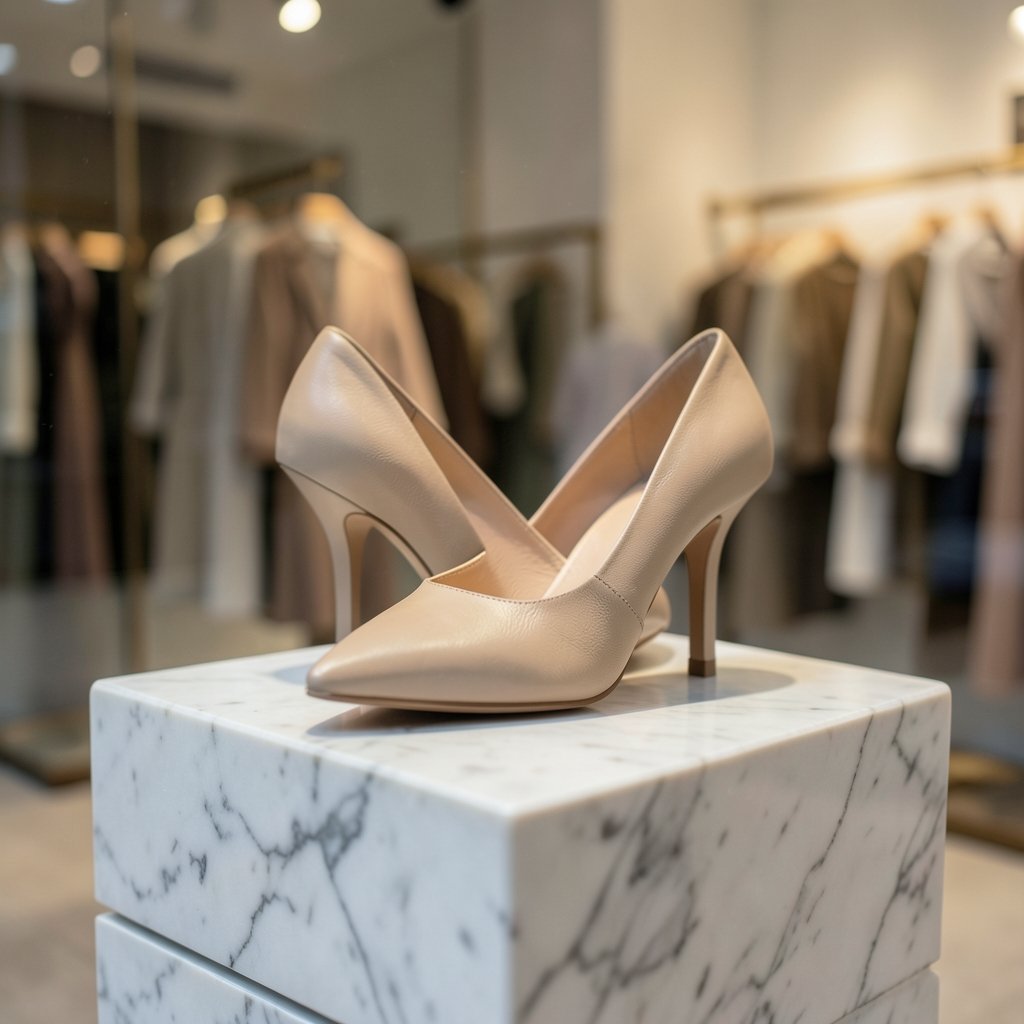
Walk into a flagship store on Bond Street or the Rue Saint-Honoré and the brand story is flawless. The staffing story is often messier. Luxury houses sell aspiration, yet the people selling it are disproportionately women in retail roles, while the corporate suites and creative directorships have historically skewed male. That mismatch is exactly what pay-equity reporting exposes.
The good news is that luxury is unusually transparent compared with other sectors. Several of the biggest groups operate in the UK and France, both of which force disclosure. That gives shoppers, job seekers and investors real numbers to work with, even if those numbers need careful reading.
What Gender Pay Equity Actually Means
Pay equity is not the same as equal pay. Equal pay is the legal right to the same pay for the same or equivalent work, protected in the UK under the Equality Act 2010. The gender pay gap measures the difference in average hourly pay between all men and all women in an organisation, regardless of role.
That distinction matters enormously in luxury. A group can pay every sales associate and every director fairly and still post a large gap, simply because more men sit in high-paying corporate jobs and more women work in stores. A small gap, meanwhile, can reflect a workforce where almost everyone earns modestly.
The Rules That Force Luxury Brands to Show Their Numbers
Three regulatory frameworks do most of the work here, and each tells a different part of the story.
UK statutory reporting
Since 2017, UK employers with 250 or more employees must publish mean and median hourly pay gaps, bonus gaps and pay-quartile distributions under the Gender Pay Gap Information Regulations 2017. The rules do not require an action plan or an explanation, which is why some submissions are just numbers with no context. Reporting was paused for the 2019–20 snapshot because of the pandemic, so time-series comparisons have a hole in them.
Crucially, UK reporting happens per legal entity. A luxury group’s UK retail subsidiary files separately from its parent, so a strong group-level story can sit alongside a weak retail filing.
France’s equality index
France went further. Companies with 50 or more employees publish an Index de l’égalité professionnelle, scored out of 100 across five indicators covering pay gaps, raises, promotions, post-maternity raises and parity among the top ten earners. The official French explanation of the professional equality index sets out how each indicator is weighted. Because it is a single score, it is easier to compare than UK quartiles, but it measures different things.
The EU transparency directive
The EU Pay Transparency Directive 2023/970 must be transposed by 7 June 2026. It requires pay-gap reporting for employers with 100 or more staff and joint pay assessments where gaps exceed 5% without objective justification. Expect far more disclosure from luxury houses with European operations within the next reporting cycles.
How the Big Luxury Groups Compare
The table below summarises what each group discloses and where to look. Figures change every reporting cycle, so treat the “what to check” column as your to-do list rather than a verdict.
| Group | Main disclosure route | What to check | Practical read |
|---|---|---|---|
| LVMH | CSR section of annual report; French index | Share of women in management, index score, UK entity filings | Huge workforce, so group averages move slowly |
| Kering | CSR report; French index | Women in management share, bonus gap | Often cited for relatively strong female management representation |
| Hermès | French index; annual report | Index score, top-earner parity | Smaller, craft-heavy workforce changes the picture |
| Richemont | UK entity filings; annual report | UK retail versus corporate gap | Watch jewellery and watch divisions separately |
| Burberry | UK statutory reporting | Mean and median gap, bonus gap | Single UK-listed entity, so easier to track year to year |
A word of caution: none of these groups publishes a figure that lets you rank them cleanly against each other. The honest approach is to compare within a framework, not across frameworks.
What Actually Separates a Credible Brand From a Cosmetic One
Bonus gaps tell a sharper story
Hourly pay gaps move slowly. Bonus gaps swing wildly, because commissions and discretionary bonuses concentrate in senior, often male-dominated roles. A brand that publishes a bonus gap and explains it is showing more maturity than one that buries it. Look for whether the gap narrowed because of a policy change or because of a one-off payout year.
Women in senior leadership: beyond headcount
It is easy to hit 50% female headcount in luxury. Retail floors are heavily female. The harder test is the share of women among senior leaders, executives and top earners. A group can look balanced overall and still have a thin female bench at the top, which is precisely what drives the gap in the first place.
A published action plan with dates
The UK regime does not require an action plan, so any brand that publishes one is going beyond the legal minimum. Evidence reviews of what actually narrows gaps point to structured hiring, transparency in pay bands and avoiding reliance on salary history. A plan with named owners, targets and review dates is worth more than a paragraph of good intentions.
Entity-level honesty
Check the specific UK entity, rather than the group alone. A luxury house with an excellent French index score may have a UK retail subsidiary reporting a wide gap. Both facts can be true at once, and a brand willing to explain the difference is more trustworthy than one that only promotes the flattering number.
Practical Tips for Reading a Pay-Gap Report
Most people open a pay-gap report, see a percentage and either relax or recoil. Here is a better routine.
- Identify which legal entity filed the report and how many employees it covers.
- Compare the mean and median gaps. A big gap between the two signals an uneven distribution of very high earners.
- Look at the quartile bands. If women dominate the lower quartile and are scarce in the upper one, the gap is structural.
- Read the bonus gap alongside the hourly gap. A bonus gap far larger than the hourly gap points to seniority, not base pay.
- Check whether the brand published a narrative or action plan, and whether last year’s promises appear in this year’s report.
- Cross-check the group’s French index score if it operates in France, but do not treat the two numbers as interchangeable.
The most common mistake is reading a single year in isolation. Gaps bounce around with headcount changes, acquisitions and one-off bonus cycles. Three consecutive years tell a far more honest story than one snapshot.
Where Pay Equity Fits Alongside the Rest of a Brand’s Ethics
Pay equity rarely travels alone. The brands that disclose well on gender pay tend to disclose well on other social metrics too, and that consistency is itself a signal. If you already weigh a brand’s wider conduct when you buy, the same instincts apply here. Readers comparing luxury houses on broader grounds often look at how brands position themselves on experience versus material ownership in experiential luxury versus material luxury, and the same scrutiny of public claims is useful when judging pay disclosures. (Best Luxury Home Fragrance Brands 2026: Top Picks)
For job seekers, the calculation is more direct. A brand with a published action plan, transparent pay bands and visible female leadership is a better bet than one that simply says the right things on its careers page. For shoppers, pay equity is one factor among many, but it is a factor with hard numbers behind it, which is more than most brand values can claim. (Aman vs four seasons which luxury hotel brand fits your trip)
Common Mistakes People Make
The first mistake is confusing a low gap with fairness. A brand with a small gap might simply employ mostly women in similar junior roles. The second is comparing a UK median hourly gap with a French index score and treating them as the same measurement. The third is ignoring the bonus gap, which is often where the real disparity hides.
The fourth is trusting a group-level statement over an entity-level filing. The fifth is assuming silence means a problem. Some luxury subsidiaries fall below the 250-employee threshold and simply do not have to report, which is a gap in the data rather than evidence of bad behaviour.
Conclusion
There is no official leaderboard of luxury brands for gender pay equity, and anyone who claims otherwise is selling something. What exists is a patchwork of mandatory disclosures, and the brands worth choosing are the ones that treat those disclosures as a starting point rather than a compliance chore. Look for a clear statutory gap, a bonus gap that is explained rather than hidden, a meaningful share of women in senior roles, and an action plan with dates attached.
The luxury houses with the strongest position are not necessarily the ones with the smallest percentage. They are the ones whose numbers hold up when you read them closely, entity by entity, year by year. That is a more demanding test than a logo, and a far more useful one.
FAQ
Does a small gender pay gap mean a luxury brand treats women fairly?
Not necessarily. A small gap can reflect a workforce where most employees, male and female, sit in similar junior or retail roles. It can also reflect a genuinely balanced senior team. The only way to tell is to look at the quartile distribution and the share of women in top-earning positions alongside the headline percentage.
Why do luxury brands often report large gender pay gaps?
Occupational segregation is the main driver. Luxury groups employ many women in retail, client service and support roles, while senior corporate, creative and commercial positions have historically been more male. Because the gap compares averages across the whole organisation, that distribution alone produces a wide figure even when equal pay for equal work is respected.
What is the French equality index and why does it matter?
It is a score out of 100 that French companies with 50 or more employees must publish, covering five indicators including pay gaps, raises, promotions and parity among the top ten earners. It matters because it condenses several measures into one comparable number, which is easier to track year on year than UK-style quartiles, though it measures different things.
How will the EU Pay Transparency Directive change luxury reporting?
The directive must be transposed by 7 June 2026 and requires pay-gap reporting for employers with 100 or more staff, plus joint pay assessments where gaps exceed 5% without objective justification. For luxury groups with European operations, that means more granular disclosure and a lower employee threshold than the current UK regime.
Can I check a specific luxury brand’s UK pay gap myself?
Yes. UK employers with 250 or more employees file statutory submissions that are publicly searchable, and each filing shows mean and median hourly gaps, bonus gaps and quartile splits. Remember that filings are made per legal entity, so check the specific UK subsidiary rather than assuming the group figure applies.
Should pay equity affect whether I buy from or work for a luxury brand?
It is one legitimate factor among several. For job seekers, published action plans and transparent pay bands are practical signals about how a company treats its people. For shoppers, pay equity sits alongside craftsmanship, service and wider conduct. The value is that it gives you hard, checkable numbers rather than marketing language.