
We Buy Junk Cars: How Cash Offers Really Work in 2026
 Abdul WadoodLast updated
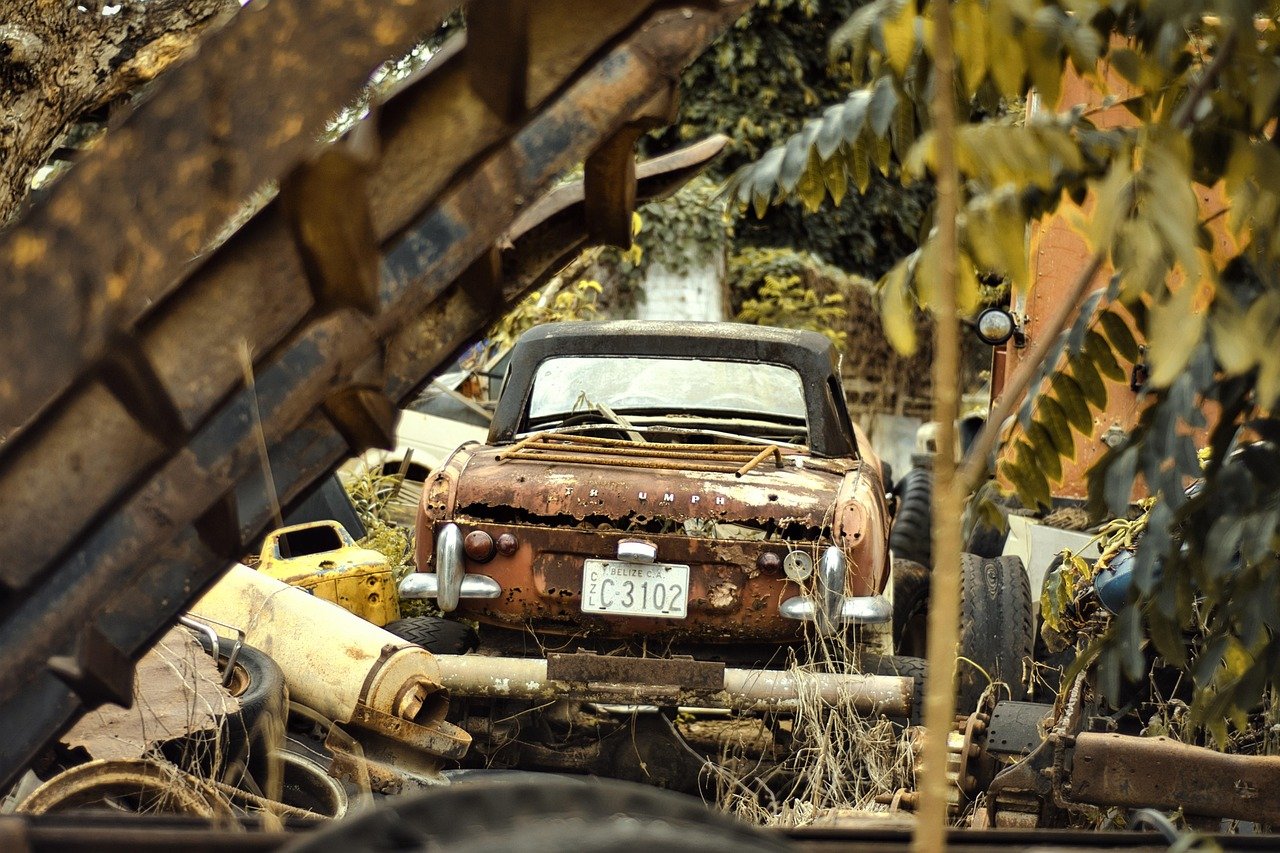
Roughly 12 million vehicles reach the end of their useful life in the United States every year, according to industry estimates from the Automotive Recyclers Association. That is a staggering number of cars sitting in driveways, backyards, and side streets with dead batteries, blown transmissions, or expired inspection stickers. Behind that mountain of metal sits an entire industry built on a simple promise: “we buy junk cars, and we pay cash today.” (Hair Dryer Guide: How It Works & What to Buy in 2026)
The pitch sounds great. The reality is more complicated, and understanding how these businesses actually operate can be the difference between a fair payout and a frustrating dead end. This guide breaks down the business model, the paperwork, the environmental rules, and the traps that catch people who are in a hurry to get rid of a car.
What “We Buy Junk Cars” Actually Means
The phrase junk car has no legal definition. It is a marketing term, not a regulatory one. Dealers, scrapyards, and online buyers use it loosely to describe vehicles that are non-running, wrecked, flood-damaged, or simply not worth repairing.
Regulators and insurers use different language. They talk about salvage vehicles (totaled but potentially repairable) and end-of-life vehicles or scrap vehicles (destined for dismantling or crushing). That distinction matters because it determines which title you hold, which paperwork is required, and how much the car is worth.
A quick way to think about the categories:
| Category | Typical Condition | Common Buyer | Title Type |
|---|---|---|---|
| Salvage | Totaled by insurer, may run | Rebuilders, salvage yards | Salvage title |
| End-of-life | Non-running, unsafe, or stripped | Scrapyards, dismantlers | Clean or salvage title |
| Scrap only | Crushed or dismantled | Metal recyclers | Bill of sale or scrap certificate |
If a buyer calls a car “junk” but it still has a clean title and a working engine, the seller may be leaving money on the table. The label is negotiable even when the car is not.
How the Cash-for-Cars Business Model Works
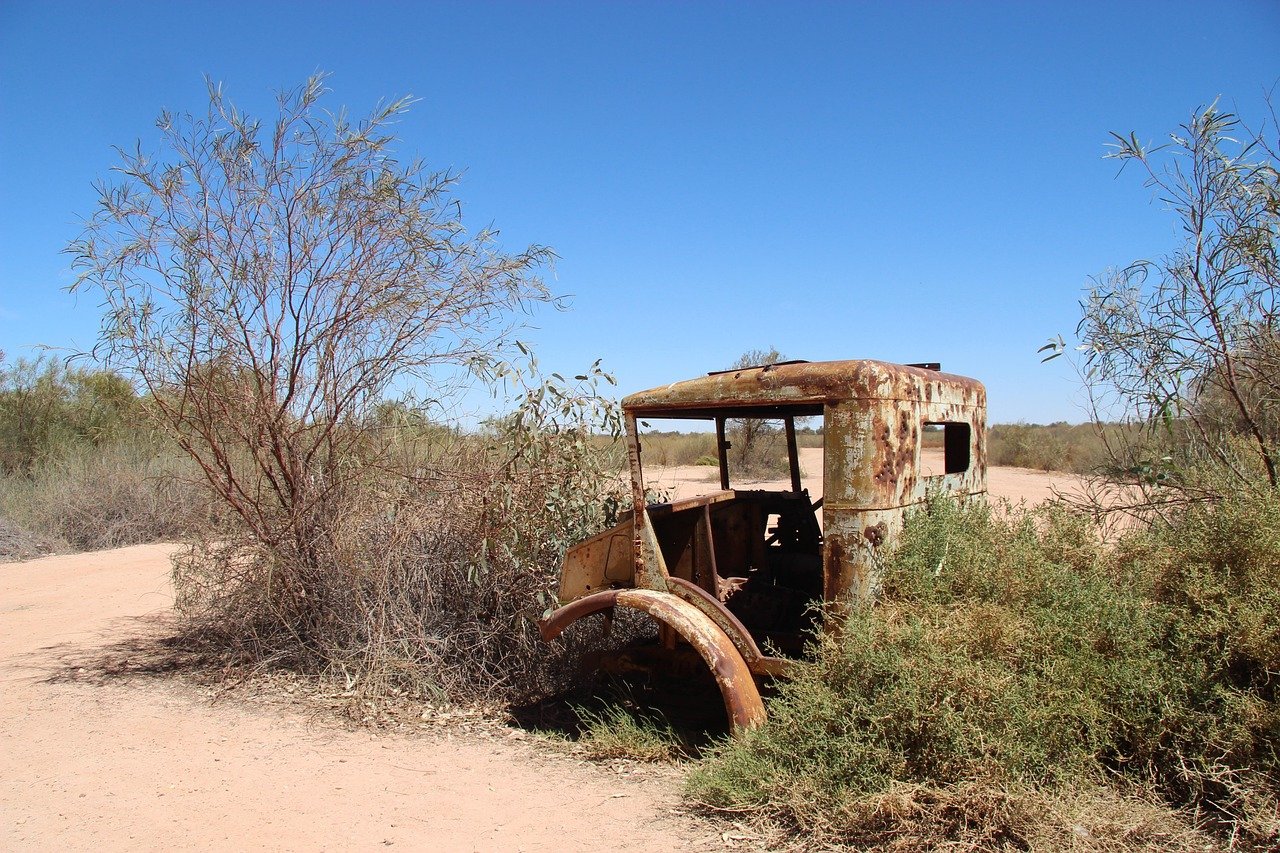
Most “we buy junk cars” operations make money in one of three ways. Knowing which one you are dealing with tells you a lot about whether the offer is reasonable.
Resale of parts. A dismantler strips usable components — alternators, catalytic converters, doors, transmissions — and sells them. A car that will not start can still be worth real money if its parts are in demand.
Scrap metal value. Once stripped, the shell is crushed and sold by weight. Scrap steel prices fluctuate, which is why offers on the same car can vary by hundreds of dollars from one week to the next.
Rebuild and resell. Some buyers target vehicles with light damage, repair them, and resell with a rebuilt title. This is the highest-margin play and the one most likely to produce a genuinely good offer for the seller.
The key insight for anyone selling: the offer is driven by what the buyer can extract, not by what the car means to you. Sentiment, maintenance records, and new tires rarely move the number much once a car is classified as junk.
What Determines the Offer Price
Several factors push an offer up or down. In practice, these matter most:
- Weight and metal content. Heavier vehicles with more steel generally fetch more at scrap.
- Catalytic converter presence. Converters contain precious metals and carry real value on their own.
- Title status. A clean title is worth more than a salvage title, which is worth more than no title at all.
- Location and towing distance. Remote addresses often get lower offers because hauling costs eat into margin.
- Current scrap prices. These move constantly and are the single biggest swing factor.
- Whether the car runs. A running vehicle opens up the rebuild market, which pays better than scrap.
A common mistake is accepting the first number without checking local scrap prices or getting a second quote. Offers on the same vehicle routinely differ by 20 to 40 percent between buyers. Ten minutes of comparison shopping can be worth more than an hour of haggling.
The Paperwork Nobody Warns You About
This is where most problems start. In nearly every U.S. state, transferring a junk or salvage vehicle requires a certificate of title. Some states accept a salvage certificate or, for older vehicles, a bill of sale. The rules vary sharply by jurisdiction, and a buyer who says “don’t worry about the title” is waving a red flag.
Practical steps that prevent headaches:
- Locate the title before you call anyone. If it is lost, apply for a duplicate first.
- Never sign a title over to a buyer without recording the sale and keeping a copy.
- Confirm the buyer will handle title transfer and provide a receipt.
- Check that the buyer is a licensed dealer or dismantler in your state.
Delays in title transfer are one of the most common consumer complaints in this industry. The Federal Trade Commission has general jurisdiction over deceptive practices in vehicle sales, and state attorneys general handle many complaints directly. A written receipt with the vehicle identification number, date, price, and both signatures is basic protection that costs nothing. (Vehicle recycling)
There is also a parallel worth knowing about. In England and Wales, scrap metal dealers must be licensed under the Scrap Metal Dealers Act 2013, a law passed specifically to curb metal theft and unlicensed trading. The lesson travels: licensed buyers leave a paper trail, and a paper trail protects the seller.
Environmental Rules That Shape the Industry
Dismantling a car is not as simple as draining the gas tank and crushing it. Vehicle recycling in the United States is subject to environmental rules covering hazardous materials — engine fluids, refrigerants, lead components, and mercury switches. The U.S. Environmental Protection Agency oversees the hazardous waste framework that dismantlers must follow.
This is one reason to favor established operations over informal buyers who show up with a flatbed and cash. A responsible dismantler drains and captures fluids, removes batteries and converters properly, and documents the disposal. An unlicensed operator may simply strip what is valuable and abandon the rest.
For sellers, the practical takeaway is simple: ask where the car is going. A buyer who cannot answer that question clearly is probably not operating within the rules, and the seller may inherit liability if the vehicle is later abandoned or improperly disposed of.
Online Buyers vs. Local Scrapyards
The market has split into two broad camps, and each suits different situations.
National online buyers offer instant quotes, handle pickup, and pay quickly. They are convenient for people who want the process finished in a day. The tradeoff is that quotes are often generated by algorithm and tend to sit at the conservative end of the range.
Local scrapyards and dismantlers often pay more because they cut out the middleman, but they require more legwork — phone calls, negotiation, and sometimes delivering the car yourself.
| Factor | Online Buyer | Local Scrapyard |
|---|---|---|
| Speed | Same day to 48 hours | Varies, often same week |
| Typical offer | Lower to mid-range | Mid to higher range |
| Paperwork handling | Usually streamlined | Depends on the yard |
| Negotiation room | Limited | Often real |
| Best for | Convenience, remote sellers | Maximum payout |
A sensible approach is to get one online quote as a baseline, then call two local yards. The online number becomes a floor, not a ceiling.
Common Mistakes Sellers Make
Even careful sellers trip over the same handful of issues. Watching for these saves money and stress.
Accepting a phone quote as final. Many offers shrink on arrival once the buyer inspects the car. Get the number confirmed in writing, including conditions.
Handing over the title before payment clears. Cash in hand, or a verified transfer, before the keys and title change hands.
Forgetting to cancel insurance and registration. People pay premiums on cars they no longer own for months. Cancel coverage the same day and notify the motor vehicle agency.
Ignoring the parts value. Wheels, batteries, and converters can be worth more than the whole-car offer in some cases. It is worth asking whether removing a recently replaced part changes the deal.
Skipping the receipt. A one-page document protects both sides and takes two minutes.
For readers comparing big-ticket purchases more broadly, the same discipline applies to vehicles that are still on the road — the Voozon cars section covers reviews and comparisons that help buyers avoid expensive surprises, and there is a useful piece on the cars built around experience that reframes how to judge value beyond the spec sheet.
When Selling to a Junk Buyer Makes Sense
Not every old car should go to a scrapyard. The math favors a junk buyer when repair costs exceed the car’s market value, when the vehicle has failed inspection beyond economic repair, when storage is costing money every month, or when the owner is moving and cannot take the car along.
The math favors private sale instead when the car runs, has a clean title, and has a motivated buyer pool. Even a rough-running vehicle often sells for more privately than through a cash-for-cars service, at the cost of time and hassle.
There is a middle path many people overlook: donating the vehicle. Charitable donation programs handle pickup and paperwork, and the donor may claim a tax deduction, though the rules are specific and worth checking before committing.
Conclusion
The “we buy junk cars” industry is legitimate, regulated, and genuinely useful — it keeps millions of end-of-life vehicles out of driveways and feeds a recycling pipeline that recovers steel, aluminum, and valuable components. But the phrase itself is marketing, not law, and the difference between a fair deal and a bad one usually comes down to preparation.
Sellers who locate their title, get multiple quotes, confirm the buyer is licensed, insist on a written receipt, and cancel their insurance the same day almost always come out ahead. Those who accept the first phone offer and hand over the keys without paperwork are the ones who end up frustrated. The car may be junk. The transaction does not have to be.
Frequently Asked Questions
Do I need a title to sell a junk car?
In most U.S. states, yes. A certificate of title is the standard requirement for transferring a junk or salvage vehicle. Some states accept a salvage certificate, and a few allow a bill of sale for older vehicles. Because rules vary widely by jurisdiction, confirm the requirement with your state motor vehicle agency before scheduling pickup. Buyers who say a title is unnecessary deserve extra scrutiny. (Vehicle and Fuel Emissions Testing)
How much can I expect to get for a junk car?
Offers typically range from a few hundred dollars to roughly a thousand, driven mainly by vehicle weight, scrap metal prices, catalytic converter value, and title status. Running vehicles and those with desirable parts command more. Because scrap prices fluctuate weekly, the same car can fetch noticeably different amounts a month apart. Getting two or three quotes is the single most effective way to improve the number.
Is it better to sell to an online buyer or a local scrapyard?
It depends on priorities. Online buyers win on speed and convenience, especially for sellers in remote areas, but their quotes tend to be conservative. Local scrapyards often pay more and leave room to negotiate, at the cost of more phone calls. A practical strategy is to use an online quote as a baseline and then approach local yards with that number in hand.
What happens to my car after I sell it?
It depends on the buyer. A dismantler will drain fluids, remove hazardous components and valuable parts, and recycle the remaining shell as scrap metal. A rebuilder may repair and resell the vehicle with a rebuilt title. Reputable buyers can tell you exactly where the car is going, which is also a good sign that they are operating within environmental rules.
Can I sell a junk car without a title?
It is possible in some states and situations, but it is rarely advisable. Buyers who accept title-less vehicles usually discount heavily because resale and disposal become harder, and the seller may face complications if the vehicle is later abandoned or involved in an incident. Applying for a duplicate title is usually the cleaner path, even if it takes a few weeks.
Do I need to cancel my insurance after selling?
Yes, and promptly. Coverage does not automatically end when a car changes hands, and people routinely pay premiums on vehicles they no longer own for months. Cancel the policy the same day as the sale, and notify your state motor vehicle agency that the vehicle has been sold or transferred so registration records stay accurate.