
Waikiki Hawaii Luxury Travel Guide 2026: Stay & Splurge
 Abdul WadoodLast updated
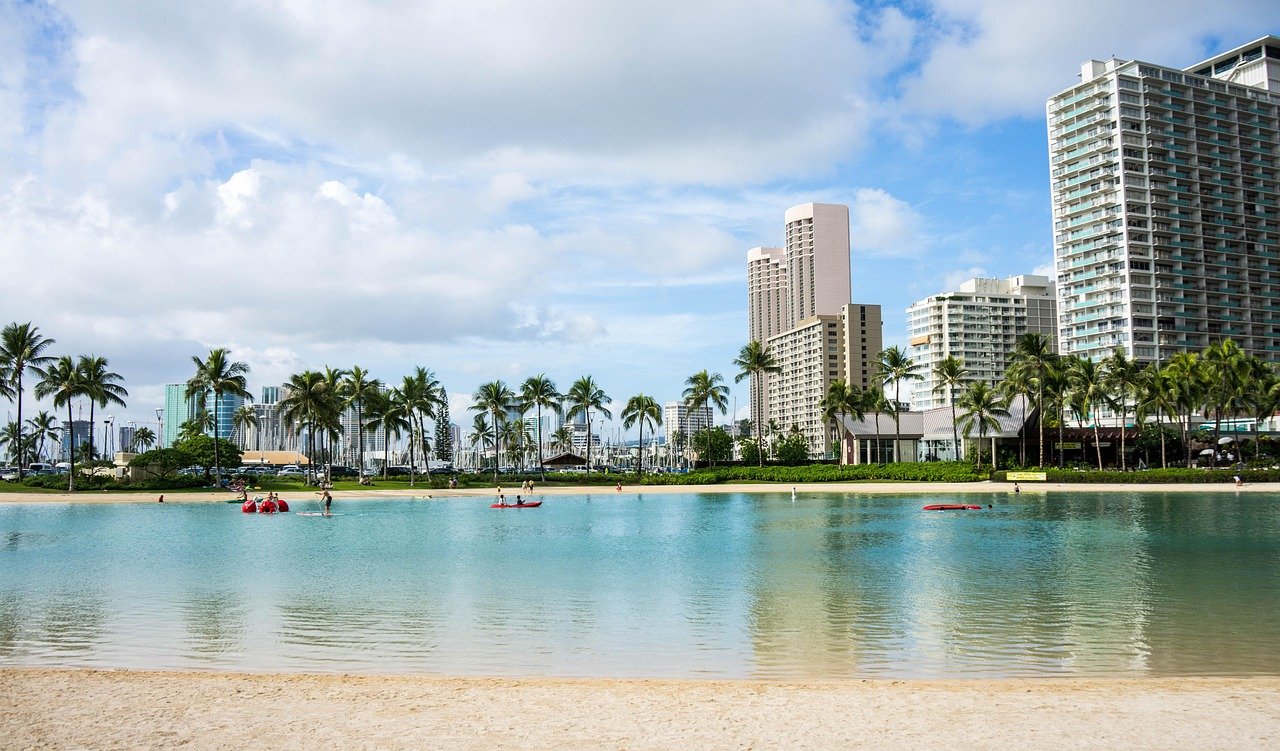
Waikiki packs roughly two miles of beachfront into a single Honolulu neighborhood, stretching from the Ala Wai Canal to the slopes of Diamond Head. That small footprint holds more four- and five-star hotel rooms per square block than almost anywhere else in the Pacific. The result is a destination where luxury is easy to find but surprisingly easy to get wrong. A room rate that looks premium may exclude a resort fee, a parking charge, and a daily umbrella rental. A beachfront tower may sit behind a public access path with no quiet hours. This guide walks through what actually separates a great Waikiki trip from an expensive mediocre one, from choosing the right stretch of sand to timing your Diamond Head hike.
Why Waikiki Rewards Careful Planning
Waikiki is a neighborhood of Honolulu on the south shore of Oʻahu, and it is dense. Hotels, condos, restaurants, and shops sit shoulder to shoulder along Kalākaua and Kūhiō avenues. That density is the appeal: you can walk to dinner, walk to the beach, and walk to a surf lesson without renting a car. It is also the trap. Because everything is close together, small differences in location matter enormously. A hotel one block off the sand can feel like a different trip than one with a beachfront pool deck.
The other reason planning pays off is cost structure. Hawaii imposes a Transient Accommodations Tax on short-term stays, and counties add their own surcharge on top. Rates and surcharges have changed repeatedly over the past decade, so the number you see advertised is rarely the number you pay. Budget for taxes and fees as a separate line item, not an afterthought.
Picking Your Stretch of Beach
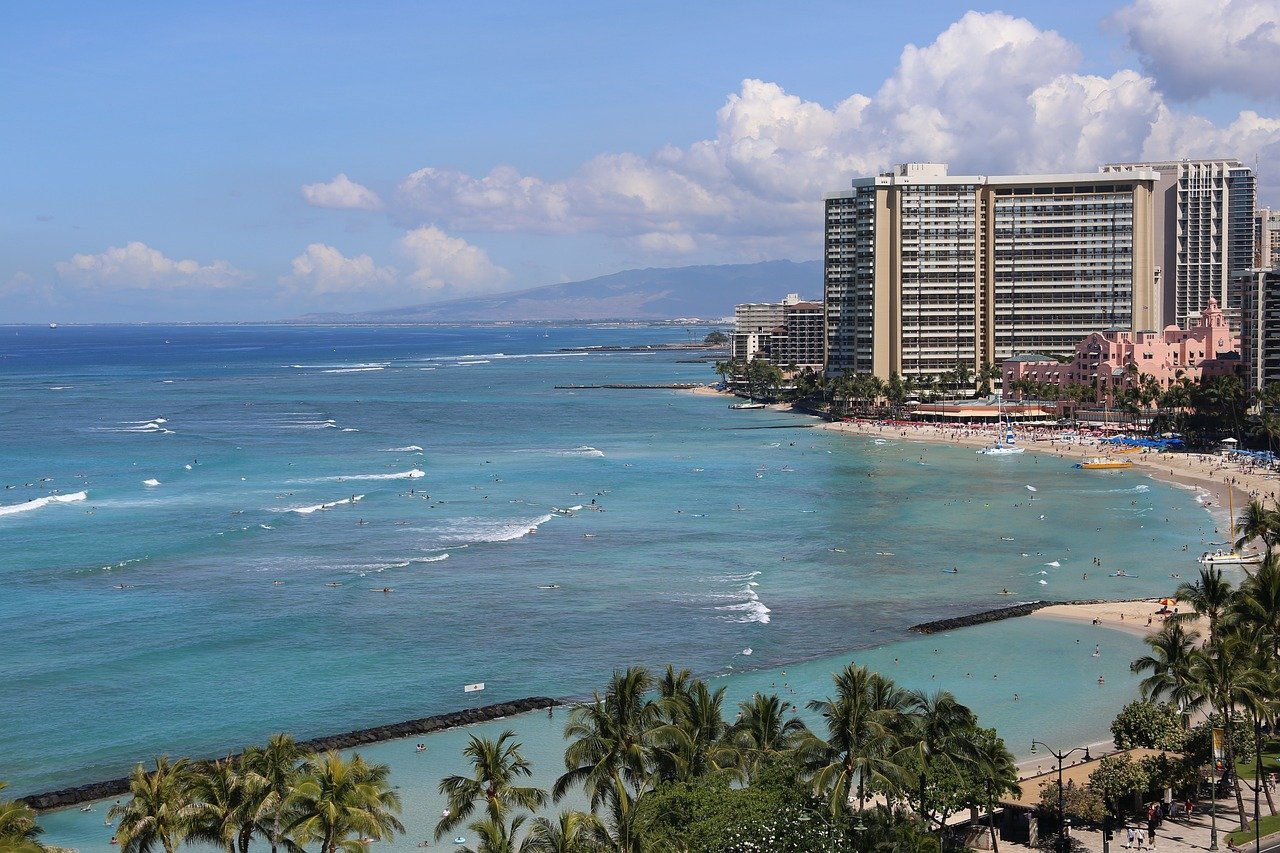
Waikiki is not one beach. It is a series of connected shoreline segments with different personalities, and where you book determines your daily rhythm.
| Area | Character | Best for |
|---|---|---|
| Kūhiō Beach (Ewa end) | Calmer water, lifeguarded, close to the Hilton Hawaiian Village | Families, swimmers who prefer gentler surf |
| Central Waikiki (near the Duke statue) | Busiest sand, surf schools, canoe rides | First-timers who want the postcard experience |
| Kapiʻolani Park end (Diamond Head side) | Wider beach, quieter mornings, park nearby | Travelers who want space and early walks |
| Ala Wai / canal side | No beach frontage, but walkable and often cheaper | Budget-conscious luxury seekers and long stays |
A practical rule: if a property advertises “beachfront,” check whether the sand is directly in front of the building or across a road and a public access path. Both can be excellent. Only one matches what most people picture.
What Luxury Actually Means in Waikiki
High-end hospitality here splits into three rough tiers, and understanding them prevents overpaying.
Legacy beachfront resorts occupy the prime sand. They carry the largest pools, the most dining options, and the highest rates. They also carry the most foot traffic, since their lobbies and shops are open to the public.
Boutique and design hotels sit a block or two back and compete on style, service ratios, and food and beverage rather than square footage. Rooms are smaller. The trade is usually a quieter pool deck and a better restaurant.
Luxury condominium rentals offer full kitchens, laundry, and space for longer stays. They suit families and anyone staying a week or more, but they come with cleaning fees, minimum-night rules, and rules set by the building rather than a hotel desk.
Short-term rental regulation on Oʻahu has tightened considerably in recent years, with city rules restricting non-owner-occupied rentals. If you are booking a condo, confirm the unit’s legality and the cancellation terms before you pay. The wider shift toward experience-led, design-forward luxury is covered well in this look at the new language of modern luxury, and it maps closely onto what Waikiki’s newer properties are selling. (Waikiki)
Rooms, Views, and the Upgrade That Matters
In Waikiki, the view category is the single biggest driver of price difference within the same hotel. An ocean-view room can cost substantially more than a city-view room in the same building, and the gap is widest at beachfront properties. (City and County of Honolulu official website)
Three view tiers are worth knowing:
- Oceanfront: direct, unobstructed water. Usually the top tier and the top price.
- Ocean view: water visible, often at an angle or over a neighboring roof.
- Partial ocean / city view: a sliver of blue, or a view of the Ala Wai Canal and the Koʻolau Range.
The mountain and canal views are genuinely beautiful and often cost far less. Travelers who plan to be at the beach all day rather than in the room frequently find the partial view the better value. Ask specifically which floor and which side of the building the room faces. “Ocean view” on a low floor can mean a view of a palm tree and a parking structure.
Resort Fees, Parking, and the Real Daily Rate
This is where budgets quietly break. Waikiki hotels commonly charge a resort fee and a parking fee separately from the room rate. Resort fees may bundle beach chairs, umbrellas, fitness center access, and Wi-Fi; they may also bundle things you will never use. Disclosure practices have drawn scrutiny from regulators, and the rules have been shifting, so read the fee breakdown before booking rather than at check-in.
A simple habit that works: calculate your all-in nightly cost before comparing hotels. Add the room rate, the tax, the resort fee, and parking if you will have a car. Then compare. A hotel with a lower room rate and a high resort fee plus mandatory valet parking can cost more than the one that looked pricier up front.
Parking deserves its own warning. Waikiki valet and self-park rates are high, and some hotels have limited spaces. If you plan to explore the island by car, price that in from day one, or consider skipping the rental entirely for the days you stay in the neighborhood.
Dining: Where the Money Is Worth It
Waikiki’s restaurant scene runs from plate lunch counters to tasting menus, and the luxury tier is strong. A few principles hold up in practice.
Book ahead for dinner. Popular rooms fill days or weeks out, especially on weekends and during peak seasons. Walk-ins work at lunch far more often than at dinner.
Eat breakfast out, but not at the hotel every day. Hotel breakfast can be convenient and genuinely good, but it is also the meal with the widest price gap versus nearby alternatives.
Look beyond the beachfront strip. Some of the best food sits a few blocks inland, where rents are lower and portions are larger. The same logic applies across the luxury spectrum, as this piece on luxury fashion houses and their legacy notes about heritage brands: the marquee address is not always where the craft lives.
Try the local staples at least once. Poke, plate lunch, shave ice, and malasadas are part of the trip. Skipping them to eat exclusively at white-tablecloth restaurants misses the point of being in Hawaiʻi.
Beach Days Done Properly
Waikiki’s water is calm by Pacific standards, which is why it works so well for beginners. Surf lessons and outrigger canoe rides launch from the central beach most mornings. Book early slots: winds pick up and crowds build as the day goes on.
A few practical notes that save real friction:
- Reserve popular outdoor attractions in advance. Diamond Head State Monument has used a reservation system for non-resident visitors, and Hanauma Bay has required reservations and entry fees for non-residents. Check current rules before you go, since both systems have been revised more than once.
- Bring reef-safe sunscreen. Hawaii law bans the sale of sunscreens containing oxybenzone and octinoxate, and the rules apply to what you bring as well as what you buy.
- Watch the beach itself. Waikiki Beach has experienced erosion for decades, and sand replenishment projects have come and gone. Sections of sand can be narrower than photos suggest. If a wide beach matters to you, check recent conditions.
- Start early. Mornings are cooler, the light is better, and the sand is emptier before 9 a.m.
For travelers pairing a city stay with an outer-island escape, the resort comparison in this guide to luxury resorts for your next getaway is a useful counterpoint to Waikiki’s urban density.
Beyond the Beach: Culture and Day Trips
Waikiki sits within easy reach of some of Oʻahu’s best experiences. The Honolulu Museum of Art, ʻIolani Palace, and the Bishop Museum are all short drives and reward a half day each. Pearl Harbor and the USS Arizona Memorial draw heavily; book tickets well ahead. The windward coast, the North Shore, and the Koʻolau ridgelines are doable as day trips, though traffic makes a full loop tighter than the map suggests.
Cultural context matters here. Waikiki was once a royal retreat and wetlands before the Ala Wai Canal was completed in 1928 drained the area and reshaped it into the district visitors know today. Treating the neighborhood as more than a resort strip, and seeking out Hawaiian cultural programming, hula, and locally owned businesses, makes for a richer trip and a more respectful one.
When to Go and How Long to Stay
Waikiki is a year-round destination, but the experience varies. Peak visitor periods bring higher rates and busier beaches. Shoulder seasons typically offer better value and more availability for upgrades.
On length of stay, four to five nights is the sweet spot for most travelers. Fewer than three nights and jet lag eats the first day. More than a week in Waikiki alone and the neighborhood starts to feel small; that is the moment to add a second base on the island.
A Sample Luxury Weekend
For a short, high-impact trip, this structure works:
- Day one: Arrive, settle in, walk the beach at sunset, dinner near the hotel. No driving.
- Day two: Early beach morning with a surf or canoe session, lunch at a local spot, spa in the afternoon, dinner booked ahead.
- Day three: Sunrise hike at Diamond Head with a reservation, brunch, museum or palace in the afternoon, sunset sail.
- Day four: Day trip to the windward coast or North Shore, returning for a final dinner.
The theme is deliberate: alternate high-effort and low-effort days, and keep the driving to one or two blocks of the trip.
Conclusion
Waikiki is one of the few places where a genuine luxury trip requires almost no logistics: no long transfers, no remote lodges, no complicated itineraries. That convenience is exactly why the details matter. Choose your stretch of beach on purpose, calculate the all-in nightly rate instead of the sticker price, reserve the outdoor attractions that now require it, and leave room for the local food and culture that make the neighborhood more than a resort strip. Done that way, Waikiki delivers a rare combination: the polish of a five-star destination with the walkability of a small town.
Frequently Asked Questions
Is Waikiki a good destination for a luxury trip?
Yes, but the luxury is concentrated in specific pockets. The beachfront legacy resorts and a growing set of boutique design hotels deliver genuinely high-end service, dining, and spa offerings. The key is choosing a property whose location and fee structure match how you plan to spend your days, rather than assuming a high room rate guarantees a premium experience.
How much should I budget for resort fees and taxes?
Treat these as a separate budget line. Hawaii levies a Transient Accommodations Tax on short-term stays, and counties add surcharges that have changed repeatedly. On top of that, many Waikiki hotels charge a daily resort fee and a parking fee. Add all of these to the room rate before comparing properties, because a lower room rate can easily cost more overall.
Do I need to reserve Diamond Head and Hanauma Bay in advance?
Yes, plan to. Diamond Head State Monument has used an advance reservation system for non-resident visitors, and Hanauma Bay has required reservations and entry fees for non-residents. Both systems have been revised more than once, so confirm the current process shortly before your trip rather than relying on older guides.
What is the best area of Waikiki to stay in?
It depends on your priorities. The central beach near the Duke statue is best for first-timers who want the classic experience. The Kūhiō Beach end suits families and calmer water. The Diamond Head side offers wider sand and quieter mornings. The Ala Wai Canal side is walkable and often less expensive, but has no beach frontage.
Is it worth renting a car in Waikiki?
Often not for the whole trip. Waikiki is highly walkable, and parking is expensive and sometimes scarce. A better pattern for many travelers is to skip the car for the neighborhood days and rent one only for a day trip to the North Shore or windward coast.
What should I know about sunscreen and beach rules?
Hawaii law bans the sale of sunscreens containing oxybenzone and octinoxate, so pack reef-safe sunscreen before you arrive. Also expect sections of Waikiki Beach to be narrower than photos suggest, since erosion and sand replenishment have shifted the shoreline over the years. Check recent conditions if a wide beach is a priority.