
Used Cars Near Me: Find a Good One in 2026
 Abdul WadoodLast updated
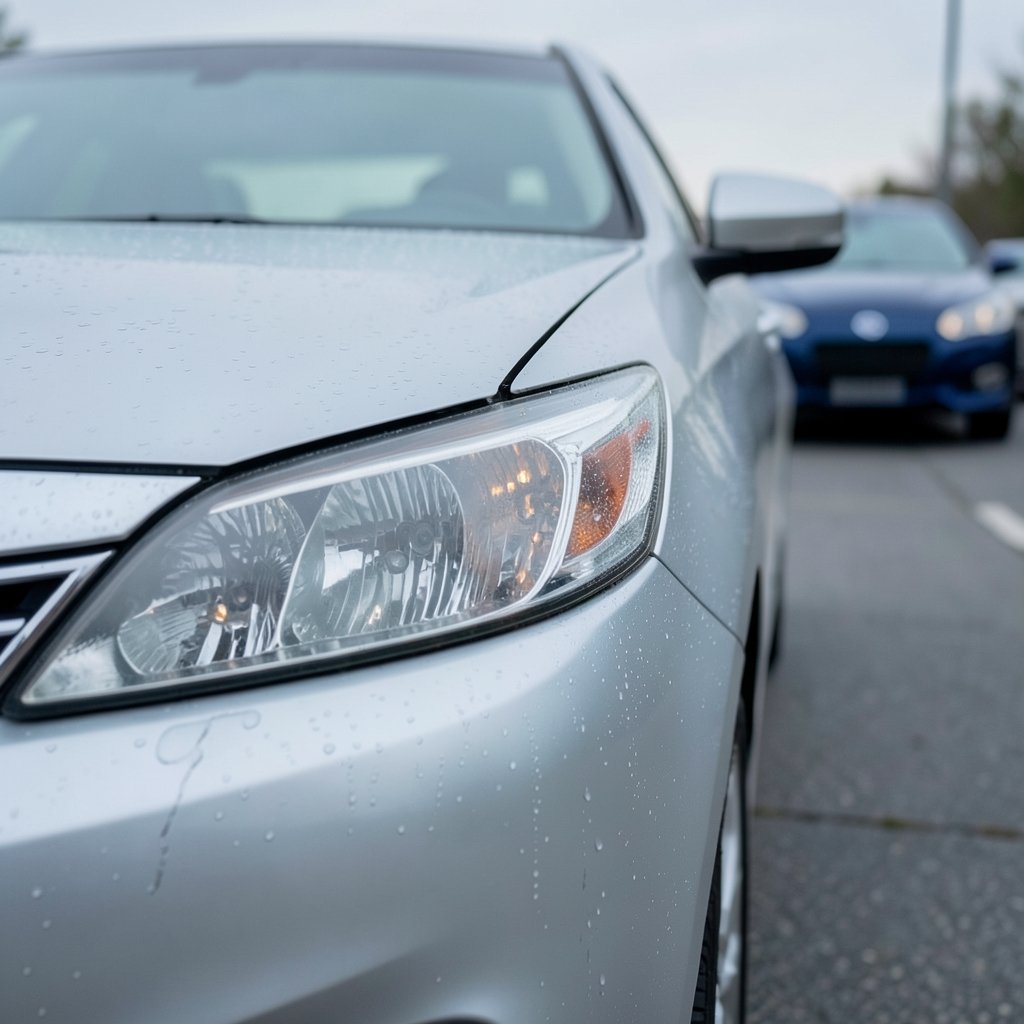
The average used car in America now sells for well over $25,000, and that number alone explains why so many buyers type “used cars near me” into a search bar every single day. Buying secondhand is one of the smartest financial moves a person can make, because someone else already absorbed the steepest years of depreciation. But the search itself can feel like walking through a maze blindfolded. Dealers, private sellers, online marketplaces, and “certified pre-owned” programs all compete for attention, and each one tells a slightly different story about what a fair price looks like.
This guide cuts through the noise. It covers how to search smart, what to inspect, how to avoid the classic traps, and how to walk away with a car you actually trust.
Why the “near me” search is only half the battle
Location matters, but it is not the whole picture. A search for used cars near me usually returns a mix of franchise dealerships, independent lots, and private listings within a set radius. That is a fine starting point, yet the radius itself is a decision worth thinking about.
A tight radius of five to ten miles keeps things convenient. A wider radius of 30 to 50 miles often opens up better inventory and more competitive pricing, especially for specific models. In practice, buyers who expand their search radius by just 25 miles frequently find the same car listed hundreds or even thousands of dollars cheaper. The trade-off is time and travel, but for a purchase this size, a two-hour round trip can pay for itself many times over.
One practical tip: search by model and trim rather than category alone. Typing “used Honda Civic EX near me” returns far more relevant results than “used cars near me,” because it filters out the noise of hundreds of unrelated listings.
The main places to buy, compared
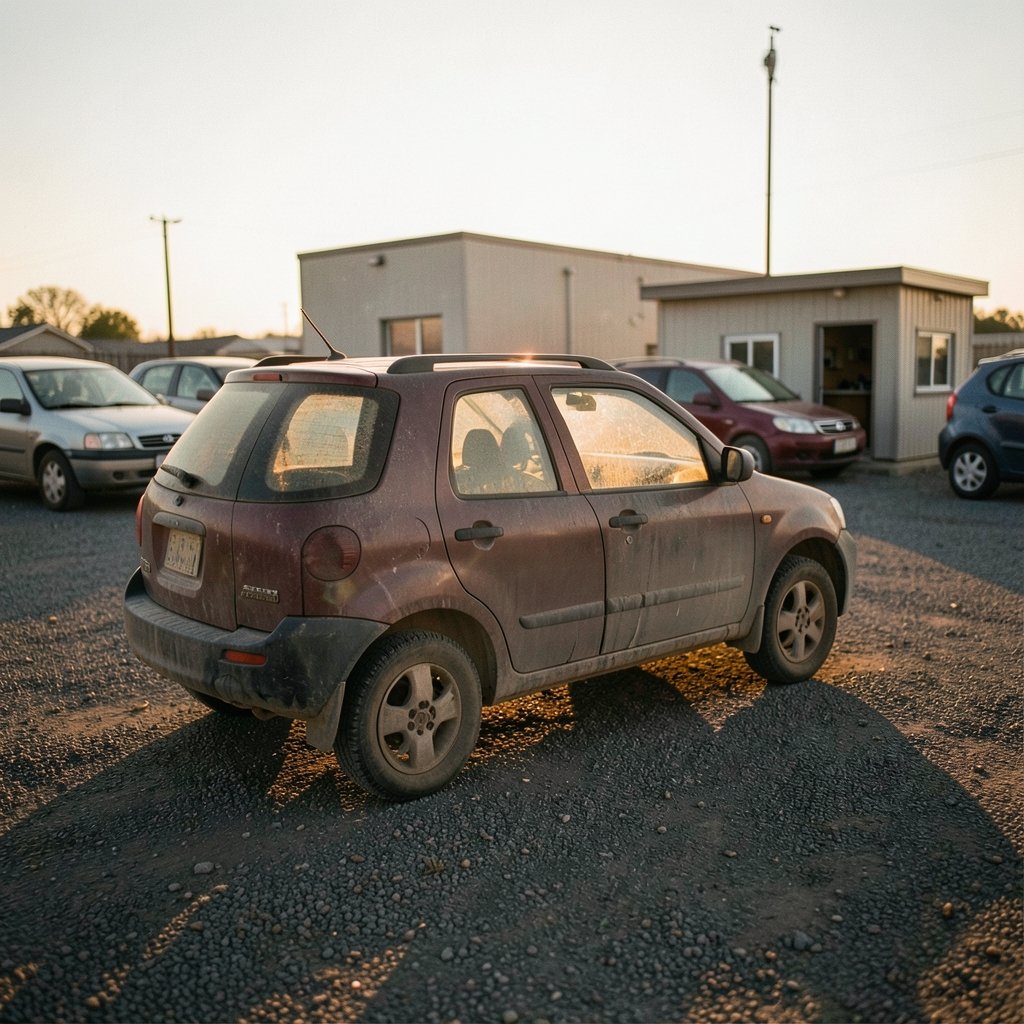
Each buying channel has real strengths and real weaknesses. Knowing them up front saves hours of frustration.
| Channel | Strengths | Watch-outs |
|---|---|---|
| Franchise dealership | Certified inspections, financing options, warranty support | Higher sticker prices, pressure to add extras |
| Independent lot | Often lower prices, flexible negotiation | Varying inspection quality, limited warranty |
| Private seller | Best price potential, full service history sometimes available | No warranty, paperwork falls on you |
| Online marketplace | Huge selection, easy price comparison | Sight-unseen risk, delivery fees |
There is no universally best channel. A buyer who wants peace of mind and financing will usually do better at a franchise dealership. A buyer with mechanical knowledge and cash in hand often finds the best value through a private seller. The key is matching the channel to your own comfort level and budget.
The paperwork that protects you
Most used cars sold by dealers in the United States must carry a Buyers Guide window form. This is a federal requirement under the FTC’s Used Car Rule, and it tells you whether the vehicle comes with a warranty or is sold “as is.” The form was revised with an effective date of January 27, 2017, so any dealer still displaying an older version is a mild red flag. Read that form carefully before you sign anything.
Beyond the Buyers Guide, a few documents deserve close attention:
- The title — confirm it is clean, not salvage or rebuilt, and that the seller’s name matches.
- The odometer statement — required in most states and a key protection against rollback fraud.
- Service records — not mandatory, but a seller who has them is usually a seller worth trusting.
- A vehicle history report — useful, though never a substitute for a physical inspection.
Paperwork mistakes are among the most common and most expensive errors buyers make. A missing signature or an unresolved lien can turn a dream purchase into a legal headache. Slow down and read every page.
Inspect before you fall in love
Emotion is the enemy of a good deal. The moment a buyer pictures themselves driving a car off the lot, negotiating power evaporates. A disciplined inspection routine keeps feelings in check.
Start with a cold start. Arrive early enough that the engine has not been warmed up, because a warm engine can hide starting problems. Then check the obvious items: tire tread depth, uneven wear, brake pedal feel, fluid colors, and any warning lights. Look closely at panel gaps and paint matching, which can reveal past collision repairs.
An independent pre-purchase inspection by a mechanic you choose, not the seller, typically costs between $100 and $200. It is the single best money a used car buyer can spend. A mechanic can catch frame damage, transmission issues, or electrical gremlins that a quick test drive will never reveal.
Common mistakes in practice:
- Skipping the test drive on a highway, where vibration and alignment problems show up
- Ignoring the spare tire well, which often hides water damage
- Trusting a fresh detail job that masks leaks and worn interiors
- Buying the same day as the first test drive
How to price a used car fairly
Pricing is where preparation pays off most. Used car values move with supply, demand, and interest rates, and they have swung sharply in recent years. Buyers who check multiple pricing guides before negotiating consistently do better than those who accept the first number they see.
A simple method works well. Gather three to five comparable listings for the same model, year, mileage range, and condition. Average them, then adjust for mileage and any needed repairs. That number becomes your anchor. When a seller quotes a price far above it, you have evidence to support a counteroffer.
Financing deserves the same scrutiny. Dealer-arranged loans are convenient but not always the cheapest. Getting a pre-approval from a bank or credit union before visiting the lot gives you a benchmark and a stronger negotiating position. It also keeps the conversation focused on the car’s price rather than a monthly payment figure, which dealers sometimes use to obscure the total cost.
For anyone comparing vehicles more broadly, resources like Voozon Cars offer reviews and comparisons that help narrow the field before you ever contact a seller. Understanding what a car is worth as an experience, beyond the number, changes how you negotiate.
Red flags worth walking away from
Some warning signs are subtle. Others are practically shouting. Either way, they deserve attention.
A seller who refuses an independent inspection is the clearest signal to leave. So is a price dramatically below market value with a vague explanation. “It belonged to a relative who moved overseas” is a classic story used to explain missing paperwork or a rushed sale.
Other red flags include:
- A title that is not in the seller’s name
- Odometer readings that do not match wear on the pedals and seats
- Fresh undercoating that could hide rust
- A seller who insists on cash only and meets in a parking lot
- Inconsistent service history or a refusal to share the VIN
Checking the VIN against free recall and title databases takes minutes and can save thousands. Federal safety recalls are tracked by the National Highway Traffic Safety Administration, and open recalls should be repaired before purchase, often at no cost. (Vehicle Safety)
Matching the car to your actual life
A used car purchase is a long-term commitment, and the most common regret buyers report is not price but fit. A sporty coupe bought on impulse becomes a burden when a family grows. A large SUV bought for occasional hauling becomes expensive at the pump for daily commuting.
Practical buyers think about three things: how many miles they drive weekly, how many passengers they regularly carry, and what the car will cost to own over five years. Insurance, maintenance, and fuel often matter more than the sticker price. A cheaper car with expensive parts and poor fuel economy can cost more in the long run than a pricier, more reliable model.
This is where understanding a vehicle’s character helps. Some cars are built around experience and driving feel, while others prioritize utility and cost. The cars built around experience are wonderful if that is what you value, but they may not suit a buyer whose priority is low running costs. Honest self-assessment prevents expensive mistakes.
Negotiating without drama
Negotiation is not a fight. It is a conversation with a shared goal: a fair price for a car both parties want to move. Buyers who stay calm, arrive prepared with comparable listings, and are willing to walk away almost always do better than those who argue.
A few tactics that work in practice:
- Negotiate the out-the-door price, not the monthly payment.
- Bring your own financing so the dealer cannot bundle costs into the loan.
- Ask for the inspection report and use any findings as a bargaining point.
- Be ready to leave. There is always another car.
Timing matters too. End of month and end of quarter are when dealerships push to hit targets, which can soften prices. Private sellers are often more flexible on a weekday evening than a Saturday morning when they have several buyers lined up.
Online tools that genuinely help
Digital research has made used car shopping dramatically more transparent. Vehicle history reports, recall databases, and pricing guides are all free or cheap. The trick is using them in the right order.
Start with pricing research to set a budget. Then narrow to specific models and years. Then check recalls and history reports for the shortlist. Only after that should you contact sellers. This sequence prevents the common mistake of falling for a specific car before knowing whether it is fairly priced or safe.
For buyers exploring adjacent categories, guides like Voozon Cars reviews and comparisons can help clarify which models hold value and which depreciate fast. Similar discipline applies to other “near me” searches, whether you are hunting for a good salon or a reliable shop; the same principles of comparison and verification apply across consumer categories.
Conclusion
Finding used cars near you is easy. Finding a good one takes a method. Set a realistic budget, search by model rather than category, widen your radius, read the paperwork, and never skip the independent inspection. Pay attention to red flags, negotiate the out-the-door price, and be willing to walk away from any deal that feels rushed.
The buyers who do best are not the ones who know the most about engines. They are the ones who stay patient, do their homework, and treat the purchase as a decision to be verified rather than a feeling to be chased. Do that, and the car in your driveway will be one you are glad you bought.
FAQ
How many miles is too many on a used car?
There is no universal number, but 12,000 to 15,000 miles per year of age is a reasonable benchmark. A five-year-old car with 75,000 miles is normal. What matters more is maintenance history and condition. A well-maintained car with 120,000 highway miles can outlast a neglected one with 60,000 city miles.
Should I buy from a dealer or a private seller?
Dealers offer warranties, financing, and legal protections like the Buyers Guide. Private sellers often offer lower prices and fuller service records. Choose based on your risk tolerance. If you are not comfortable inspecting a car yourself, a dealer or certified pre-owned program is usually the safer route.
Is a certified pre-owned car worth the extra cost?
Often yes, especially for buyers who want warranty coverage and a thorough inspection without arranging it themselves. CPO programs typically include manufacturer-backed warranties and roadside assistance. The premium is real, but so is the peace of mind, particularly for newer models with complex electronics.
How do I check if a used car has been in an accident?
Request the VIN and run a vehicle history report, then have a mechanic inspect the frame and paint for signs of repair. History reports are useful but incomplete, since not every accident gets reported. A physical inspection remains the most reliable check.
Can I negotiate the price on a used car?
Yes, and you should. Used car prices are rarely fixed. Arrive with comparable listings, know your budget, and negotiate the out-the-door price rather than the monthly payment. Dealers expect negotiation, and private sellers usually build a little room into their asking price.
What is the biggest mistake used car buyers make?
Skipping the independent pre-purchase inspection. It costs around $100 to $200 and routinely catches problems that would cost thousands to fix. Buyers who fall in love with a car before inspecting it are the most likely to overpay for someone else’s problem.