
Toy Cars: The Serious Collector Market Guide
 Abdul WadoodLast updated
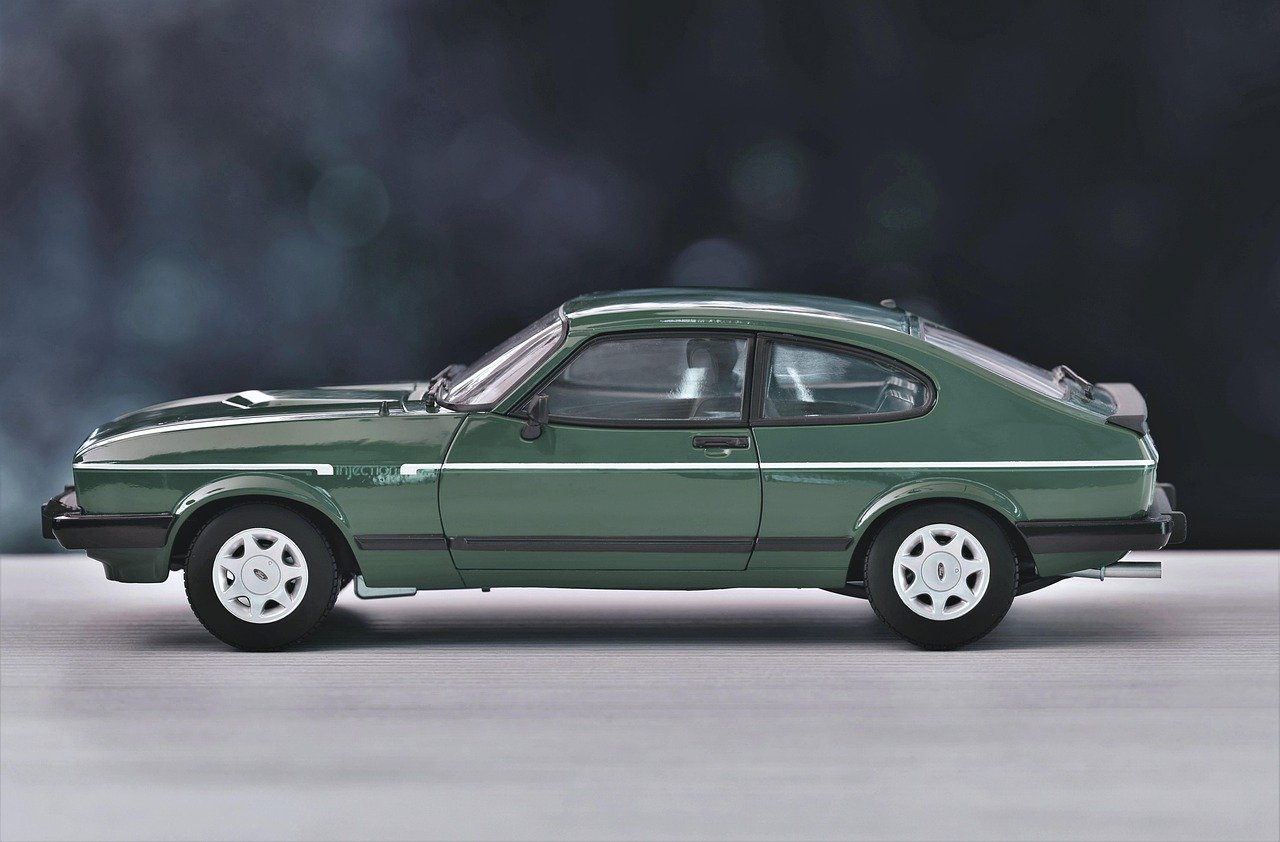
A single mint-condition die-cast toy car from the 1960s can sell for more than a used sedan. That fact alone explains why toy cars sit in a strange spot in modern culture: they are cheap enough for a toddler to chew on and valuable enough for adults to insure. The same object that costs three dollars at a supermarket checkout can command thousands at auction, and both versions roll on four tiny wheels. Understanding why requires looking at how toy cars are made, how they are graded, how they are collected, and where parents and hobbyists alike tend to go wrong.
What Counts as a Toy Car, Exactly
The category is broader than most people assume. A toy car is any miniature vehicle made for play, display, or collection. That covers everything from chunky plastic cars for toddlers to precision die-cast models with opening doors and authentic paint codes.
Three rough groups matter in practice:
- Play toys. Plastic or simple metal cars built for durability. Scale is approximate, detail is minimal, and safety standards drive the design.
- Die-cast models. Metal-bodied cars produced by casting molten zinc alloy into molds. Brands like Matchbox and Hot Wheels built entire industries on this method.
- Scale models and collectibles. Higher-detail replicas, often in 1:18 or 1:43 scale, aimed at adult display rather than floor play.
The lines blur constantly. A child’s first Hot Wheels and a collector’s sealed Hot Wheels are the same product, separated only by packaging and condition. That overlap is what makes the hobby so accessible and, occasionally, so confusing. (U.S. Consumer Product Safety Commission)
A Short History of the Miniature Car
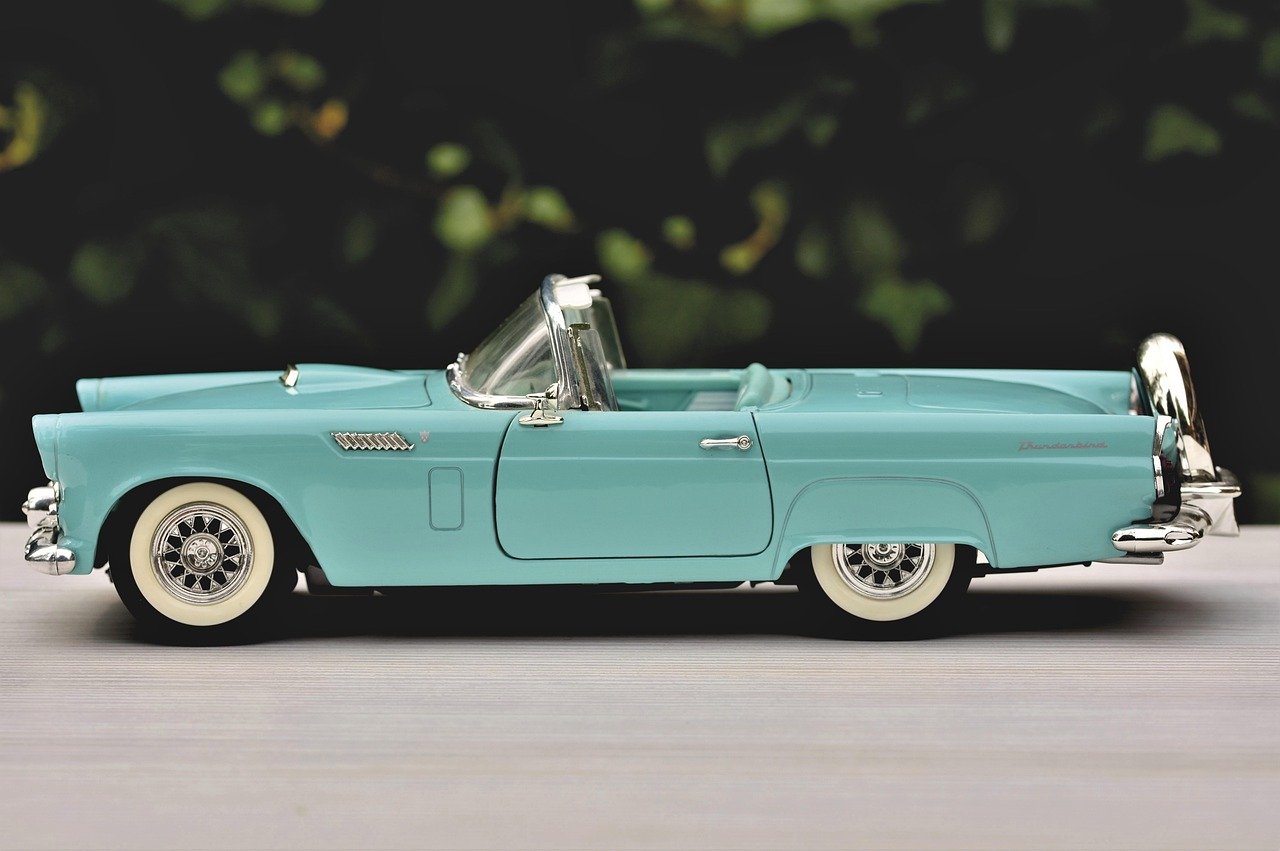
Miniature vehicles have existed for as long as full-size ones. Early examples were often hand-built toys or promotional models, and the modern die-casting process is generally credited to the early 1930s, when Meccano in England introduced its Dinky Toys line. The idea was simple and revolutionary: cast a car in metal, paint it, and sell it cheaply enough that children could own a fleet.
Matchbox followed in the 1950s with small, affordable models sold in matchbox-sized packaging, hence the name. Hot Wheels arrived in 1968 with a focus on speed and custom styling, and the brand’s emphasis on track sets and bright colors reshaped what children expected from a toy car.
The broader history of the automobile itself explains much of the appeal. Kids grow up seeing real cars as objects of fascination, and toy makers have always mirrored that fascination. For a deeper look at how vehicles shape identity and memory, the cars built around experience is a useful read alongside any toy collection.
How Die-Cast Cars Are Actually Made
Production is more involved than most buyers realize, and knowing the process helps explain price differences.
- Design and tooling. A model is drafted, often from real vehicle blueprints, then a steel mold is cut. Tooling is the single most expensive step, which is why manufacturers reuse molds across many paint variants.
- Casting. Molten zinc alloy is injected into the mold under pressure. The result is a raw metal body with visible seams.
- Trimming and polishing. Workers or machines remove flash and smooth edges.
- Painting and tampo printing. Paint is applied, then graphics are stamped on. Tampo printing is the technique behind crisp racing stripes and logos.
- Assembly. Wheels, axles, interiors, and clear plastic windows are fitted, usually with rivets or screws.
Cheap toys skip steps. Premium models add them, including separate chrome parts, rubber tires, and photo-etched badges. That difference is visible the moment a collector turns a car over and inspects the base.
What Collectors Actually Look For
Condition drives value more than age. A common 1970s car in perfect condition can outpace a rare model that has been played with. Collectors generally assess four things:
| Factor | What It Means | Why It Matters |
|---|---|---|
| Condition | Paint chips, scratches, bent axles | Any flaw drops value sharply |
| Packaging | Sealed blister pack or intact box | Loose cars sell for a fraction of boxed ones |
| Rarity | Short production runs, error variants | Scarcity sets the ceiling |
| Authenticity | Correct parts, original paint | Repaints and restorations hurt value |
Error cars deserve special mention. A car painted the wrong color, fitted with the wrong wheels, or stamped with a misaligned logo can be worth many times a correct example, because collectors treat production mistakes as accidental rarities. This is one of the few areas where a defect increases value rather than destroying it.
Storage matters as much as selection. Sunlight fades paint, humidity corrodes metal, and rubber tires can react with plastic cases over years. Serious collectors keep cars in acid-free boxes, away from direct light, at stable room temperature.
Buying Toy Cars: What Works and What Doesn’t
Practical experience separates happy collectors from frustrated ones. A few patterns hold up consistently.
What works:
- Buying the best condition you can afford rather than many mediocre examples
- Researching a single brand or era deeply before spending
- Keeping original packaging, even if it takes up space
- Photographing every car on arrival to document condition
Common mistakes:
- Assuming old means valuable. Millions of common cars were made, and most are worth very little.
- Stripping paint to “restore” a car. Restoration almost always reduces collector value.
- Storing cars loose in a shoebox, where they scratch each other.
- Ignoring shipping damage. A cracked blister pack can halve a car’s worth.
For buyers comparing models across brands and eras, Voozon Cars — reviews, comparisons & car guides offers a useful reference point for the real vehicles that inspire these miniatures.
Toy Cars and Child Safety
For parents, the collector market is irrelevant. Safety is everything. Small parts are the central concern, and choking hazards are why toy cars carry age recommendations. Parts that fit inside a small cylinder used in standard testing are considered a choking risk for children under three.
A few practical rules that prevent most problems:
- Follow the age label. “3+” is not marketing; it reflects a real choking risk.
- Check wheels and axles on older or secondhand cars. Loose wheels are a classic hazard.
- Avoid vintage toys with lead paint. Older die-cast cars were painted with materials that would not pass today’s standards, and chipped paint on a vintage car is a genuine concern.
- Skip magnetic wheels or accessories for young children.
Secondhand toy cars are a wonderful bargain and a genuine risk in equal measure. Inspecting each one before it reaches a child takes two minutes and prevents the most common injuries.
The Economics of a Small Hobby
Toy cars are a low-cost entry into collecting, which is part of their appeal. A new mainline die-cast car typically costs a few dollars. Premium and limited editions run from ten to fifty dollars. Rare vintage pieces and low-production collectibles climb into the hundreds or thousands.
The market behaves like most collectibles: prices track nostalgia, supply, and pop culture. A movie tie-in or a collaboration with a fashion brand can send demand soaring overnight. Conversely, when a generation that collected a particular brand ages out of buying, prices for that brand can soften.
That cyclical behavior is worth remembering before anyone treats toy cars as an investment. They are a hobby first and an asset a distant second. The pleasure of the hunt, the display, and the community is the reliable return.
Displaying and Caring for a Collection
Display is where hobbyists express personality. Common approaches include wall-mounted shadow boxes, glass cabinets with UV-filtered doors, and custom shelves built to the depth of a standard blister pack. Lighting matters more than most people expect: LED strips generate little heat, while halogen bulbs can warp plastic packaging over time.
Cleaning is simple but easy to get wrong. A soft brush and mild soap remove dust from metal bodies. Never use solvents on painted surfaces, and never submerge a car with decals. For plastic windows, a microfiber cloth and a drop of water beat any chemical cleaner.
If a collection grows past a few hundred cars, cataloging becomes essential. A simple spreadsheet with brand, model, year, condition, and purchase price prevents duplicate buys and helps with insurance. Photographing each car with its packaging is the single most useful habit a collector can build.
Where Toy Cars Fit in Car Culture
Toy cars are often a child’s first contact with automotive design. They teach proportion, color, and brand identity long before anyone can drive. Many designers and engineers credit childhood model cars as an early spark, and manufacturers have long used toy lines as marketing that reaches future customers.
The connection runs both directions. Real-car enthusiasts often keep a shelf of miniatures, and toy collectors frequently graduate into full-size car culture. For readers who want to explore that overlap, Voozon Cars — reviews, comparisons & car guides – Voozon covers the vehicles that inspire the most popular models. (Toy car)
Conclusion
Toy cars succeed because they work on two levels at once. For a child, they are a cheap, durable gateway to imagination and a first taste of design. For an adult, they are a graded, cataloged, surprisingly valuable collectible with a genuine community behind it. The same object serves both roles without contradiction.
The practical takeaway is straightforward. Buy what you enjoy, protect condition from day one, keep the packaging, and never assume age equals value. Whether the goal is a toddler’s birthday gift or a shelf of sealed rarities, the hobby rewards patience and attention far more than it rewards spending. A three-dollar car and a three-thousand-dollar car are both, in the end, small machines built to be loved.
Frequently Asked Questions
Are old toy cars worth money?
Most are not. Millions of common die-cast cars were produced, and loose, played-with examples typically sell for a few dollars. Value comes from rarity, condition, and original packaging. A small percentage of vintage models, error variants, and short production runs do sell for hundreds or thousands, but they are the exception rather than the rule.
What is the difference between die-cast and plastic toy cars?
Die-cast cars are made by casting molten zinc alloy into steel molds, producing a heavier, more detailed metal body. Plastic cars are injection-molded and generally cheaper, lighter, and safer for very young children. Die-cast models dominate the collector market because they hold detail and paint better over time.
What age is appropriate for toy cars?
Most die-cast and small plastic cars carry a 3+ recommendation because small parts present a choking hazard. Larger, chunkier plastic cars designed for toddlers are usually suitable from around 12 to 18 months. Always check the manufacturer’s age label, especially for secondhand or vintage cars.
How should toy cars be stored to keep their value?
Keep them out of direct sunlight, away from humidity, and at a stable room temperature. Store boxed cars upright in acid-free containers, and keep loose cars separated so they do not scratch each other. Avoid attic and garage storage, where temperature swings damage paint and packaging.
Why are error cars worth more than correct ones?
Error cars have a production mistake such as the wrong color, incorrect wheels, or a misaligned graphic. Because these flaws occur accidentally and in small numbers, collectors treat them as unintentional rarities. Demand from specialist collectors can push prices well above a standard example of the same model.
Do toy cars make a good investment?
Generally, no. Prices follow nostalgia and fashion, and entire brand categories can soften as collector generations age. Toy cars are best treated as a hobby with occasional value upside. Anyone buying purely for financial return should expect high volatility and significant storage and insurance costs.