
Tokyo Drift Cars: Real JDM Machines Behind the Movie
 Abdul WadoodLast updated
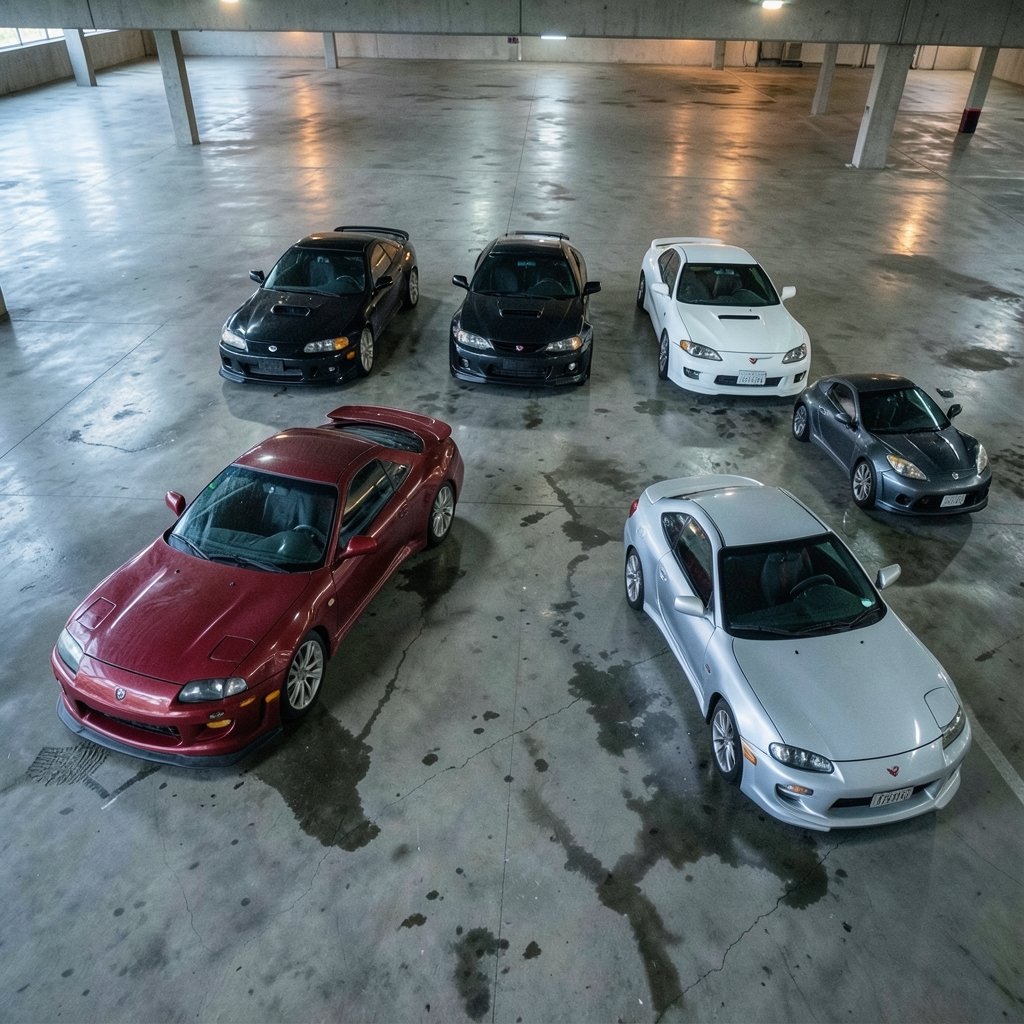
A single film turned a niche Japanese drifting subculture into a global obsession. When The Fast and the Furious: Tokyo Drift hit theaters in 2006, it introduced millions of viewers to mountain passes, parking-lot meets, and a style of driving where the rear tires do most of the talking. The movie’s car list became a shopping list for a generation of tuners. Yet the real story of Tokyo drift cars is messier and more interesting than Hollywood made it look. Some hero cars were genuine Japanese legends. Others were badge-engineered impostors built purely for the camera. Understanding the difference matters, whether you’re a fan, a builder, or someone shopping for a JDM project.
The Hero Car Everyone Remembers
The centerpiece of the film is a Nissan Silvia S15, the last and most refined generation of Nissan’s rear-wheel-drive compact coupe. In the movie, it wears a striking orange-and-black livery and carries an engine swap that fans still argue about. The S15 was never sold in the United States, which gave it instant mystique. Its balance, light chassis, and enormous aftermarket support made it a natural drift platform in Japan long before the cameras rolled.
What most viewers don’t realize is how much of the film’s driving was practical rather than magical. Professional drifters performed the stunt work, and the cars were built to survive repeated abuse. That meant reinforced chassis points, upgraded cooling, and suspension tuned for controlled slides rather than lap times. A movie car and a competition drift car share DNA, but they are not the same animal.
The Supporting Cast of Tokyo Drift Cars
The film spread screen time across a deliberately varied garage. Each car was chosen to signal something about its driver, from brash American muscle to understated Japanese engineering.
| Car | Role in the Film | Real-World Character |
|---|---|---|
| Nissan Silvia S15 | Hero car with an engine swap | Light, balanced, drift-ready coupe |
| Mazda RX-7 (FD) | Han’s signature ride | Twin-turbo rotary, wide aftermarket support |
| Nissan Skyline GT-R (R34) | The “king” car | All-wheel drive, legendary RB26 engine |
| Mitsubishi Lancer Evolution | Rival street machine | Turbocharged AWD rally pedigree |
| Toyota Supra | Supporting street car | 2JZ inline-six, tuning icon |
| Nissan 350Z | Modern-era drift build | V6, strong chassis, popular in pro drifting |
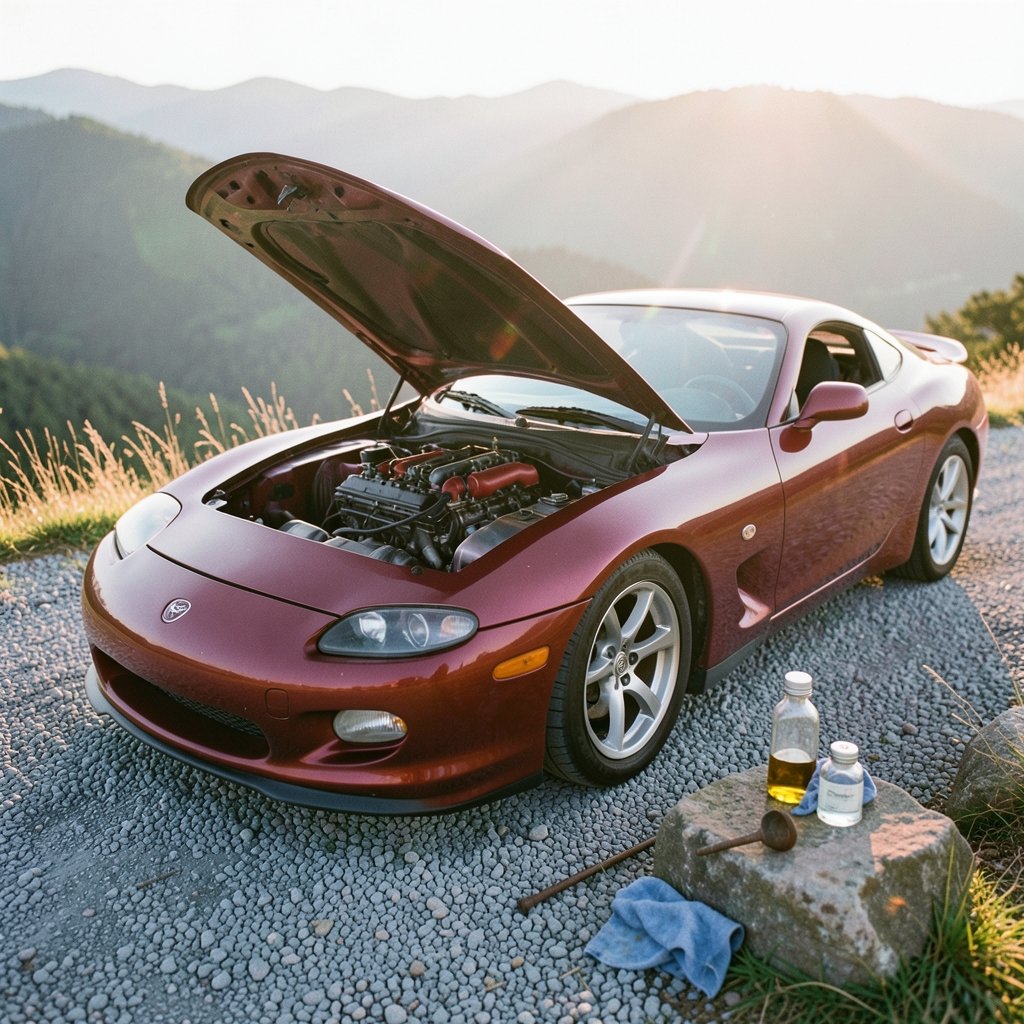
The Mazda RX-7 FD deserves special attention. Its twin-turbo rotary engine revs with a smoothness no piston engine matches, and its shape remains one of the most celebrated designs in automotive history. Rotaries demand attention, though. They consume oil by design, run hot, and punish neglect. Anyone tempted to buy one after watching the film should budget for specialist maintenance, not just purchase price.
Why These Cars Became Icons
The appeal isn’t purely mechanical. These cars arrived at a moment when Japanese performance engineering was at its peak, and the film captured that era just as it was ending. The Nissan Skyline GT-R R34, for example, represents a high-water mark for the breed, with its RB26DETT engine and sophisticated all-wheel-drive system. Its reputation was built on motorsport dominance, and the film cemented its status as a poster car.
There’s a practical reason these models dominate drift culture too. Rear-wheel drive, a strong chassis, and a deep aftermarket parts catalog are the three pillars of a usable drift build. Cars like the Silvia and RX-7 tick all three. All-wheel-drive machines like the GT-R and Evo are spectacular, but they drift differently, requiring more aggressive technique to break traction. That’s why you see far more S-chassis Nissans at amateur events than Skylines. For a broader look at how reviewers and enthusiasts evaluate these machines today, Voozon Cars — Reviews, Comparisons & Car Guides is a useful starting point. (The Fast and the Furious: Tokyo Drift)
What Actually Works When Building a Drift Car
Hollywood skips the unglamorous parts. In practice, building a reliable drift car is a sequence of trade-offs, and beginners usually get the order wrong.
- Start with the right chassis. A rear-wheel-drive car with a limited-slip differential and decent aftermarket support beats a faster car with none.
- Fix the cooling first. Drifting keeps engines at high load with low airflow through the radiator. Oil coolers and upgraded radiators prevent the failures that end track days early.
- Address the steering angle. Stock steering locks limit how far you can counter-steer. Modified knuckles and arms are common, but they change suspension geometry and need proper alignment.
- Upgrade the diff and clutch. A welded or aftermarket limited-slip differential makes slides predictable. A stronger clutch survives repeated clutch kicks.
- Invest in safety before power. A proper seat, harness, and roll protection matter more than another hundred horsepower.
- Tune the suspension for transition, not grip. Soft enough to transfer weight, stiff enough to stay stable at angle.
The most common mistake is chasing power first. A 300-horsepower car with sorted suspension and cooling will out-drive a 500-horsepower car that overheats and understeers. The second most common mistake is skipping tires. Drifters burn through rear tires fast, so budget for a steady supply of cheap, consistent rubber rather than one expensive set.
The Real Tokyo Drift Scene
Away from the film, Tokyo’s drift culture has its own rhythm. Mountain roads and industrial lots became informal gathering points, and the scene developed its own etiquette. The culture has always been as much about community as driving. That social dimension is part of why the film resonated: it showed a world with rules, hierarchies, and respect, not just speed.
That world has also faced pressure. Public-road drifting and large unauthorized meets have drawn police attention over the years, and enforcement has tightened around well-known gathering spots. The lesson for visitors is straightforward: legal circuits and sanctioned events exist, and using them keeps the culture alive. Spectators who show up at informal meets risk fines and contribute to the crackdowns that hurt everyone. For a deeper angle on how driving culture shapes the machines themselves, the cars built around experience explores why some vehicles become cultural touchstones rather than mere transport.
Movie Cars Versus Real Cars
It’s worth separating fantasy from fact. Film productions build multiple versions of each hero car: some are fully functional, some are shells on modified frames, and some are static display pieces. The car that looks fastest on screen may not even run under its own power. Production crews also swap engines and drivetrains for reliability, which is why fans who track down “the actual car” often find something different from what they expected.
This matters for buyers. A car advertised as a “Tokyo Drift style” build is a marketing description, not a provenance document. Authentic film cars are rare, documented, and expensive. Replicas are common and vary wildly in quality. If a listing leans on movie associations, ask for build records, engine details, and photos of the chassis. Vague answers are a red flag.
Buying a Japanese Drift Car Today
Prices for the film’s most famous models have climbed sharply. The Silvia S15, RX-7 FD, and Skyline GT-R have all become collector items, and clean examples command serious money. That has pushed many newcomers toward alternatives: the Nissan 350Z, the Mazda MX-5, and older BMW compacts, all of which offer rear-wheel drive at far lower cost.
Practical buying advice that experienced owners repeat:
- Inspect for rust first. Japanese cars in humid climates rot in the same places: sills, rear arches, and strut towers.
- Check compression and service history. Rotary and turbo cars live or die by maintenance records.
- Verify the differential and gearbox. Drift cars often carry welded diffs, which are fine for track use but miserable on the street.
- Beware the “built” car. Modified cars can be excellent or a patchwork of mismatched parts. Ask who did the work.
- Drive it before you buy. A car that drifts well may still be a poor daily driver, and vice versa.
For comparisons across these models and buying guides, Voozon Cars — Reviews, Comparisons & Car Guides – Voozon — Discover, Review & Explore covers the trade-offs in more detail.
Why the Film Still Matters
Two decades on, the movie’s influence is easy to measure. Search interest in the featured models spikes whenever the film resurfaces on streaming. Prices for S-chassis Nissans rose in step with their screen fame. More importantly, the film gave a global audience a vocabulary for a culture that had been largely invisible outside Japan.
The irony is that the movie’s most memorable driving was performed by specialists whose names never appeared in the credits. The stunt drivers were working professionals from the drift community, and their skill is what makes the sequences hold up. That’s the honest legacy: a Hollywood production that introduced the world to a genuine motorsport culture, then let that culture’s practitioners do the actual work.
Conclusion
Tokyo drift cars are a collision of engineering and storytelling. The Silvia S15, RX-7 FD, and Skyline GT-R earned their fame through real capability, and the film amplified that reputation into something global. But the practical reality of owning and building these cars is far less cinematic: cooling, suspension geometry, tire budgets, and rust inspection decide whether a project succeeds. The smartest approach is to enjoy the movie for what it is and approach the real machines with clear eyes. Pick a chassis that suits your budget, sort the fundamentals before chasing power, and drive at sanctioned events where the culture can thrive. The legend on screen is fixed. What you build in your garage is entirely up to you.
Frequently Asked Questions
What car is the main hero car in Tokyo Drift?
The hero car is widely identified as a Nissan Silvia S15, fitted with an engine swap and a distinctive orange-and-black livery. The S15 was never officially sold in the United States, which added to its mystique. Film productions typically build several versions of a hero car, so the on-screen machine may differ mechanically from a road-going S15.
Are the Tokyo Drift cars real or replicas?
Both. Some cars were fully functional builds capable of performing the driving sequences, while others were display shells or modified for camera work. Professional drifters handled the stunt driving, and cars were often adapted for reliability rather than maximum performance. This is why “movie car” claims in for-sale listings need documentation.
How much does a real Tokyo Drift-style car cost?
Prices vary enormously. Iconic models like the Silvia S15, Mazda RX-7 FD, and Skyline GT-R have become collector items and are expensive in clean condition. Affordable alternatives include the Nissan 350Z and Mazda MX-5. Budget for maintenance, tires, and safety equipment on top of the purchase price, since drift use accelerates wear.
Can you drift an all-wheel-drive car like the Skyline GT-R?
Yes, but it behaves differently. All-wheel-drive cars need more aggressive inputs to break traction and tend to recover grip faster. Rear-wheel-drive platforms remain the standard for drift builds because they offer more predictable, sustained slides. The GT-R’s reputation comes from grip and motorsport success rather than drift-specific design.
What is the most common mistake when building a drift car?
Chasing horsepower before addressing cooling, suspension, and safety. Drifting keeps engines under high load with limited airflow, so overheating ends sessions early. Sorting the differential, steering angle, and alignment first produces a more usable car. Tire budget is the other frequent oversight, since rear tires wear quickly.
Is street drifting in Tokyo legal?
No. Public-road drifting and unauthorized large meets are subject to police enforcement, and authorities have tightened attention on well-known gathering spots. Legal circuits and sanctioned events are the appropriate venues. Spectating at informal meets carries risks for participants and spectators alike, and it contributes to restrictions that affect the wider community.