
What Is Surrealism in Art? Dreams & Automatism Explained
 Abdul WadoodLast updated
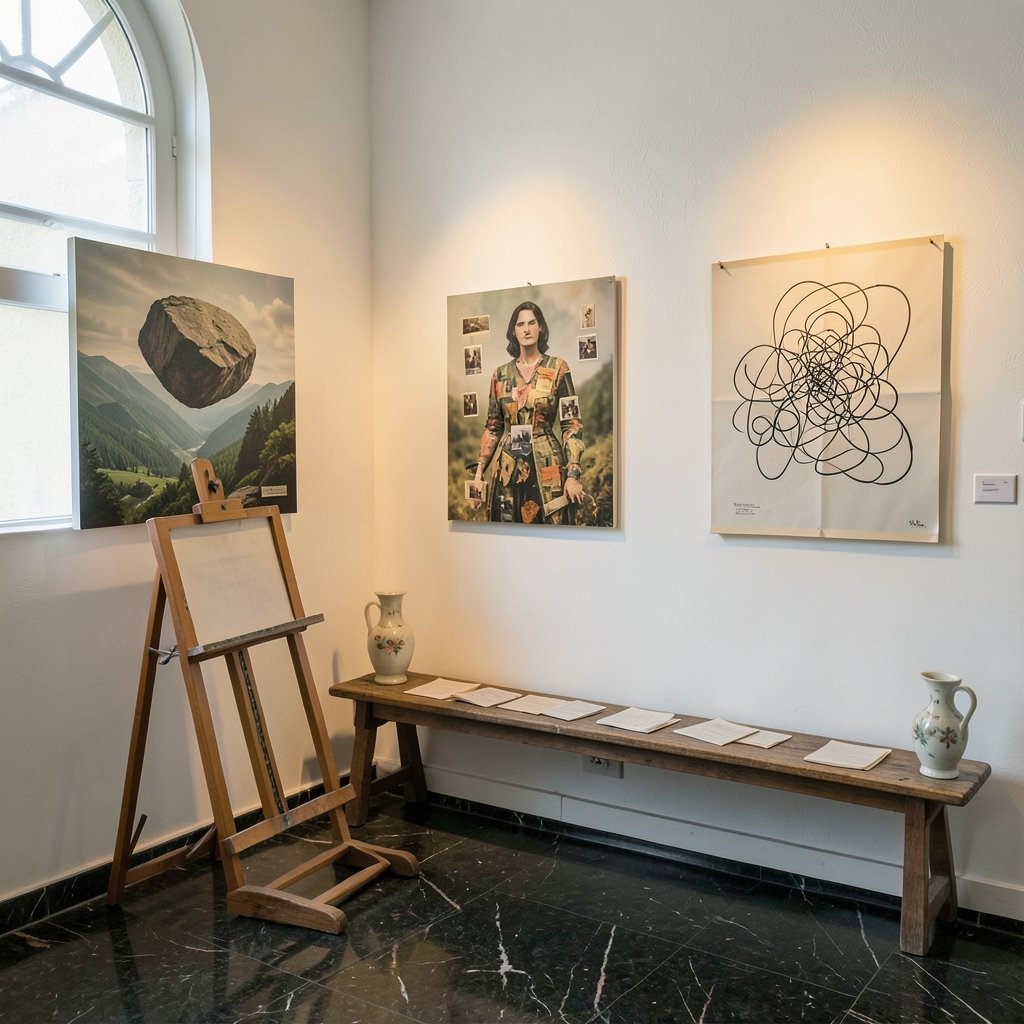
Quick Answer: What is surrealism in art?
Surrealism is an art movement launched in Paris in 1924, when writer André Breton published his Manifeste du surréalisme. It set out to express the real functioning of thought, free from the control of reason and aesthetic or moral concerns, and it produced dreamlike paintings, automatic drawings, collages, and photographs. (Surrealism)
The movement grew out of Dada and drew heavily on Freudian ideas about the unconscious. It is not the same as fantasy art or generic “weird” imagery, even though the word is often borrowed that way. Before judging any surrealist work, compare its date, its technique (automatism versus illusionistic dream scenes), the artist’s relationship to Breton’s circle, and whether the label is being used historically or loosely.
A Movement Born From Ashes
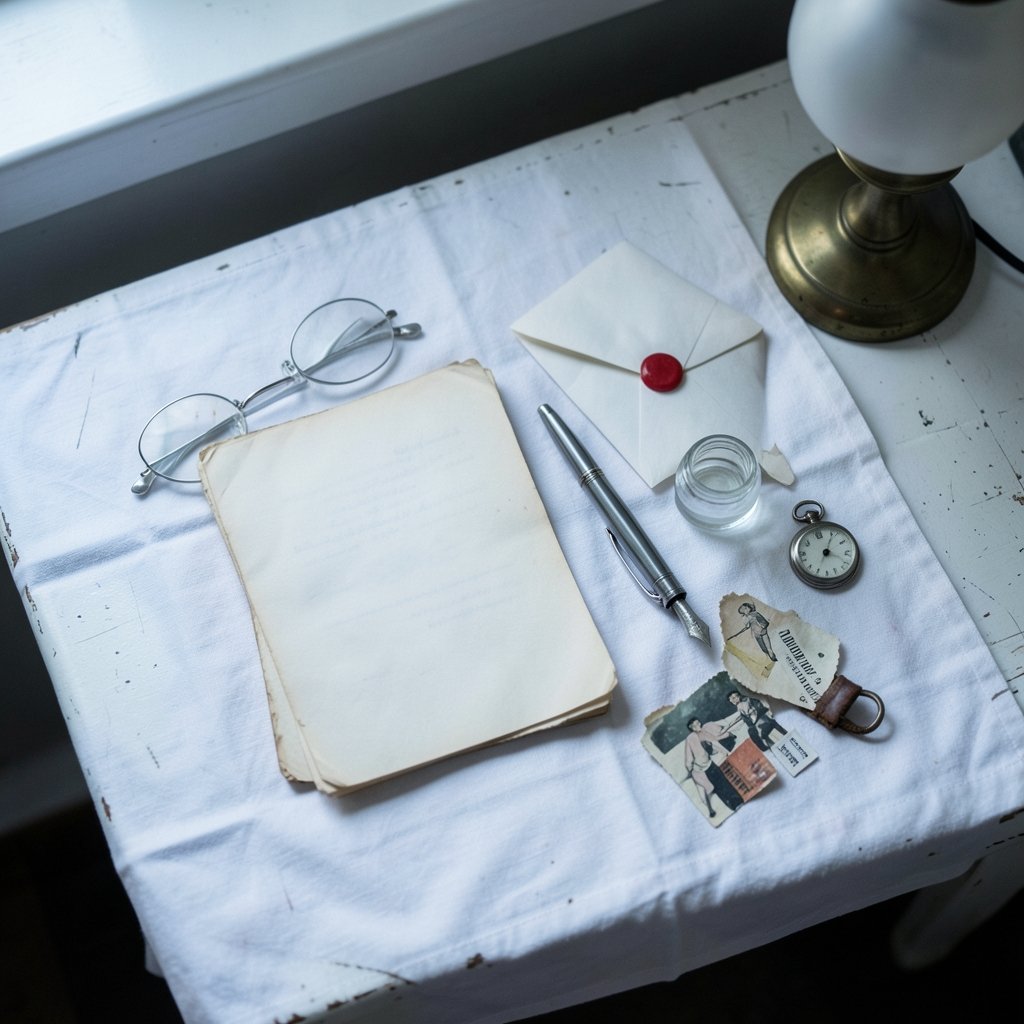
Europe emerged from World War I shattered, and a group of writers and artists in Paris decided that rational thinking had failed spectacularly. Their answer was to stop trusting reason altogether. André Breton, a former medical student who had worked with shell-shocked soldiers, published the Manifeste du surréalisme in October 1924, formally launching the movement.
The timing matters. Surrealism did not appear out of nowhere. It inherited the provocations of Dada, which had used absurdity to mock the very civilization that produced the war. What Breton added was a program: a disciplined, almost scientific attempt to reach the parts of the mind that logic keeps locked away. That ambition, more than any single style, is what defines the movement.
Breton’s Definition and the Idea of Psychic Automatism
Breton’s manifesto described surrealism as pure psychic automatism — the attempt to express the actual functioning of thought, in writing, in speech, or by any other means, without the interference of reason. It was less a style than a method for getting past the censor in your own head.
In practice, that meant techniques like automatic writing, where the hand moves faster than conscious editing can keep up. Visual artists adapted the idea to drawing, letting lines wander without a plan. This is one of the most misunderstood points about the movement: the dream imagery people recognize today was only one branch of surrealist practice, and a contested one at that.
How Surrealist Artists Actually Worked
Surrealist techniques fall into two broad camps, and knowing the difference changes how you look at the work.
Automatism and the “automatic” techniques
Artists developed hands-on methods to short-circuit deliberate control. Max Ernst scraped and rubbed surfaces to produce frottage and grattage textures. Others pressed wet paint between sheets to create decalcomania. Joan Miró’s biomorphic forms often began as automatic marks that later crystallized into figures. The goal was to let chance and the unconscious supply the composition.
Illusionism and the dream painting
The other camp used meticulously realistic painting to render impossible scenes. Salvador Dalí and René Magritte painted with the precision of a technical illustrator so the irrational content would land with maximum force. A melting clock or a floating man in a bowler hat works because it is painted so convincingly.
| Approach | Key figures | Method | What it looks like |
|---|---|---|---|
| Automatism | Max Ernst, Joan Miró, André Masson | Chance procedures, rapid unplanned marks, frottage, grattage | Loose, textured, biomorphic, improvisational |
| Illusionism | Salvador Dalí, René Magritte, Yves Tanguy | Precise, academic painting of irrational scenes | Sharp, dreamlike, photographically convincing |
| Photography and object-making | Man Ray, Meret Oppenheim | Rayographs, photomontage, assembled objects | Uncanny everyday things made strange |
Both camps shared the same engine: the unconscious as a source of images that reason would never produce.
The Artists Who Defined the Movement
The roster is long, but a few names anchor the story. Dalí brought showmanship and a genius for self-promotion. Magritte brought philosophical wit, quietly dismantling how language and pictures relate. Ernst brought restless experimentation. Miró brought playfulness and a visual vocabulary that feels almost biological. Man Ray pushed photography into strange territory with his rayographs. Leonora Carrington, whose dreamlike narratives and fierce independence have earned growing attention in recent decades, shows how the movement’s margins were often its most inventive territory.
That last point deserves emphasis. Breton ran the group with something close to papal authority, issuing manifestos, excommunicating members, and shaping who counted as officially surrealist. A second manifesto followed in 1929, and the disputes around it reveal a movement that was internally contested rather than a single unified front. Carrington, like several women associated with the group, was sometimes treated as peripheral by Breton’s circle even as her work became central to the movement’s legacy.
From Paris to the World
The first Surrealist group exhibition was held in Paris in 1925 at the Galerie Pierre, according to standard art-historical accounts, though the exact claim of “first” is debated among scholars. Through the 1930s the movement went international. The International Surrealist Exhibition opened in London in June 1936, bringing the ideas to a British audience already primed by Freud’s popularity.
Then politics intervened. Many surrealists fled Europe during World War II, and a number landed in New York. Their presence there is widely credited with influencing the rise of Abstract Expressionism, though historians argue about how strong that causal link really is. What is not in doubt is the transmission of ideas: automatism, chance, and the authority of the unconscious crossed the Atlantic and reshaped American painting.
Surrealism also seeped into adjacent creative fields. Its influence on fashion, advertising, and image-making is easy to trace once you start looking — the logic of the unexpected juxtaposition shows up everywhere from perfume campaigns to editorial photography, a lineage explored in this piece on the art of modern fragrance. The movement’s fingerprints are equally visible in the way contemporary art still borrows dream logic and deliberate dislocation, and in broader art, design, and modern trends that treat the uncanny as a design tool rather than a scandal.
Why “Surreal” Got So Confusing
Here is where most readers get tripped up. In everyday speech, “surreal” means anything odd, dreamlike, or bizarre. That loose usage is anachronistic. A fantasy illustration of a dragon is not surrealist. A movie with a strange plot twist is not automatically surrealist either.
Historical surrealism has specific commitments: automatism as a method, the unconscious as a subject, and a rejection of rational aesthetic rules. When the word gets applied to anything unusual, it loses the very meaning that made the movement radical. The distinction is worth keeping, because it separates genuine art-historical classification from marketing shorthand.
The same pattern shows up in other fields where a technical term escapes into casual use. People talk about “rare” traits or “natural” products with the same looseness, as this look at why red hair is rare and what the real science says demonstrates — precision matters when a label carries real meaning.
Practical Tips for Looking at Surrealist Art
Knowing the history helps, but the movement rewards a specific kind of attention. A few habits make gallery visits and reading far more rewarding.
- Ask what method produced the image. Was it automatic, chance-based, or meticulously planned? That single question tells you which branch of surrealism you are looking at.
- Look for the ordinary made strange. Surrealists rarely invented new objects; they displaced familiar ones. A pipe, a shoe, a telephone — the uncanny comes from context, not novelty.
- Check the date. A work from 1925 sits in a different conversation than one from 1945 or 1965. Context changes meaning.
- Notice the title. Magritte’s titles often work against the image deliberately, and that friction is part of the piece.
- Read the manifesto, not just the paintings. Breton’s text is short, strange, and clarifying. It explains why the movement cared more about process than product.
Common mistakes are easy to avoid. Treating surrealism as a synonym for “weird” flattens it. Assuming every dreamlike painter was a card-carrying member of Breton’s group is another error, since the circle was small and exclusionary. And judging the movement by Dalí alone misses most of what it actually was.
Surrealism’s Long Afterlife
The movement’s formal end is often dated to Breton’s death in 1966, but activity continued and revived in later decades. More importantly, its methods outlived its manifestos. Automatic drawing, collage, photomontage, and the deliberate collision of unrelated images became standard tools in advertising, film, graphic design, and contemporary art.
That persistence is the real measure of the movement. Surrealism did not just produce a shelf of famous paintings. It changed the assumption that art should depict the world as it appears. Once the unconscious became a legitimate source of imagery, the door stayed open, and it has never fully closed.
Conclusion
Surrealism is best understood as a method rather than a look. Breton’s 1924 manifesto proposed that the unconscious held material worth reaching, and the artists around him built techniques — automatic drawing, frottage, illusionistic dream painting, photomontage — to get there. The result was a movement that was internally contested, internationally ambitious, and far stranger than the “weird art” label suggests. Look for the method behind the image, check the date, and read the manifesto. The paintings will make more sense, and the word will stop meaning everything and start meaning something again.
Frequently Asked Questions
Is surrealism the same as Dada?
No. Dada came first and used absurdity and provocation to attack rational culture, especially in the wake of World War I. Surrealism grew out of Dada but added a program: a systematic attempt to access the unconscious through automatism and related techniques. Dada was largely destructive in spirit; surrealism was constructive, building a method for producing art from the irrational. (Surrealism)
Who wrote the surrealist manifesto?
André Breton published the Manifeste du surréalisme in Paris in October 1924. He defined surrealism as pure psychic automatism, aiming to express the real functioning of thought without the interference of reason or moral and aesthetic concerns. A second manifesto followed in 1929, and the disputes surrounding it showed how contested the movement’s direction had become.
Why is Salvador Dalí so associated with surrealism?
Dalí’s precise, illusionistic painting style made irrational scenes feel photographically real, and his flair for publicity kept him in the public eye. That combination made him the movement’s most recognizable figure. But surrealism was much broader than Dalí, and his relationship with Breton’s circle was complicated, to put it mildly.
What techniques did surrealist artists use?
The main techniques included automatism (unplanned drawing and writing), frottage and grattage (rubbing and scraping surfaces to generate textures), decalcomania (pressing wet paint between surfaces), photomontage and rayographs, and meticulously realistic painting of dreamlike scenes. The common thread was bypassing deliberate, rational control.
Is surrealism still alive today?
The organized movement is usually dated to Breton’s death in 1966, but its methods never disappeared. Automatic mark-making, collage, photomontage, and the jarring juxtaposition of unrelated images are now standard in advertising, film, design, and contemporary art. In that sense, surrealism won: its techniques became part of the visual grammar everyone uses.
How can I tell if a painting is actually surrealist?
Check three things: the date, the method, and the artist’s relationship to the historical movement. A work made in the 1920s or 1930s using automatism or illusionistic dream imagery, by an artist connected to Breton’s circle, fits the historical definition. A modern illustration of something strange may borrow the look without sharing the method or the ideas behind it.