
Subaru Cars Dealership Guide: How the Network Works
 Abdul WadoodLast updated

Subaru sells well over half a million vehicles in the United States in a typical year, and almost every one of them rolls off a franchised dealer lot rather than a factory store. That single fact shapes nearly everything about the Subaru buying experience: who owns the building, how prices get set, why your salesperson keeps mentioning the “Love Promise,” and why the same Outback can cost thousands more twenty miles down the road. (Subaru)
This guide breaks down how Subaru dealerships actually operate, what to expect at each stage of a visit, where buyers routinely lose money, and how to walk out with a fair deal. It is written for people who want to understand the system before they set foot in it, not after they have signed something.
What a Subaru Dealership Actually Is
A Subaru dealership is an independently owned franchise business. Subaru of America, Inc. distributes vehicles in the U.S. and licenses dealers to sell and service them under the brand’s name, but the individual stores are separate companies. That distinction matters more than most shoppers realize.
Because each store is its own business, you are not negotiating with Subaru. You are negotiating with a local operator who buys inventory from the distributor, pays for the building, employs the staff, and answers to state licensing boards. The brand sets standards for facilities, training, and customer treatment. The dealer sets the actual price.
That is why two Subaru stores in the same metro area can quote wildly different numbers on an identical vehicle. The manufacturer’s suggested retail price is a starting point, not a rule.
Franchise Rules Shape What You See
State franchise laws, which vary considerably from one state to the next, govern how manufacturers and dealers interact. These laws generally protect dealers in ways that limit how much control the brand can exert over retail pricing. For a plain-language overview of how franchising is regulated in the U.S., the Federal Trade Commission’s franchise resources are a useful starting point.
The Departments You’ll Walk Through
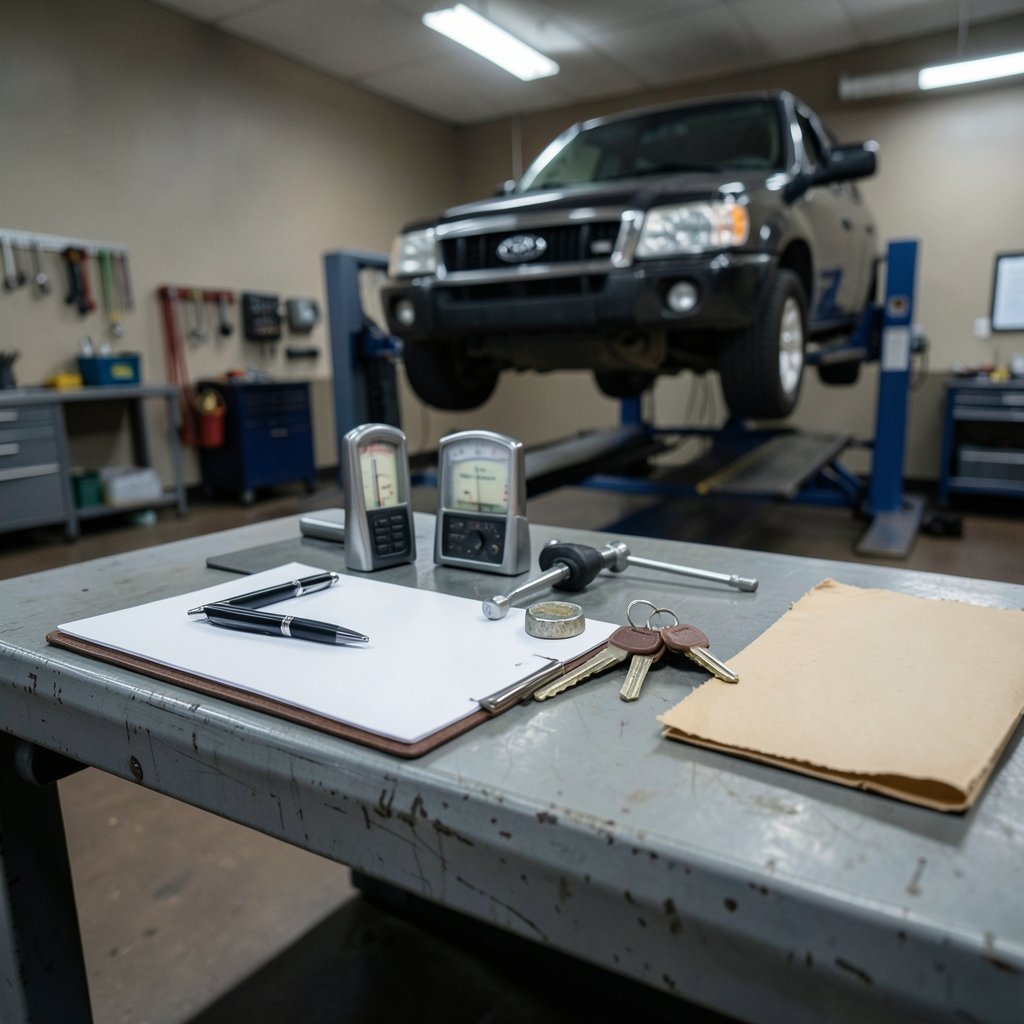
Most Subaru stores follow the same layout, and knowing the sequence helps you anticipate the pressure points.
| Department | What Happens There | Where Buyers Get Tripped Up |
|---|---|---|
| Sales floor | Vehicle selection, test drives, negotiation | Quoting monthly payment instead of total price |
| Finance and insurance (F&I) | Loan paperwork, add-on products | Bundling extras into the loan without clear disclosure |
| Service | Maintenance and repairs | Approving recommended work without a second opinion |
| Parts | Accessories and replacement components | Paying dealer markup on items available elsewhere |
| Delivery | Final handover, feature walkthrough | Skipping the walkthrough and missing setup details |
The F&I office is where the most money changes hands fastest. A monthly payment that looks comfortable can hide a long loan term, a high interest rate, or products you did not ask for. Always ask for the out-the-door price in writing before discussing monthly figures.
New Versus Certified Pre-Owned
Subaru’s certified pre-owned program adds an inspection process and extended coverage to used vehicles that meet age and mileage requirements. For shoppers comparing new and used, the certified route often lands in a sweet spot: depreciation has already happened, but warranty protection remains. If you are weighing models and trims, the reviews and comparisons at Voozon Cars can help you narrow the field before you visit a store.
How Pricing Really Works at a Subaru Store
Three numbers drive every Subaru negotiation, and confusing them is the most common and expensive mistake buyers make.
- Invoice price. What the dealer pays the distributor, before holdback and incentives. Useful context, not a target.
- Manufacturer’s suggested retail price. The sticker. A reference point only.
- Out-the-door price. Vehicle plus taxes, title, registration, and any dealer fees. This is the only number that matters.
Ask for the out-the-door figure in writing at the start of negotiations. Dealers who resist are telling you something useful.
The Add-On Problem
Dealer-installed extras are a major profit center. Common examples include paint protection, fabric coating, nitrogen-filled tires, wheel and tire coverage, and gap insurance. Some have genuine value for some buyers. Many are marked up heavily or duplicate coverage you already have through your auto insurer.
The practical rule: decline everything at the desk, go home, and decide what you actually want. Anything you still want a week later can usually be purchased separately, often for less. Gap insurance, in particular, is frequently available from lenders and insurers at lower cost.
Timing and Inventory
Inventory pressure moves prices. End of month, end of quarter, and end of model year are the classic windows when dealers are more motivated. The flip side is that selection shrinks as those windows close. If you want a specific trim and color, waiting for a discount can cost you the vehicle entirely.
Practical tip: check a store’s listed inventory online before visiting, then call to confirm the vehicle is physically on the lot. Listings lag reality, and “just sold” is a common redirect to something pricier.
What the Ownership Experience Adds
Subaru’s brand positioning leans heavily on all-wheel-drive capability, safety ratings, and outdoor-oriented marketing. That identity shows up in the showroom: expect floor displays built around adventure gear, pet-friendly messaging, and community partnerships rather than pure luxury cues. The brand’s approach to building vehicles around use and experience rather than spec sheets is explored in the cars built around experience, which is worth reading if you want to understand why owners tend to be loyal.
That loyalty has a practical consequence at trade-in time. Strong resale values mean used Subarus hold price well, which helps sellers and hurts buyers of late-model used examples. If the gap between a two-year-old certified vehicle and a new one is small, the new vehicle often wins on financing rates and warranty.
Service After the Sale
Dealership service departments are convenient but rarely the cheapest option. Warranty work and software updates generally belong at the dealer. Routine maintenance like oil changes and tire rotations can often be handled by an independent shop without affecting your warranty, as long as the work is documented and meets the manufacturer’s specifications.
Keep every receipt. If a warranty dispute arises, documentation is your leverage.
Common Mistakes Buyers Make
A few patterns show up again and again, and each one is avoidable.
- Negotiating on payment instead of price. It lets the dealer stretch the loan term to hit your number.
- Trading in before researching value. Get an independent quote first so the trade-in offer has a benchmark.
- Skipping the pre-purchase inspection on used cars. Even certified vehicles deserve a look, especially older ones.
- Buying on the first visit. Test drives are free. Pressure to sign the same day is a sales tactic, not a deadline.
- Ignoring the total cost of ownership. Insurance, fuel, tires, and maintenance vary meaningfully across models.
A Better Sequence
- Set a total budget, not a monthly payment.
- Get pre-approved financing from a credit union or bank before shopping.
- Research the specific model and trim using independent reviews, such as the model comparisons at Voozon Cars — Reviews, Comparisons & Car Guides.
- Request out-the-door quotes from two or three stores by email.
- Test drive, then leave. Sleep on it.
- Negotiate the trade-in separately from the purchase price.
- Decline add-ons at the desk and revisit them later.
- Read the finance paperwork line by line before signing.
That sequence is unglamorous and it works. The buyers who get the best deals are almost never the ones who negotiate hardest. They are the ones who arrive prepared and are willing to walk away.
The Community Angle
Subaru dealers participate in the brand’s Love Promise community programs, which involve local charitable and environmental initiatives. For some buyers this matters; for others it is background noise. Participation is a dealer-level commitment, so the substance varies by store. If community involvement matters to you, ask specific questions about what the local store actually does rather than relying on signage.
How to Choose Between Stores
When several Subaru dealers are within reach, compare them on the things that persist after the sale:
- Service department hours and loaner availability
- Reputation for handling warranty claims without friction
- Whether quotes arrive promptly and in writing
- Distance from home or work, which matters more than people expect
- Staff turnover, a rough proxy for how the store treats people
Price gets you in the door. Service keeps you coming back, and for most owners that relationship lasts years.
Conclusion
A Subaru dealership is a locally owned business operating under a national brand’s standards, and understanding that structure is the single biggest advantage a shopper can have. The brand controls the product, the training, and the facility expectations. The dealer controls the price, the add-ons, and the service experience. Once you know which lever belongs to whom, the whole process gets simpler.
The buyers who do best are not the loudest negotiators. They are the ones who arrive with financing in hand, ask for out-the-door numbers in writing, decline add-ons on the spot, and treat the first visit as research rather than a commitment. None of that requires special knowledge. It requires a plan and the willingness to leave.
Subaru’s vehicles earn their reputation for capability and resale value. The dealership experience around them is a separate product, and it is one you get to evaluate before you buy.
Frequently Asked Questions
Are Subaru dealerships owned by Subaru?
No. Subaru of America distributes vehicles and licenses independently owned franchise businesses to sell and service them. Each store is a separate company responsible for its own pricing, staffing, and operations, which is why quotes vary so much between locations.
Can I negotiate the price at a Subaru dealership?
Yes. The manufacturer’s suggested retail price is a reference point, not a fixed price. Dealers set their own numbers based on inventory, demand, and local competition. Asking for out-the-door quotes from multiple stores in writing is the most effective approach.
Is it cheaper to buy a Subaru at the end of the month?
Often, yes, because sales targets and inventory pressure create more room to negotiate near reporting deadlines. The tradeoff is reduced selection. If you need a specific trim or color, waiting for a discount can mean losing the vehicle you wanted.
Do I have to service my Subaru at a dealership?
No. Routine maintenance can generally be performed by any qualified independent shop without voiding your warranty, provided the work meets the manufacturer’s specifications and you keep documentation. Warranty repairs and software updates are usually best handled at a dealer.
Are Subaru certified pre-owned cars worth it?
They can be, especially when the price gap to a new vehicle is small and the certified coverage is strong. Compare the certified price against both a new model with current financing incentives and a private-party equivalent before deciding.
What add-ons should I decline at the finance office?
Paint protection, fabric coating, nitrogen tire fills, and duplicate coverage are the usual suspects. Gap insurance and extended service contracts deserve a closer look, but compare prices from your insurer or lender first. Declining everything at the desk and deciding later costs nothing.
Two final considerations round out the picture. First, ask about allocation: high-demand models sometimes arrive in limited numbers, and a store’s honesty about wait times tells you a lot about how it operates. Second, confirm the doc fee in writing before you commit, since it varies widely by state and is rarely negotiable. Neither point is glamorous, but both affect the number you actually pay. With financing arranged, quotes in hand, and add-ons deferred, you are ready to visit with clear eyes.