
Storage for Cars Near Me: Pick the Right Spot in 2026
 Abdul WadoodLast updated
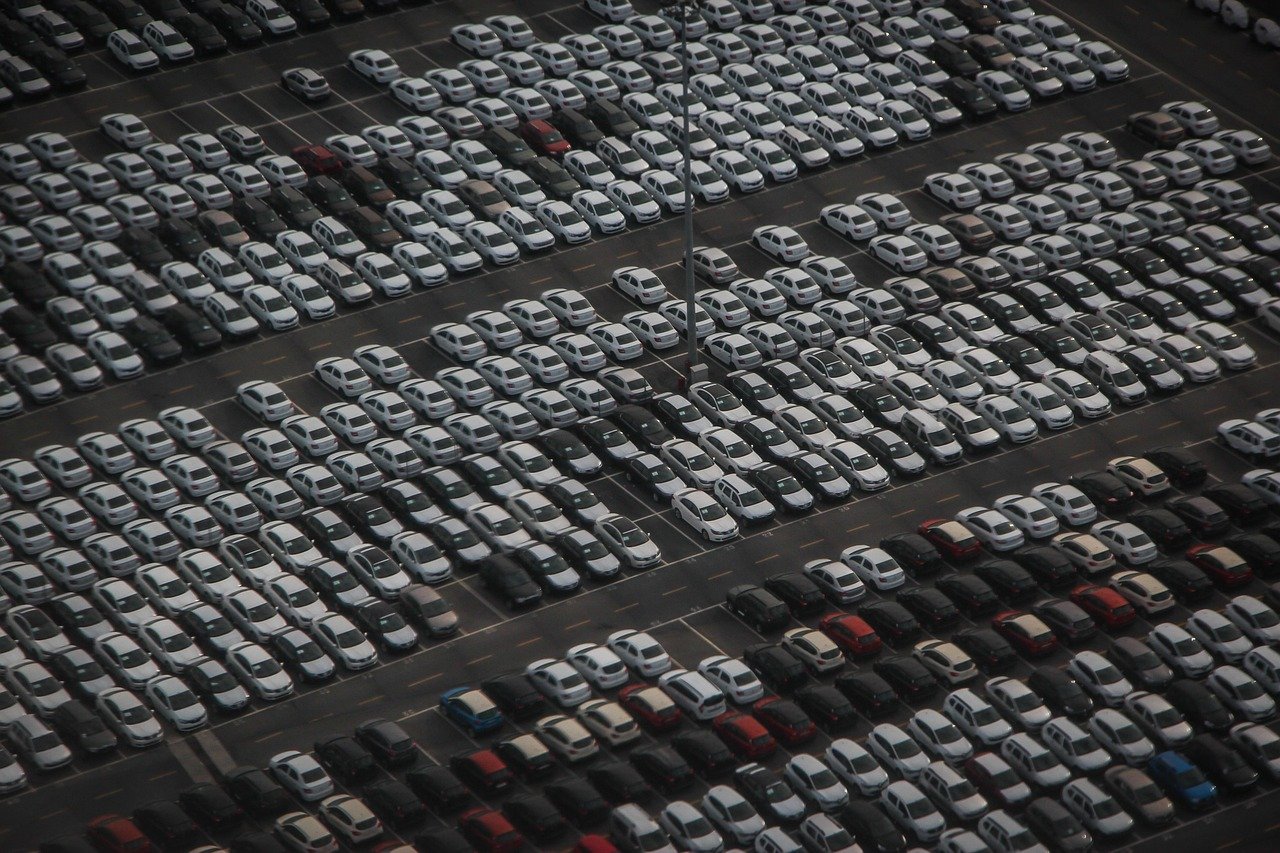
A car that sits still is not saving you money. It is quietly losing value, draining insurance, and collecting problems. Tires flat-spot, batteries die, brake rotors rust, and seals dry out. That is why so many owners eventually type “storage for cars near me” into a search bar, usually in a mild panic before a move, a deployment, a long trip, or a winter that promises salt and ice.
The search itself is easy. The decision behind it is not. Two facilities a mile apart can offer wildly different protection, contracts, and access rules. This guide walks through what actually matters, what people get wrong, and how to compare options without getting lost in marketing language.
Why people suddenly need car storage
The reasons are more varied than most people assume. A household adds a third vehicle and the driveway runs out of room. A classic car owner wants to protect a restoration from sun and rain. A snowbird heads south for five months and does not want to pay full insurance on a car sitting idle. A municipality or homeowners association cracks down on an unregistered project car parked on the street.
Zoning and HOA rules commonly restrict storing inoperable or unregistered vehicles on residential property, and enforcement tends to be complaint-driven. That single fact drives a surprising share of off-site storage demand. When a neighbor files a complaint, the clock starts ticking, and the owner needs a bay fast.
There is also the seasonal pattern. In cold-weather regions, covered storage fills up in late autumn. In hot, sunny regions, the opposite problem appears: UV damage and heat bake paint and interiors year-round. Either way, demand spikes, and the best spots go first. Waiting until the first freeze is a mistake that shows up on every storage forum.
The four main types of car storage
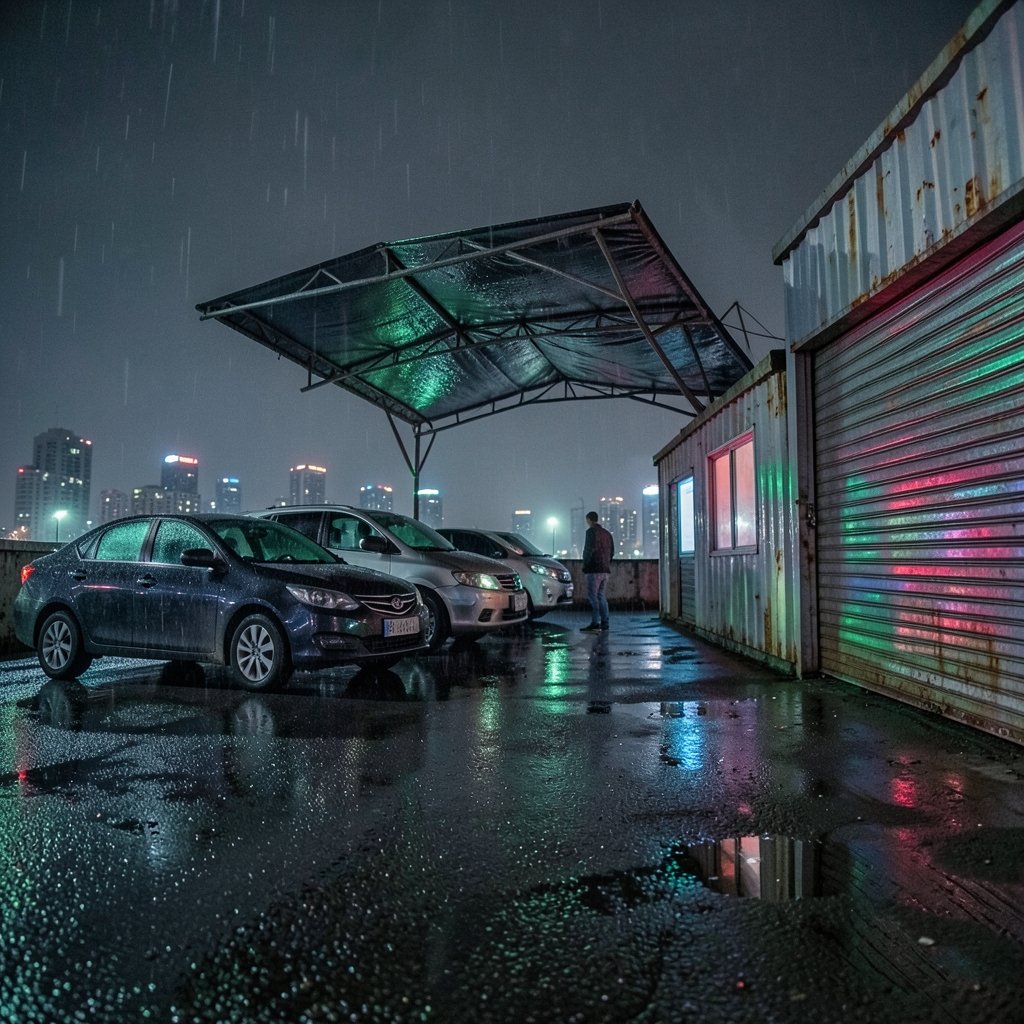
Not all storage is the same, and the price gap between tiers is usually smaller than the protection gap. Here is how the options compare in practice.
| Type | Protection level | Typical cost | Best for |
|---|---|---|---|
| Outdoor lot | Minimal | Lowest | Short-term, low-value vehicles |
| Covered canopy | Moderate (sun, hail, leaves) | Low to mid | Daily drivers, short seasons |
| Enclosed unit | High (weather, theft, dust) | Mid to high | Classic cars, long-term storage |
| Climate-controlled | Highest (temperature, humidity) | Highest | Restorations, exotics, humid climates |
An uncovered lot is basically a rented parking space. It keeps the car off the street and away from enforcement, and that is about it. Rain, hail, tree sap, bird droppings, and sun all keep working on the paint. (Parking)
A covered canopy blocks overhead falling objects and direct sun, but wind-driven rain still reaches the vehicle. Enclosed units solve weather and most security concerns. Climate control adds stability for rubber, leather, electronics, and paint, which matters most in humid regions where mildew can take hold inside a sealed car.
The practical rule: match the tier to the car’s value and the length of storage. A three-week trip does not justify a climate-controlled unit. An eighteen-month restoration project absolutely does.
What to check before you sign anything
The contract is where most regret gets created. Storage agreements are generally written to protect the operator, and the details buried in the fine print matter more than the monthly rate on the sign.
Access terms. Some facilities allow drive-up access during business hours. Others require 24-hour notice, or limit access to weekdays. If you plan to start the car monthly or take it out for a weekend, confirm access rules in writing.
Insurance and liability. Storage rent almost never includes coverage for your vehicle. Most facilities require proof of insurance, and many post signs disclaiming responsibility for damage or theft. Check with your auto insurer about whether your policy covers a stored, non-driven vehicle, and whether you need a specific endorsement. This is the single most overlooked step.
Lien and default rules. Self-storage law is generally handled at the state level, and vehicle storage sometimes falls under separate provisions from household goods. If you fall behind on rent, the operator may have the right to place a lien and eventually sell the vehicle after a notice process. Read that clause carefully. It is not theoretical.
Vehicle condition rules. Many facilities prohibit storing vehicles that leak fluids, and some ban inoperable cars outright. Arriving with a project car that does not run can get you turned away at the gate.
Security specifics. Ask directly: cameras, fencing, gate codes, on-site staff hours, lighting. “Secure facility” is a marketing phrase, not a specification.
How to search smarter, not harder
A plain “storage for cars near me” query returns a map full of pins, and the ranking order shifts constantly with location, date, and reviews. Treat any list as a starting point, not a verdict.
A few habits separate a smooth search from a frustrating one:
- Search by the storage type you need, rather than only the generic term. “Enclosed car storage” and “climate-controlled vehicle storage” return different results than “car storage.”
- Call before driving over. Availability changes weekly, and online booking calendars are often stale.
- Visit in person at the time of day you would normally access the car. A lot that feels safe at noon can feel very different at 9 p.m.
- Ask what happens during snow removal, lot maintenance, or gate outages.
- Get the total monthly cost in writing, including any admin fee, deposit, or required lock purchase.
The same discipline applies to other local-service searches. If you have ever compared salons or supply shops, the process is familiar: verify, visit, and read the fine print. A practical guide to finding hair salons near me makes the same point about local search results being a starting map rather than a final answer. The pattern holds for storage: the facility that ranks first is not automatically the one that fits your car.
For owners juggling multiple errands and vehicles, it also helps to think about how the whole trip fits together. A resource like Voozon Cars organizes reviews and comparisons in one place, which saves time when you are cross-checking storage options against insurance and maintenance schedules.
Preparing the car before it goes in
What you do in the hour before storage determines what you find months later. This is where first-hand experience from long-term owners is worth more than any brochure.
- Wash and wax it. Dirt holds moisture. A clean, sealed surface resists corrosion far better.
- Fill the tank. A full tank limits condensation and fuel degradation. Add a fuel stabilizer if storage exceeds a couple of months.
- Change the oil first. Used oil contains acids and contaminants that sit against engine internals.
- Inflate tires above normal pressure. This reduces flat-spotting. Better yet, put the car on jack stands if the facility allows it.
- Disconnect or trickle-charge the battery. Parasitic drain kills batteries quietly.
- Clean the interior and seal it against pests. Crumbs attract rodents. Steel wool in the air intake and exhaust is an old, effective trick.
- Leave the parking brake off. Brake pads can bond to rotors over months of sitting.
- Cover it with a breathable cover. Plastic tarps trap moisture and cause more harm than good.
The most common mistake is skipping the battery and the tires. Owners return to a car that will not start and rides on four flat spots. Both problems are preventable in under an hour.
Cost expectations and what drives the price
Storage pricing varies enormously by region, unit size, and tier. Dense urban markets charge more because land is expensive. Rural areas near highways charge less. Climate-controlled enclosed units cost the most, and a single-car garage-style unit typically costs more than a shared warehouse bay.
Beyond rent, budget for the extras: insurance coverage if your policy needs an endorsement, a padlock, fuel stabilizer, a quality cover, and possibly a jump pack. Add the cost of a pre-storage wash and oil change if you are not doing them yourself.
There is a less obvious cost, too: opportunity. A car in storage for a year is not being driven, and cars that sit still develop problems that cost money to fix later. Storage is a tool for protecting value, not a substitute for using the vehicle. Owners who plan a monthly start-and-roll session, even just twenty feet forward and back, tend to have far fewer surprises. If access rules make that impossible, weigh that against the savings.
Mistakes that show up again and again
A few patterns repeat across storage forums and facility managers’ stories.
Choosing on price alone. The cheapest lot often has the weakest fencing and no cameras. The difference in monthly cost rarely justifies the risk on a valuable car.
Ignoring the contract. Renters discover lien provisions, access limits, and liability waivers only after a problem appears. Read the agreement before signing, and ask for clarification on anything ambiguous.
Assuming insurance travels with the car. It does not work that way for stored vehicles. Confirm coverage with your insurer in writing.
Storing a leaking or inoperable car without asking. Many facilities prohibit it, and arriving with one creates a scene at the gate.
Forgetting about registration and inspection deadlines. Some jurisdictions require vehicles to remain registered or insured even when stored off-road. Check local rules before letting anything lapse.
Not documenting condition. Photograph the car inside and out on move-in day. It protects you in any later dispute over damage.
For readers who also manage other vehicle-related errands, the same “verify before committing” mindset applies across the board, whether you are comparing car experiences and ownership guides or evaluating service providers. Local search rewards preparation, not speed.
Matching storage to your situation
The right choice depends on three variables: how long, how valuable, and how often you need access.
For a two-week trip, an outdoor or covered spot near home is fine. For a seasonal storage pattern, such as parking a convertible through winter, a covered or enclosed unit with easy access makes the monthly start-and-roll routine practical. For a long-term project car or a vehicle you plan to keep for decades, climate control and a documented, insured facility are worth the premium.
Owners in humid climates should weight climate control more heavily than owners in dry ones. Owners in snowy regions should confirm snow removal plans. Owners in dense cities should confirm that the facility allows the vehicle type at all, since some urban garages cap vehicle length or ban non-running cars. (Driver and Vehicle Licensing Agency)
One more consideration: distance. A facility forty minutes away saves money on paper but costs time on every visit. If you plan monthly check-ins, proximity has real value. If the car will sit untouched for a year, distance matters less.
Conclusion
Searching for storage for cars near me is the easy part. The work is in the questions that follow: what tier of protection the vehicle actually needs, what the contract says about access and liability, whether your insurance covers a stored car, and how you will prepare the vehicle before the door closes. Get those right, and storage becomes a quiet, boring arrangement that protects an asset. Get them wrong, and it becomes an expensive lesson in fine print.
Start with a clear-eyed assessment of the car’s value and your access needs. Call ahead, visit in person, read the agreement, and photograph everything on move-in day. Do that, and the car you retrieve will be the car you parked, minus a few months of depreciation you planned for.
Frequently Asked Questions
How much does car storage cost per month?
Pricing varies widely by region, unit type, and demand. Outdoor spaces are the cheapest, covered spots sit in the middle, and enclosed or climate-controlled units cost the most. Always ask for the total monthly figure including any admin fees, deposits, or required lock purchases, since the advertised rate is rarely the final number.
Does my auto insurance cover a car in storage?
Usually not automatically, and storage rent almost never includes coverage for your vehicle. Many facilities require proof of insurance and disclaim liability for damage or theft. Contact your insurer before storing the car and confirm in writing whether your policy covers a stored, non-driven vehicle or whether you need an endorsement.
Can I store a car that does not run?
It depends on the facility. Many prohibit inoperable or leaking vehicles for safety and liability reasons, and some require the car to be driven in under its own power. Ask before booking, and disclose the condition honestly. Arriving with a non-running project car can get you turned away at the gate.
How often should I start a stored car?
Starting the engine and letting it idle is less useful than actually moving the car. A short drive, or even rolling it forward and back, circulates fluids and shifts the tires’ contact patch. If access rules allow it, a monthly session is a practical routine. If the facility does not permit it, plan for a battery trickle charger and higher tire pressure instead.
What happens if I fall behind on storage rent?
Self-storage law is generally handled at the state level, and vehicle storage sometimes falls under separate provisions. Operators may have the right to place a lien and eventually sell the vehicle after a formal notice process. Read the default and lien clause in your agreement before signing, and ask the manager to walk you through it.
Is climate-controlled storage worth the extra cost?
For long-term storage of valuable, restored, or collectible cars, usually yes. Stable temperature and humidity protect paint, leather, rubber seals, and electronics, and they reduce mildew risk in humid regions. For a short-term stay or a low-value daily driver, a standard enclosed unit is often sufficient.