
St. Tropez Luxury Townhomes & Villas: 2026 Buyer Guide
 Abdul WadoodLast updated
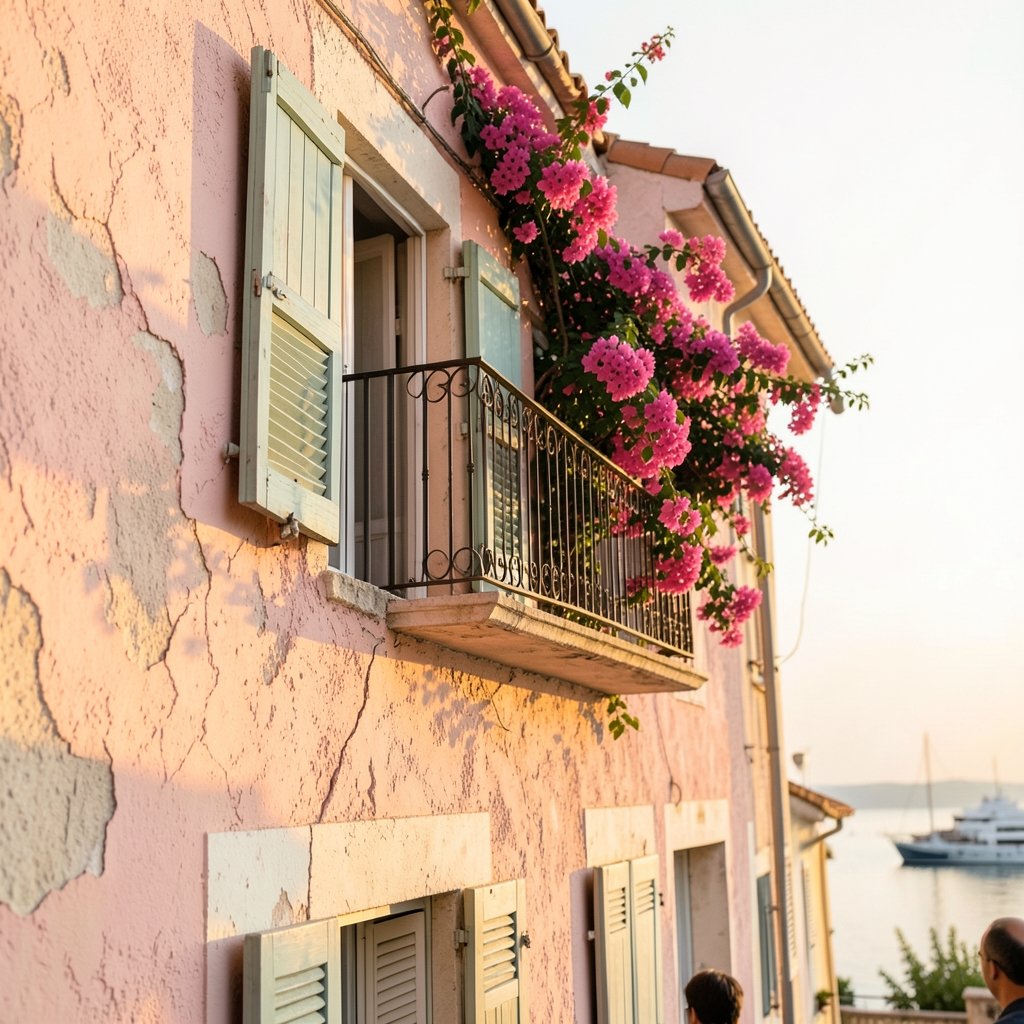
What makes a small French fishing port the backdrop for some of the most expensive townhomes and villas in Europe? Saint-Tropez, a commune in the Var department on the French Riviera, draws a summer crowd far larger than its year-round population. That gap explains almost everything about the local property market: the scarcity of land, the intensity of the season, and the premium attached to anything with a terrace and a sea view. (Saint-Tropez)
This guide walks through the property types, the real costs, the rules that catch foreign buyers off guard, and the practical details that separate a sound purchase or rental from an expensive lesson.
Why Saint-Tropez Property Commands a Premium
Saint-Tropez’s reputation as a luxury destination is often traced to the 1956 film Et Dieu… créa la femme, directed by Roger Vadim and starring Brigitte Bardot. Whether one film can carry that much credit is debated by historians, but the cultural effect is real: the town became a symbol of Riviera glamour and never let go of it.
What matters more for property is geography. The town sits on a peninsula with limited buildable land, hemmed in by coastline and protected natural areas. Supply cannot expand to meet demand, so prices hold even when the broader market softens. The permanent population is small, in the low thousands, while the summer population multiplies many times over. That seasonal surge supports strong short-term rental income, which in turn pushes purchase prices higher.
For buyers weighing a town base against a standalone property, the trade-offs between a luxury penthouse and a private villa are worth studying before viewing anything, because maintenance obligations and service costs differ sharply between the two.
Townhomes Versus Villas: A Practical Comparison

The phrase luxury townhomes & villas is a marketing category, not a legal or statistical one. No official dataset tracks it. Treat any market figure you see as coming from private agencies with something to sell.
In practice, buyers encounter three broad property types:
- Village townhomes (maisons de village): stacked houses in the old town, often narrow, with rooftop terraces. Steps are unavoidable, parking is scarce, and interiors vary wildly.
- Bastides and villas: detached Provençal houses, usually with a pool and garden, in the hills or along the coast. More privacy, more upkeep.
- New-build or renovated residences: modern villas or apartments in small developments, often with shared amenities and service charges.
| Factor | Village townhome | Detached villa |
|---|---|---|
| Price entry point | Lower for the address | Higher, driven by land |
| Outdoor space | Rooftop terrace, rarely a garden | Pool and garden typical |
| Maintenance burden | Shared walls, smaller systems | Pool, garden, roof, security |
| Rental appeal | Central, walkable, strong in season | Family groups, longer stays |
| Parking | Often none or paid | Usually on-site |
| Privacy | Neighbours close by | High, especially in the hills |
A townhome in the village puts restaurants and the port within walking distance. A villa buys silence, space and a pool, but you will drive everywhere and pay for upkeep year-round. Neither is better; they suit different rhythms.
The Real Cost of Ownership Beyond the Price Tag
First-time buyers from outside France routinely budget for the purchase price and forget everything else. The extras add up quickly.
Purchase costs. Expect notary fees, which in France are set by law and not negotiable, plus registration duties. These typically add a meaningful percentage on top of the price. The French government’s official portal for administrative procedures explains how property purchases, taxes and foreign ownership rules work, and it is the right starting point before you sign anything. The notaires’ official body publishes a clear explanation of the French purchase process, from the preliminary agreement to the final deed, which is worth reading before your first viewing.
Annual costs. Property tax, residence tax where applicable, insurance, pool and garden maintenance, security, and any co-ownership charges. A villa with a large garden can absorb a surprising amount each year. If the property will sit empty for months, add monitoring and caretaking.
Renovation risk. Older village houses often hide structural surprises: damp walls, outdated electrics, and roofs that need attention. Budget for a survey and a contingency. Buyers who skip this step are the ones who end up with a project twice the size they planned.
Water Restrictions and Building Rules You Must Check
This is the detail that catches people out. The Gulf of Saint-Tropez and surrounding areas have faced recurring summer water-supply restrictions during droughts. Those rules affect pools, gardens and sometimes new construction. The specific measures change from year to year, and they are issued as official decrees by the Var prefecture, so check the current rules directly rather than relying on what an agent told you last summer.
Practical implications:
- Confirm whether an existing pool has any restrictions attached to its use in dry periods.
- Ask whether new pool construction is currently permitted in the area you are considering.
- Check garden watering rules before you plan extensive landscaping.
- Verify planning constraints with the local authority, since parts of the peninsula sit within protected zones.
Local planning rules also govern what you can alter on a period property. Renovating a village house in a protected area can require approvals that take months. Build that timeline into your plans.
Renting Instead of Buying: What Changes
Many visitors never buy at all, and that is a perfectly rational choice. A summer rental delivers the Saint-Tropez experience without the maintenance, the taxes or the water restrictions. The question is whether the premium you pay for a villa’s privacy and service is worth it compared with a hotel. A detailed breakdown of luxury villa versus luxury hotel costs, privacy and service is a useful reality check before booking.
For renters, a few practical notes:
- Book early. Peak weeks sell out months ahead, and the best villas go first.
- Check what is included. Cleaning, linen, pool heating and a housekeeper are sometimes extra.
- Confirm the walkability. A villa described as “close to the village” may still require a car at night.
- Ask about air conditioning. Not every Provençal house has it, and August is hot.
If you are planning a first trip and want to combine property viewing with a proper holiday, a Lake Como luxury travel guide covering villas, boats and where to stay offers a useful comparison for how another European lake destination handles villa tourism.
What Actually Makes a Luxury Property Worth Its Price
After the location and the view, the features that hold value are the ones that work quietly in the background. Buyers who focus only on aesthetics often regret it.
Wellness spaces. A pool is standard. A proper spa area, a hammam or a gym is a differentiator, but only if it is well built. The wellness features in luxury homes that buyers actually value tend to be the ones that are easy to maintain, not the most elaborate. A home spa that earns its price is one built with drainage, ventilation and servicing in mind from the start.
Smart systems. Climate control, lighting and security that can be managed remotely matter enormously for a house that stands empty for half the year. Comparing smart home systems for luxury homes before committing to a vendor saves both money and frustration, because the systems are hard to change later.
Scent and atmosphere. It sounds trivial until you walk into a house that smells of damp. The best luxury home fragrance brands are a small part of the budget but a real part of how a property feels to guests and buyers.
Outdoor living. In this climate, the terrace, the shaded dining area and the pool deck do more work than any interior room. A villa with a great outdoor layout beats a larger house with a poor one.
Buying as a Non-Resident: The Process in Brief
The French purchase process is more formal than in many countries, and that formality protects buyers.
- Engage a notaire. In France, the notaire acts for the transaction and the state, not for one side. You can appoint your own in addition to the seller’s.
- Sign the preliminary agreement (compromis de vente). This usually includes a cooling-off period for the buyer.
- Complete due diligence. Surveys, planning checks, and confirmation of any restrictions.
- Arrange finance. French lenders have their own criteria for non-residents, and approval takes time.
- Sign the final deed. Ownership transfers on completion, and the notaire handles registration.
Foreign ownership of French property is permitted, but tax and reporting obligations apply, and they vary with your country of residence. Confirm your position with a qualified adviser rather than relying on forum posts. (INSEE)
Common Mistakes to Avoid
A few patterns show up again and again among buyers and renters.
- Falling for the view and ignoring the access. A steep, narrow road to a hilltop villa is charming in June and exhausting in August traffic.
- Assuming rental income is guaranteed. Seasonal demand is strong, but costs, taxes and management fees eat into it.
- Skipping the water question. Buyers who discover restrictions after purchase face expensive adjustments.
- Underestimating the off-season. Many restaurants and shops close in winter. Some owners love the quiet; others find it isolating.
- Buying without seeing the property in person. Photos are chosen carefully. Visit in person, and if possible in a different season.
Conclusion
Saint-Tropez luxury townhomes and villas are not one market but several: the walkable village house, the hillside villa with a pool, the renovated residence with services. Each carries its own costs, maintenance profile and rental logic. The buyers who do well are the ones who check the practical details first, from water restrictions and planning rules to notary fees and smart systems, and who treat marketing language with healthy scepticism. Get those fundamentals right, and the romance of the place becomes a bonus rather than a bill.
Frequently Asked Questions
Can foreigners buy property in Saint-Tropez?
Yes. Foreign ownership of French property is permitted, and non-residents can complete a purchase through a notaire. Tax and reporting obligations depend on your country of residence, so confirm your position with a qualified adviser before committing.
Is a townhome or a villa better for rental income?
It depends on your target guest. Village townhomes appeal to couples and small groups who want to walk everywhere. Villas attract families and longer stays, and they usually command higher weekly rates but cost more to maintain. Model both scenarios with real costs before deciding.
Do water restrictions affect pools in the Saint-Tropez area?
They can. The region has faced recurring summer water-supply restrictions during droughts, and the rules change yearly. Check the current decrees issued by the Var prefecture before buying a property with a pool or planning new pool construction.
What extra costs should buyers budget for?
Beyond the purchase price, budget for notary fees and registration duties, annual property taxes, insurance, pool and garden maintenance, security, and any co-ownership charges. Older village houses may also need structural work, so keep a renovation contingency.
When is the best time to view properties?
Late spring and early autumn offer good weather without peak-season crowds, and you see the area closer to how it functions outside August. Viewing in a different season also reveals issues that summer glosses over, such as damp, heating and off-season access.
How far ahead should I book a summer villa?
For peak weeks in July and August, book several months ahead, and earlier for the most desirable properties. Confirm what the rate includes, such as cleaning, linen and pool heating, and ask about air conditioning and parking before you commit.