
Small Ship Luxury Cruises: Fewer Guests, More Access
 Abdul WadoodLast updated
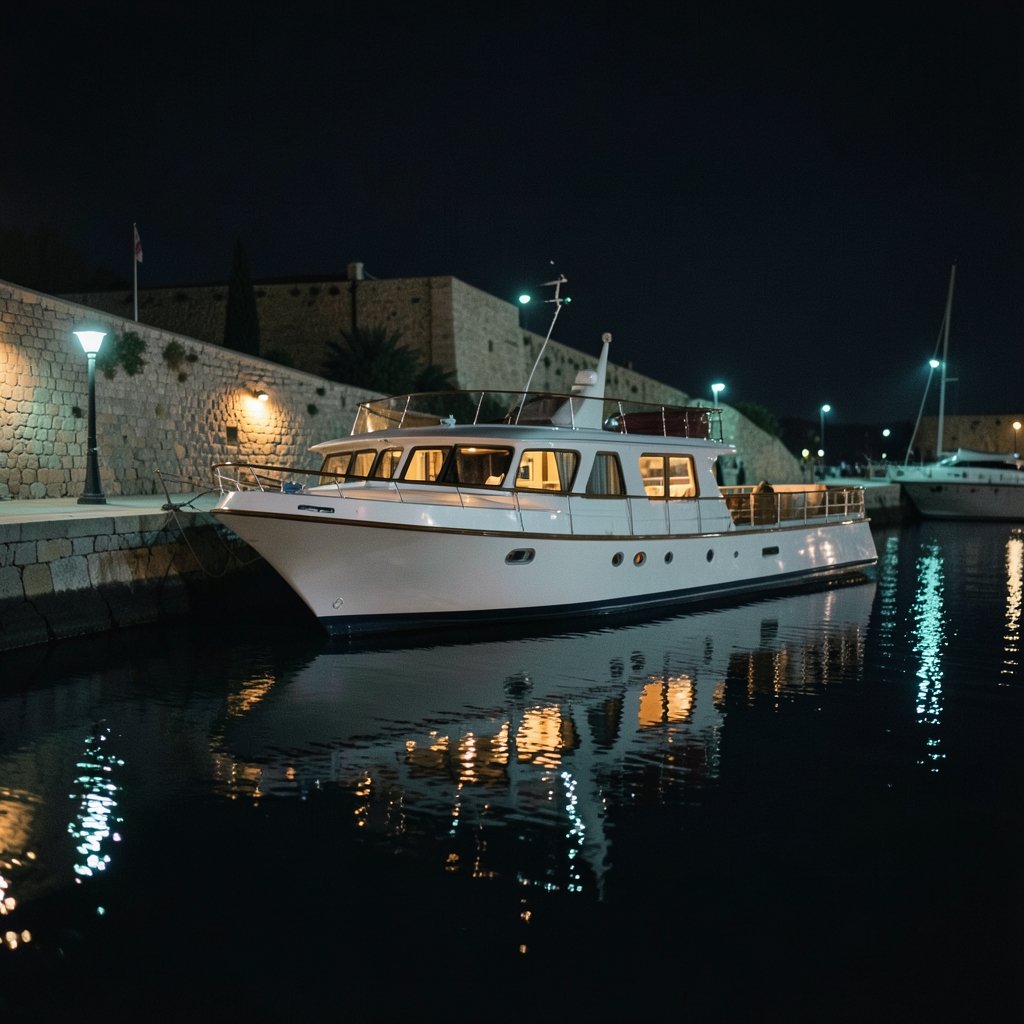
What if the best part of a luxury cruise is the thing you never see: the line at the gangway that isn’t there? Small ship luxury cruising has quietly become the most interesting corner of the travel market, and for good reason. A vessel carrying 300 guests can slip into harbors that a 4,000-passenger mega-ship can only sail past. It can dock where the big ships tender. It can serve dinner that was cooked to order rather than plated in a banquet hall. None of this is marketing fluff. It is simple arithmetic, and it changes the entire rhythm of a voyage. (Cruise ship)
What Counts as a Small Ship in Luxury Cruising?
There is no single official cutoff, and that is the first thing to understand. The term is a moving target. Most travel industry observers treat anything under roughly 1,000 guests as small, while the luxury and expedition end of the market clusters far lower, often between 100 and 500 passengers. Some ultra-luxury and expedition vessels carry fewer than 200.
That matters because “small” is not a size class so much as a promise. It signals a different ratio of crew to guest, a different style of port, and a different kind of evening. A ship with 250 guests and 200 crew members can anticipate what you want before you ask. A ship with 4,000 guests and 1,200 crew cannot, no matter how good the training.
The Size Spectrum at a Glance
| Category | Typical Guest Count | What It Usually Means |
|---|---|---|
| Mega-ship | 3,000 to 6,000+ | Resorts at sea, broad entertainment, big-ship ports |
| Mid-size premium | 1,000 to 2,500 | More space per guest, still large-scale logistics |
| Small luxury | 200 to 1,000 | Intimate service, smaller harbors, fewer queues |
| Boutique and expedition | Under 200 | Near-private atmosphere, remote access, specialist crews |
The jump from mid-size to small is where the experience changes most. Below about 500 guests, a ship stops feeling like a floating hotel and starts feeling like a private club with an engine.
Why Fewer Passengers Changes the Trip
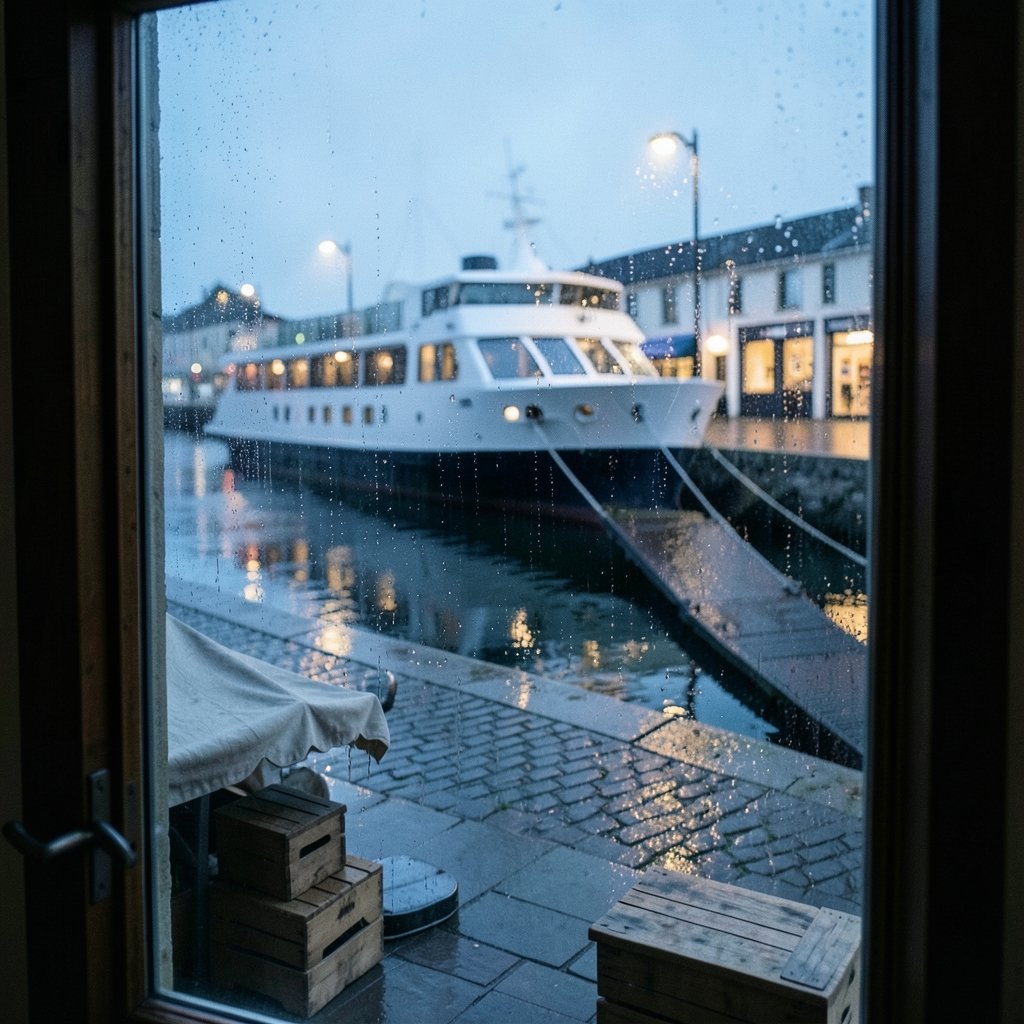
The most obvious benefit is access. Small ships reach harbors that cannot physically accommodate large vessels, and they can dock rather than anchor and tender. That single difference can save an hour or more on each end of a port day. Over a week, it adds up to a meaningful amount of extra time ashore.
The second benefit is time itself. Embarkation and disembarkation become minutes rather than hours. Shore excursions leave on schedule because 40 people are easier to move than 400. Tenders run continuously because there is no crush at the gangway.
The third benefit is service density. On a small luxury ship, the crew often outnumbers the guests or comes close to it. Bartenders remember your order on day two. The maître d’ knows you prefer a table by the window. This is not magic; it is a staffing ratio that only works at small scale.
The Ports That Only Small Ships Reach
Consider the practical geography. Historic Mediterranean harbors, small Aegean islands, certain Baltic and Adriatic towns, and many of the most beautiful anchorages in Alaska and Norway simply cannot take a large hull. A small ship can spend a morning in a village of 500 people and be gone before the tour buses arrive. That is the kind of itinerary planning that rewards a smaller vessel. If you are weighing routes rather than ships, a guide to choosing the right European river route covers a related question: how itinerary design, not ship size alone, shapes what you actually see.
The Luxury Part: What You Are Really Paying For
Small ship luxury is expensive, and it is worth being honest about where the money goes. It is not going into gold faucets. It is going into space per guest, staff per guest, and the logistics of operating a vessel that cannot spread its costs across thousands of tickets.
Practically, that means all-inclusive pricing is common: drinks, gratuities, specialty dining, and often shore excursions are bundled. It also means cabins are frequently larger, suites are more plentiful as a proportion of the ship, and public areas are rarely crowded. The trade-off is fewer onboard attractions. Do not expect a climbing wall, an ice rink, or a Broadway-scale theatre. Expect a good library, a quiet pool deck, and a lounge where you can hear the person next to you.
This is the same principle that separates genuine craftsmanship from branding in other luxury categories: the value sits in materials, time, and attention rather than in surface display. The same logic applies when buyers ask what counts as luxury in a market full of labels.
Who Small Ship Luxury Cruises Suit, and Who They Do Not
These voyages fit travelers who care more about ports than parties, who value quiet over spectacle, and who are comfortable with a slower pace in the evening. They suit couples, solo travelers who want to be recognized rather than anonymous, and multi-generational groups who want to actually spend time together.
They suit less well anyone who needs a casino, a water park, or a constant stream of organized activity. Families with teenagers often find a 200-guest ship too sedate. Travelers on a tight budget will find the per-night cost hard to justify, even when the all-inclusive math narrows the gap.
There is also a segment question worth naming. Adults-only and child-free sailings have grown, and they overlap heavily with the small luxury category. If a quiet, grown-up atmosphere is the priority, it helps to understand how child-free ships are chosen before you compare fares.
Practical Tips That Actually Help
Match the Ship to the Water, Not the Brochure
A vessel built for the Caribbean is not the right choice for the Norwegian coast in shoulder season, and vice versa. Ice-class hulls, stabilizers, and enclosed observation lounges matter enormously in cold-weather regions. In polar waters, ships are expected to meet the International Maritime Organization’s Polar Code requirements, which cover hull strength, equipment, and crew training for ice-covered seas. Ask directly whether a vessel is Polar Code certified before booking a polar itinerary. (SOLAS: International Convention for the Safety of Life at Sea,-1974.aspx))
Read the Cabin Deck Plan Carefully
On small ships, location matters more than on large ones because there are fewer public spaces to escape to. A cabin under the galley or beside the anchor locker can be noisy. A cabin at the bow will pitch more in swell. Ask for the deck plan and check what sits above and below your room.
Check What “All-Inclusive” Really Includes
The phrase varies wildly. Some lines include flights and transfers; others include only drinks with lunch and dinner. Excursions may be included, or may cost several hundred dollars each. Build a realistic total before comparing headline fares, because the cheapest sticker price is rarely the cheapest trip.
Book Specialty Dining and Excursions Early
Small ships have small restaurants. A 40-seat specialty venue on a 200-guest vessel fills fast. The same applies to limited-capacity shore experiences. Reserve the moment bookings open, especially on shorter itineraries where everyone has the same few days to fit everything in.
Pack for the Itinerary, Not the Ship
Formality on small luxury ships has relaxed considerably, but dress codes still exist on some lines for dinner. More important is practical gear: layers for changing weather, shoes that grip a wet deck, and a day bag that works for a tender landing.
Common Mistakes First-Timers Make
The biggest mistake is assuming small means basic. It is usually the opposite: smaller ships often carry the highest per-guest investment in food, wine, and crew. The second mistake is choosing purely on price and ending up on a mid-size ship marketed as boutique. Check the actual guest count, not the adjective. The third is over-scheduling. The whole point of a small ship is that you can do less and enjoy it more.
A fourth mistake deserves its own line: ignoring the sailing season. Small ships often reposition between regions, and shoulder-season crossings can be exceptional value, but they can also bring rougher seas and closed attractions ashore. Ask what the weather and port availability look like in the exact weeks you are considering.
How Small Ship Luxury Compares to Private Alternatives
Some travelers weigh a small luxury cruise against a private villa or a chartered yacht. The comparison is less about luxury than about effort. A villa gives you space and privacy but no crew, no chef unless you hire one, and no one moving you between destinations overnight. A small ship gives you a new harbor most mornings without repacking. For travelers comparing ownership and upkeep burdens in land-based luxury, the trade-offs of a penthouse versus a private villa are a useful parallel: the hidden costs of maintenance and staffing are what separate a brochure price from a real one. (Best luxury stocking fillers small gifts that carry real)
What to Expect on Board
Evenings on a small luxury ship tend to be social but not forced. You will likely see the same faces at the bar, and the cruise director probably knows your name. Entertainment is often a pianist, a small ensemble, or a guest lecturer rather than a production show. Enrichment matters more here: historians, naturalists, and destination experts frequently sail along and give talks that make the next day’s port mean more.
Food is where small ships often shine brightest. With fewer covers, kitchens can cook to order, source locally, and change menus based on what came aboard that morning. That is a genuine advantage, and it is one you can taste.
Conclusion
Small ship luxury cruises are not for everyone, and that is precisely their appeal. They trade spectacle for access, crowds for recognition, and quantity for care. If you want to arrive in a harbor that holds twelve boats rather than twelve hundred, to eat food cooked for a room rather than a hall, and to be greeted by name on the second morning, this is the corner of cruising built for you. The trick is to book with clear eyes: check the guest count, read the inclusions, confirm the ship suits the water, and reserve the small venues early. Do that, and the absence of a queue at the gangway becomes the whole point of the trip.
Frequently Asked Questions
What passenger count makes a cruise ship “small”?
There is no official threshold, but the luxury market generally treats vessels under about 1,000 guests as small, with the most intimate ships carrying between 100 and 500. Below roughly 500 guests, service ratios, port access, and the general atmosphere change noticeably.
Are small ship luxury cruises worth the higher price?
For travelers who value quiet, access to smaller harbors, and high crew-to-guest ratios, yes. All-inclusive pricing often narrows the gap with mid-market fares once drinks, gratuities, and excursions are counted. The value is in space and attention rather than onboard attractions.
Do small ships get boring in the evening?
They are quieter by design. Expect lounges, lectures, live music, and good restaurants rather than production shows or casinos. Travelers who want nightlife and constant activity usually prefer larger vessels. Those who want conversation and a nightcap tend to love it.
Can small ships handle rough seas?
It depends on the vessel and the region. Modern small ships use stabilizers and thoughtful design, but a 200-guest ship will feel swell more than a 4,000-guest one. Choosing the right ship for the season and region, and picking a mid-ship cabin, makes a real difference.
Are shore excursions included on small luxury cruises?
Sometimes, but not always. Some lines bundle excursions into the fare; others charge separately, and prices can be significant. Always confirm what is included before comparing fares, and book limited-capacity experiences as soon as they open.
What should first-timers check before booking?
Confirm the actual guest count, review the deck plan for cabin location, verify what all-inclusive covers, check whether the ship suits the region’s conditions, and ask about certification for polar or remote itineraries. These five checks prevent most first-timer disappointments.