
Small Luxury Ship Cruises: What You Get for the Price
 Abdul WadoodLast updated
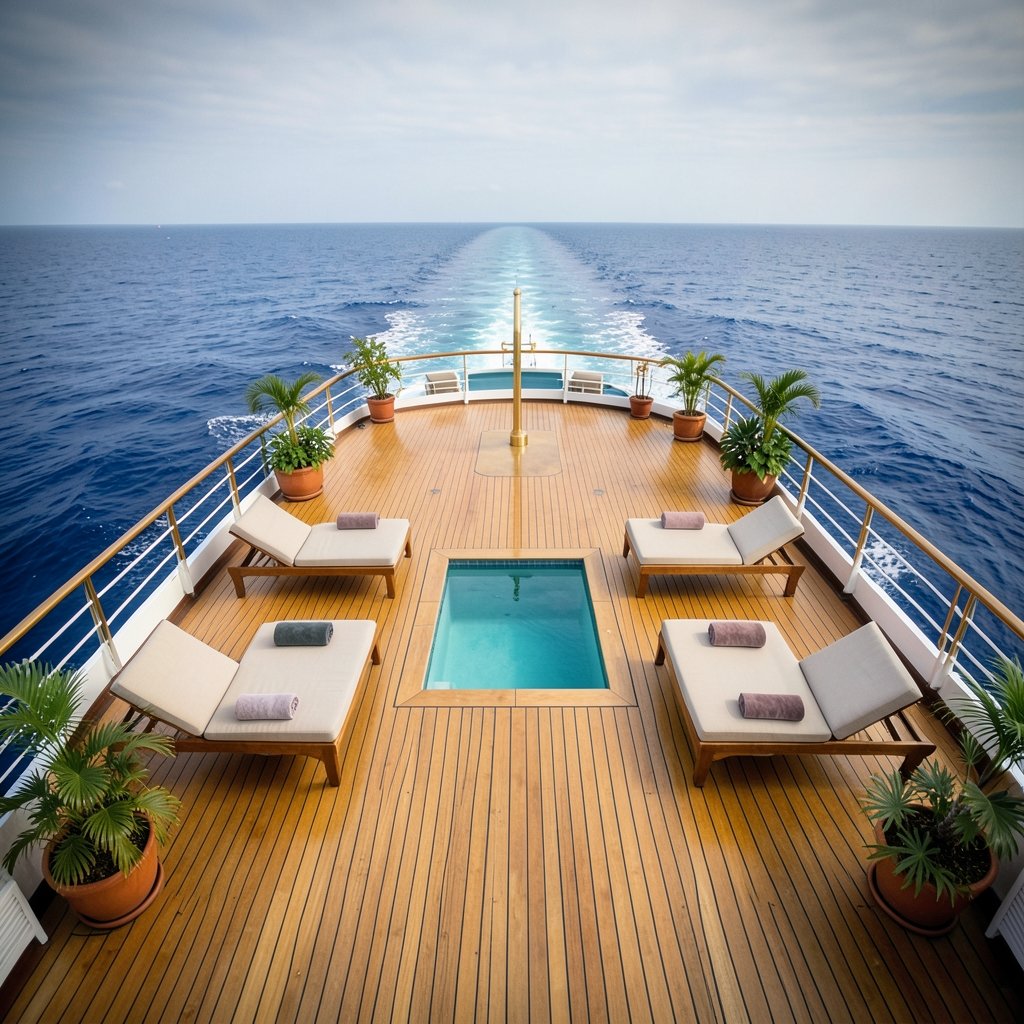
What if the best part of a cruise is the ship you don’t notice? No queue at the gangway. No scramble for a lounger. No announcement reminding you that bingo starts in ten minutes. That is the quiet promise of small luxury ship cruises, a corner of the travel market built on the idea that fewer people on board means more of everything that matters. But “small” is a slippery word, and “luxury” is even slippier. This guide sorts out what these voyages actually are, who regulates them, where the money goes, and how to avoid paying a premium for a ship that only feels exclusive. (Best luxury stocking fillers small gifts that carry real) (Cruise ship)
What counts as a small luxury ship?
There is no official cutoff. Small ship is an industry convention, not a legal category, and it usually means vessels carrying under roughly 1,000 passengers. In the luxury and expedition corner, the numbers run far lower: tens to a few hundred guests on yacht-style ships and ice-class expedition vessels.
That distinction matters because a 900-passenger ship and a 90-passenger ship are not the same product, even if both get called “small.” The first is a mid-size vessel with a boutique feel. The second is a floating private club where the crew learns your name by day two and the captain knows which anchorage will be empty at sunrise.
Within the segment, two broad families exist:
| Type | Typical feel | Where it sails | What drives the price |
|---|---|---|---|
| Classic small luxury | Yacht-style, warm water, polished service | Mediterranean, Caribbean, South Pacific | Suites, crew ratio, dining, included drinks |
| Expedition luxury | Rugged but plush, expert-led, ice-class hulls | Polar regions, remote coasts, rivers | Ice class, zodiacs, naturalists, permits |
A ship’s ice class is a technical designation issued by classification societies, not a marketing phrase. It describes what ice a hull can safely handle. If a line advertises polar sailings, that designation is the thing to check, not the brochure photography.
The rules that apply to every ship, however small

Small does not mean unregulated. Any passenger ship on an international voyage is bound by the International Convention for the Safety,-1974.aspx) of Life at Sea, known as SOLAS, which sets construction, life-saving and fire-safety requirements. It was adopted in 1974 and entered into force in 1980, and it has been amended many times since. The IMO’s overview of the SOLAS convention explains what those requirements cover.
Polar itineraries add another layer. The IMO’s Polar Code became mandatory on 1 January 2017 under SOLAS and MARPOL, and it applies to ships operating in Arctic and Antarctic waters. For a small luxury expedition vessel, that code shapes hull design, training, equipment and voyage planning. The IMO’s page on the Polar Code sets out how it works.
Antarctic travel carries a third layer. The Protocol on Environmental Protection to the Antarctic Treaty, signed in 1991 and in force since 1998, governs environmental conduct in the region. On top of that, tour operators generally belong to IAATO, the International Association of Antarctica Tour Operators, founded in 1991, which sets operational guidelines for members. Passenger limits at landing sites are an IAATO practice rather than treaty law, and the figures change, so check current guidance rather than trusting an old blog post.
Pollution rules come from MARPOL, the convention covering ship discharges. Annex IV deals with sewage and Annex V with garbage, and the limits tighten in designated special areas such as the Baltic and Antarctic. Small-ship operators often advertise compliance well beyond the minimum. Treat those claims as claims, and ask for specifics if it matters to you.
Why small ships can reach places big ones cannot
The commercial case for small vessels is simple: they fit. They can slip into harbours, anchorages and river berths that a 4,000-passenger ship cannot approach. That is why a Mediterranean itinerary on a 200-guest ship might include a tiny island with one taverna, while the mega-ship docks two hours away at a terminal with a shopping mall.
This is widely reported industry rationale rather than a formal standard, but it holds up in practice. The trade-off is real, though. Smaller ships have fewer dining venues, thinner entertainment programmes and less onboard spectacle. If your ideal evening involves a West End-style production and a casino, a 120-guest yacht will feel quiet. Very quiet.
River cruising sits in its own lane here. Vessels are small by necessity because the waterways demand it, which is why the best river cruises in Europe tend to be judged on route and cabin position rather than onboard scale.
What you are actually paying for
The price gap between a mainstream balcony cabin and a small luxury suite can be three or four times over. Where does it go?
- Crew ratio. One crew member per guest or better is common in this segment. That is the single biggest cost line.
- Space. Larger cabins, more public room per passenger, and no fighting for a seat at the bar.
- Inclusions. Drinks, gratuities, excursions, Wi-Fi and transfers are often bundled, which flatters the headline fare comparison.
- Food and wine. Smaller galleys cooking to order, often with regional sourcing.
- Access. Permits, expedition staff, zodiacs, and the berthing fees that come with unusual ports.
The practical tip: compare total trip cost, not cruise fare. A fare that includes drinks, tips and shore excursions can undercut a “cheaper” ticket once you add the extras. Run the numbers before you decide the luxury line is out of reach.
A second tip, learned the hard way by plenty of travellers: check what is not included. Spa treatments, premium wine lists and some expedition activities can sit outside the bundle. Ask for the full inclusions list in writing.
Matching the ship to the trip you actually want
The most common mistake is buying a small luxury cruise for the wrong reason. People book it expecting a scaled-down version of a big-ship holiday and come away disappointed by the lack of nightlife. Others book an expedition vessel for a warm-water itinerary and pay for ice-class capability they never use.
A rough sorting guide:
- Want warm water, long lunches and no schedule? Classic small luxury, Caribbean or Mediterranean.
- Want wildlife, remoteness and expert guides? Expedition luxury, polar or remote-coastal.
- Want a child-free, adult-focused atmosphere? Some lines specialise in this, and the best cruises for adults in 2026 lean heavily on smaller ships precisely because they can enforce a calmer environment.
- Want scenery from a cabin window every morning? River vessels, where the route does the entertaining.
For anyone weighing a bucket-list voyage in the far north, the best Alaskan cruise line for 2026 depends heavily on whether you want big-ship facilities or small-ship access to fjords and small ports. The route and ship size usually matter more than the brand.
The experience question: does small actually feel luxurious?
Here is where balance helps. Small ships deliver intimacy and access, but they do not automatically deliver better service. A tired 80-guest vessel with a stretched crew will feel worse than a well-run 600-guest ship with a sharp team. Size is a proxy for the experience, not a guarantee of it.
What actually separates the good from the mediocre tends to be unglamorous: crew tenure, maintenance standards, how the line handles a missed port, and whether the food is cooked fresh or held warm. Craftsmanship still decides what counts as luxury, and that applies to ships as much as to watches or handbags. Fit and finish, in the literal sense, show up everywhere from the joinery in the corridor to the way a tender is launched.
For travellers who care about the making of things, the same instinct that draws people to made-to-order luxury goods applies at sea. A ship built for 200 guests with generous cabins and a proper library is a different design philosophy from a floating resort. You can feel the difference in the corridors.
Practical booking advice that actually works
A few habits separate satisfied small-ship travellers from grumpy ones.
Book the itinerary, not the ship name. Ships get refitted, chartered and moved between regions. The route and season determine most of what you will actually experience.
Check the cabin location against the route. On river cruises, cabin deck and position relative to the waterline affect noise and views. On ocean vessels, cabins under the pool deck or beside the tender station are the ones to avoid.
Ask about passenger numbers on your specific sailing. A ship rated for 300 may sail with 180 in shoulder season. That changes the atmosphere, sometimes for the better.
Read the cancellation terms before deposit. Small ships sell out early and penalties can be steep.
Travel insurance matters more, not less. Remote itineraries mean remote medical care and expensive disruption. Standard policies may not cover expedition activities.
If you are comparing ownership models for high-ticket purchases in general, the same logic of hidden costs applies to luxury penthouse versus private villa ownership, where maintenance and fees decide the real price. Cruising has its own version: the fare is the entry ticket, not the final bill.
Who should skip small luxury ships
Honesty helps here. This segment is not for everyone.
Travellers who want waterslides, Broadway shows, multiple included restaurants and a buzzing casino will find small luxury ships thin on entertainment. Families with young children often do better on larger vessels with dedicated kids’ clubs. Budget-focused travellers can find excellent value on mid-size ships without paying the luxury premium. (Best Cruises for Adults 2026: Top Child-Free Ships)
And anyone prone to seasickness should check stabilisation and route exposure. Smaller vessels move more in open water. A transatlantic crossing on a 200-guest ship is a different physical experience from the same crossing on a 3,000-guest one.
How to read the marketing without being fooled
The word “luxury” is unregulated. So are “boutique,” “yacht-style” and, largely, “all-inclusive.” A few checks cut through it:
- Look up the ship’s build year and last refit date.
- Check the guest-to-crew ratio rather than the crew count alone.
- Confirm whether shore excursions are included or extra.
- Ask what happens if a port is missed. Refund? Credit? Nothing?
- For polar trips, confirm the ice class and the operator’s association membership.
None of this requires expertise. It requires ten minutes and a willingness to email the line directly. The answers tell you more than any brochure.
Conclusion
Small luxury ship cruises sell something the big ships cannot: space, access and a sense of being somewhere rather than merely passing through. The trade-off is real, with fewer onboard thrills and a higher price per night. Whether that trade is worth it depends entirely on what you want from a holiday. Choose the itinerary first, check the inclusions and the ship’s actual condition second, and treat every superlative in the brochure as a question to ask. Do that, and the quiet ship with no queue at the gangway stops being a gamble and starts being the whole point.
Frequently asked questions
How many passengers count as a small cruise ship?
There is no official threshold. Industry usage generally puts small ships under about 1,000 passengers, and luxury expedition or yacht-style vessels often carry only a few hundred or fewer. Because the term is a convention rather than a legal category, always check the specific ship’s capacity rather than relying on a label.
Are small luxury cruises worth the higher price?
They can be, if you value space, access to smaller ports and a high crew-to-guest ratio. The value calculation changes once you count inclusions such as drinks, gratuities and excursions, which are often bundled. Compare total trip cost rather than the headline fare before deciding.
What safety rules apply to small cruise ships?
Any passenger ship on an international voyage is subject to SOLAS, which sets construction, life-saving and fire-safety requirements. Ships in polar waters must also comply with the Polar Code, mandatory since 1 January 2017. Antarctic operators additionally follow environmental rules under the Antarctic Treaty system.
Do small ships handle rough seas well?
It varies. Smaller vessels generally move more in open water than large ones, though modern stabilisation helps considerably. Route and season matter as much as size. If you are prone to seasickness, ask about the ship’s stabilisers and consider itineraries with more sheltered waters.
What is the difference between classic and expedition small ships?
Classic small luxury ships focus on comfort, service and warm-water itineraries. Expedition vessels are built for remote regions, often with ice-class hulls, zodiac boats and expert naturalist staff. The two overlap in comfort level but differ sharply in purpose and price structure.
Can you book a small luxury cruise on a budget?
Sometimes. Shoulder-season sailings, repositioning voyages and cabins on lower decks cost less, and some lines discount late. The bigger saving comes from choosing an inclusive fare over a cheap fare with add-ons. Watch cancellation terms closely, since small ships sell out and penalties can be steep.