
How to Sleep Better on Long Haul Flights: 2026 Guide
 Abdul WadoodLast updated
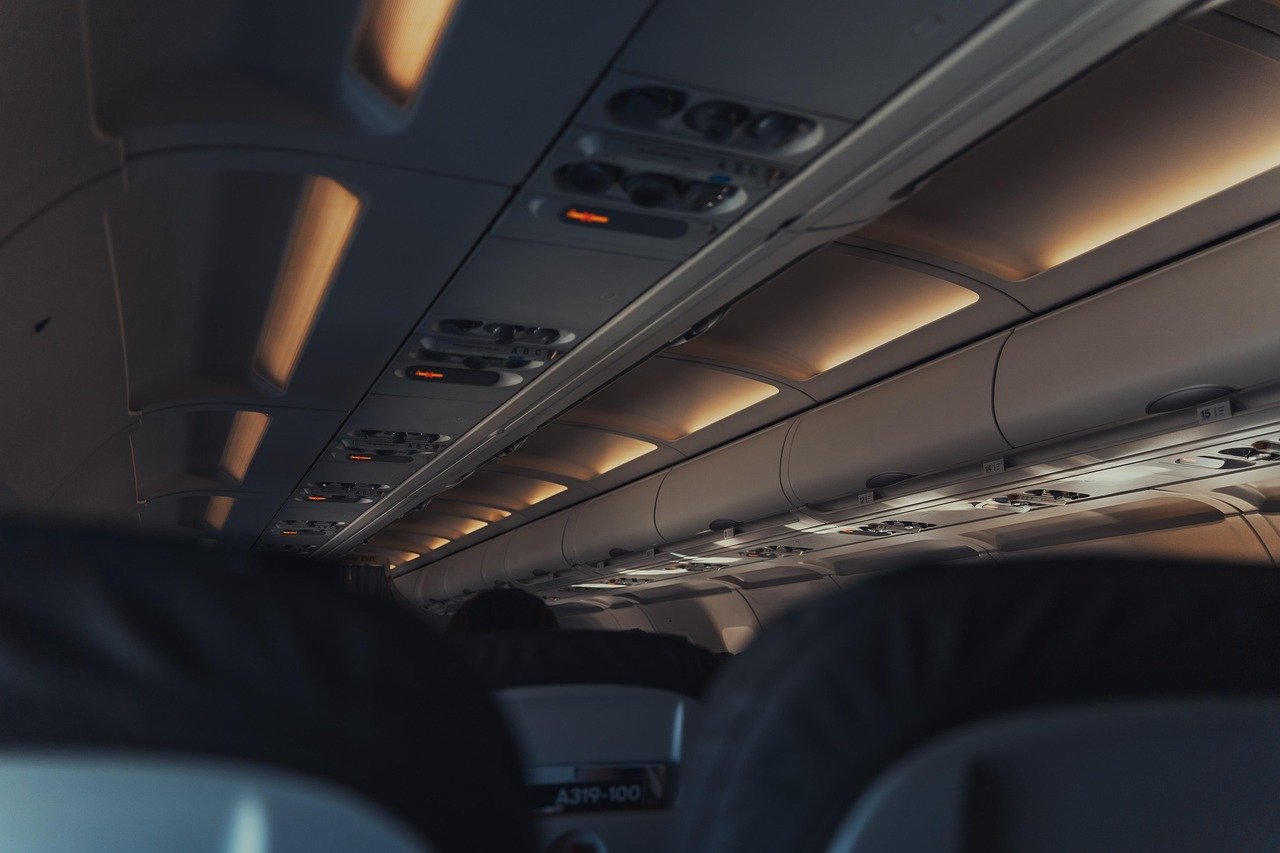
Roughly one in five long-haul passengers reports sleeping fewer than three hours on board, and cabin crew will tell you the same thing in plainer language: most people board a night flight wired, dehydrated, and sitting in the wrong seat, then wonder why they arrive wrecked. The good news is that in-flight sleep is not a lottery. It is a stack of small, boring decisions made in the right order, hours before the wheels leave the ground.
This guide walks through what actually moves the needle, from seat selection to light exposure to the melatonin question, with the trade-offs spelled out honestly.
Why Sleep Feels So Elusive at 38,000 Feet
Aircraft cabins are engineered for safety and fuel efficiency, not rest. Most airliners cruise with a cabin altitude equivalent to somewhere between 6,000 and 8,000 feet above sea level. At that pressure, blood oxygen saturation dips slightly, and many passengers notice it as a vague restlessness rather than obvious breathlessness. Add low humidity (often cited in the 10 to 20 percent range, drier than most deserts), constant engine noise, and a seat that reclines four inches, and you have a hostile sleep environment.
Then there is the circadian problem. Your body clock runs on light, meals, and habit. A night flight compresses all three into a metal tube crossing six time zones. Sleep quality on board is therefore less about willpower and more about how well you manage the hours before boarding.
The passengers who sleep best are rarely the ones who try hardest on the plane. They are the ones who arrived at the airport already partway into their new schedule.
Pick the Right Seat Before You Pick Anything Else

Seat choice is the highest-leverage decision you can make, and it happens at booking, not at the gate.
| Seat position | Sleep upside | Sleep downside | Best for |
|---|---|---|---|
| Window | Something to lean on; no one climbing over you | Harder to get up and move | Most sleepers |
| Middle | None worth naming | No support on either side | Nobody, if avoidable |
| Aisle | Freedom to stretch and use the lavatory | Carts, elbows, and seatmates brushing past | Frequent movers, long-legged flyers |
| Bulkhead | No seat reclining into your face | Tray table in the armrest; less legroom on some carriers | Light sleepers who hate recline pressure |
| Exit row | Extra legroom | Often no recline; crew briefings | Tall passengers who cannot sleep anyway |
A window seat wins for most people because it gives you a wall, a sense of enclosure, and no reason to be disturbed. If you are tall, an exit row may still be the better trade. The point is to decide deliberately rather than take whatever is left.
Time Your Sleep Before You Board
The single most common mistake is treating the flight as the start of the process. It is not. Circadian adaptation begins on the ground, and the standard countermeasure is to shift sleep, wake, and light exposure toward your destination’s time zone a couple of days before departure.
Practical version: if you are flying east, go to bed and wake up earlier for two or three nights beforehand. If you are flying west, push both later. Eastward travel is generally harder on the body, so give it more runway.
On the day itself, think about what you want the flight to be. A daytime departure on a long route is a chance to stay awake, use light, and land tired at a sensible local bedtime. An overnight flight is a chance to bank sleep. Decide which one you are on, then behave accordingly.
The Pre-Flight Checklist That Actually Works
- Set your watch to destination time as soon as you sit down, and eat and sleep by it.
- Front-load hydration at the airport rather than relying on tiny cups in the air.
- Skip the airport bar. Alcohol fragments sleep and worsens dehydration in dry cabin air.
- Cap caffeine at roughly six hours before your intended sleep window.
- Pack the kit before you leave home: eye mask, earplugs or noise-cancelling headphones, a light scarf, and a refillable bottle.
The kit matters more than people expect. A good eye mask and a pair of foam earplugs cost less than a sandwich and outperform most gadgets. Noise is a documented sleep disruptor, and cabin light is bright enough to suppress melatonin at the wrong moment.
Build a Sleep Kit That Earns Its Space
There is a whole industry selling travel pillows shaped like neck braces and crescent moons. Some of it helps. Most of it does not. (Jet lag)
What tends to work: a supportive neck pillow that stops your head from flopping forward, a contoured eye mask that blocks light without pressing on your eyes, earplugs rated for at least 30 dB, and a light blanket or large scarf because cabin temperature swings. Compression socks are worth considering on flights over six hours for circulation, not sleep.
What tends to disappoint: inflatable pillows that leak by hour three, herbal “sleep” sprays with no evidence behind them, and anything with a battery that dies mid-flight. Keep the kit small enough that you will actually carry it.
If you want to go deeper on matching products to your own hair and grooming routine so you arrive looking less like a hostage, the hair type chart guide is a useful reference for packing the right travel-size products.
The Melatonin Question, Handled Honestly
Melatonin is the most-asked-about sleep aid for long-haul travel, and the evidence is genuinely mixed on dosing and timing. What is clear is that regulatory status varies by country: in some places it is sold over the counter as a supplement, in others it requires a prescription. Anyone considering it should check their destination’s rules and their own health authority’s guidance before packing it.
The bigger point is that melatonin is not a sleeping pill. It is a timing signal. Taken at the wrong hour, it can shift your body clock in the direction you least want. Timing matters more than dose, and timing guidance varies between sources, which is exactly why this is an area to research rather than guess.
Food, Drink, and the Things That Undo Good Intentions
Cabin service is designed around meal carts, not circadian rhythm. You can work with it or against it.
Alcohol is the classic mistake. A glass of wine feels like it helps you fall asleep, and it may, briefly. It also fragments sleep in the second half of the night and adds to dehydration. On a long flight, that trade rarely pays.
Caffeine is fine earlier in the flight and counterproductive later. If you are on an overnight leg, treat the coffee with the dessert cart as a warning sign rather than a treat.
Heavy meals close to your sleep window sit badly in a reclined seat. Lighter is better, and eating on destination time is better still.
Water is the boring hero. Cabin air is dry, and mild dehydration makes everything feel worse. A refillable bottle filled after security is the simplest upgrade you can make.
Some airlines and researchers promote timed meals as a way to nudge circadian adaptation. The evidence is interesting but not settled, so treat it as a bonus rather than a plan.
Light, Movement, and the Art of Not Fighting the Cabin
Light is the strongest signal your body clock responds to. On a flight where you want to sleep, dim everything you control: close the shade, kill the seatback screen, and wear the mask even if the cabin is only half dark. On a flight where you want to stay awake to land on local time, do the opposite. Open the shade when the cabin lights come up, and get bright light as soon as you are through arrivals.
Movement is the other lever. Prolonged immobility is uncomfortable and, on long flights, a circulation concern. Standing, stretching, and walking the aisle when the seatbelt sign is off helps you feel human and makes it easier to settle afterward. If you are an aisle sleeper, this is easier; if you are a window sleeper, plan your stretches around your seatmates’ sleep, not yours.
There is a nice piece of practical wisdom in the way good travel gear solves small problems well. The same principle behind everyday innovations that quietly improve a trip applies to your sleep kit: fewer, better items beat a bag full of maybes.
What to Do When You Land
Arriving rested is only half the job. The other half is not undoing it.
Get bright light early on arrival day, especially if you have flown east. Eat at local meal times even if you are not hungry. Stay awake until a reasonable local bedtime, even if that means walking around a strange city looking for coffee. A nap is fine if it is short and early; a four-hour afternoon nap is how you lose two days.
If you want to arrive looking composed as well as feeling it, a little attention to grooming goes a long way, and the guide to light brown hair shades and care covers travel-friendly routines that survive a long flight. (Jet lag)
Common Mistakes That Wreck In-Flight Sleep
Most sleep failures on long-haul flights trace back to a short list of avoidable errors.
- Boarding exhausted and expecting the plane to fix it. Sleep debt does not resolve in a reclined seat.
- Drinking to sleep. It works for twenty minutes and costs you the rest of the night.
- Choosing a middle seat to save money. The savings rarely cover the recovery day.
- Leaving the eye mask in the carry-on in the overhead bin. Keep it in your pocket.
- Sleeping through meal service on a daytime flight and then wondering why you cannot sleep that night.
- Skipping the pre-flight schedule shift and hoping for the best on arrival.
None of these are dramatic. Together they explain a lot of miserable arrivals.
How Long Should You Sleep on a Long-Haul Flight?
There is no universal number, but a useful frame is to aim for a single consolidated block of four to six hours on an overnight leg rather than fragmented dozing. One solid block does more for how you feel on landing than six scattered naps. On daytime flights, the goal is usually the opposite: stay awake, use light, and land ready for a normal evening.
Chronotype, age, and direction of travel all change the math. Night owls often adapt faster to westward travel; morning people often struggle more with eastward hops. Knowing your own pattern is worth more than any generic rule.
Conclusion
Sleeping well on a long-haul flight is not about finding a magic pillow or the perfect supplement. It is about sequencing: choose the seat deliberately, shift your schedule before you fly, build a small kit that blocks light and noise, skip the alcohol, drink water like it is your job, and use light on arrival to lock in the new time zone. None of these steps is impressive on its own. Stacked together, they are the difference between landing ready and landing wrecked.
Frequently Asked Questions
Is it better to sleep on a daytime long-haul flight?
Usually not, unless you are connecting into a long layover or arriving late at night. On a daytime flight, staying awake and using light helps you land tired at a sensible local bedtime, which is the fastest route to adjusting.
Does alcohol really make in-flight sleep worse?
Yes, for most people. It can speed sleep onset but fragments sleep later in the night and adds to dehydration in already dry cabin air. The net effect on how you feel on arrival is usually negative.
Should I take melatonin for jet lag?
It is a personal decision, and rules vary by country, with some requiring a prescription. Melatonin is a timing signal rather than a sleeping pill, so timing matters more than dose. Check your destination’s regulations and your own health authority’s guidance first.
Which seat is best for sleeping on a long-haul flight?
A window seat suits most sleepers because it offers a wall to lean on and no one climbing over you. Tall passengers may still prefer an exit row, and frequent movers may prefer the aisle.
How do I stop my head from flopping forward?
A supportive neck pillow that holds your head upright, combined with a slight recline, solves most of it. Avoid inflatable pillows that lose pressure, and test your pillow on a short flight before trusting it on a long one.
Why do I feel worse after an eastward flight?
Eastward travel usually requires your body clock to shift earlier, which is harder for most people than shifting later. Giving yourself two or three days of earlier sleep and light exposure before departure softens the blow considerably.