
Siena Italy Luxury Travel Guide 2026: Best Stays & Dining
 Abdul WadoodLast updated
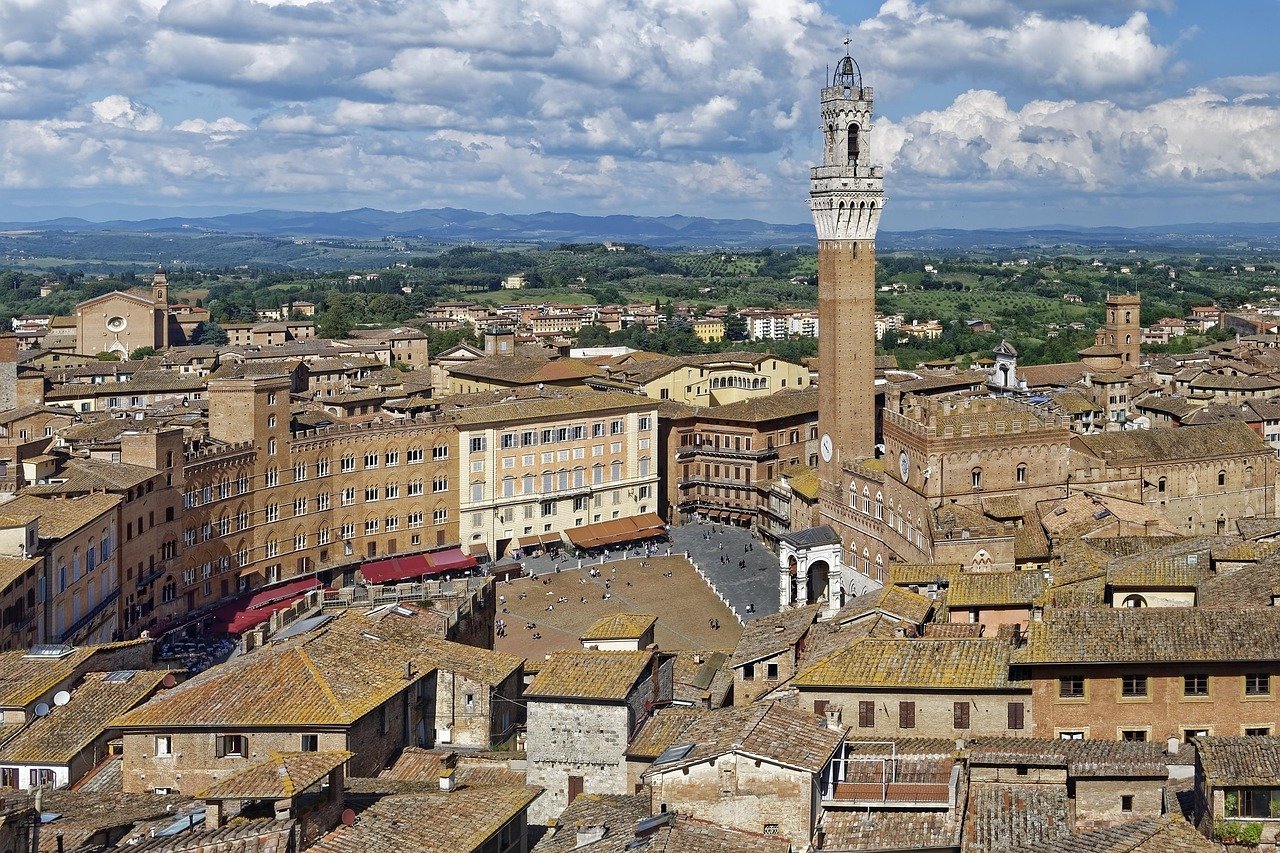
Siena’s historic centre was inscribed on the UNESCO World Heritage List in 1995, and that single fact explains almost everything about how the city works as a luxury destination. You are not coming here for beach clubs or rooftop infinity pools over the sea. You are coming for a medieval shell so intact that the Italian state treats it as a monument, and for the handful of hotels, cellars and dining rooms that have learned to operate beautifully inside it.
That constraint is the whole appeal. Siena rewards travellers who plan around preservation rather than fight it. This guide covers where to sleep, what to eat, how to move through the city, and the mistakes that quietly ruin otherwise excellent trips.
Why Siena Works as a Luxury Destination
Most Italian luxury travel clusters around Florence, Lake Como and the Amalfi Coast. Siena sits in a different category: smaller, quieter, and structurally resistant to overdevelopment. The Piazza del Campo, the shell-shaped square at its heart, is still the civic living room it was in the thirteenth century. The Torre del Mangia still towers over it. The Duomo still holds works by Duccio, Donatello and Michelangelo within a few hundred metres.
For luxury travellers, the payoff is density. You can walk from a five-star suite to a Renaissance fresco in four minutes. You can drink a Brunello poured by the family that made it, then walk home through streets that have not changed shape in six hundred years. Very few places on earth compress history and pleasure this tightly.
The trade-off is real, and worth stating plainly: Siena has limited five-star inventory, almost no large-format resort product, and a historic centre that is largely car-free. If your idea of luxury is a private pool and a fleet of golf carts, this is not your city. If it is rarity, provenance and access, it very much is.
Where to Stay: Choosing the Right Luxury Base
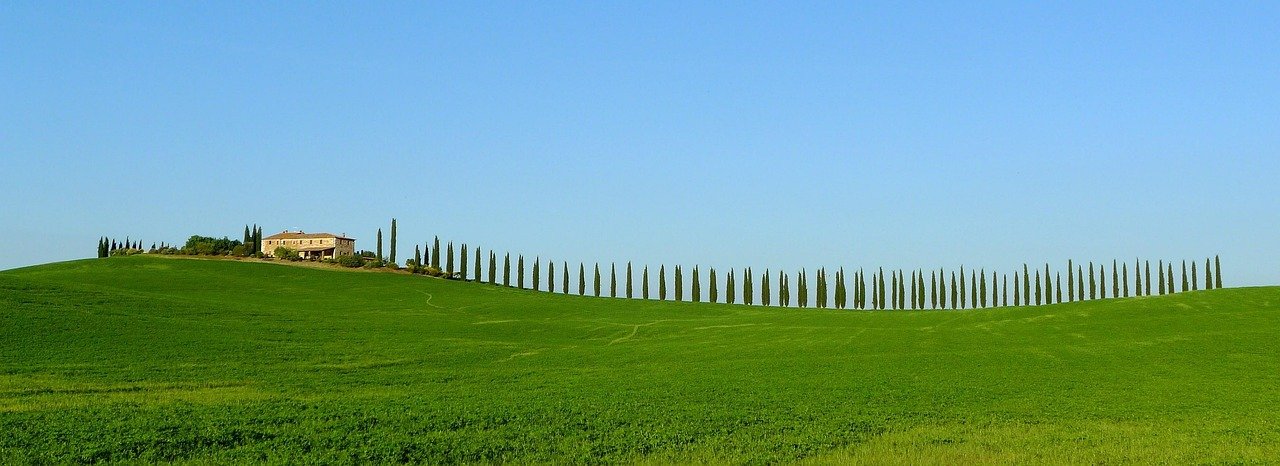
Siena’s luxury accommodation splits into three practical categories, and picking the right one matters more than picking the “best” hotel.
| Category | What You Get | Best For |
|---|---|---|
| Historic centre palazzo hotels | Walk-everywhere access, frescoed interiors, small room counts | First-time visitors, short stays |
| Countryside estates and villas | Pools, gardens, space, vineyard settings | Families, longer stays, slow travel |
| Contemporary design hotels | Modern comfort, parking, easier logistics | Drivers, business travellers, repeat visitors |
Inside the walls, the appeal is obvious: you step out of your door into the contrade districts that contest the Palio twice each summer. The trade-off is that historic buildings mean variable room sizes, occasional plumbing quirks, and no on-site parking. Ask specifically which floor your room is on and whether the windows face the street. A room over a busy vicolo can be charming at 8 p.m. and less so at 1 a.m.
Outside the walls, in the hills toward Chianti and the Val d’Orcia, you get space, pools and vineyards. You also get a car dependency. Siena’s rail station sits outside the historic centre, and the bus link up to the centre is the standard connection, so confirm current timetables with the local operator before you build an itinerary around it.
For a broader look at how high-end hospitality is shifting toward provenance and design, the future of luxury living is a useful read alongside your Siena planning.
A Practical Booking Tip
Book the historic centre for two to three nights, then move to the countryside for the rest. Splitting a Siena stay this way gives you the walking city and the pool without paying resort prices for days you spend on foot. It is the single most common piece of advice among repeat visitors, and it works.
What to See, and How to See It Properly
Siena rewards sequencing. Doing the Duomo, the Campo and the museums in one breath is technically possible and practically exhausting. A better rhythm:
- Day one, morning: Piazza del Campo early, before the tour groups arrive. Climb the Torre del Mangia for the city’s best orientation view.
- Day one, afternoon: The Duomo and the Piccolomini Library, whose frescoed walls are among the most extraordinary interiors in Italy. Check current hours and ticket structures with the Opera della Metropolitana di Siena, the body that manages the cathedral complex, because opening times shift by season.
- Day two: The Museo Civico in the Palazzo Pubblico, home to Ambrogio Lorenzetti’s Allegory of Good and Bad Government. Then the Santa Maria della Scala complex opposite the Duomo.
- Day three: A half-day out to San Gimignano, Monteriggioni or a Chianti estate.
The most common mistake is treating Siena as a day trip from Florence. It is 90 minutes by road and the city deserves at least two nights. Day-trippers arrive at 11 a.m. and leave at 4 p.m., which means they see Siena at its most crowded and never see it at its best. (Siena)
The Palio: Plan Around It or Avoid It
The Palio di Siena runs on 2 July and 16 August. Confirm current-year arrangements on the Comune di Siena’s official pages rather than relying on secondhand schedules. If you want the atmosphere, book accommodation many months ahead and expect prices to multiply. If you want a calm city, avoid those weeks entirely. There is no middle option.
Eating and Drinking Well in Siena
Sienese food is robust, seasonal and unapologetically regional. Expect pici (thick hand-rolled pasta), ribollita, wild boar, pecorino from the surrounding hills, and panforte at Christmas. The luxury angle here is not white tablecloths. It is access to small producers and cellars.
Three practical rules that experienced visitors follow:
- Eat one street off the Campo, not on it. The Campo is for coffee and people-watching. Its restaurants are priced for foot traffic.
- Book dinner. Good Sienese dining rooms are small. Turning up at 8:30 p.m. in high season is a gamble.
- Ask for the wine list by producer, not by price. Siena sits between Chianti Classico and Brunello di Montalcino. A knowledgeable sommelier will steer you toward small estates you cannot buy at home.
Tuscany’s wine culture is one of the great luxury assets of the region, and the broader conversation about craft, heritage and modern luxury design in Voozon’s luxury section is worth reading if you want to understand why provenance drives pricing the way it does.
A Note on Tourist Tax and Receipts
Italian cities levy a tourist tax (imposta di soggiorno), typically charged per person per night and varying by accommodation type and season. Rates change, so confirm the current figure with your hotel or the Comune di Siena directly. Also: Italian law requires receipts for services. If a restaurant or driver offers to skip it for a discount, decline. It is not a charming local custom; it is tax evasion, and it removes your consumer protection.
Getting There, Getting Around, and What to Skip
Siena has no commercial airport. Most travellers fly into Florence or Pisa and transfer by car, private driver or train. The rail station is outside the historic centre, so budget for the final bus or taxi leg. Verify current connections with the regional rail operator before you travel.
Inside the walls, you walk. That is the point. Wear shoes you can actually walk in on stone; cobblestones punish thin soles and heels, and the city is built on hills.
What to skip, honestly:
- Driving into the centre. Siena enforces a ZTL (limited traffic zone) with camera enforcement. Fines arrive by post months later. Park outside and walk or take the bus. Confirm current ZTL boundaries on the Comune’s mobility pages.
- Same-day trips from Florence. You will spend more time in transit than in the city.
- Buying “authentic” ceramics from the first shop on the Campo. Walk ten minutes and compare.
If you are building a wider Italian itinerary, pairing Siena with other high-end properties is worth planning carefully; this collection of luxury resort ideas offers useful comparison points for the rest of the trip.
The Siena Packing and Prep List
Small preparations separate a good Siena trip from a frustrating one.
- Book the Duomo and key museums ahead where online booking is offered, especially in spring and autumn.
- Pack layers. Siena sits on hills and the seasons are sharper than the coast.
- Bring comfortable walking shoes and leave the heels for dinner.
- Carry some cash for small bars and market stalls, though cards are widely accepted.
- Download an offline map. Medieval street patterns confuse GPS, and the city is a maze by design.
- Check opening hours the week you travel. Italian museum hours shift seasonally and are not always updated on aggregator sites.
The single most useful habit: verify anything time-sensitive on the official operator’s site within 48 hours of arrival. Aggregators lag. Official pages are the only reliable source for hours, closures and ticket rules.
Conclusion
Siena is not a destination you conquer. It is one you slow down for. The city’s genius is that its luxury is structural rather than decorative: a perfectly preserved medieval core, a cathedral complex of genuine world rank, wine country on three sides, and a scale that lets you walk everywhere that matters.
Plan around the constraints rather than against them. Stay inside the walls for a few nights, then retreat to the hills. Book dinner. Skip the car. Verify hours before you go. Do that, and Siena delivers something increasingly rare in European travel: a beautiful place that has not been optimised into blandness.
Frequently Asked Questions
How many days should you spend in Siena?
Two to three nights is the practical minimum for the historic centre. That allows a full day for the Duomo complex and museums, a morning on the Campo and Torre del Mangia, and unhurried evenings. Add two more nights if you want countryside day trips into Chianti or the Val d’Orcia.
Is Siena expensive compared with Florence?
Generally, Siena is slightly less expensive than Florence for equivalent quality, particularly for dining and mid-range hotels. Its five-star inventory is smaller, though, so top-tier rooms can cost more than expected in high season. Booking months ahead is the most effective way to control cost.
Can you drive into central Siena?
No. The historic centre is protected by a ZTL with camera enforcement, and fines are issued by post. Park outside the walls in a signed garage and walk or take the local bus. Confirm current ZTL boundaries on the Comune di Siena’s mobility pages before you drive.
When is the best time to visit Siena?
Late April to June and September to October offer the best balance of weather, light and crowd levels. July and August are hot and busy, and the Palio dates of 2 July and 16 August transform the city entirely. Winter is quiet, atmospheric and considerably cheaper.
Do you need to book the Duomo in advance?
Advance booking is strongly advised in spring and autumn, when tour groups fill the morning slots. Ticket structures and opening hours change seasonally, so check directly with the Opera della Metropolitana di Siena, the official body managing the cathedral complex, in the week before you travel.
What should you avoid in Siena?
Avoid treating Siena as a day trip from Florence, driving into the centre, and eating on the Campo itself. Also decline any offer to skip a receipt for a discount; Italian law requires one, and it protects you as a buyer. Verify opening hours on official sites rather than aggregators.