
Sally Cars: What the Term Means & Buyer’s Guide 2026
 Abdul WadoodLast updated
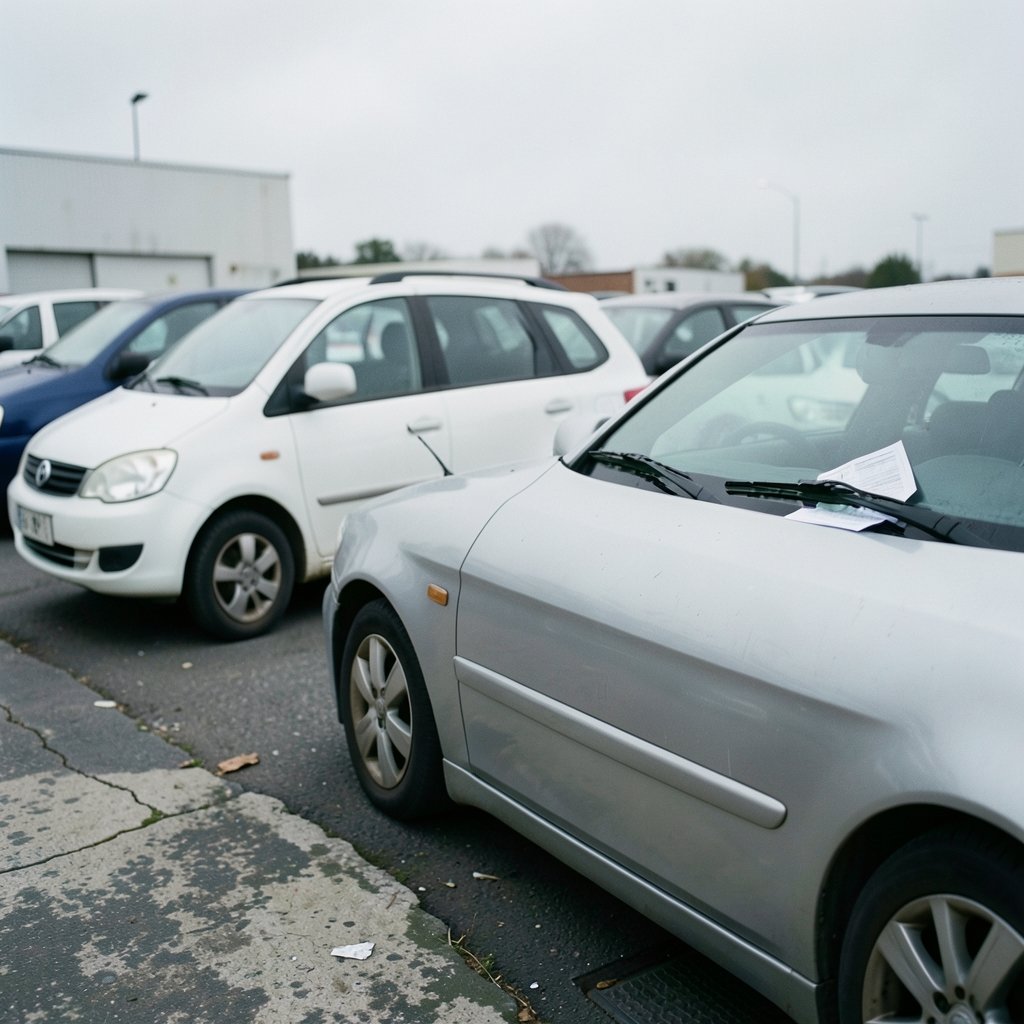
In the United States, roughly 35 to 40 million used vehicles change hands every year, and a meaningful slice of those transactions involve cars that carry a nickname, a salvage brand, or a story. That is where the phrase “sally cars” keeps surfacing. Search it and you will find forum threads, marketplace listings, and confused buyers asking the same thing: what exactly is a Sally car? (Sally Ride)
The honest answer is that “sally cars” is not an official industry term. It is a colloquial label, and what it means depends entirely on who is saying it and where they live. This guide breaks down the most common interpretations, explains what to check before you buy, and shows how to avoid the expensive mistakes people make when they chase a nickname instead of a vehicle history report.
Why “Sally Cars” Is an Ambiguous Term
Unlike certified pre-owned or salvage title, “sally car” has no legal definition and no entry in vehicle title regulations. It is slang, and slang drifts. A dealer in one state might use it to describe a repossessed sedan, while a hobbyist in another uses it for a project car pulled from a field.
That ambiguity matters because buyers often search a nickname, find a listing, and assume the seller is using the term the same way they are. The gap between what the buyer thinks the word means and what the seller actually means is where disputes begin.
The most defensible approach is to treat “sally cars” as a starting point for a conversation rather than a category. Ask the seller directly what they mean, then verify everything against paperwork. According to the Federal Trade Commission’s guidance on buying a used car, buyers are entitled to see the Buyer’s Guide window form, which discloses warranty status and major mechanical conditions. That document is far more useful than any nickname.
The Most Common Interpretations
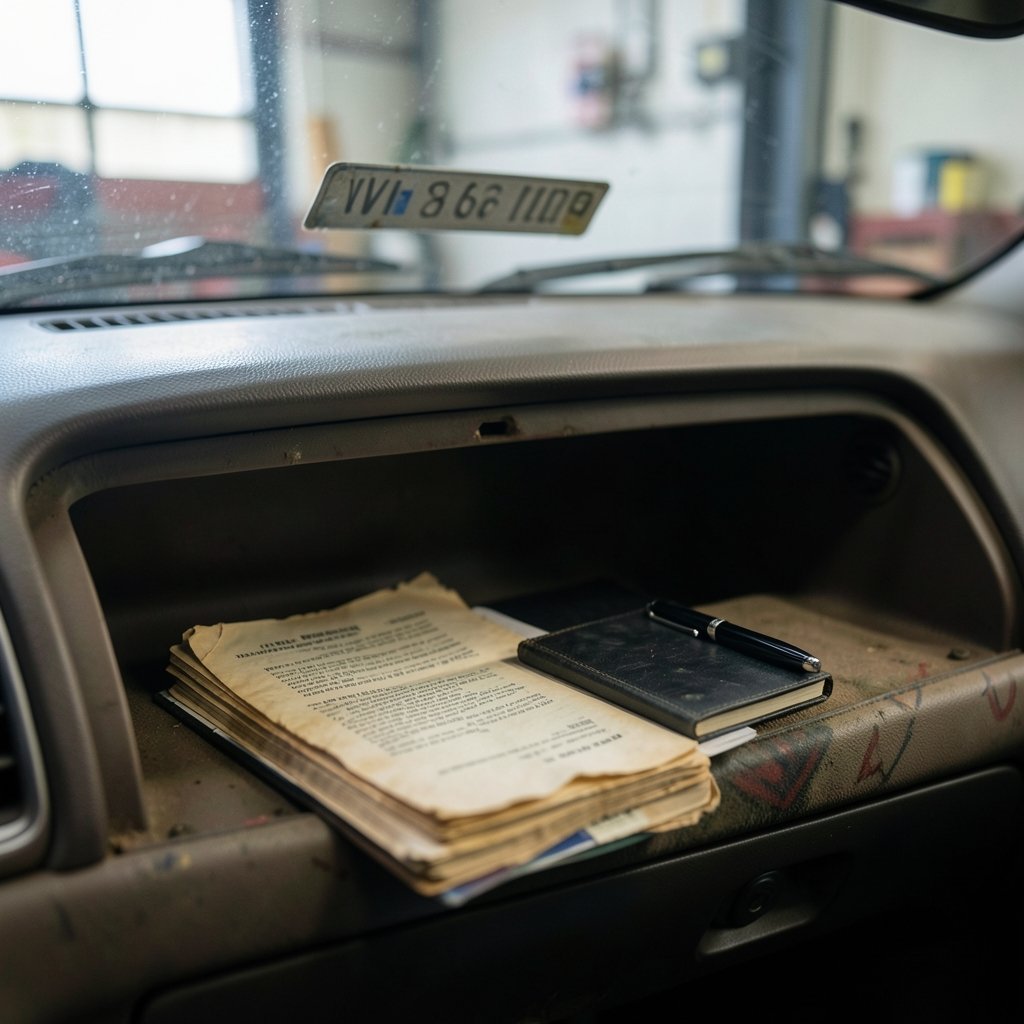
1. A Nickname for a Specific Vehicle
Plenty of families name their cars. A “Sally” might be a well-worn station wagon, a first car handed down through siblings, or a vehicle with a distinctive color or quirk. In this sense, “sally cars” simply refers to named, personally significant vehicles.
This usage shows up heavily in enthusiast communities. People bond with machines, and naming them is part of that bond. If you are shopping and a seller describes a car as “Sally,” ask for the VIN and the maintenance file. Sentiment does not transfer with the title.
2. A Regional or Misspelled Variant of “Saloon Car”
In British and Commonwealth English, a saloon is what Americans call a sedan: a four-door passenger car with a separate trunk. Buyers who hear “saloon cars” in a video or podcast and then type “sally cars” into a search bar are chasing a spelling drift, not a distinct vehicle type.
If this is your situation, the practical takeaway is simple. You are looking for a standard sedan, and the usual used-car checklist applies. The Wikipedia entry on the sedan body style) explains the saloon/sedan naming split across markets, which helps when you are reading listings from different countries.
3. A Confusion With “Salvage” Cars
This is the interpretation with the most financial risk. Salvage vehicles are cars that an insurer declared a total loss, typically after a collision, flood, fire, or theft recovery. They are later repaired and resold, sometimes under a rebuilt or reconstructed title.
A buyer who meant “salvage” but typed “sally” may end up looking at listings that never mention the word salvage at all. That is dangerous. Rebuilt vehicles can be perfectly serviceable, but they carry lower resale value, insurance complications, and hidden structural risk. Always run a VIN check through a service like NMVTIS, the National Motor Vehicle Title Information System, which aggregates title brands from participating states.
4. Fleet and Organizational Vehicles
Some readers encounter “Sally” in the context of charity or church fleets, where vehicles are donated, refurbished, and resold. The Salvation Army, often nicknamed “the Sally Army” in parts of the English-speaking world, operates vehicle donation programs in several countries. Cars moving through these channels are typically older, higher-mileage, and priced to move.
These can be genuinely good deals for buyers who budget for repairs. They are rarely good deals for buyers who expect a warranty.
Comparison: What Each Interpretation Means for a Buyer
| Interpretation | Typical Condition | Main Risk | What to Verify |
|---|---|---|---|
| Personal nickname | Varies widely | Emotional pricing | VIN, service records, pre-purchase inspection |
| Saloon (sedan) | Standard used car | None specific | Body style, import paperwork if cross-border |
| Salvage / rebuilt | Repaired after total loss | Structural damage, insurance refusal | Title brand, frame inspection, insurer acceptance |
| Fleet or donation car | Older, high mileage | Deferred maintenance | Full inspection, service history, title transfer |
The pattern is clear. Three of the four interpretations require the same core diligence, and the fourth requires even more.
Practical Tips That Actually Work
Get the VIN Before You Get Attached
The single most common mistake buyers make is falling for a listing photo before checking the vehicle identification number. A VIN is seventeen characters, and it reveals the entire history: title brands, odometer readings, accident records, and recall status. Ask for it in writing before you schedule a viewing. Sellers who hesitate are telling you something.
Budget for the Inspection and the Car
A professional pre-purchase inspection typically costs a small fraction of the vehicle price, and it is the cheapest insurance you will ever buy. On a rebuilt or high-mileage vehicle, insist on a lift inspection that looks at frame rails, weld quality, and underbody corrosion. A clean paint job can hide a bent unibody, and no amount of enthusiasm fixes structural damage.
Read the Title, Not the Ad
Listings describe cars in glowing terms. Titles describe them in legal terms. A clean title means no total-loss brand. A salvage title means the insurer wrote it off. A rebuilt title means it was repaired and re-inspected to state standards, which vary considerably. Know which one you are buying before money changes hands.
Check Insurance Before You Commit
Some insurers decline to cover rebuilt vehicles, and others charge significantly more. Call your insurer with the VIN and ask directly. This takes ten minutes and prevents a scenario where you own a car you cannot legally or affordably insure.
Watch for Odometer and Flood Red Flags
Musty smells, fogged headlights, mismatched carpet, and freshly shampooed interiors can all signal flood damage. Odometer rollback is rarer than it once was but still happens on older vehicles. Compare the mileage on the title, the inspection report, and the wear on the pedals and driver’s seat.
For buyers comparing models rather than nicknames, resources like Voozon Cars — Reviews, Comparisons & Car Guides help narrow the field by body style and budget before you ever contact a seller.
How Nicknames Shape the Used Car Market
There is a real economic effect here. Named vehicles and cars with stories attached often sell for more than comparable anonymous ones, because the story creates emotional attachment. Sellers know this. A car described as “my late father’s Sally, runs great” invites a buyer to price sentiment into the offer.
The counterweight is documentation. A vehicle with a thick folder of receipts, a clean title, and consistent service intervals is worth more than a charming story. Buyers who learn to separate the two consistently pay less and get more car. The Harvard Business Review’s work on consumer decision-making has documented how emotional framing shifts willingness to pay, and used-car sales is a textbook case.
The same dynamic appears in how enthusiasts talk about the cars they keep. There is a growing conversation about the cars built around experience rather than spec sheets, and that framing explains why a humble, well-loved sedan can command loyalty that a faster, newer car never earns.
Common Mistakes People Make With “Sally Cars”
The first mistake is assuming the term has one fixed meaning. The second is skipping the VIN check because the seller seemed trustworthy. The third, and most expensive, is buying a rebuilt vehicle without confirming that an insurer will cover it. (Smithsonian Magazine)
Another frequent error is confusing a donation-program vehicle with a dealer trade-in. Donation cars are often sold as-is with no warranty and limited history. That is fine if you are handy with a wrench and have a repair budget. It is a poor fit for a first-time buyer who needs reliable daily transportation.
Finally, buyers sometimes overpay for a nickname. If a seller leads with the car’s name and story rather than its maintenance history, treat that as a signal to slow down and ask harder questions.
Where to Look Next
If you are actively shopping, start with body style and budget rather than terminology. Decide whether you need a sedan, a hatchback, or something larger, then filter listings by title status and mileage. Guides such as Voozon Cars — Reviews, Comparisons & Car Guides – Voozon — Discover, Review & Explore can help you compare candidates side by side before you commit to a viewing.
Once you have two or three finalists, run VIN checks on all of them, request service records, and book inspections. The process is unglamorous, and that is precisely why it works.
Conclusion
“Sally cars” is not a vehicle category. It is a nickname, a spelling drift, or a shorthand that means different things to different people. The buyers who do well are the ones who stop chasing the label and start verifying the vehicle: VIN first, title second, inspection third, insurance fourth.
Whether the car in front of you is a beloved family sedan called Sally, a saloon listed by an overseas seller, or a rebuilt salvage vehicle with a fresh coat of paint, the same discipline applies. Paperwork beats stories every time. Do the checks, budget for repairs, and walk away from anything that does not add up. That approach will save you more money than any nickname ever will.
Frequently Asked Questions
What does “sally cars” actually mean?
It has no official definition. Most commonly it refers to a personally named vehicle, a misspelling of “saloon cars” (British English for sedans), a confusion with “salvage cars,” or vehicles moving through charity and donation fleets. Ask the seller which sense they mean.
Is a salvage car the same as a rebuilt car?
No. A salvage title means an insurer declared the vehicle a total loss. A rebuilt or reconstructed title means the vehicle was repaired and passed a state re-inspection afterward. Rebuilt cars can be legal to drive but usually carry lower resale value and insurance complications.
Should I buy a car from a donation program?
It depends on your skills and budget. Donation-program vehicles are typically older, sold as-is, and come with limited history. They can be good value for buyers who can inspect and repair cars themselves, but they are risky for anyone who needs dependable daily transport with a warranty.
How do I check if a car has been in a major accident?
Get the VIN and run a title and history check through a service that pulls from state motor vehicle databases. Then commission a pre-purchase inspection that includes a lift so a technician can examine frame rails, welds, and underbody corrosion. Records and eyes on the metal together give you the clearest picture.
Can I insure a rebuilt or salvage vehicle?
Often yes, but not always, and terms vary widely. Some insurers decline rebuilt vehicles outright, while others cover them at higher premiums or with limited coverage types. Call your insurer with the VIN before you buy, and get the answer in writing if you can.
Why do named cars sometimes sell for more?
Emotional framing raises willingness to pay. A car with a story feels unique, and buyers price that feeling into their offer. The antidote is documentation: service records, a clean title, and a recent inspection are worth more than any backstory, and they give you room to negotiate.