
RC Cars for Adults: Choose the Right Hobby-Grade Machine
 Abdul WadoodLast updated
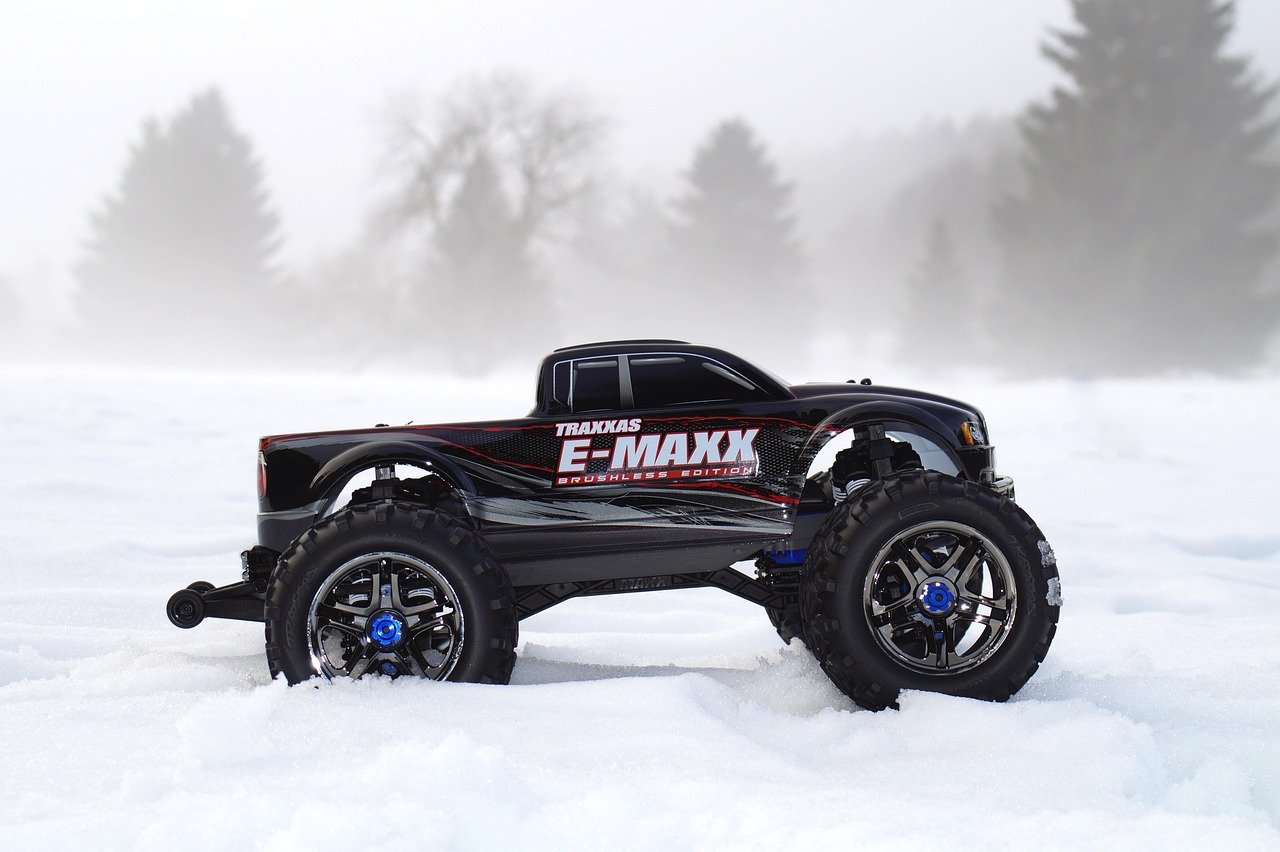
Around 50 mph. That is the kind of speed figure manufacturers print on the box of a modern brushless RC car, and it is the number that pulls most adults into the hobby. A machine the size of a shoebox, running on a lithium battery, can out-accelerate a lot of full-size cars off the line. That combination of speed, wrenching, and tuning is why RC cars have quietly become a serious adult pastime rather than a toy-aisle impulse buy.
This guide is for grown-ups who want a real machine, not a gift-shop gadget. It covers the scale classes, the power choices, the battery safety issues that catch newcomers out, and the practical mistakes that cost people money in their first month.
Why adults end up in the RC hobby
The appeal is rarely just driving. Hobby-grade cars are modular. You can swap motors, change gearing, upgrade shocks, and rebuild a differential on a kitchen table. That tinkering loop is the same reason people restore motorcycles or build PCs, and it is why the adult segment has grown well beyond the “gift for a nephew” market.
There is also a social layer. Local clubs run race nights, car parks host informal bash sessions, and forums are full of setup sheets. For adults who want a hobby that rewards patience and mechanical curiosity, RC cars sit in a sweet spot: cheaper than motorsport, more hands-on than gaming, and usable in a park or a driveway.
The first real decision is not brand. It is scale.
Scale classes explained without the jargon
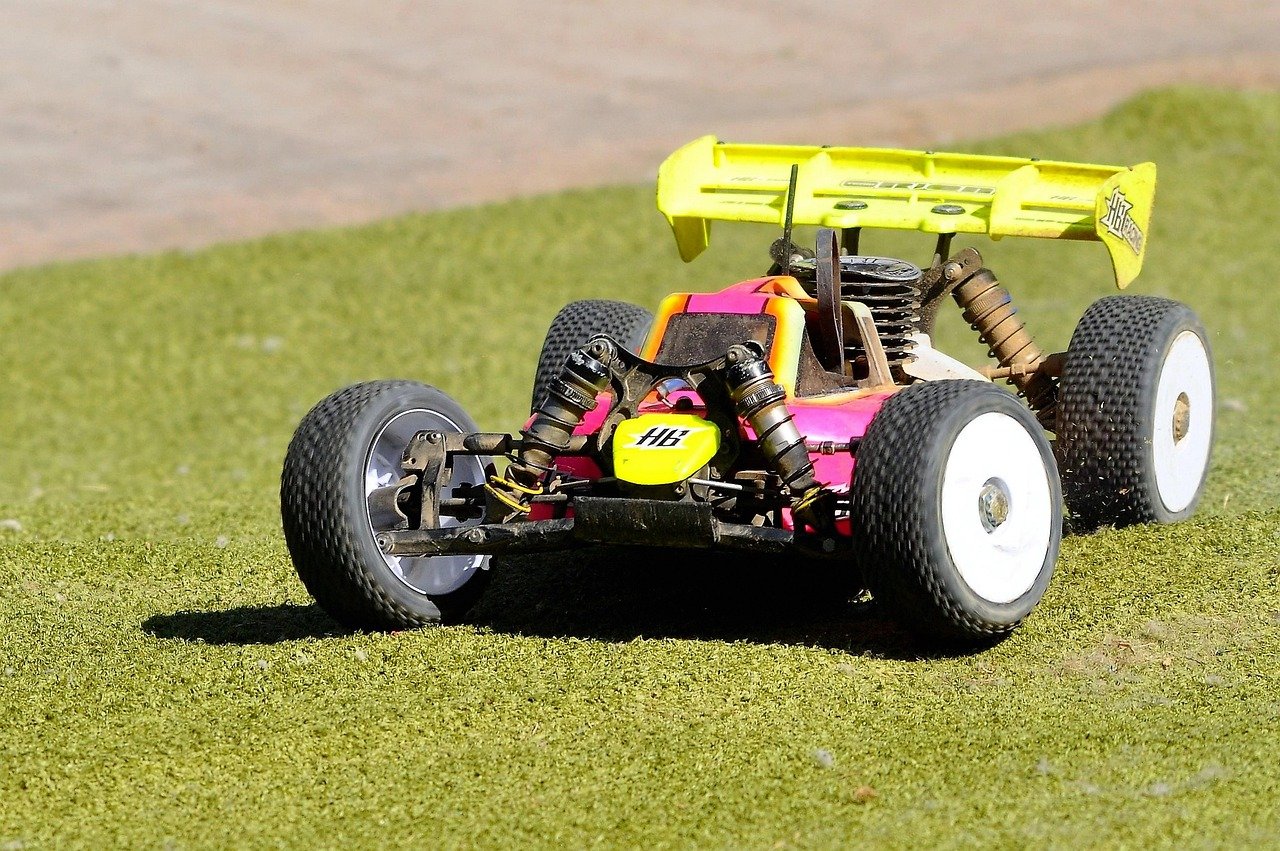
Scale describes how big the model is relative to a full-size vehicle. A 1/10 car is roughly one-tenth the size of the real thing. Scale also affects where you can drive, how much space you need, and how expensive repairs get.
| Scale | Typical length | Best for | Watch out for |
|---|---|---|---|
| 1/16 to 1/18 | 25–30 cm | Indoor use, small yards, travel | Limited ground clearance, fragile on rough terrain |
| 1/10 | 40–48 cm | The adult entry point: parks, tracks, streets | Needs decent open space |
| 1/8 | 50–55 cm | Off-road bashing, big jumps | Heavier, costlier parts, more storage space |
| 1/5 | 70 cm+ | Serious petrol or large-scale electric builds | Expensive, loud, transport is a hassle |
For most adults, 1/10 is the sensible landing zone. Parts are everywhere, the aftermarket is enormous, and a 1/10 buggy or short-course truck handles grass, gravel, and tarmac without drama. Going smaller saves money but limits where you can drive. Going bigger eats storage space and budget fast.
Electric, nitro, or petrol: the honest trade-offs
Electric dominates for good reason. It is clean, quiet enough for a suburban street, and starts every time. Brushed motors are the budget tier: simple, sealed, and fine for casual driving. Brushless systems cost more but deliver noticeably more speed, better efficiency, and far longer motor life. If the budget stretches, brushless is the upgrade that actually changes how the car feels.
Nitro cars run on glow fuel and a small internal combustion engine. They sound fantastic and offer a tuning experience that electric cannot match, but they demand needle-valve adjustment, break-in procedures, and patience. Petrol (two-stroke) models live mostly at 1/5 scale and are a niche within a niche.
The practical advice from experienced hobbyists is consistent: start electric, learn how a chassis behaves, and only move to fuel if the engine-tuning side genuinely appeals. Fuel cars are a hobby within the hobby, and plenty of people buy one, run it twice, and go back to electric.
Battery reality: LiPo is better and demands respect
Modern hobby-grade electric cars have largely moved from nickel-metal hydride packs to lithium polymer (LiPo) batteries. LiPo delivers more voltage per cell, holds charge better, and sheds weight. It also requires discipline.
The recurring mistakes are predictable. People charge a pack unattended on a flammable surface. They run a pack below its minimum voltage and permanently damage it. They store packs fully charged for months. They puncture a cell in a crash and keep using it.
What actually works is boring and effective: charge on a non-flammable surface, never leave a charging pack alone, use a charger with a balance function, and store packs at storage voltage. A LiPo safety bag costs very little and contains the consequences of a bad cell. Fire services and battery manufacturers publish clear guidance on lithium battery handling, and it is worth reading once before the first charge rather than after.
What the speed claims really mean
Manufacturer speed figures deserve scrutiny. A “50+ mph” claim usually assumes a specific battery, specific gearing, and a smooth surface. It is a marketing number, not a standardized test result. Real-world speed on grass will be lower, and the gearing that produces top speed often makes the car sluggish off the line and hot under load.
The useful question is not “how fast does it go” but “how fast can I control it where I actually drive.” A car that tops out at 35 mph and handles predictably is more fun in a park than one that hits 55 mph and spends half its run on its roof. Gearing down slightly is one of the cheapest, most satisfying tuning changes an adult can make.
The mistakes that cost beginners the most money
First-hand accounts from hobby forums repeat the same patterns. Avoiding these saves hundreds.
- Buying the cheapest kit and upgrading everything. The upgrades cost more than the mid-tier model would have.
- Skipping the charger upgrade. A cheap charger cannot balance cells properly and shortens battery life.
- Ignoring parts availability. A bargain model with no local parts supply becomes a shelf ornament after the first breakage.
- Running in the wrong place. Gravel and long grass destroy spur gears and overheat motors.
- Not checking the drivetrain before the first run. Loose wheel nuts and under-tightened slipper clutches cause failures in the first ten minutes.
- Overlooking storage and transport. A 1/8 truck needs a proper bag and somewhere to live.
The pattern is clear: spend on the platform and the charger, keep the rest modest, and buy from a brand with a real parts pipeline. Reviews and comparison write-ups help here, particularly those that look at parts support rather than just headline specs, such as the Voozon Cars reviews, comparisons and car guides collection, which covers how models behave over time rather than just on paper.
Where adults actually drive
Track use and backyard bashing are different disciplines with different demands. A racing buggy is set up for grip and consistency on prepared surfaces. A basher needs ground clearance, tough suspension arms, and a shell that survives rolls.
Adults with limited time often get more value from bashing: a local park, a car park after hours, a bit of gravel. It requires no club membership and no schedule. Racing rewards commitment and setup knowledge, and it is genuinely absorbing, but it is a bigger time investment than most newcomers expect.
There is a useful middle path. Many adults keep one durable basher for spontaneous runs and one more precise car for track days. The thinking behind choosing cars around the experience rather than the spec sheet is explored well in the cars built around experience, which makes the case that how a car feels to own matters more than a headline number.
Radio gear, regulations, and the boring but important bits
Most hobby-grade cars ship with a 2.4 GHz radio system, which avoids the crystal swapping and frequency clashes of older gear. In the United States, radio transmitters fall under Federal Communications Commission rules, and the FCC’s guidance on low-power radio devices is the reference point for what is permitted. In practice, off-the-shelf hobby radios comply, but it is worth knowing the framework exists. (Radio-controlled car)
Age labeling is another area where assumptions go wrong. Many hobby-grade kits carry a 14+ label. That is manufacturer labeling reflecting complexity and safety, not a universal legal threshold. The Consumer Product Safety Commission maintains recall databases and safety guidance worth checking before buying a used model, particularly for battery-related recalls.
Safety is mostly common sense, but two risks dominate: high-speed collisions and battery fires. A 50 mph car hitting an ankle or a pet is a genuine injury risk. Drive in open space, keep bystanders clear, and never run near roads with traffic.
Building a realistic first-year budget
A common mistake is budgeting only for the car. The realistic first-year spend includes the model, a decent charger, one or two spare batteries, a basic tool kit, and a small spares fund for the inevitable breakages.
| Item | Budget tier | Mid tier |
|---|---|---|
| Car (1/10, RTR) | Low | Moderate |
| Charger | Basic | Balance-capable |
| Extra LiPo packs | One | Two to three |
| Tools and spares | Minimal | Proper kit |
| Safety gear (LiPo bag) | Required | Required |
The car is roughly half the real cost. Adults who plan for the accessories from the start have a far smoother first season than those who spend the entire budget on the model. A broader set of buying guides and comparisons is available through Voozon Cars if you want to cross-check specific models before committing.
Maintenance habits that keep a car running for years
RC cars are mechanical objects that live in dust and take impacts. Maintenance is not optional. (Unmanned Aircraft Systems (UAS))
Clean the car after every run, especially around bearings and the motor. Check screw tension regularly, because vibration loosens everything. Inspect tyres for chunking and shocks for leaks. Rebuild differentials periodically, and re-grease anything that moves. Store batteries at the correct voltage, not full and not empty.
The single most useful habit is a pre-run check: wheel nuts, slipper clutch, battery strap, and a quick visual on suspension arms. It takes two minutes and prevents most avoidable failures.
Conclusion
RC cars for adults are a genuine hobby with real depth: mechanical, tunable, social, and fast enough to raise your pulse. The path that works is unglamorous. Pick a 1/10 electric model from a brand with parts support, budget properly for the charger and batteries, respect LiPo safety, and ignore the headline speed claims in favour of how the car behaves where you actually drive. Do that, and the first year is spent driving rather than waiting for parts. Do it badly, and the car ends up on a shelf. The difference is mostly planning.
Frequently asked questions
What is the best scale RC car for an adult beginner?
1/10 is the most practical starting point. It is large enough to handle grass and gravel, small enough to store and transport easily, and supported by the widest range of parts and upgrades. Smaller scales save money but limit where you can drive, while 1/8 and 1/5 models demand more space, budget, and storage.
How fast do hobby-grade RC cars actually go?
Manufacturer claims often quote 50 mph or more, but those figures assume a specific battery, gearing, and smooth surface. Real-world speeds on grass or gravel are typically lower. For most adults, a controllable 30–40 mph car is more enjoyable than a faster one that is hard to keep upright.
Are LiPo batteries dangerous for beginners?
LiPo packs are safe when handled correctly but can catch fire if punctured, overcharged, or deeply discharged. Use a balance charger, charge on a non-flammable surface, never leave charging unattended, store at storage voltage, and use a fire-resistant LiPo bag. These habits remove most of the risk.
Do I need to upgrade a ready-to-run car immediately?
No. Most ready-to-run models are usable out of the box. The upgrades that genuinely improve the experience are a better charger, quality batteries, and tyres suited to your surface. Motor and suspension upgrades are better judged after you know how the car behaves and what you actually want from it.
Is nitro or electric better for adults?
Electric is the better starting point for almost everyone: cleaner, quieter, more reliable, and easier to maintain. Nitro offers a richer tuning experience and a distinctive sound, but it demands engine break-in, needle adjustment, and more patience. Choose nitro only if the engine side genuinely appeals.
How much should an adult budget for the first year?
Plan for roughly double the price of the car itself. A balance-capable charger, two or three LiPo packs, a basic tool kit, a LiPo safety bag, and a small spares fund are all part of the real cost. Budgeting for accessories upfront avoids the common pattern of overspending on the model and then cutting corners on safety gear.