
How to Prevent Wrinkles in Packed Clothes: 2026 Guide
 Abdul WadoodLast updated
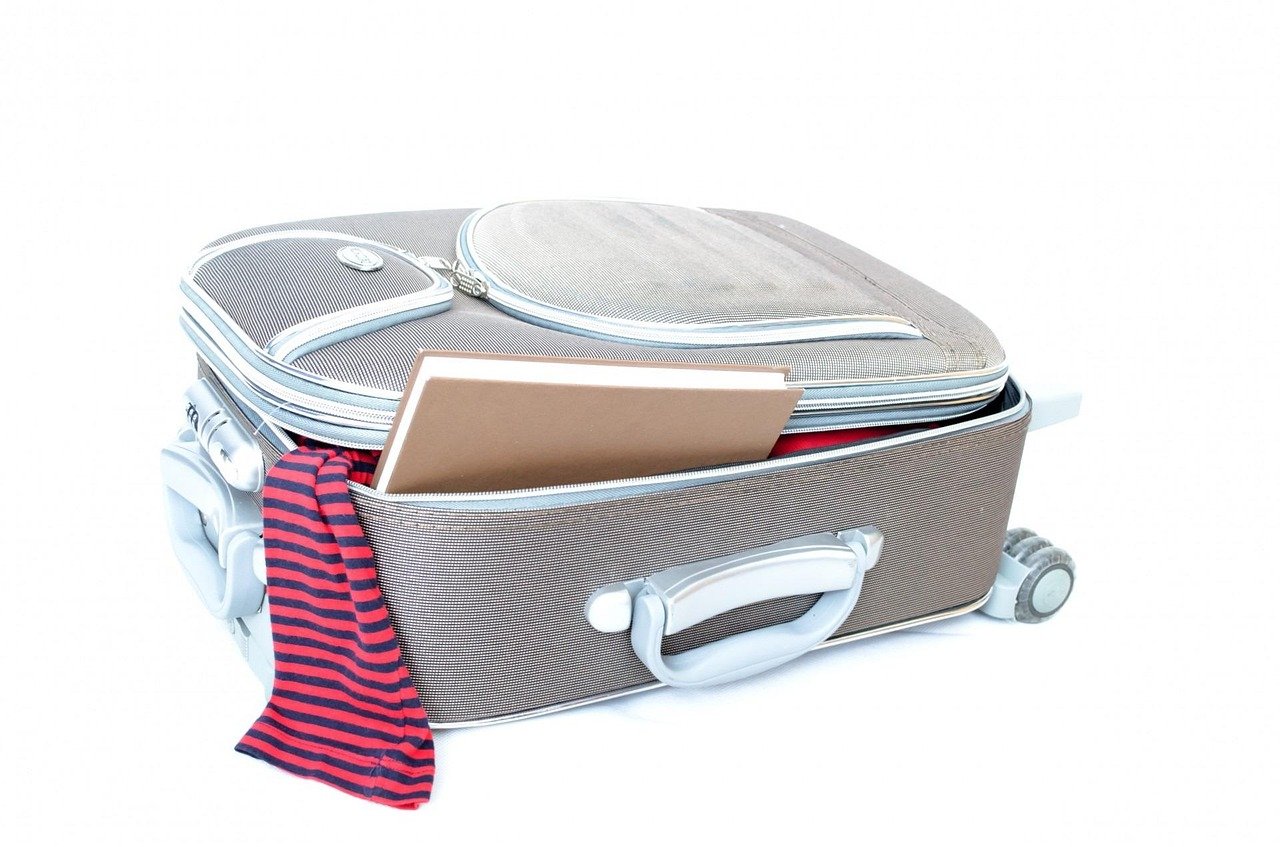
A wrinkled shirt on arrival can undo an hour of careful packing. And the problem is bigger than most travelers think: the average suitcase sits under a stack of other bags in a car trunk or cargo hold for hours, and every one of those hours presses fresh creases into fabric. Creases don’t just appear at the moment of folding. They set under weight, heat, and time. That single fact explains why some packing methods work and others quietly fail.
The good news is that wrinkle prevention is a system, not a trick. Fabric choice, fold technique, packing order, and what happens after arrival all matter. Get four or five of these details right and a traveler can open a bag after a long trip to clothes that look nearly pressed. (Wrinkle)
Why Clothes Wrinkle in a Suitcase
Two forces do the damage: compression and friction. When clothes are packed tightly, the fabric at every fold line is pinched between layers above and below. Add the weight of a loaded bag resting on a hotel floor or being tossed into a car, and those pinch points become permanent creases.
Heat makes it worse. A suitcase in a warm trunk behaves a bit like a low-temperature iron: warmth plus pressure plus time is exactly the formula for setting a crease. Natural fibers like cotton and linen hold these lines stubbornly, while wool and many synthetics recover better because their fibers have more natural elasticity.
There’s also a fiber-level story. Cotton fibers bond to each other through hydrogen bonds when pressed; that’s why a crisp cotton shirt creases so easily and why steam relaxes it so effectively. Understanding that chemistry is the difference between fighting wrinkles and preventing them.
Start With Fabric Choice, Not Packing Skill

The most effective wrinkle strategy begins before anything goes into the bag. No folding technique rescues a linen blazer from a tightly packed carry-on.
| Fabric | Wrinkle resistance | Packing notes |
|---|---|---|
| Linen | Low | Creases on contact; best for short trips or relaxed settings |
| Crisp cotton | Low to moderate | Holds sharp fold lines; roll rather than fold |
| Wool (worsted) | High | Recovers from creases with hanging and steam |
| Polyester blends | High | Excellent for travel; resists set-in folds |
| Jersey knits | High | Drapes well; rarely shows creases |
| Silk | Moderate | Light and packable but shows sharp folds |
A practical rule: build a travel wardrobe around knits, wool, and blends, and treat linen as an optional extra for warm-weather trips where a slightly rumpled look is acceptable. Anyone who has fought a losing battle with a linen shirt knows the fabric usually wins.
Roll, Don’t Fold (Mostly)
Rolling is the single most repeated packing tip, and it earns its reputation. A rolled garment has one gentle curve instead of several sharp fold lines, and the roll compresses evenly rather than pinching at edges.
But rolling isn’t universal. Structured items like blazers, dress shirts with stiff collars, and anything with a defined shape need different handling. A useful split:
- Roll: t-shirts, knit tops, casual trousers, underwear, socks, sleepwear, workout clothes.
- Fold with cushioning: dress shirts, blouses, trousers with a sharp front crease.
- Don’t fold at all: blazers and dresses, which belong in a garment bag or laid flat on top.
The common mistake is rolling everything, including a blazer, then wondering why the shoulders look collapsed on arrival. Match the method to the garment, not to a viral packing video.
The Tissue Paper and Packing Cube Method
For items that must be folded, cushioning the fold lines is the highest-value trick in packing. Placing a sheet of acid-free tissue paper or a thin plastic bag at each fold line gives the fabric something soft to bend around, so the crease never becomes sharp enough to set.
The technique is simple and takes seconds per garment:
- Lay the shirt face down and smooth it flat with your hands.
- Place a sheet of tissue paper along the center back and across the shoulders.
- Fold the sleeves in behind the back, then fold the shirt in thirds.
- Tuck a little more tissue into the final fold line.
- Place the folded shirt at the top of the stack, not the bottom.
Packing cubes work on the same principle at a larger scale. They limit how much each garment is compressed, because the cube walls absorb pressure that would otherwise land on the fabric. Cubes also stop clothes from sliding against each other, which reduces friction creases during transit. Compression cubes, by contrast, are a trade-off: they save space but press harder, so they suit casual knits better than dress clothes.
Pack Heaviest at the Bottom, Lightest on Top
Gravity is a packer’s ally if it’s used correctly. Heavy items like shoes, jeans, and toiletry bags belong at the bottom near the wheels, where they support the bag’s structure. Light, crease-prone items like shirts and blouses go on top, where they bear the least weight.
A few practical refinements that experienced packers swear by:
- Stuff shoes and bags with socks or small items. This holds their shape and uses dead space that would otherwise be filled with more clothes.
- Line the suitcase with a dry-cleaning bag before loading. The slippery plastic lets layers shift slightly instead of gripping and creasing.
- Leave a little slack. A bag packed to bursting guarantees wrinkles. Closing a suitcase should require gentle pressure, not a knee.
- Use the perimeter. Roll socks and underwear into the gaps around the edges so the central stack stays uncompressed.
The overpacking point deserves emphasis. Compression is the main cause of set-in creases, so the simplest anti-wrinkle intervention is often taking one fewer outfit.
Fold Dress Shirts and Trousers the Right Way
Dress shirts are the hardest case because their collars and plackets show every flaw. The standard approach that holds up in practice:
- Button the shirt and turn it face down.
- Fold one sleeve straight back across the shoulder, then the other, so they overlap slightly.
- Fold the shirt in half vertically, then in thirds horizontally, placing tissue at each fold.
- Pack it face up at the very top of the bag, or better, in a dedicated shirt folder.
Trousers are easier. Fold them in half lengthwise so the front crease meets itself and is protected inside the fold, then fold in thirds and place them along the side of the bag rather than flat under everything else. For suits, the classic inside-out fold (turn one shoulder inside the other, then fold in half) protects the jacket’s structure surprisingly well.
What to Do on Arrival
Wrinkle prevention doesn’t end when the suitcase closes. The first ten minutes in a hotel room matter more than most people realize.
- Unpack immediately. Clothes left compressed for a day after arrival set new creases.
- Hang everything that was folded, and give it space rather than cramming it into a closet.
- Use shower steam. Hanging a shirt in a bathroom during a hot shower relaxes many creases in cotton and wool. It’s not as effective as an iron, but it’s free and requires no equipment.
- Pack a travel steamer or use a wrinkle-release spray if the trip involves formal events.
- Shake out and smooth with your hands before hanging. A light stretch while the fabric is relaxed helps it recover.
For anyone who also battles bumps and irritation from tight clothing or shaving on the road, there’s a related grooming issue worth understanding: ingrown hairs happen for reasons you can stop, and the same prevention-first mindset applies to both problems.
Common Packing Mistakes That Cause Wrinkles
Even careful packers fall into predictable traps. These are the ones that show up again and again:
Packing too tight. The most common mistake by far. A full bag feels efficient but crushes every layer.
Folding crisp creases into cotton. A hard fold line on cotton becomes a permanent crease under weight. Roll it or cushion it.
Mixing heavy and light items. A toiletry bag resting on a silk blouse will leave a mark that no hotel iron fully removes.
Leaving clothes in the bag after arrival. Every hour compressed is another hour for creases to set.
Ignoring the return trip. Dirty clothes get stuffed back in with no method, and the trip home produces the worst wrinkles of all. A separate laundry bag or cube solves this.
Choosing the wrong fabrics. Bringing linen on a business trip and hoping for the best is a planning failure, not a packing failure.
When Wrinkles Are Unavoidable
Some creases will happen no matter what. A long-haul flight, a soft duffel bag, or a rainy arrival can defeat even the best system. In those cases, the goal shifts from prevention to fast recovery.
Hanging a garment in a steamy bathroom for fifteen minutes handles most light creases. A handheld steamer handles the rest. For serious cases, a hotel iron with a pressing cloth protects delicate fabrics from shine. And a small bottle of wrinkle-release spray earns its place in a toiletry kit for trips where appearance matters.
It also helps to build in slack. Arriving the evening before an event, rather than an hour before, gives clothes time to hang and relax. Time is the cheapest wrinkle remedy available.
Conclusion
Preventing wrinkles in packed clothes comes down to a handful of habits applied consistently: choose wrinkle-resistant fabrics, roll what can be rolled, cushion the fold lines on what can’t, pack light items on top, and unpack the moment the bag is opened. None of these steps is complicated on its own. Together they turn a suitcase from a crease-making machine into a reasonably gentle way to move clothes from one place to another.
The deeper lesson is that wrinkles are a physics problem, not a luck problem. Compression, heat, and time cause them. Reducing any one of those three reduces the damage. A traveler who packs with that in mind will open a bag to clothes that look almost as good as they did at home, and that’s a small but genuine pleasure at the end of a long journey.
Frequently Asked Questions
Does rolling clothes really prevent wrinkles?
Yes, for most casual garments. Rolling creates one gentle curve instead of several sharp fold lines, and it compresses evenly. It works best for t-shirts, knits, and casual trousers. Structured items like blazers and dress shirts still need folding with cushioning or a garment bag.
What is the best fabric for wrinkle-free travel?
Wool, polyester blends, and jersey knits are the most wrinkle-resistant options. They recover their shape after compression and resist set-in creases. Linen and crisp cotton are the worst choices for a tightly packed bag, though they can work if rolled or cushioned with tissue paper.
Should I use packing cubes or compression bags?
Packing cubes are generally better for wrinkle prevention because they limit compression and reduce friction between garments. Compression bags save space but press clothes harder, which sets creases. Use compression bags for bulky casual items and cubes for anything that needs to look crisp.
How do I pack a dress shirt without wrinkles?
Button the shirt, lay it face down, fold the sleeves behind the back, and fold in thirds with tissue paper at each fold line. Place it at the top of the bag or in a dedicated shirt folder. On arrival, hang it immediately and let shower steam relax any remaining creases.
Can I prevent wrinkles without an iron?
Yes, in most cases. Hanging clothes in a steamy bathroom for ten to fifteen minutes relaxes creases in cotton and wool. A travel steamer or wrinkle-release spray handles tougher cases. Unpacking immediately and giving garments space to hang is the most effective no-iron step.
Why do my clothes wrinkle even when I pack carefully?
Overpacking is usually the culprit. A bag packed to bursting compresses every layer, and compression is the main cause of set-in creases. Leaving some slack, packing heavy items at the bottom, and choosing wrinkle-resistant fabrics will fix most recurring problems.