
How to Plan a Mediterranean Sailing Trip: 2026 Step-by-Step
 Abdul WadoodLast updated
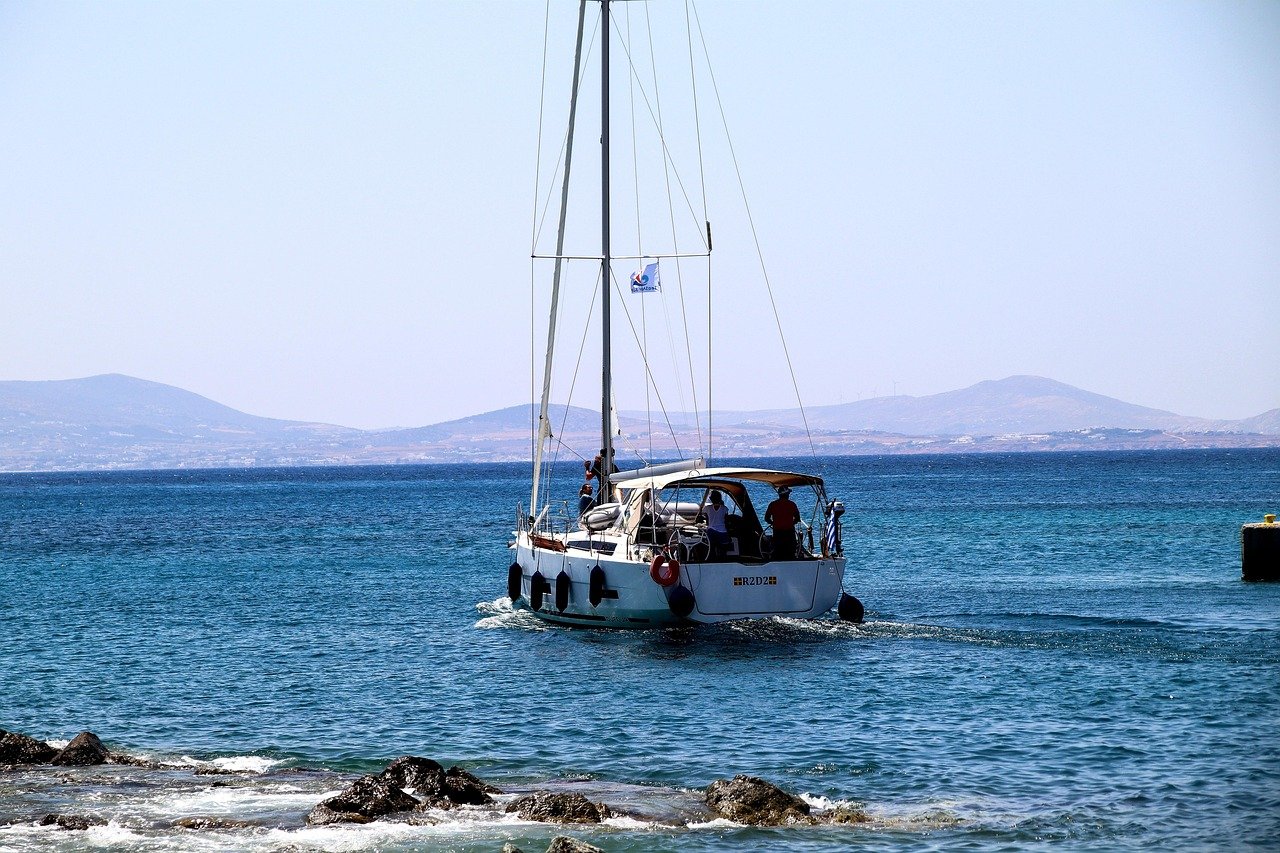
The Mediterranean covers roughly 2.5 million square kilometers and touches more than 20 countries, which means “sailing the Med” is less a single trip than a dozen different holidays wearing the same name. A crew that books a boat in Croatia expecting quiet coves can end up in a marina packed like a floating car park in August. A family that picks Greece for gentle swimming can meet the Meltemi, a summer wind that has sent more than a few picnic lunches airborne.
The good news: almost every planning mistake is predictable, and therefore avoidable. This guide walks through the real decisions — timing, licensing, route, budget, provisioning, and safety — in the order that actually matters. It also covers the boat itself, and if you are still weighing whether to own, charter, or buy into a syndicate, the breakdown in this guide to hair transplant procedures is a useful reminder that big-ticket decisions deserve the same scrutiny you would give a yacht purchase. Different topic, same discipline.
Start With the Season, Not the Destination
Most charter companies in the Mediterranean operate from April to October, but those months are not interchangeable. The practical window for reliable weather and open facilities runs from May through September, with distinct trade-offs across it.
| Period | Weather | Crowds and Prices | Best For |
|---|---|---|---|
| May–early June | Mild, 20–25°C, unsettled afternoons possible | Low to moderate | Quiet anchorages, hiking ashore, flexible crews |
| Late June | Warm and stable | Rising fast | Shoulder-season value |
| July–August | Hot, 30°C+, strong Meltemi in the Aegean | Peak; marina berths scarce and expensive | School holidays, long daylight, warm swimming |
| September | Warm sea, softer winds | Dropping sharply | The sweet spot for many experienced crews |
| October | Cooling, more rain | Low | Short breaks, southern latitudes |
The Meltemi deserves its own paragraph. This northerly wind funnels down the Aegean in July and August, often blowing for days at force 6 to 7, and some charter fleets restrict certain routes or require a skipper during strong episodes. If your heart is set on the Cyclades in high summer, plan for wind days and build slack into the itinerary. If you want calm water and easy hops, look west to Sardinia, Corsica, or the Balearics, or sail Greece in June or September instead.
Sort Out Licensing and Paperwork Early
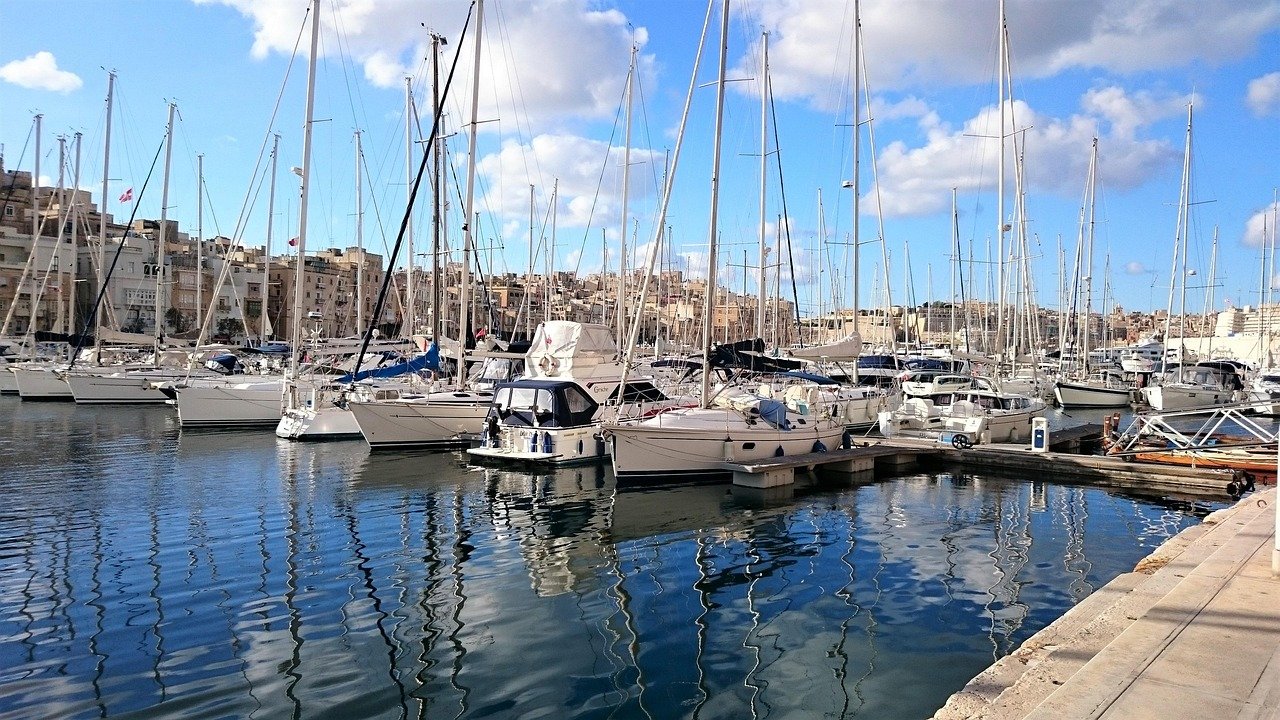
This is the step people leave until three weeks before departure, and it is the one most likely to cancel a trip. Most bareboat charters in the Mediterranean require proof of competence — commonly an International Certificate of Competence (ICC) or a national equivalent, plus a VHF radio licence in many countries. National rules vary considerably, and some countries impose additional requirements on the skipper or on crew composition.
The practical checklist:
- Confirm the exact licence the charter company and the flag state require, in writing.
- Check whether a VHF/SRC certificate is needed for the radio.
- Verify passport validity and visa rules for every crew member, including any non-EU sailors.
- Ask the charter company how the crew list is submitted and whether it must be filed before arrival.
- Confirm insurance — both the boat’s cover and any personal liability policy.
Rules change, and they are enforced at the marina, not at the booking stage. Verify everything with the relevant maritime authority and get the charter company’s requirements in writing. A skipper who arrives with the wrong certificate is a skipper watching the boat leave without them.
Choose a Base and a Route That Match Your Crew
The Mediterranean’s charter bases cluster in a handful of well-serviced regions. Each has a personality, and matching it to your crew matters more than picking the postcard.
- Croatia (Split, Dubrovnik, Trogir): sheltered island-hopping, strong infrastructure, busy in peak season.
- Greece (Athens, Lefkas, Corfu): huge variety, from the Ionian’s gentle sailing to the Aegean’s bigger winds.
- Spain (Palma, Ibiza): short hops, good food, high summer prices.
- Italy (Olbia, Naples, Sicily): dramatic coastlines, more challenging navigation in places.
- Turkey (Marmaris, Bodrum): excellent value, quiet anchorages, straightforward formalities.
For a first bareboat trip, a one-way route with a drop-off at a different base often beats a loop, because it removes the pressure to race back. Keep daily distances realistic: 15 to 25 nautical miles suits most crews, and anything above 35 gets tiring fast when you factor in anchoring, swimming, and cooking.
A useful rule of thumb from experienced charterers: plan for two-thirds of the mileage you think you can handle. Weather, late starts, and the lure of a good swimming spot will eat the rest.
Build a Realistic Budget
Charter fees are only the headline number. The true cost of a Mediterranean sailing trip includes several layers, and the extras often add 30 to 50 percent to the base price.
| Cost Category | What It Covers | Typical Pattern |
|---|---|---|
| Charter fee | The boat, by week | Highest in July–August |
| Security deposit | Refundable damage cover | Held on a card at check-in |
| Fuel and water | Engine hours, refills | Modest; more if you motor a lot |
| Marina and mooring fees | Berths, buoy fees | Varies hugely by country and season |
| Provisioning | Food and drink for the crew | Cheaper if you shop ashore |
| Skipper (if needed) | Professional crew | Daily rate plus food |
| Insurance and taxes | Local taxes, tourist fees | Often charged separately |
Two practical tips that save real money: provision at a supermarket rather than through a pre-ordered package, and anchor or pick up a buoy instead of taking a marina berth whenever the weather allows. A night at anchor costs nothing and is often the best night of the trip.
Provisioning and Life Onboard
Feeding a crew of six to eight for a week is a logistics exercise, not a cooking competition. The crews that eat well are the ones that plan simply.
- Buy heavy staples ashore before boarding: water, rice, pasta, oil, coffee, tinned goods.
- Shop daily for fresh food at island markets — it is cheaper and far better.
- Plan for one-pot meals. Wind and tiredness make elaborate cooking unrealistic.
- Bring more water than you think. Reusable bottles beat single-use plastic, and refills are not always available.
- Check the galley before you shop. Some charter boats have two burners and one small fridge; plan around that.
A common mistake is over-provisioning on day one. Half of it comes home, or goes in the bin. Buy for three days, then restock.
Safety, Weather, and Daily Routine
Safety at sea is mostly boring preparation repeated daily. The Mediterranean is generally benign, but its tidal range is small compared with the Atlantic, which creates a specific trap: crews underestimate wind-driven water levels and local effects, and they anchor too close to shore. (Mediterranean Sea)
The daily rhythm that works:
- Check the forecast twice — morning and evening — from more than one source.
- Brief the crew on the plan, the roles, and the man-overboard procedure before leaving the dock.
- Wear life jackets when conditions warrant, and insist on it for children and non-swimmers.
- Log your position and plan so someone ashore knows where you expect to be.
- Anchor with scope, then take a transit to confirm you are not dragging.
- Keep the VHF on and monitor the channel the charter company uses.
The best safety equipment on any boat is a skipper who is willing to change the plan. Turning back, skipping a leg, or staying put for a day is not failure; it is good seamanship.
Packing and the Boat Itself
Packing light is easier said than done, but charter boats have limited stowage and no tumble dryer. Soft bags beat hard cases. Bring layers, a warm top for evening wind, non-marking shoes, a hat, high-factor sunscreen, and personal medication. Leave the drone, the hard suitcase, and the “just in case” gadgets at home.
If you are considering boat ownership rather than charter, the same advice applies as with any major purchase: understand the procedure, the recurring costs, and who it actually suits. The Voozon breakdown of what a hair transplant procedure really involves makes the point well — the marketing version and the reality version are rarely the same document. A yacht survey, a mooring contract, and a maintenance budget deserve equal scepticism. (NOAA Ocean and Coasts Resource Collection)
Common Mistakes That Sink a Good Trip
Experienced charterers see the same errors repeat across the Mediterranean each summer:
- Booking the busiest week and expecting empty anchorages.
- Over-planning the route and leaving no room for weather.
- Ignoring the licence requirements until the last minute.
- Skipping the check-in briefing and then discovering the holding tank valve at the worst moment.
- Underestimating the heat — sunburn and dehydration end more trips than storms do.
- Forgetting that the skipper is working, even on holiday.
Conclusion
Planning a Mediterranean sailing trip is mostly a matter of sequencing: pick the season before the destination, confirm the paperwork before you pay, choose a base that fits your crew’s experience, and budget for the extras that the charter fee hides. The sea will supply the scenery; the planning supplies the calm. Get the boring parts right — the licence, the forecast, the water, the anchor scope — and the rest of the trip has room to be what it should be: long swims, short passages, and dinners eaten at anchor while the light goes orange. Whether you charter once or come back every September, the same principle holds. Plan tightly, then hold the plan loosely.
Frequently Asked Questions
Do you need a licence to sail in the Mediterranean?
In most cases, yes. Bareboat charter companies typically require proof of competence, such as an International Certificate of Competence or a national equivalent, and many countries also expect a VHF radio certificate. Requirements differ by country and by charter company, so confirm the exact documents in writing before booking.
What is the best month for a Mediterranean sailing trip?
June and September are the sweet spots for many crews: warm sea, manageable crowds, and softer prices than high summer. July and August bring heat, peak marina costs, and the Meltemi wind in the Aegean. May and October suit travellers who prioritise quiet anchorages over guaranteed sunshine.
How much does a Mediterranean sailing trip cost?
Costs depend on boat size, season, and region. The charter fee is only part of it — add a refundable security deposit, fuel, marina and mooring fees, provisioning, local taxes, and a skipper’s daily rate if you hire one. Expect extras to add roughly 30 to 50 percent to the base charter price.
Is the Meltemi wind dangerous for sailors?
It is manageable for competent crews but demands respect. The Meltemi blows strongly and persistently in the Aegean in July and August, and some charter fleets restrict routes during strong episodes. Plan for wind days, keep to sheltered passages, and be ready to change the itinerary.
How many nautical miles should you sail per day?
For most holiday crews, 15 to 25 nautical miles a day is comfortable. Anything above 35 becomes tiring once anchoring, swimming, and cooking are factored in. A good rule is to plan for two-thirds of the distance you think you can manage.
Can beginners sail the Mediterranean without a skipper?
Yes, but only with the right certification and honest self-assessment. Many charter companies offer flotilla sailing or a skippered first trip, which builds confidence before going bareboat. If your crew is new to anchoring, mooring, and passage planning, hiring a skipper for the first few days is money well spent.