
How to Plan a Luxury Rail Journey: Routes, Cabins and Booking Timing
 Abdul WadoodLast updated
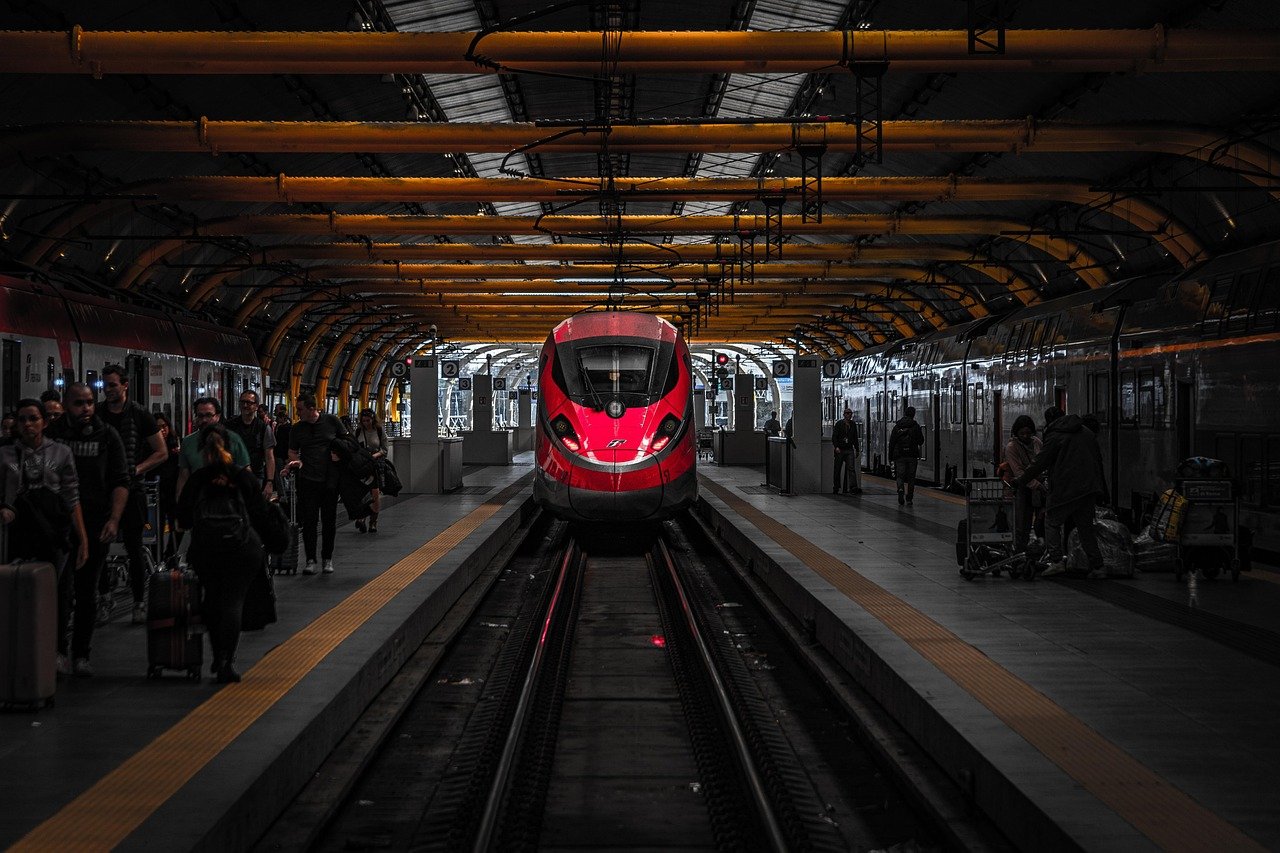
Roughly four out of five travellers say the journey matters as much as the destination, and nowhere is that truer than on a sleeper train where dinner is served at 70 km/h and the scenery arrives at your window seat. Luxury rail is having a moment: flagship services sell out months ahead, and the difference between a magical trip and a costly muddle usually comes down to planning, not budget. (The Man in Seat 61: Rail Travel Guide)
This guide walks through the practical decisions that actually shape a luxury rail journey: choosing the right train for your expectations, understanding cabin categories, timing your booking, and avoiding the mistakes that catch first-timers. It is written for travellers who want the romance of the rails without the guesswork.
Start With the Experience, Not the Train Name
Most people begin by googling a famous train and working backwards. That is usually the wrong order. The better question is: what do you want the days to feel like?
Luxury rail splits into three broad types, and they behave very differently:
| Type | What it feels like | Typical examples |
|---|---|---|
| Overnight sleeper | A moving hotel; dinner, a bed, breakfast in a new country | Venice Simplon-Orient-Express, Rovos Rail, The Blue Train |
| Multi-day expedition | A cruise on land; off-train excursions, long daylight stretches | The Ghan, Indian Pacific, Royal Scotsman |
| Scenic day train | A beautiful transfer, no bed involved | Glacier Express, Bernina Express, Rocky Mountaineer |
That last row is where a lot of plans go wrong. The Glacier Express and Bernina Express are spectacular, but they are day trains, not sleeper services. The Rocky Mountaineer runs daylight-only routes with hotel nights on land. If you book one expecting a cabin with a bed, you will be disappointed. Match the format to the fantasy first.
Match the Route to Your Available Days
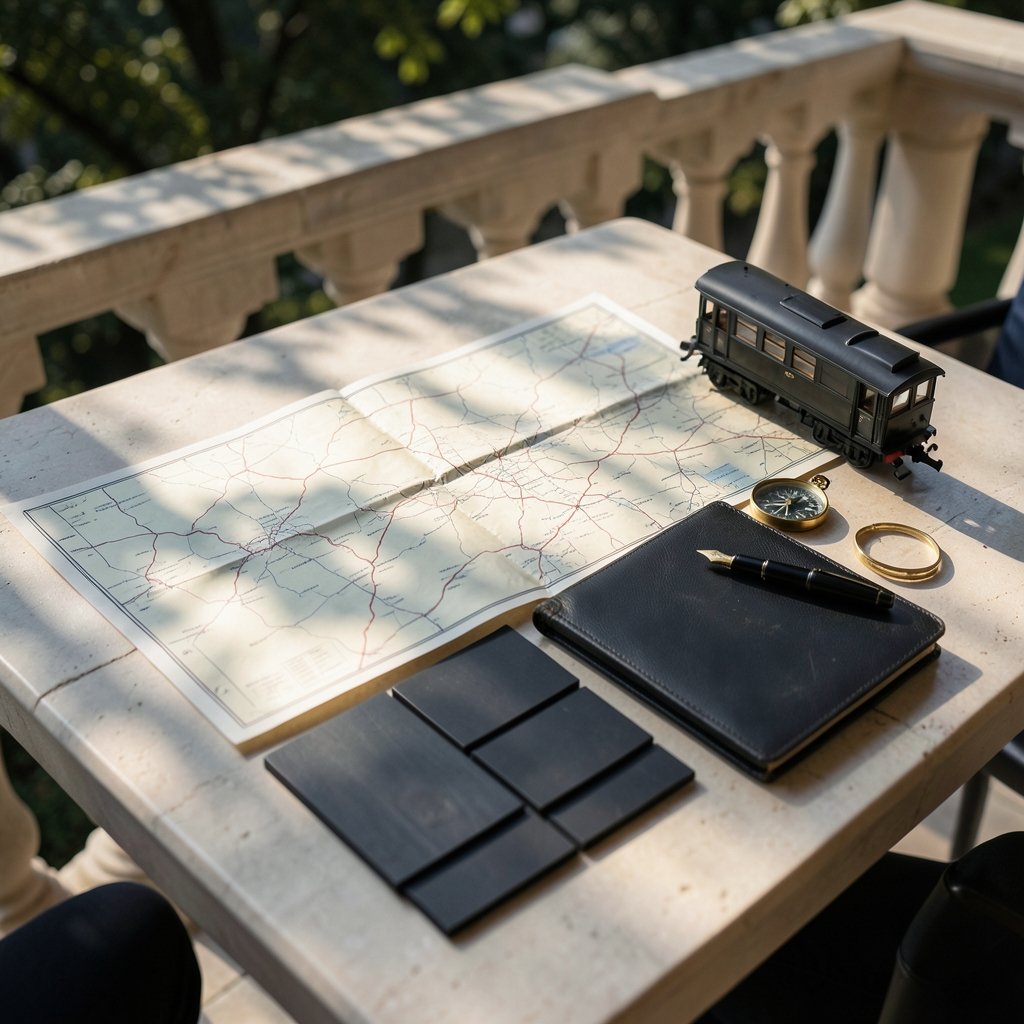
A luxury rail journey is really a scheduling puzzle. Some services are one-night hops; others swallow a week.
Broad shapes worth knowing:
- One night, two cities. London to Venice on the Venice Simplon-Orient-Express, or Pretoria to Cape Town on The Blue Train. Ideal if rail is the centrepiece of a short trip.
- Two to four nights, one country. The Ghan runs Adelaide to Darwin across roughly 2,979 km in about three days; the Indian Pacific crosses Sydney to Perth, around 4,352 km. Both are expedition-style, with long off-train stops.
- A week or more, multi-country. Grand tour itineraries that stitch several services together, often with hotel nights between legs.
Practical tip: count the transit days, not just the nights on board. A three-night train journey usually costs you four or five days door to door once you add positioning flights and transfers. If you only have a week, one flagship overnight plus a couple of city days will feel far more luxurious than a rushed grand tour.
Understand Cabin Categories Before You Compare Prices
The single biggest source of confusion in luxury rail is cabin class. Two travellers can pay wildly different sums for the same train and have completely different experiences.
Broadly, expect these tiers:
- Standard or classic twin. Compact, often with bunk-style or convertible beds and a washbasin; WC and shower may be shared down the corridor.
- Deluxe or superior. More floor space, a proper seating area by day, en-suite facilities on many services.
- Suite or grand suite. A separate lounge area, full bathroom, and often butler service. On some trains these are the only cabins with a double bed.
Two things follow from this. First, always check whether the shower is en suite. On older rolling stock, it often is not, and that detail rarely appears in glossy photos. Second, ask about single supplements. Solo travellers frequently pay a hefty premium for a double cabin, and some operators offer dedicated single cabins on selected departures.
The same logic applies across luxury categories generally: what you are buying is space, service ratio and privacy, not just a logo. That principle runs through most modern luxury buying decisions, as explored in this look at the new language of modern luxury. (Luxury train)
Book Early, but Book the Right Thing Early
Here is the planning heuristic that saves the most disappointment: premium cabins on flagship trains commonly sell out six to twelve months ahead, and several operators open sales twelve to eighteen months out. The best suites go first, not the cheapest berths.
A sensible booking timeline:
- 12 to 18 months out. Decide the route and the season. Set a reminder for the day sales open on application-based trains.
- 9 to 12 months out. Book the cabin category you actually want. Do not assume you can upgrade later; suite inventory is tiny.
- 6 months out. Book positioning flights, pre- and post-train hotels, and transfers.
- 8 to 12 weeks out. Confirm passport validity, visa requirements and any border formalities for cross-country routes.
- 2 to 4 weeks out. Reconfirm departure times, luggage rules and dress codes.
Two services deserve special mention because they do not work on a normal booking calendar. Japan’s Seven Stars in Kyushu and Train Suite Shiki-shima operate on lottery or application systems, with windows opening months in advance. If either is on your list, the planning task is not “book a ticket” but “enter the draw on time, and have a fallback.”
Do Not Underestimate the Paperwork and Practicalities
Luxury does not exempt you from admin. Cross-border rail, in particular, can involve en-route immigration checks. Switzerland and Italy sit outside some customs arrangements relative to each other, and long African routes cross national boundaries. Check the operator’s guidance and your own government’s travel advice for every country on the route.
Other practical points that catch people out:
- Passport validity. Many countries require six months beyond your return date. Check each one.
- Luggage. Sleeper cabins are small. Most operators carry larger bags separately, but you will live out of a small case for the duration. Pack accordingly.
- Dress codes. Some flagship services expect smart-casual or formal attire at dinner. It is part of the theatre, but it is not optional.
- Seasonality. Alpine and scenic routes often run limited seasons, roughly spring to autumn. Confirm the operating calendar rather than assuming year-round service.
- Mobility. Historic carriages have narrow corridors and steep steps. If anyone in your party has limited mobility, ask the operator directly before booking.
Choose the Right Season and the Right Direction
Direction matters more than most guides admit. On scenic routes, the “best” side of the train changes with the itinerary, and some operators rotate dining car seatings so everyone gets a view. Ask which direction gives the signature scenery in daylight.
Seasonality is the other lever. Alpine routes are typically at their best in clear-sky months, but that is also peak demand. Shoulder seasons often mean lower prices, thinner crowds and slightly more weather risk. For expedition trains crossing deserts, avoid the hottest months unless the operator specifically schedules around them.
If you are building a longer luxury trip around the rail leg, the same seasonal logic applies to the hotels and resorts at either end. This collection of luxury resorts for your next getaway is a useful starting point for pairing a train journey with a few nights on the ground.
Budget Beyond the Ticket
The ticket is rarely the whole cost. Build a realistic budget that includes:
- Positioning travel. Flights to the departure city and home from the arrival city.
- Hotel nights before and after, plus any land nights mid-journey on daylight-only services.
- Excursions not included in the fare. Expedition trains usually bundle these; overnight sleepers often do not.
- Gratuities. On many luxury trains, tipping is discretionary but customary, and it adds up over several days.
- Drinks and extras. Some fares are fully inclusive; others charge for premium wines and spa treatments.
A useful rule of thumb: assume the all-in cost is 25 to 40 percent above the headline fare. That buffer covers the transfers, the extra hotel night and the glass of something cold at the bar car.
Common Mistakes That Undo a Good Plan
First-hand planning experience across this category throws up the same errors again and again:
- Booking the cheapest cabin on the best train. You get the route but miss the point. If budget is tight, take a shorter journey in a better cabin.
- Treating a scenic day train as a sleeper. Covered above, but it remains the most common mix-up.
- Scheduling a flight too close to arrival. Delays happen. Give yourself a full night in the departure city.
- Ignoring the single supplement. Solo travellers should compare total costs, not per-person fares.
- Overpacking. Formal wear for dinner plus one change of clothes per two days is roughly right.
- Forgetting the return leg. Many iconic routes are one-way; the journey home needs planning too.
Where Luxury Rail Fits in a Wider Travel Style
Luxury rail sits at an interesting crossroads. It borrows the service culture of grand hotels, the logistics of cruising and the nostalgia of industrial-era design. That blend is exactly why it appeals to travellers who find resorts static and flights transactional. The broader shift toward experience-led spending, discussed in this piece on the future of luxury living, explains why rail has moved from bucket-list curiosity to a mainstream premium choice.
For travellers assembling a longer itinerary, it helps to think of the train as one chapter. A few nights in a city, a rail leg, then a resort recovery period is a well-balanced structure. Brands and design cues that define this world are worth studying before you commit, and this luxury watches, brands and design hub is a good place to calibrate expectations about what “luxury” actually delivers.
How to Actually Book: A Step-by-Step Approach
- Shortlist two or three services that match your dates and desired format.
- Read the operator’s own site, not just aggregators. Schedules, cabin plans and inclusion lists live there.
- Check the operating calendar for your travel window, especially on seasonal alpine routes.
- Compare cabins side by side using the operator’s deck plans.
- Confirm what is included: meals, drinks, excursions, transfers, gratuities.
- Book the cabin directly where possible; it simplifies changes and special requests.
- Log the booking reference and key dates in one place, including final payment deadlines.
- Reconfirm everything two to four weeks before departure.
Conclusion
Planning a luxury rail journey is less about finding the most famous train and more about matching three things: the experience you want, the days you can spare, and the cabin that delivers it. Get those aligned and book early, and the rest, the linen, the scenery and the long lunches, takes care of itself. The trains are not going anywhere. The suites, however, are.
Frequently Asked Questions
How far in advance should I book a luxury rail journey?
Aim for six to twelve months for premium cabins on flagship services, and up to eighteen months for suite categories or application-based trains. The best cabins sell out first, not the cheapest ones.
What is the difference between a luxury sleeper train and a scenic day train?
A sleeper has cabins with beds, dinner service and overnight travel. A scenic day train is a daylight transfer with no accommodation on board. The Glacier Express and Bernina Express are day trains, while the Venice Simplon-Orient-Express and Rovos Rail are sleepers.
Are meals included in the ticket price?
It varies by operator and cabin class. Many flagship sleeper services include all meals and some drinks; others charge for premium wines and excursions. Always check the inclusion list before comparing prices.
Can solo travellers book luxury trains without paying double?
Some operators offer dedicated single cabins or reduced single supplements on selected departures. Compare total costs rather than per-person fares, and ask the operator directly about solo inventory.
Do I need a visa for cross-border luxury rail routes?
Possibly. Cross-border services can involve en-route immigration checks, and entry rules depend on your nationality and the countries on the route. Check the operator’s guidance and your government’s travel advice for every country visited.
What should I pack for a multi-day luxury train?
Pack light: one small case for the cabin, formal or smart-casual wear for dinner, and layers for changing climates. Larger luggage is usually carried separately. Historic carriages have narrow corridors, so soft-sided bags are easier to manage.