
How to Plan a Cultural Weekend in New York (2026 Guide)
 Abdul WadoodLast updated
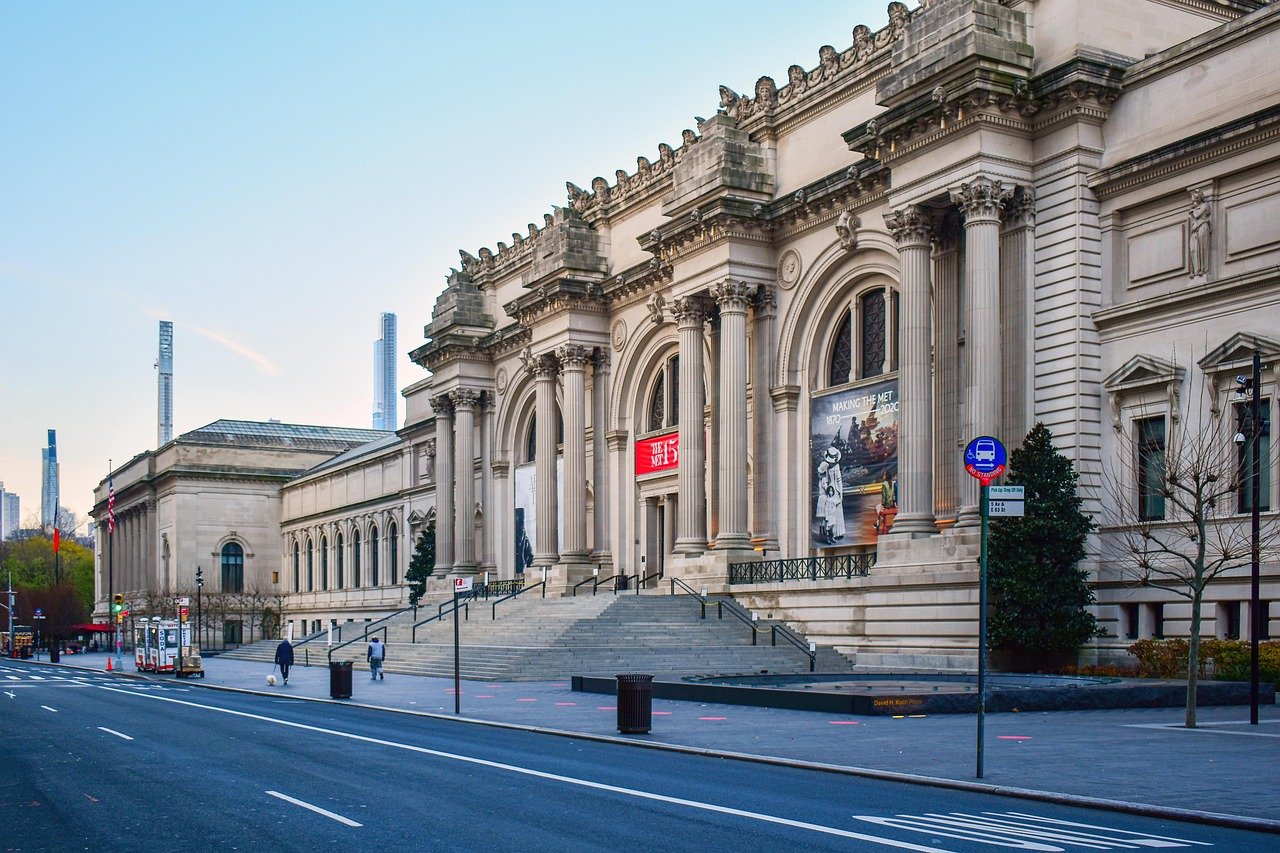
New York City packs roughly 90 museums, dozens of Broadway theatres, and one of the world’s great opera houses into a few square miles. That density is a gift and a trap. The trap is the weekend that looks perfect on paper and collapses by Saturday noon because three reservations overlap, the subway ride between venues eats 40 minutes, and nobody accounted for lunch. (NYC Department of City Planning)
The good news: a cultural weekend in New York is a solved problem if you plan it in the right order. Book the fixed-time anchors first, cluster everything geographically, and leave deliberate gaps. What follows is a practical, experience-tested approach to building a two-day itinerary that feels rich rather than rushed.
Start With the Fixed Points, Not the Wish List
Most people plan a cultural weekend backwards. They list everything they want to see, then try to fit it into 48 hours. The result is a schedule held together with hope.
Reverse it. Identify the fixed-time anchors first — the things that only happen at a specific hour. Broadway curtains are the classic example: evening performances typically fall around 7–8 pm, with matinees around 2–3 pm, and many theatres go dark on Mondays. The Metropolitan Opera season generally runs from roughly September through June, with performances most evenings plus weekend matinees. Those are immovable blocks.
Once the anchors are locked, everything else — museums, galleries, neighborhoods, meals — fills the space around them. This single change in sequencing prevents most itinerary disasters.
The booking order that works
- Secure theatre, opera, or concert tickets first. These sell out and have no flexibility.
- Book museum timed-entry slots second. Major institutions like The Met, MoMA, and the Whitney sell timed tickets online, and booking ahead is the reliable way to guarantee a slot.
- Build meals and walking time around those blocks third.
- Leave one open half-day as a buffer. Something will run long. Something always does.
Choose Two Museums, Not Five
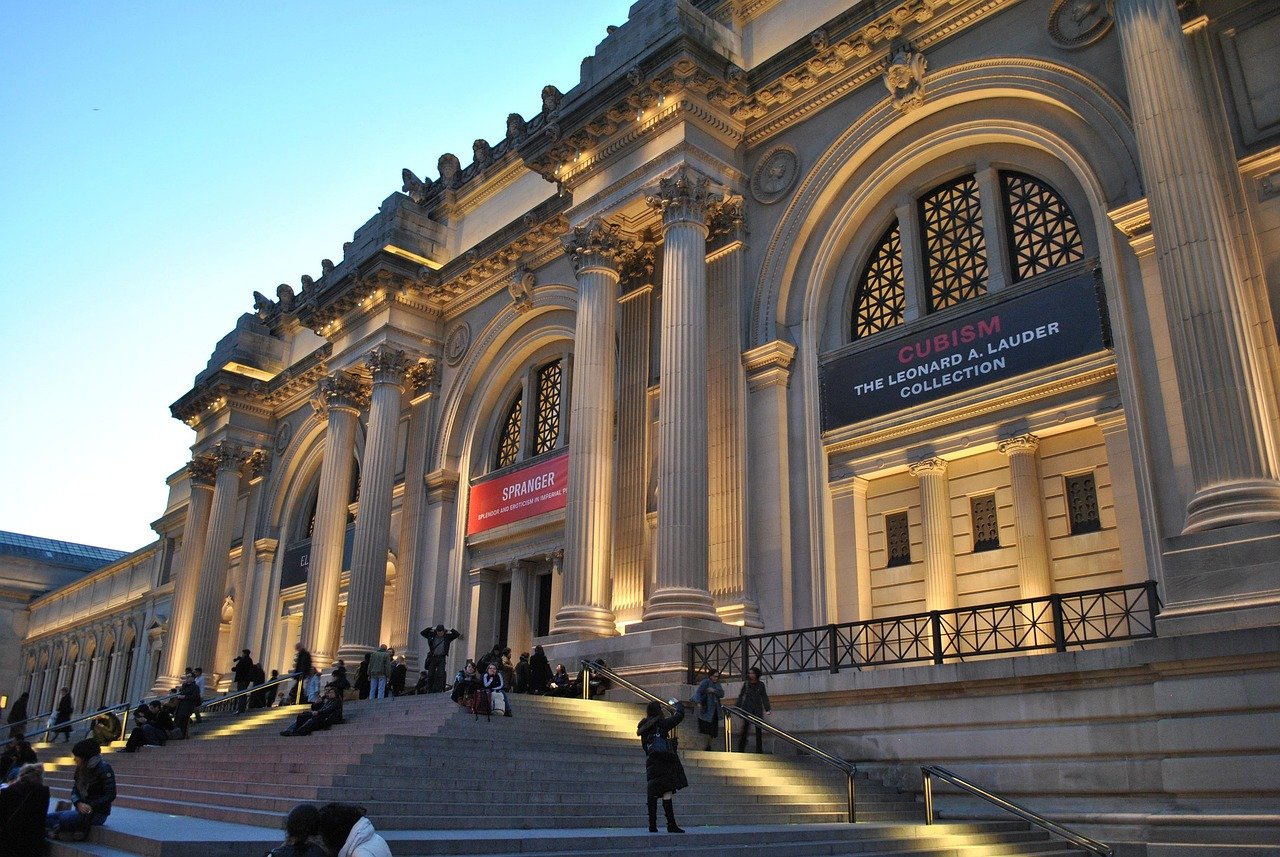
The most common mistake first-timers make is museum stacking. Three major museums in one day sounds ambitious and feels like a marathon by hour four. Museum fatigue is real, and it hits hardest in the big encyclopedic collections where every gallery begs for attention.
Two museums in a weekend is the sweet spot. One large anchor (The Met or MoMA) and one smaller, more focused institution. That gives depth without exhaustion.
| Museum | Typical weekly pattern | Best for | Planning note |
|---|---|---|---|
| The Metropolitan Museum of Art | Generally open daily; closed some holidays | Depth, range, atmosphere | Pay-what-you-wish applies to NY State residents and NY/NJ/CT students with ID, not general out-of-state visitors |
| MoMA | Generally open daily | Modern and contemporary art | Timed tickets online; free for members and certain groups |
| Whitney Museum | Typically closed Mondays and Tuesdays | American art, meatpacking district setting | Check the calendar for the specific weekend before booking |
| Metropolitan Opera | Season roughly September–June | A genuinely grand evening | Performances most evenings plus weekend matinees |
Verify hours and holiday closures for your exact dates before you commit. Schedules shift seasonally, and closures around Thanksgiving, Christmas, and New Year’s are common across venues.
One insider habit worth adopting: book the museum for the first slot of the morning. Galleries are quietest in the first hour, and you’ll clear the blockbuster exhibitions before the crowds arrive.
Build the Weekend by Neighborhood, Not by Ranking
Geography is the silent killer of good itineraries. A museum on the Upper East Side followed by a gallery in Chelsea followed by dinner in Brooklyn is three subway rides and two hours of transit you’ll never get back.
Instead, group by zone. The Met sits on Museum Mile on the Upper East Side, which pairs naturally with Central Park and a slow lunch. MoMA sits in Midtown, close to Broadway and Times Square. The Whitney anchors the Meatpacking District, walkable to the High Line and Chelsea galleries. Each cluster is a half-day, and the subway becomes a tool rather than a tax.
For anyone who wants the cultural weekend to include a style angle — gallery openings, design districts, people-watching — the city rewards wandering. Neighborhoods like SoHo and the West Village function as open-air exhibitions of their own, and the energy of a well-dressed crowd on a Saturday afternoon is part of the culture. Fashion-minded travelers often find that a weekend built around street style during Milan Fashion Week translates directly to how they’d approach New York‘s gallery circuit: same instinct for observation, different backdrop. If the trip happens to overlap with fashion week events, the planning logic in this Fashion Week roundup of the best looks is a useful primer on what to expect from the crowds and schedules.
A sample two-day structure
Saturday
- Morning: anchor museum, first entry slot
- Lunch: within walking distance, no reservation required
- Afternoon: second, smaller museum or a gallery walk
- Evening: Broadway or opera
Sunday
- Morning: neighborhood wander or a market
- Midday: matinee performance or a second museum
- Late afternoon: park time, bookstore, or a long coffee
- Evening: a quiet dinner and an early night
Notice what’s missing: nothing is back-to-back. Every block has slack in it. That slack is what makes the weekend feel like a weekend.
The Broadway and Opera Playbook
Broadway is the piece of the puzzle people stress over most, and it’s also the most solvable. Two routes exist, and they serve different travelers.
Book ahead if a specific show matters to you. Popular productions sell out weeks or months in advance, and paying face value for a guaranteed seat beats gambling on availability.
Use same-day discount options if flexibility matters more than certainty. TKTS discount booths sell same-day tickets, with the Times Square booth typically operating in the afternoon and evening and a downtown Brooklyn booth also running. Hours and inventory change daily, so treat it as a walk-up gamble with good odds rather than a guarantee.
A few practical notes from the school of hard knocks:
- Check the dark nights. Many theatres are dark on Mondays, and some on Tuesdays. Booking a Monday show without checking is a rookie error.
- Matinees are cheaper and calmer. A 2 pm curtain frees your evening and often costs less.
- Arrive early. Latecomers are typically held in the lobby until a suitable break, which means missing the opening scene you paid for.
For opera, the Metropolitan Opera offers a range of seating tiers, and the house is worth arriving early for — the chandeliers alone are a spectacle. Standing room and rush options exist but change seasonally, so check the current policy when you book.
Money, Transit, and the Small Logistics That Decide the Weekend
New York’s cultural weekend is expensive if you let it be and surprisingly manageable if you plan. Three levers matter most.
Admission strategy. Many museums offer free or reduced admission on specific days or times, and pay-what-you-wish hours exist at some institutions. These schedules change often, so verify per museum rather than trusting a blog post from three years ago.
Transit. The subway and bus network is the practical way to move between cultural venues, and OMNY contactless fare payment is standard — tap a card or phone and go. Fares change periodically, so confirm the current amount before you budget. Taxis between venues look cheap per ride and add up fast in weekend traffic.
Timing. Book the first slot of the day at any major museum. Reserve dinner near your evening venue, not across town. And build in a real lunch break — the cultural weekend that skips lunch is the one that ends in a cranky 4 pm collapse.
If the weekend is part of a longer trip and you’re stacking multiple cities, the same clustering logic applies elsewhere. A Paris Fashion Week guide to the most memorable looks is a reminder that cultural calendars in major cities run on similar rhythms: fixed anchors, timed entries, and neighborhoods that reward slow movement.
What Actually Works in Practice
After enough weekends, a few rules of thumb separate the smooth trips from the chaotic ones.
Book the anchor, wing the rest. Lock the two or three fixed-time commitments and leave everything else loose. Rigid schedules break; loose ones bend.
One big thing per day. One major museum or one major performance per day is the sustainable pace. Two is possible. Three is a mistake.
Eat near where you are. Chasing a specific restaurant across town costs an hour you could spend in a gallery. Neighborhood lunches near your museum are almost always good enough.
Check closures the week you travel. Holiday closures cluster around Thanksgiving, Christmas, and New Year’s. A quick calendar check on each venue’s visit page prevents the worst kind of disappointment — the locked door.
Carry less. Coat checks exist but lines form. A light bag and comfortable shoes matter more than a third outfit.
And one more: the best cultural weekends leave room for the unplanned. The tiny gallery you wandered into, the bookstore you couldn’t leave, the conversation with a stranger at a coffee bar. Those moments rarely appear on an itinerary, and they’re usually the ones people remember. A street style feature on Milan Fashion Week makes the same point about cities in general — the scheduled events set the frame, but the texture comes from what happens between them.
Conclusion
A cultural weekend in New York rewards a specific kind of planning: front-load the fixed-time anchors, cluster everything by neighborhood, book museum slots in advance, and protect the empty space between blocks. Two museums, one performance, and a couple of long walks will beat five museums and three shows every time — not because ambition is bad, but because attention is the scarce resource on a 48-hour trip.
The city will always have more than you can see. The goal isn’t coverage. It’s coming home with two or three experiences you can still feel a month later. Plan the skeleton, then let the weekend fill in the rest.
Frequently Asked Questions
How far in advance should I book a cultural weekend in New York?
Book the fixed-time anchors — Broadway, opera, concerts — as early as your plans are firm, since popular shows sell out weeks or months ahead. Museum timed-entry slots can usually be booked closer to the date, but booking ahead is the reliable way to secure a slot. Build the rest of the itinerary around those commitments.
Is it possible to visit two major museums in one day?
Yes, but it’s the upper limit. One large encyclopedic museum plus one smaller institution is a full day. Three major museums in a single day almost always produces fatigue and a rushed final hour. Book the first morning slot at your anchor museum to move through popular galleries before crowds build.
What’s the cheapest way to see a Broadway show?
Same-day discount booths like TKTS sell tickets on the day of performance, with the Times Square booth typically operating in the afternoon and evening. Availability and hours change daily, so it’s a gamble rather than a guarantee. Matinee performances are often cheaper than evening shows and free up your evening.
Which days are museums and theatres typically closed?
The Whitney is typically closed Mondays and Tuesdays, while The Met and MoMA are generally open daily but closed on some holidays. Many Broadway theatres are dark on Mondays, and some on Tuesdays. Holiday closures cluster around Thanksgiving, Christmas, and New Year’s, so check each venue’s calendar for your specific weekend.
Do I need timed-entry tickets for New York museums?
The Met, MoMA, and the Whitney all sell timed tickets online, and advance booking is the dependable way to guarantee entry at the hour you want. Whether timed entry is mandatory or merely recommended varies by institution and season, so confirm on the museum’s visit page before you travel.
How should I get between cultural venues?
The subway and bus network is the practical choice, and OMNY contactless payment is standard — tap a card or phone at the turnstile. Cluster your venues by neighborhood so transit stays short. Taxis between venues look affordable per ride but add up quickly in weekend traffic.