
How to Plan a Culinary Trip to Italy: 2026 Guide
 Abdul WadoodLast updated
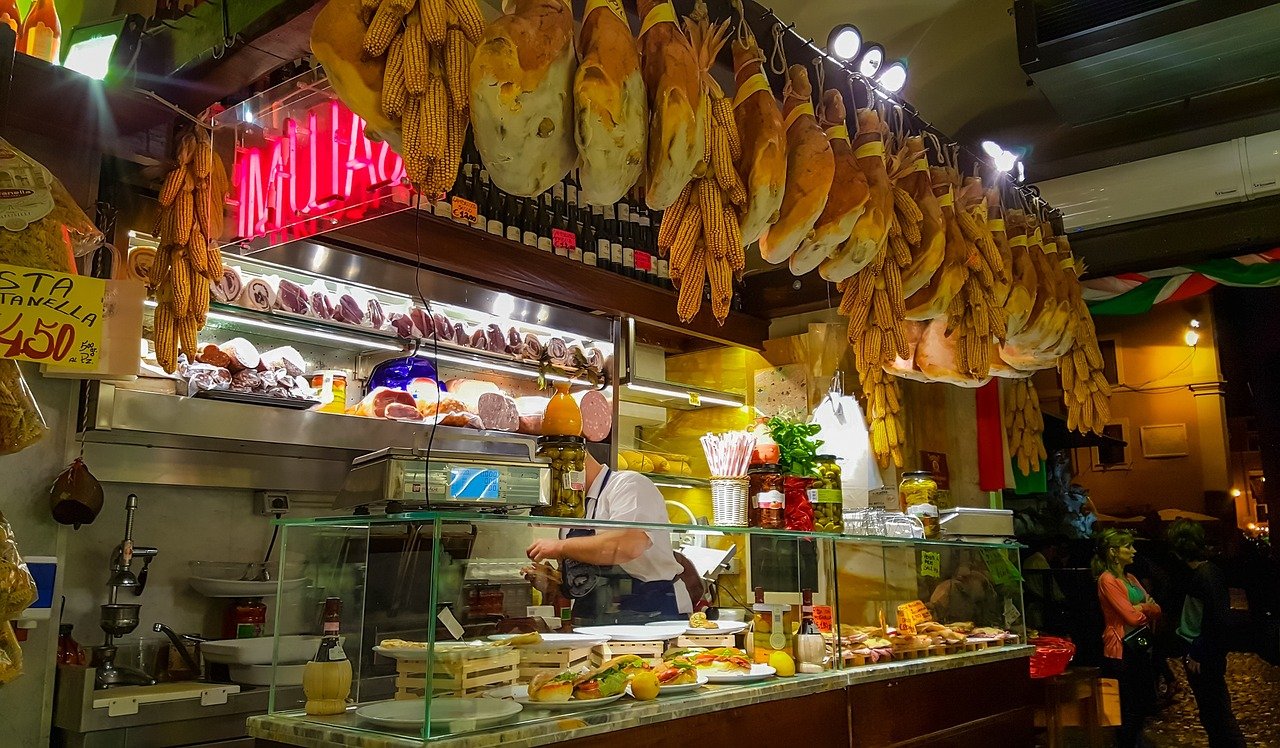
Italy has more protected food and wine products than any other country in Europe, with hundreds of PDO, PGI, and TSG designations registered in the EU’s official quality schemes. That single fact explains why “eating well in Italy” is not a strategy. The country is a patchwork of food cultures separated by mountains, coastlines, and centuries of local pride. A traveler who plans a culinary trip around one generic idea of Italian food will eat well and still miss the point. (Italian cuisine)
This guide is for people who want to build an itinerary where food drives the map, not the other way around. It covers how to choose regions, time a visit, book the experiences that matter, move between cities, and avoid the traps that catch first-timers.
Start With Regions, Not Cities
The most common planning mistake is building a route around famous cities and then looking for food once there. Flip it. Choose two or three food regions first, then pick the towns that make them work logistically.
| Region | Signature foods | Best base | Ideal season |
|---|---|---|---|
| Emilia-Romagna | Parmigiano Reggiano, balsamic, prosciutto | Bologna or Parma | Year-round |
| Piedmont | White truffles, Barolo, hazelnuts | Alba or Turin | October–November |
| Campania | Buffalo mozzarella, San Marzano tomatoes | Naples or Salerno | May–June |
| Sicily | Citrus, tuna, Marsala, pistachios | Palermo or Catania | April–May |
| Puglia | Olive oil, orecchiette, seafood | Bari or Lecce | Late September–October |
| Tuscany | Chianti, pecorino, olive oil | Florence or Siena | September–October |
Two regions done properly beat five done in a blur. A week split between Emilia-Romagna and Piedmont gives a traveler dairy, cured meat, wine, and truffles without a single wasted travel day. Anyone tempted to add a fourth stop should read how much logistics a real hair transplant procedure demands by comparison. That sounds absurd, but the principle holds: complex procedures and complex itineraries both reward doing fewer things with full attention.
Practical tip: pick one anchor experience per region. In Parma, that might be a dairy tour. In Piedmont, a cellar visit with a winemaker. Everything else fills in around it.
Time the Trip Around Harvests and Seasons

Seasonality in Italy is not a marketing gimmick. It changes what is on the plate, what is open, and what a traveler can actually book.
- October and November: White truffle season peaks around Alba in Piedmont. Olive harvest begins across Puglia, Tuscany, and Umbria.
- Late September: Grape harvest across most wine regions. Many small producers close their doors to visitors because they are working.
- Spring: Artichokes in Rome, wild asparagus in Umbria, and the start of the mozzarella season in Campania.
- August: Much of the country slows down. Many family-run restaurants and producers close for holidays, and coastal areas are packed.
The counterintuitive advice: avoid harvest weeks if the goal is access. Producers are exhausted and busy. The week after harvest often delivers better visits and the same fresh oil or wine. Autumn remains the strongest overall window for a food-focused trip, but book early.
Build the Itinerary Around Trains
Italy’s high-speed rail network makes multi-region food travel realistic without a car. Frecciarossa and Italo trains connect Turin, Milan, Bologna, Florence, Rome, and Naples at speeds that turn a four-hour drive into a two-hour ride.
A workable one-week structure looks like this:
- Days 1–2: Land in Bologna. Explore the Quadrilatero food market and eat tagliatelle al ragù where it was codified.
- Day 3: Day trip to Parma or Modena for a dairy or balsamic producer visit.
- Day 4: Train to Turin. Evening in a historic café.
- Days 5–6: Base in Alba or Bra. Wine cellar visit and a slow lunch.
- Day 7: Return to Turin or Milan for departure.
A car helps in rural Piedmont, Puglia, and Sicily, but it is a liability in city centers. The compromise most travelers land on: trains between cities, a rental car only for the rural middle section.
Book the Right Experiences in the Right Order
Not all food experiences are equal, and the best ones are rarely the easiest to find.
Producer visits (dairies, oil mills, balsamic attics, salumi makers) are usually booked directly by email or phone. Small operations often respond slowly and prefer a call. Book four to eight weeks ahead.
Restaurants split into three tiers. Michelin-starred and highly rated places need weeks or months of notice. Popular trattorias in tourist centers need a few days. Neighborhood osterias often take no reservations at all, and locals simply arrive early.
Cooking classes range from excellent to theatrical. The good ones are small, run by people who cook professionally, and include a market visit. Avoid anything that promises a “pizza and gelato masterclass” in ninety minutes.
Wine tastings at large cooperatives are convenient but generic. A visit to a small estate, arranged in advance, is the difference between drinking wine and understanding it.
One warning worth stating plainly: many travelers over-book. Three food experiences in a week is plenty. Six turns eating into a job.
Understand What Official Labels Actually Mean
Italy’s food quality system is genuinely useful for planning, if a traveler knows how to read it. PDO (Protected Designation of Origin) means every step of production happens in a defined area. PGI (Protected Geographical Indication) means at least one production step happens there. Parmigiano Reggiano is PDO. Balsamic vinegar of Modena carries both PDO and PGI versions with very different rules and prices.
Wine follows a parallel ladder: DOCG, DOC, and IGT. DOCG is the strictest tier. None of these guarantee a great bottle, but they guarantee origin and method, which is more than most travelers check.
The same logic applies to planning in general. A hair transplant 2026 guide shows how procedure names and certifications can mislead people who do not read the fine print. Food labels work the same way: the acronym on the label is a starting point, not a verdict.
Eat Like a Local Without Pretending To Be One
A few habits separate travelers who eat well from those who eat expensively.
- Follow the menu language. Menus in five languages with photos are aimed at tourists. Menus in Italian only, handwritten, are aimed at everyone else.
- Lunch is the value meal. Many excellent restaurants serve a fixed lunch at half the dinner price.
- Order the regional dish, not the familiar one. Carbonara in Sicily is a red flag. Pasta alla Norma in Bologna is a red flag.
- Coffee standing at the bar costs a fraction of the table price, and it is how most Italians drink it.
- Markets beat restaurants for lunch. A picnic built from a market hall in Bologna, Florence, or Palermo often outperforms a sit-down meal.
The single best food decision most travelers make is eating one long lunch instead of three rushed dinners.
Budget Realistically
Culinary travel in Italy is not inherently expensive, but the food-focused version costs more than a standard city break because experiences carry fees.
| Category | Budget per person per day | Mid-range | High-end |
|---|---|---|---|
| Food and drink | €35–55 | €70–110 | €150+ |
| Accommodation | €50–80 | €120–200 | €300+ |
| Experiences | €0–20 | €40–80 | €150+ |
A realistic mid-range food trip runs €200–300 per person per day, excluding flights. Producer visits are often free or cheap. Cooking classes and truffle-hunting excursions are where budgets stretch.
Common Mistakes That Wreck Food Itineraries
First-timers repeat the same errors. Knowing them in advance saves money and disappointment.
Booking a “food tour” as the centerpiece. Walking tours are a fine orientation, but they are not the same as a producer visit or a cooking class.
Ignoring opening hours. Many restaurants close between lunch and dinner, close one weekday, and shut entirely in August. Check each place the week before travel.
Assuming English works everywhere. It works in cities. In rural areas, a few phrases and a translation app go a long way.
Skipping the small towns. The best meals are frequently in towns with 5,000 people and one excellent osteria.
Overplanning. Leave one day unbooked per region. The best meal of the trip is often the one nobody planned.
The travelers who eat best are the ones who leave room for a recommendation from a bartender.
Where to Go for Specific Goals
Different travelers want different things from a food trip. Matching the region to the goal is the fastest way to a good itinerary.
For wine depth, Piedmont and Tuscany are the obvious answers, but Friuli and Etna in Sicily reward travelers who want something less crowded and equally serious.
For hands-on cooking, Emilia-Romagna and Campania offer the strongest class traditions, with pasta-making and pizza-making respectively.
For seafood, Sicily, Puglia, and the Ligurian coast outperform inland regions by a wide margin. (Italia.it)
For cheese and cured meat, Emilia-Romagna has no real rival. Parma, Reggio Emilia, and Modena sit within an hour of each other.
For olive oil, Puglia is the production heartland, and late autumn visits coincide with the harvest.
Conclusion
Planning a culinary trip to Italy comes down to a few disciplined choices: pick two or three regions, time the visit around a season that matters, build the route on trains, book a small number of high-value experiences, and leave space for the unplanned meal that always turns out to be the best one. The country rewards curiosity and punishes rushing. A traveler who eats one region deeply will come home with more than one who photographs five menus in five cities.
FAQ
How many days do I need for a food-focused trip to Italy?
Seven to ten days is the sweet spot. That allows two or three regions, one anchor experience each, and enough slack to eat without rushing. Shorter trips work if they stay within one region.
What is the best month for a culinary trip to Italy?
Late September through November is the strongest window. Grape harvest, olive harvest, and white truffle season overlap, and the summer crowds have thinned. Spring is the second-best choice, especially for vegetables and cheese.
Do I need a car to visit food producers in Italy?
Not always. Emilia-Romagna, Tuscany, and Piedmont have producers reachable by train plus a short taxi. Rural Puglia, Sicily, and parts of Piedmont are much easier with a car. A common approach is trains between cities and a rental car for two or three rural days.
How far in advance should I book restaurants and cooking classes?
Book high-end restaurants four to eight weeks ahead, popular trattorias a few days ahead, and cooking classes four to six weeks ahead. Small producer visits often need direct email or phone contact and respond slowly, so start early.
Is a food tour worth it in Italy?
It can be, especially on the first day in a new city, because it provides orientation and local recommendations. It should not replace a producer visit or a cooking class, which offer deeper access. Choose small groups and avoid tours that promise too many tastings in too little time.
How much should I budget per day for a food trip to Italy?
A comfortable mid-range budget is €200–300 per person per day, covering accommodation, meals, and one or two paid experiences. Budget travelers can manage on €100–140 by eating lunch as the main meal and staying outside city centers.