
How to Organize a Linen Closet: Step-by-Step Guide
 Abdul WadoodLast updated
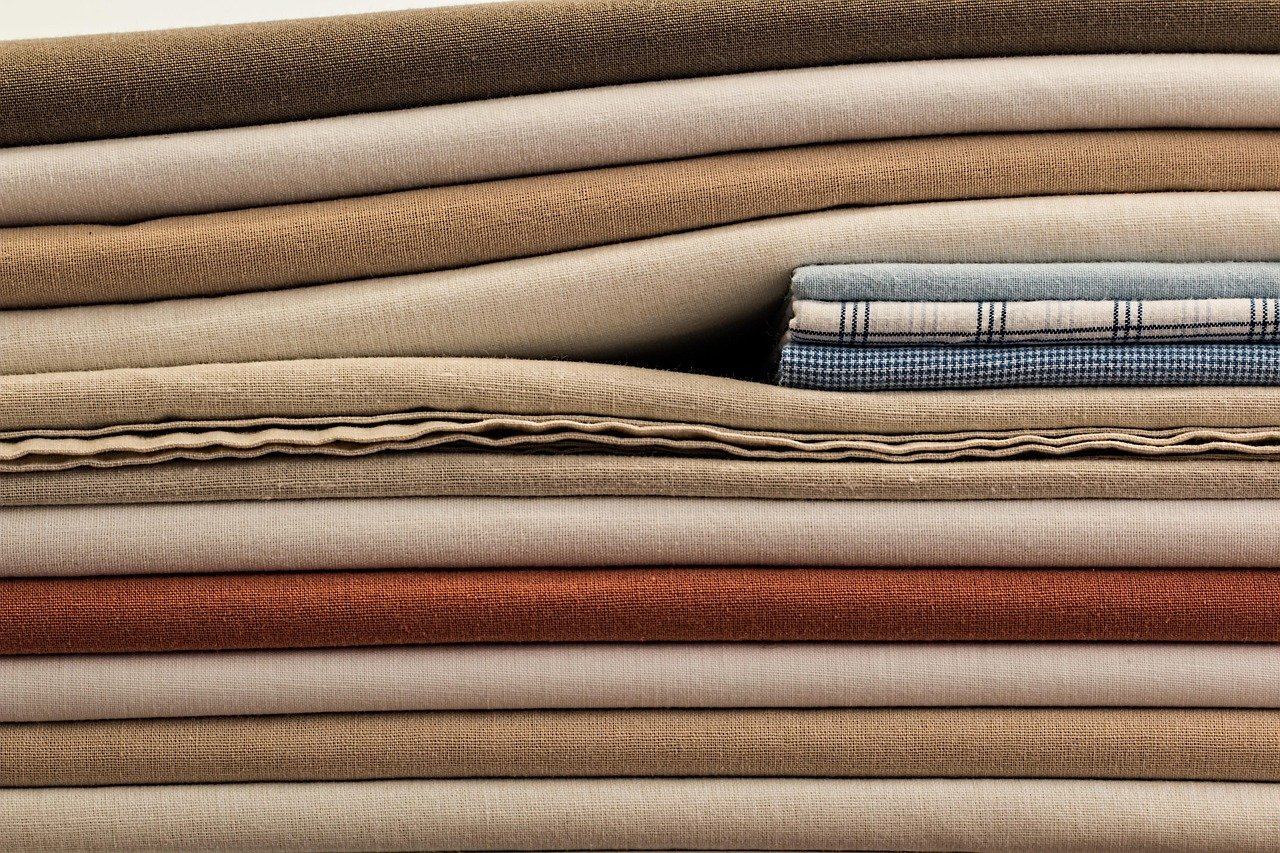
Most households keep far more linens than they actually use. Storage experts and home organizers repeatedly flag the same pattern: closets stuffed with mismatched sheets, orphaned pillowcases, and towels that never get touched, while the sets people actually reach for every week sit buried at the bottom of the pile. The fix is rarely about buying more bins. It is about editing what you own, storing it correctly, and building a system you can maintain without thinking about it.
This guide walks through the practical steps that work in real homes, the mistakes that quietly wreck linens, and the small habits that keep a closet functional for years.
Start With a Full Empty-Out, Not a Shopping Trip
The single most common mistake is buying organizers before knowing what is actually in the closet. Pull everything out and sort it on a bed or the floor. This takes an hour, and it changes the whole project.
As you sort, build four piles:
- Keep — sets you use regularly and that are in good condition.
- Repair — items with a loose hem or a small tear worth fixing.
- Repurpose — worn towels that can become cleaning rags or pet towels.
- Donate or discard — anything stained, torn beyond repair, or never used.
Be honest about the “never used” pile. A guest-room sheet set for a bed size you do not own is not a spare; it is clutter. The same goes for hotel samples, inherited linens that do not fit anything, and the fourth set of towels for a bathroom that only has two hooks.
A useful rule of thumb: keep two to three sets per bed and two to three sets per bathroom. Rotating between sets spreads wear and gives you a backup on laundry day. Beyond that, extra sets mostly consume space.
Match the Closet to What You Actually Store
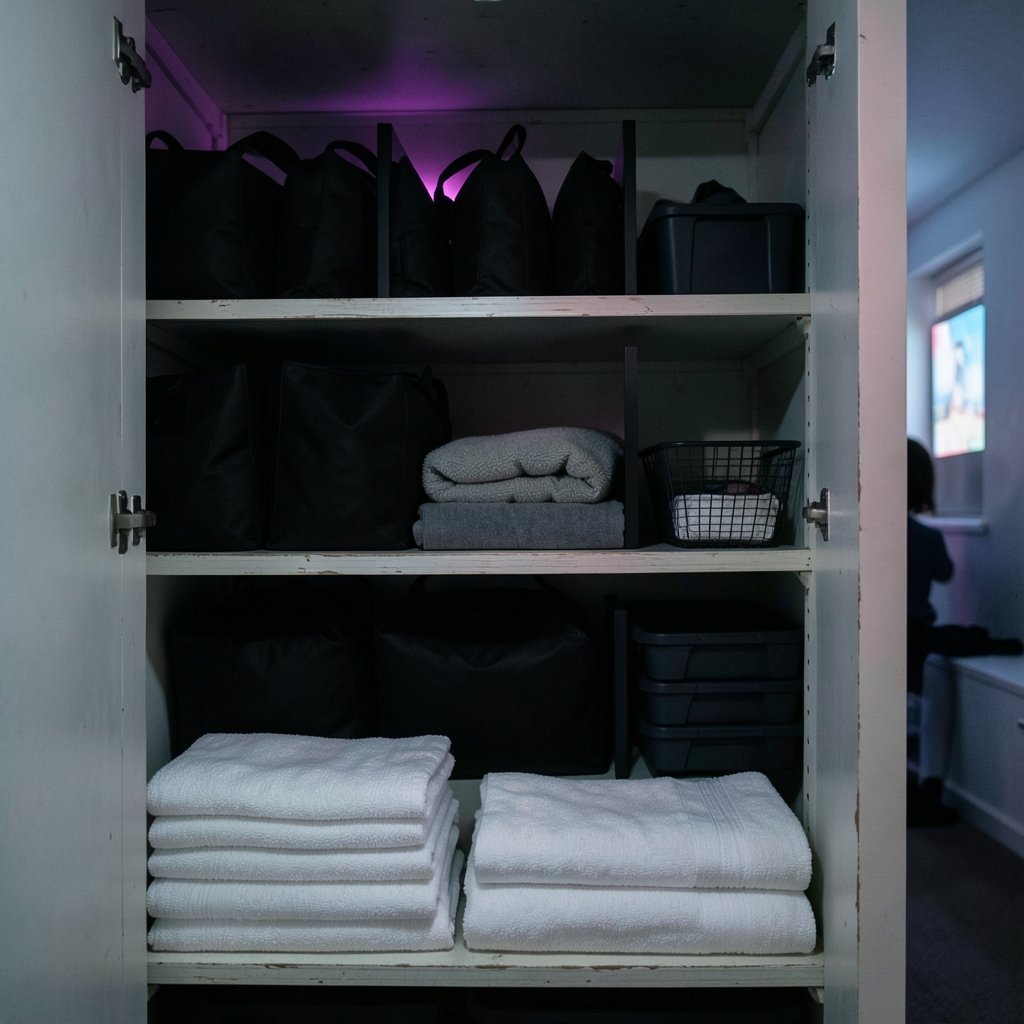
Before arranging anything, look at the closet itself. Linen closets often fail because the shelving was installed for a different purpose. A few adjustments make a big difference.
Check shelf depth. Standard closet shelves are often 12 to 16 inches deep, which encourages stacking two rows of towels front to back. The back row becomes invisible. If your shelves are deep, use the back for seasonal or rarely used items and the front for daily linens.
Check shelf spacing. Tall gaps waste vertical space. If the shelves are fixed, add freestanding shelf dividers or stackable bins to break tall gaps into usable layers. If you can adjust them, set gaps to fit your folded items rather than guessing.
Think about airflow. Textiles stored in a sealed, humid space develop mustiness and, over time, yellowing. A closet on an exterior wall, a basement closet, or one next to a bathroom is at higher risk. Leave a little breathing room between stacks rather than compressing everything tight against the walls.
For a deeper look at how storage layout affects the way a home functions day to day, voozon.media covers practical home-organization systems worth browsing before you commit to a layout.
Fold for the Shelf, Not for the Drawer
How you fold matters more than most people expect. The goal is a stack where you can see every item and pull one out without collapsing the rest.
Fold sheets into a compact bundle roughly the width of a shelf divider, then store the folded set inside its own matching pillowcase. This keeps sets together, protects the sheets, and makes identification instant. It is a widely shared tip rather than an official standard, but it works because it solves the real problem: orphaned pillowcases and mismatched sets.
Fold towels in thirds, not halves. A towel folded in thirds stands upright in a bin or on a shelf, so you can see the edge of every towel. Stacks of flat-folded towels force you to lift the whole pile to reach the bottom one.
Stand items upright where possible. The filing principle used in the KonMari method applies well to linens: vertical storage beats horizontal stacking because nothing gets buried.
Keep stacks to a comfortable height. Four to six folded items per stack is plenty. Taller stacks topple and compress the bottom items, which creases fibers and shortens the life of the fabric.
A Simple Shelf-by-Shelf Layout
| Shelf | Best Use |
|---|---|
| Top shelf | Seasonal linens, guest bedding, extra blankets |
| Eye level | Everyday towels and the sheet sets used most often |
| Below eye level | Hand towels, washcloths, kitchen linens |
| Bottom shelf | Bulky items, beach towels, or bins with infrequent items |
The logic is straightforward: whatever you reach for most goes where you can grab it without stretching or bending.
Choose Storage Containers That Actually Help
Bins and baskets are useful, but only when they solve a specific problem. Clear or open-front bins let you see contents at a glance. Opaque lidded boxes hide clutter but also hide what is inside, which is how duplicates accumulate.
A few practical guidelines:
- Use dividers, not deep bins, for folded sheets and towels. Dividers keep stacks upright and prevent the avalanche effect.
- Reserve lidded containers for out-of-season items and anything stored in a damp-prone space.
- Avoid vacuum bags for everyday linens. They compress well, but repeated sealing and unsealing creases fabric and makes daily access annoying.
- Label anything opaque. A strip of masking tape and a marker is enough. Labels are what make a system survive contact with other household members.
One caution worth flagging: claims about moth deterrents such as cedar and lavender are inconsistently supported. Cedar chests and lavender sachets are traditional and pleasant, but their effectiveness as a repellent is debated. If moths are a genuine problem in your area, check local extension-service or pest-control guidance rather than relying on scent alone.
Control Light, Moisture, and Heat
Textile care guidance from museums and conservation bodies is consistent on one point: light, moisture, and heat are the main enemies of stored fabric. Home storage does not need museum-grade conditions, but the principles transfer.
Keep linens out of direct sunlight. UV exposure fades dyes and weakens fibers over time. A closet with a window or a shelf facing a bright doorway benefits from a simple curtain or closed door.
Watch for damp. A musty smell is a warning sign, not a minor annoyance. If a closet feels humid, address ventilation before adding more linens. Conservation standards for humidity are much stricter than home advice, so do not conflate the two; for a household, the goal is simply dry and airy.
Avoid plastic against the fabric. Long-term contact with non-breathable plastic can trap moisture. Cotton pillowcase storage and breathable fabric bins are safer for anything stored for months.
Rotate your stock. Use the first-in, first-out principle from retail: put newly washed linens at the back and pull from the front. This prevents the same set from sitting untouched for years while another wears out.
Build a Maintenance Habit That Takes Five Minutes
An organized closet stays organized only if it gets a light reset now and then. The trick is making the reset small enough that you will actually do it.
- After every laundry cycle, return the set to its designated shelf spot. Never let clean linens sit in a basket “for now.”
- Once a season, pull out anything at the back and check for mustiness, stains, or sets that no longer match.
- Once a year, do a quick edit. Bed sizes change, kids grow, and tastes shift. A ten-minute annual review prevents the closet from slowly refilling with clutter.
Households that maintain a system usually share one trait: every item has a known home, and everyone in the house knows where it is. That is the entire secret. The bins are secondary.
Mistakes That Undo a Good Organization Job
Even a well-planned closet can slide back into chaos. These are the most common culprits:
- Storing by category instead of by location. Sheets for the guest bed belong near the guest room if possible, not three floors away.
- Buying matching containers first. Match containers to your actual inventory, not the other way around.
- Overfilling shelves. Compression creases fabric and makes everything harder to pull out.
- Keeping “someday” linens. Stained towels, single pillowcases, and sheets for a bed you no longer own are the biggest space thieves.
- Ignoring the door. The back of a closet door is prime real estate for an over-door rack holding ironing supplies, a lint roller, or a small basket of stain-treatment items.
When the Closet Is Genuinely Too Small
Sometimes the honest answer is that the closet cannot hold everything, and no amount of folding will fix it. In that case, split the storage by function. Keep daily towels and the current bed’s sheets in the linen closet, and move guest bedding, seasonal blankets, and off-size linens to under-bed bins or a labeled box on a high shelf elsewhere. Spreading storage across the home is not a failure; it is often the most practical solution.
Conclusion
Organizing a linen closet is less about clever products and more about honest editing. Empty it out, keep only what you use, fold for visibility, and store away from light and damp. Set up a layout where daily items sit at eye level and rarely used items go high or low. Then protect the system with a five-minute seasonal reset. Do those things and the closet stops being a place where things disappear and becomes what it should have been all along: a small, reliable stockroom for the parts of daily life that make a home feel calm.
Frequently Asked Questions
How often should you wash stored linens?
Linens that sit unused for months pick up dust and can develop a musty smell. A reasonable habit is to wash and air stored sets once or twice a year, and always before guests arrive. Items in active weekly rotation get washed as part of normal use, so they need no separate schedule. (Indoor Air Quality)
Should sheets be stored in their matching pillowcase?
Yes, for most households. Folding a sheet set and tucking it inside its own pillowcase keeps the pieces together, protects the fabric, and makes the set easy to grab. It is a practical convention rather than an official rule, but it solves the most common linen-closet problem: mismatched sets and orphaned pillowcases.
Is it better to roll towels or fold them?
Folding works better for most shelves because it creates stable, stackable shapes. Rolling is a good option for drawers, deep bins, or a closet with limited shelf depth, since rolled towels can be packed upright and pulled out individually. Whichever you choose, keep the method consistent so the closet stays predictable.
How do you stop a linen closet from smelling musty?
Find the source of moisture first. Check for a damp exterior wall, poor ventilation, or linens put away slightly wet. Wash and fully dry everything, leave space between stacks for air to move, and avoid storing fabric in direct contact with non-breathable plastic. A musty smell that returns after cleaning points to a ventilation problem worth addressing.
How many sets of sheets and towels should one household keep?
Two to three sets per bed and two to three sets per bathroom covers most needs. One set is in use, one is clean and ready, and a third allows for rotation and backup. Keeping more than that usually means storing items you rarely touch, which takes space and makes the closet harder to manage.
What is the best way to store guest bedding between visits?
Store guest bedding in a breathable container or wrapped in a cotton pillowcase, away from light and damp. Label it clearly by bed size. If the guest room has its own closet, store the bedding there so it is ready when needed. Check it once or twice a year for mustiness and wash it before each visit.