
How to Organize a Home Bar: Setup Guide for 2026
 Abdul WadoodLast updated
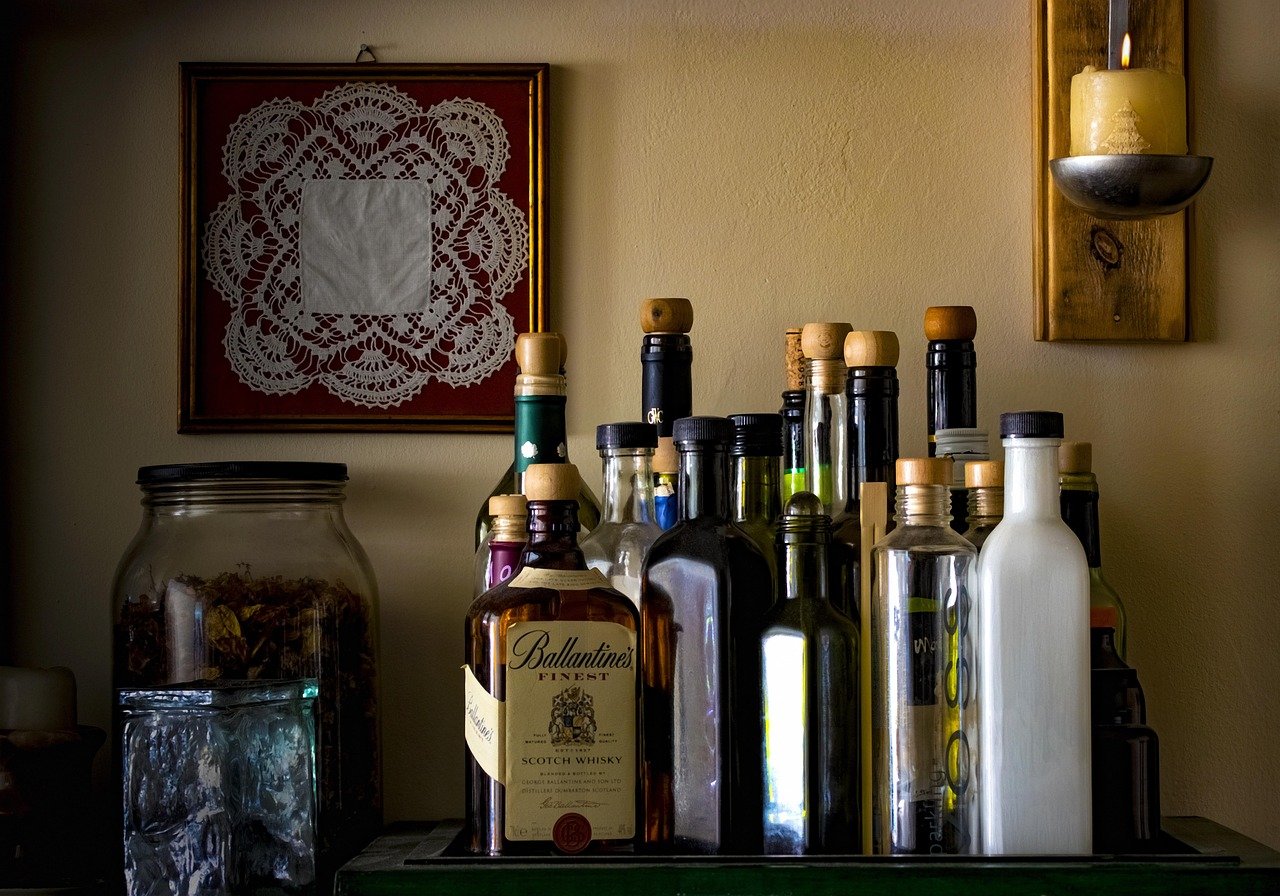
Here’s a number that surprises most people: a standard drink in the United States contains about 0.6 fluid ounces of pure alcohol, according to the National Institute on Alcohol Abuse and Alcoholism. That single fact quietly reshapes how a home bar should be built. If a one-ounce pour of 100-proof whiskey delivers roughly 0.8 standard drinks, then a bar stocked for “a few friends” needs more planning than a shelf of pretty bottles. Organizing a home bar is really a design problem: what you keep, where it lives, and how quickly a guest can get a good drink without you playing bartender all night. (Alcohol’s Effects on Health)
Start With the Drinks You Actually Make
The biggest mistake in home bar setup is buying for an imaginary cocktail party instead of a real Tuesday evening. Most people cycle through four or five drinks. Maybe it’s a gin and tonic, an old fashioned, a margarita, a whiskey neat, and something bubbly for celebrations. Build the bar around those, then expand.
A useful rule: stock base spirits first, modifiers second, mixers third. Base spirits (gin, vodka, whiskey, rum, tequila) carry the drink. Modifiers (vermouth, bitters, liqueurs) add character. Mixers (tonic, soda, ginger beer, citrus) finish it. Buying three great bottles beats buying nine mediocre ones, and it keeps the shelf from turning into a museum of half-empty regrets.
The Minimal Starter Kit
Most published guides split equipment into a core set and an expanded set, and the exact lists vary by source. A practical core looks like this:
- Shaker (a Boston shaker is versatile; a cobbler shaker is easier for beginners)
- Jigger for measuring, which also supports responsible pouring
- Hawthorne strainer for shaken drinks
- Bar spoon for stirring and layering
- Mixing glass for stirred cocktails
- Citrus press because fresh juice changes everything
- Jigger again — seriously, measure
The expanded tier adds a fine-mesh strainer, a channel knife for twists, a muddler, and ice tools. None of it is urgent. Buy the second tier when a specific drink demands it.
Choose a Location Before You Choose a Bottle
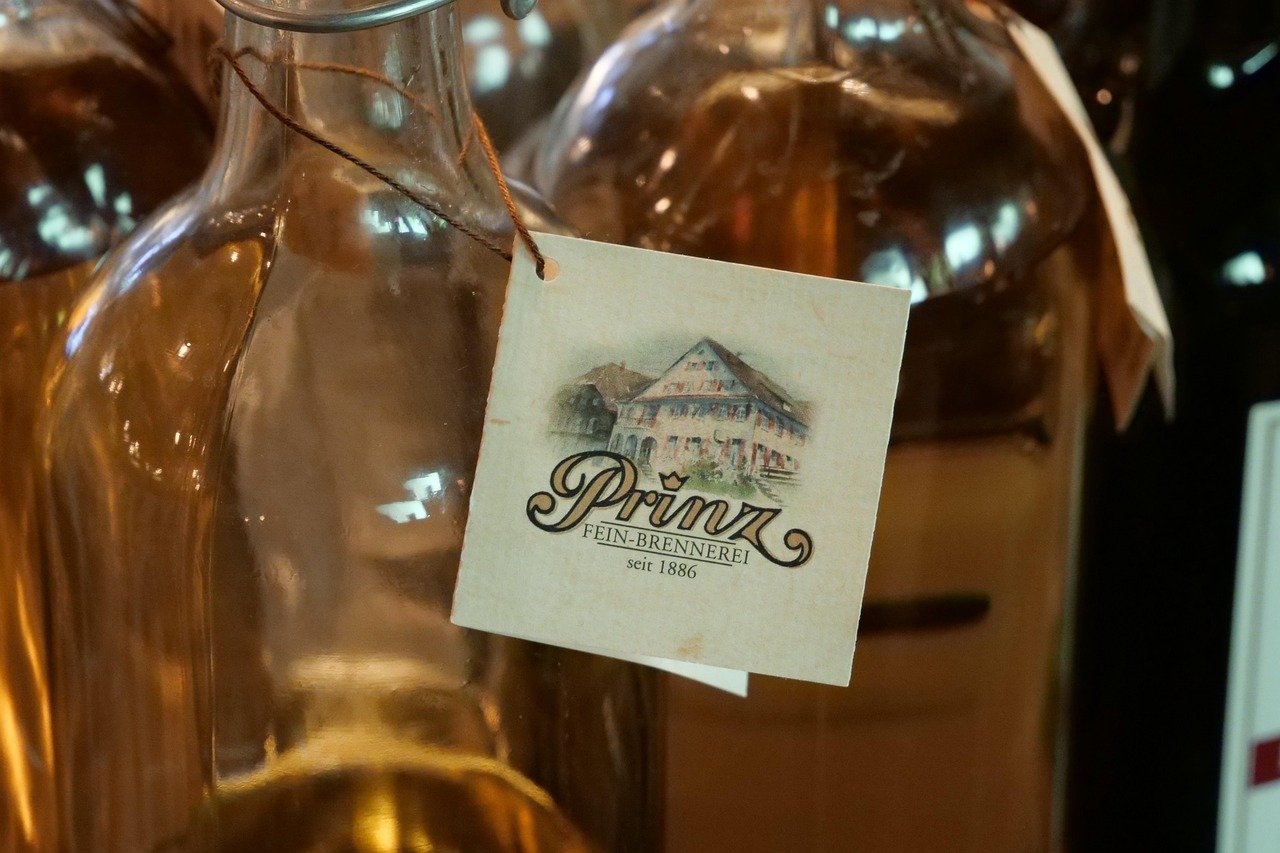
Where the bar lives determines what it can hold. Three common setups each have trade-offs:
| Setup | Best for | Watch out for |
|---|---|---|
| Countertop tray | Renters, small kitchens | Limited bottle count, spills |
| Dedicated cabinet | Families with kids, tidy rooms | Poor sightlines, deep shelves |
| Freestanding cart or sideboard | Entertaining, living rooms | Light exposure, foot traffic |
Two placement rules matter more than aesthetics. First, keep bottles out of direct sunlight and away from heat sources, since light and warmth degrade spirits over time. Second, keep the bar out of reach of children and pets. A locking cabinet is not fussy; it’s sensible. If the bar doubles as a display piece, treat the top shelf as decor and the working shelf as tools.
Organize by Function, Not by Brand
Once the bottles arrive, resist the urge to line them up like trophies. Group them the way a bartender reaches for them: base spirits together, modifiers together, mixers on a lower shelf or in a small fridge, tools in one accessible zone.
This functional layout pays off in practice. During a party, hands move fast, and a guest hunting for bitters behind the tequila slows everything down. A simple system works:
- Top shelf: premium bottles and anything you pour neat
- Middle shelf: everyday base spirits, grouped by type
- Lower shelf: mixers, syrups, and backup bottles
- Front zone: tools, glassware, napkins, a small trash bowl
Label the shelves if the household shares the bar. A strip of masking tape with “gin / vodka / whiskey” written on it looks unglamorous but saves arguments.
Glassware: Buy Fewer, Better Shapes
Glassware collections grow like weeds. Most guides recommend a small core set rather than a full catalog: rocks glasses, highball glasses, a coupe or martini glass, and a flute if sparkling wine is common. Four shapes cover nearly every drink a home bar produces.
Storage matters as much as selection. Stemmed glasses belong upside down on a shelf or in a rack, not crammed into a drawer where rims chip. Rocks and highballs can stack if you accept minor scratches. A shallow drawer insert for the everyday glasses keeps the working zone clear. The same logic applies elsewhere in the home: the piece on designing a home that feels personal makes the point that useful objects displayed well beat clutter hidden badly. (Bartending)
The Perishables Problem Nobody Warns You About
This is where most home bars quietly fail. Vermouth is fortified wine, not spirits. Once opened, it oxidizes, and many guides recommend refrigerating it and finishing it within weeks to a few months. The exact timeline varies by source and storage conditions, but the direction is unambiguous: treat open vermouth like a food product, not a shelf trophy.
The same applies to homemade syrups. Simple syrup at a 1:1 sugar-to-water ratio is standard; rich syrup at 2:1 is often cited for longer shelf life. Either way, refrigerate it and date the bottle. Cream liqueurs and other low-ABV products also belong in the fridge after opening. High-proof spirits are shelf-stable, which is why they can live on the shelf while their modifiers cannot.
A practical habit: write the opening date on every perishable with a marker. It takes four seconds and prevents a lot of disappointed faces.
Ice Is Equipment, Not an Afterthought
Craft-bar consensus holds that larger, clearer ice melts more slowly and dilutes a drink less. That’s why dedicated ice molds and trays are worth the freezer space. A home bar with one silicone sphere mold and one large-cube tray handles most occasions. Crushed ice, when needed, comes from a Lewis bag and a mallet or a blender pulse.
Ice also needs a home. A small insulated bucket with a lid keeps cubes from absorbing freezer odors, and a dedicated scoop beats a glass every time. Never scoop with the glass you’re about to drink from; a chipped rim is a bad way to end an evening.
Build a Rotation, Not a Collection
Bottles multiply. A home bar that grows without pruning becomes a storage problem wearing a cocktail dress. The fix is a rotation system: a working shelf of open bottles, a backup zone of sealed duplicates, and a clear rule for what leaves.
Common mistakes worth avoiding:
- Buying a specialty liqueur for one recipe. It sits for years. Borrow the drink at a bar instead.
- Skipping bitters. A single bottle of aromatic bitters is enough for dozens of classics and lasts for years.
- Overbuying glassware before buying tools. A good shaker earns more use than a fifth coupe.
- Storing bottles on a sunny windowsill. Attractive, and a slow way to flatten flavor.
- Ignoring pour size. Measuring pours keeps hosting responsible and drinks consistent.
That last point connects to a broader principle: the best home bars are set up for the host’s comfort, not for impressing a critic. A bar that’s easy to restock, easy to clean, and easy to lock up gets used. A bar that requires rearranging three shelves to make a highball does not.
Keep It Clean, Keep It Stocked
A five-minute weekly reset keeps a home bar functional. Wipe the shelf, check open vermouth and syrups for dates, refill the citrus press drawer with fresh fruit, and note what’s running low. A running shopping list on the phone beats a mental tally every time.
Stocking runs on a simple cycle. Replace base spirits when the bottle drops below a quarter. Replace mixers monthly if they’re open. Replace perishable modifiers on the date rule, not on vibes. Tools get a rinse and a dry after each use; a sticky shaker is a shaker that jams.
There’s a satisfying parallel to other household maintenance tasks. Just as a vacuum that actually picks up pet hair earns its place by working in real homes rather than showrooms, bar equipment earns its place by surviving real hosting. The same is true of grooming tools people keep at home: a hair clipper guide makes the case that understanding how a tool works matters more than owning the fanciest version. Home bars reward the same thinking.
Set Up for Responsible Hosting
A well-organized bar makes it easier to host well. Measuring pours with a jigger, offering water and food, and knowing standard-drink equivalents all support safer evenings. Definitions differ by country, so check your local health authority’s guidance rather than assuming. A bar stocked with good non-alcoholic options (sparkling water, bitters and soda, a quality NA beer) also means guests who aren’t drinking still have something in hand.
One underrated organizing move: keep a small card or note in the bar listing three or four house drinks and their recipes. Guests can make their own, and the host stops being the only person who knows where the lime juice lives.
Conclusion
Organizing a home bar is less about collecting bottles and more about building a system. Stock the drinks you actually make, group bottles by function, buy a small core of tools and glassware, and treat vermouth and syrups as perishables that need dates and refrigeration. Add good ice, a weekly reset, and a clear rule for what leaves the shelf. Do that, and the bar stops being a display and starts being a place where a good drink happens quickly, for guests and for you.
Frequently Asked Questions
How many bottles do I need to start a home bar?
There’s no official standard, and published guides disagree. A practical starting point is five base spirits (gin, vodka, whiskey, rum, tequila), two or three modifiers such as vermouth and bitters, and a handful of mixers. Build from the drinks you actually make rather than a generic list.
Does vermouth need to be refrigerated?
Yes. Vermouth is fortified wine and oxidizes after opening, so refrigeration is widely recommended. Timelines vary by source and storage conditions, but most guidance suggests finishing an open bottle within weeks to a few months rather than keeping it indefinitely.
What’s the difference between simple syrup and rich syrup?
Simple syrup is a 1:1 ratio of sugar to water. Rich syrup is 2:1, which is often cited as having a longer shelf life. Both are perishable once made, so refrigerate them and write the date on the bottle.
Do I really need special ice?
It helps. Larger, clearer ice melts more slowly and dilutes drinks less, which is why dedicated molds and trays are common in craft bars. A home bar can get by with one large-cube tray and a scoop, plus an insulated bucket to keep ice from absorbing freezer odors.
How should I store spirits long-term?
Keep bottles away from direct sunlight and heat. High-proof spirits are shelf-stable, while cream liqueurs and low-ABV products typically need refrigeration after opening. Date anything perishable and check it during a weekly reset.
How do I keep a home bar safe with kids in the house?
Use a locking cabinet or a high, out-of-reach shelf, and keep the working zone separate from the display zone. Measuring pours with a jigger, offering non-alcoholic options, and knowing standard-drink equivalents all support responsible hosting. Check your local health authority for standard-drink guidance, since definitions differ by country.
One last habit ties the system together: record what you learn. A small notebook or phone note listing which drinks disappeared fastest, which bottle sat untouched, and which syrup spoiled before it was used turns guesswork into evidence. After two or three gatherings, patterns emerge, and the next shopping trip writes itself. Adjust the rotation accordingly, retiring what never gets poured and promoting what does. Over a season, the bar reshapes itself around your actual hosting rather than an aspirational shopping list, and every shelf earns its space.