
Old Cars for Sale: Buy a Classic Without Getting Burned
 Abdul WadoodLast updated
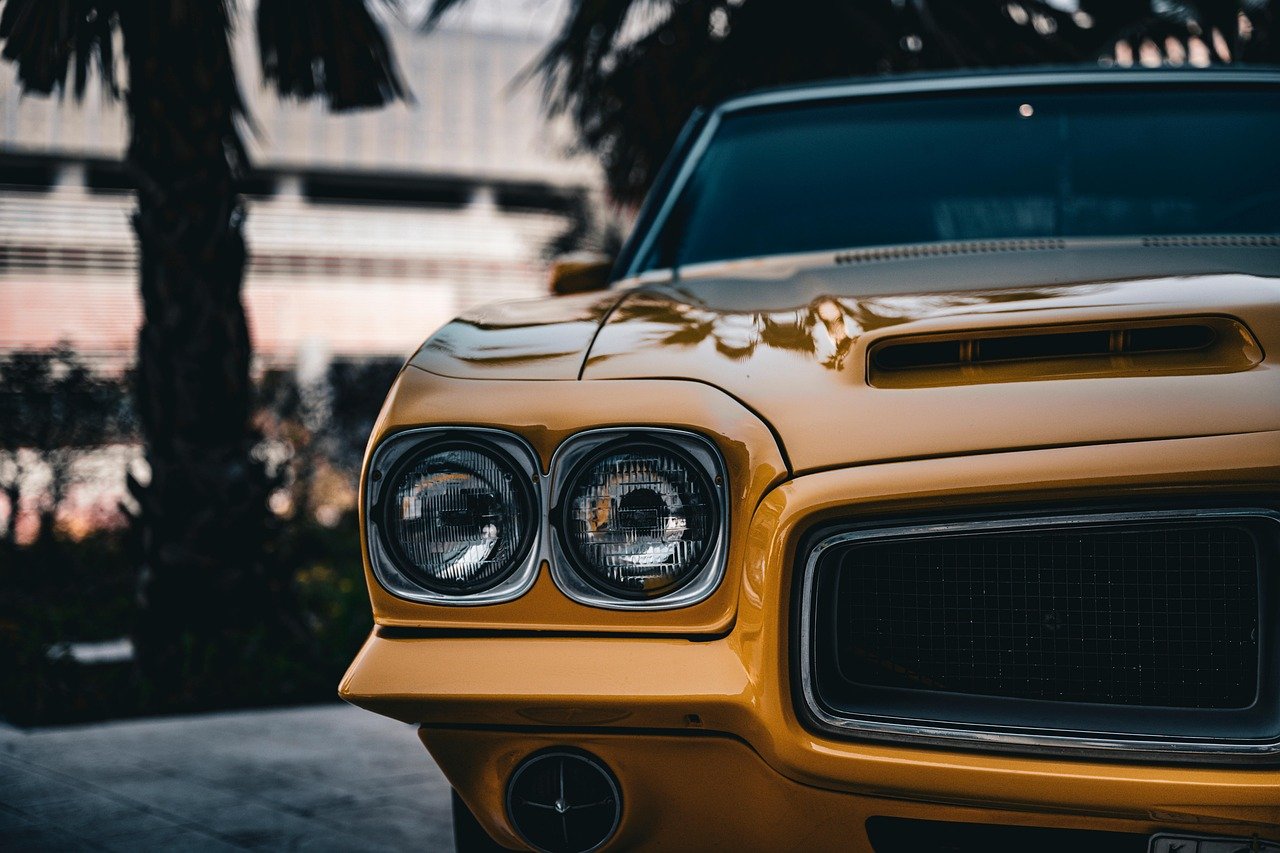
A running, drivable classic car can cost less than a new compact sedan. That single fact explains why the search for old cars for sale never really cools off, even when new-car lots sit full. Plenty of solid drivers trade hands for the price of a decent used hatchback, and a few of them even go up in value while you own them. The catch is that the market for vintage vehicles rewards preparation and punishes impulse. This guide walks through where to look, what to check, and which mistakes separate a smart purchase from an expensive lesson.
Why old cars still pull buyers in
New cars depreciate the moment they leave the lot. Older vehicles follow a different curve. Once a model survives two or three decades, its value usually stops falling and starts flattening out. Rarity, nostalgia, and the simple pleasure of driving something mechanical do the rest.
There is also a practical angle. Older cars are often simpler to work on. A home mechanic with basic tools can handle brakes, belts, and fluid changes on a 1970s sedan in an afternoon. Try that on a modern car with a sealed transmission and a computer for every function. That DIY friendliness keeps a steady stream of buyers hunting for project cars and weekend drivers.
The market is not one market, though. It splits into clear tiers, and knowing which tier you belong in saves months of wasted searching.
| Tier | Typical condition | What buyers get | Main risk |
|---|---|---|---|
| Project car | Rough, often non-running | Lowest entry price, full restoration control | Hidden rust, missing parts |
| Driver | Runs well, cosmetic flaws | Usable immediately, easy to maintain | Mechanical surprises |
| Show car | Restored or well preserved | Turnkey ownership, strong resale | Overpaying for shiny paint |
| Collector grade | Rare, documented, original | Investment potential | Fraud, cloned identities |
Most first-time buyers are happiest in the driver tier. It offers the best balance of usable fun and manageable cost. The cars built around experience tend to live in exactly this bracket, where character matters more than concours trophies.
Where old cars for sale actually turn up
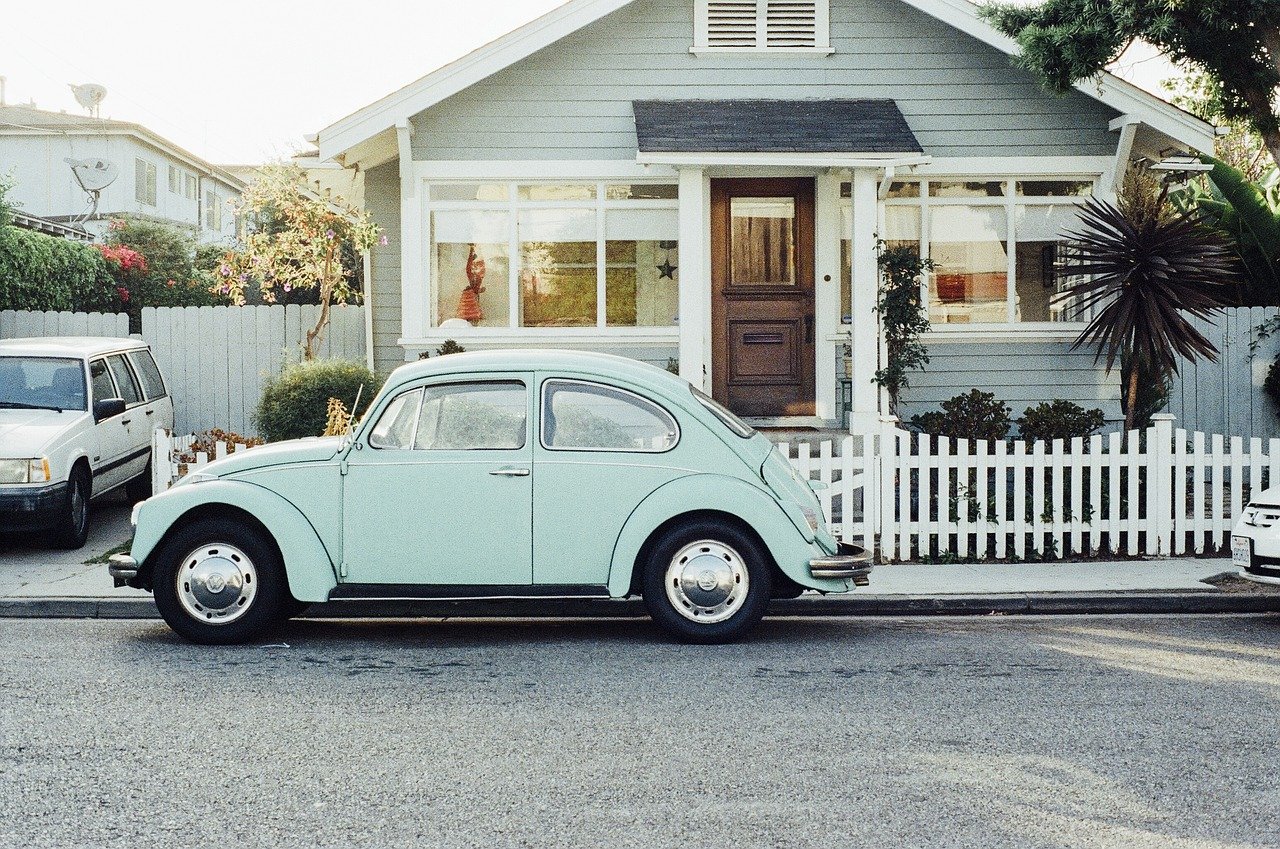
Beginners often assume the classifieds are the whole market. In reality, old cars change hands through several channels, each with its own rhythm and its own risks.
Private sellers are the biggest source. Prices are usually negotiable, and owners often know the car’s history in detail. The downside is that no one protects you if the story turns out to be fiction.
Dealers specializing in classics charge more but usually offer inspected inventory and some paperwork trail. Their margins exist for a reason.
Auctions range from small local events to major international sales. Auction results are public records, which makes them useful for price research even if you never bid. Sellers also tend to accept market pricing at auction, while private listings can sit for months at unrealistic asking prices.
Online marketplaces and owner forums have become the default first stop for many buyers. Enthusiast forums are especially useful because members often know a specific car’s history and will say so publicly.
A smart approach uses all of these at once. Set alerts on the marketplaces, join two or three owner clubs for the model you want, and check auction results weekly. The Voozon Cars reviews and car guides are a reasonable starting point for comparing models before you commit to a shortlist.
Set a budget that includes the hidden costs
The purchase price is only the first bill. Buyers routinely underestimate the rest. Plan for insurance (often cheaper on classics through specialist policies), registration and taxes, storage if you lack a garage, and a maintenance fund. A common rule of thumb among owners is to reserve 10 to 15 percent of the purchase price annually for upkeep. On a project car, restoration costs can easily exceed the car’s value, so decide up front whether you are building a keeper or flipping a car. (Classic car)
Reading a listing without getting fooled
Listings are marketing documents. They are written to sell, and the gaps matter as much as the words. A few habits separate careful buyers from hopeful ones.
- Read the photo count. Fewer than ten photos on a car for sale is a warning sign. Ask for specific shots: rocker panels, floor pans, trunk floor, engine bay, and the underside.
- Check the wording. “Ran when parked” usually means it does not run now. “Needs minor work” is a phrase with no fixed meaning.
- Verify the paperwork. A title in the seller’s name, matching the vehicle identification number, is the baseline. Walk away from anything else.
- Ask for the maintenance file. Receipts for parts and labor tell you more about a car than any description.
- Compare against real sale prices, not asking prices. Completed auction results are the honest benchmark.
The inspection that saves thousands
Never buy a classic sight unseen unless you have a professional inspect it first. Rust is the single biggest destroyer of value. It hides under paint, behind trim, and inside frame rails. A magnet that refuses to stick to a lower body panel is telling you something important.
Mechanical checks matter too, but they are usually cheaper to fix than structural rot. A compression test, a cold start, and a test drive that includes braking and steering will expose most major issues. If the seller refuses an independent inspection, treat that refusal as an answer.
Common mistakes buyers make
The most expensive error in this hobby is falling in love before doing the math. Buyers routinely overpay because a particular color or badge triggers emotion. A short list of repeat offenders:
- Buying the first car they see. Look at five before making an offer on one.
- Skipping the pre-purchase inspection to save a few hundred dollars, then discovering four-figure rust repairs.
- Ignoring parts availability. Some models have thriving aftermarket support. Others leave owners hunting swap meets for years.
- Underestimating storage. A car that lives outside degrades fast, and that erosion shows up in resale value.
- Forgetting insurance quirks. Agreed-value policies differ from standard coverage, and the difference matters after a claim.
What actually works is boring: build a shortlist, learn the model’s known weak points, inspect in person, and negotiate from evidence rather than enthusiasm. The Voozon Cars reviews, comparisons and car guides can help narrow a shortlist before you start traveling to view cars. (Cars)
What to check before money changes hands
A structured checklist turns a nerve-wracking purchase into a routine transaction. Before handing over cash or a bank transfer, confirm the following:
- The VIN on the car matches the title and any historical documents.
- The seller’s identification matches the name on the title.
- Any liens have been released in writing.
- The odometer reading is plausible given wear on pedals, seats, and steering wheel.
- The engine and transmission numbers match factory records where the model warrants it.
- A written bill of sale records the price, date, and both parties’ details.
For older vehicles, paperwork authenticity carries real weight. The Fédération Internationale des Véhicules Anciens maintains documentation standards for historic vehicles, and its definitions of originality are widely referenced by clubs and insurers. Buyers who understand those standards tend to spot questionable “matching numbers” claims early.
The cost of keeping an old car on the road
Ownership is a long game. Routine maintenance on a well-supported classic is often cheaper than on a modern car because parts are simpler and labor is more accessible. The reverse is true for rare models with thin parts supply.
Fuel economy is usually worse than a modern equivalent, and some older engines require additives or higher-octane fuel. Emissions and safety rules vary by region, and buyers in regulated areas should confirm local requirements before purchase. The U.S. Environmental Protection Agency publishes guidance on vehicle emissions rules, while the National Highway Traffic Safety Administration covers import and safety standards for vehicles entering the country. Checking those rules first prevents the nightmare scenario of buying a car you cannot legally register.
Insurance deserves its own line item. Specialist classic policies typically cost less than standard coverage because these cars cover fewer miles. Agreed-value coverage protects you if the car is totaled, since market value and replacement cost can differ sharply.
Should you buy a project or a driver?
This is the decision that shapes everything else. A project car offers the lowest entry price and the satisfaction of building something yourself. It also demands time, space, tools, and patience, and the total spend often exceeds the cost of buying a finished car.
A driver lets you enjoy the car immediately and learn its quirks before committing to bigger work. For most people, the driver is the smarter first purchase. Buy the best example you can afford rather than the cheapest one available, because baseline quality compounds over years of ownership.
There is a middle path too: a solid driver with cosmetic needs. Mechanical work is predictable and often documented, while bodywork and paint are where budgets explode. A car with tired paint but a healthy drivetrain is frequently the best value on the market.
Conclusion
Shopping for old cars for sale rewards patience far more than speed. The buyers who do well are the ones who set a realistic budget, learn a model’s weak points before viewing, insist on an inspection, and negotiate from completed sale prices rather than asking prices. The market offers something for nearly every budget, from rough project cars to documented collector pieces, and the difference between a joyful purchase and a costly mistake usually comes down to preparation. Start with a shortlist, do the homework, and let the paperwork and the inspection do the persuading.
Frequently asked questions
What is the cheapest way to buy an old car?
Private sales through owner forums and local classifieds usually offer the lowest prices, because there is no dealer margin. Auction bargains exist but carry more risk for inexperienced buyers. Whatever the channel, budget for an inspection and a maintenance reserve on top of the purchase price.
How do I check an old car’s history before buying?
Start with the title and VIN, then request maintenance receipts and any restoration records. Enthusiast clubs for specific models often hold registry information. A professional pre-purchase inspection adds an independent mechanical and structural assessment that paperwork alone cannot provide.
Are old cars expensive to insure?
Often less than expected. Specialist classic policies are usually cheaper than standard coverage because these vehicles cover limited mileage. Agreed-value policies cost a little more but protect you against payout disputes if the car is written off.
Can I daily drive a classic car?
Yes, with caveats. Well-supported models with strong parts availability handle regular use fine. Expect worse fuel economy, more frequent servicing, and less crash protection than a modern car. Many owners keep a second vehicle for bad weather and long trips.
What is the biggest red flag when buying an old car?
Rust. Structural corrosion is expensive to repair and often hidden under fresh paint or trim. A magnet test on lower body panels and an underside inspection reveal most problems. A seller who blocks an independent inspection is a close second.
Do old cars hold their value?
Some do, many do not. Rare, documented, and original examples tend to appreciate or hold steady, while common models in average condition often stay flat or decline slowly. Condition, originality, and documentation drive value more than age alone.