
Motor Cars of Chicago: History, Shows & Car Culture
 Abdul WadoodLast updated
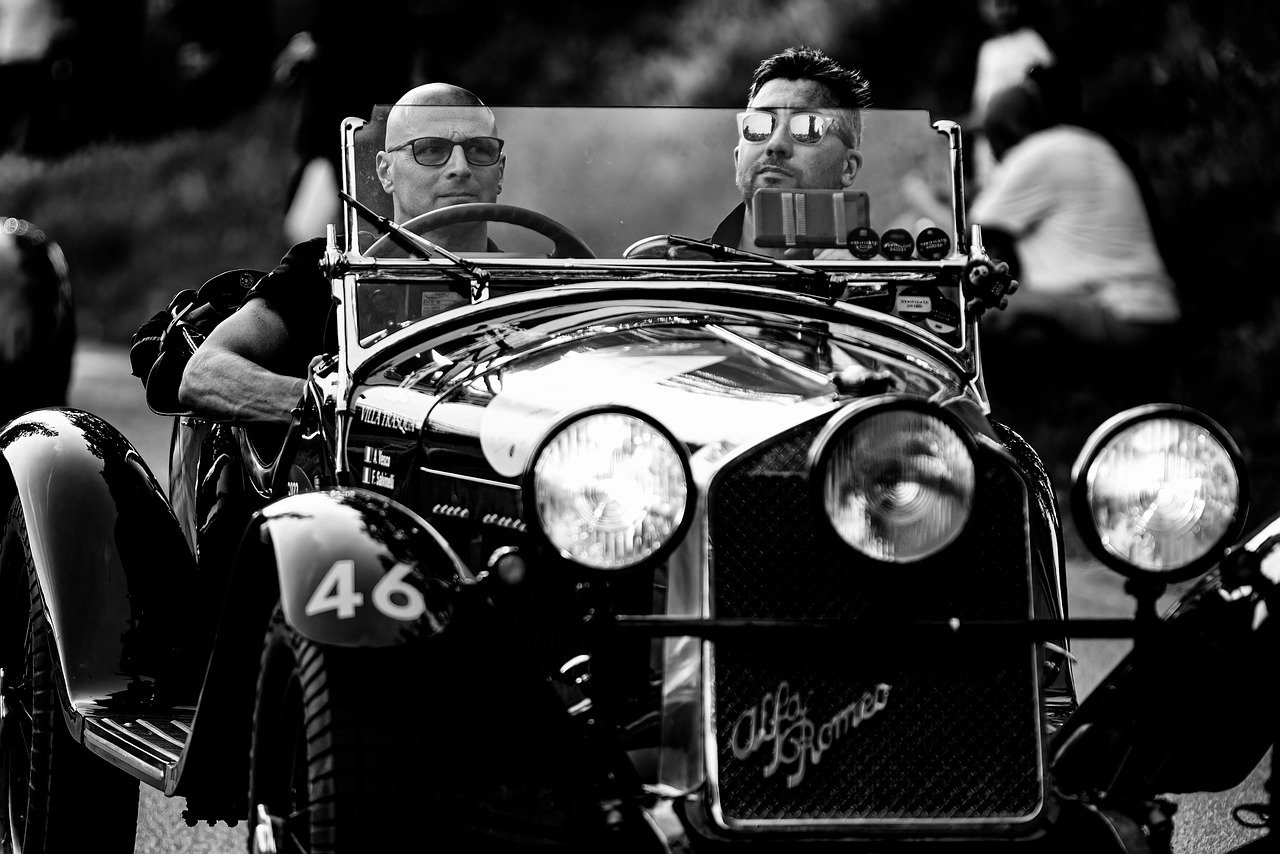
Chicago hosted the first auto show in the United States in March 1901, inside the Chicago Coliseum. That single event tells you something most people miss: long before Detroit became shorthand for American car culture, Chicago was already selling, building, and celebrating automobiles at scale. The phrase “motor cars of Chicago” points to a whole network, not one company. It covers the dealers, the trade association, the annual show, the collectors, and the early manufacturers who made the city a genuine car town.
This article explains what that network looks like today, why Chicago’s automotive identity runs deeper than most drivers realize, and what practical lessons anyone shopping for or collecting cars in the region should take away.
Why Chicago Became a Car Town So Early
Geography did a lot of the work. Chicago sat at the center of the national rail network and the Great Lakes shipping lanes. Raw materials came in, finished goods went out, and the city already had the machine shops, foundries, and skilled labor that early car manufacturing demanded.
The timing matters too. The first Chicago Auto Show predates Ford’s Model T by seven years. According to the Chicago Automobile Trade Association, the group has organized the show since its founding in 1904, and the event has run in some form for more than a century. That continuity is rare. Most American cities hosted a car show or two in the early 1900s and then lost the thread. Chicago never did. (City of Chicago)
The early 1900s also brought a wave of manufacturers and parts suppliers to the region. Many of them were small and short-lived, which is exactly why the history is so hard to trace today. Records are scattered across business registrations, trade journals, and museum archives rather than gathered in one place.
What “Motor Cars of Chicago” Actually Refers To
Here’s where people get confused, and it’s worth being direct about it. The phrase is ambiguous. It can mean:
- A dealership or dealer group using a similar name
- A collector-car event or club in the region
- A historical manufacturer or brand from Chicago’s early auto era
- A general shorthand for the city’s car scene
Because the name isn’t tied to one confirmed, well-documented entity, anyone researching it should verify what they’re actually looking at before relying on it. That’s not a dodge; it’s the honest state of the record. If you’re trying to pin down a business with this name, start with Illinois Secretary of State business filings and the Chicago History Museum archives rather than trusting a random listing.
The practical takeaway: treat “motor cars of Chicago” as a category, not a single brand. Once you do, the picture gets much clearer.
The Chicago Auto Show as the Anchor
If one thing holds the city’s car identity together, it’s the annual show. Held at McCormick Place in recent decades, it has grown into one of the largest consumer auto shows in North America, typically running for about ten days in February.
What makes it unusual is its consumer focus. Other major shows lean toward industry announcements and press previews. Chicago leans toward people who might actually buy a car. Dealers staff the floor, manufacturers bring trim levels rather than concept fantasies, and attendees can sit in dozens of vehicles in an afternoon without a salesperson hovering.
That structure has real value for shoppers. A few practical notes from how the show actually works:
- Go on a weekday if you can. Weekend crowds make it hard to spend real time in a seat.
- Bring your own car seat if you have young kids. Testing fitment is one of the few things a show does better than a dealership.
- Sit in the back seat first. Most buyers test the driver’s seat and forget the passengers.
- Skip the concept cars if you’re shopping. They won’t be in showrooms.
- Check the show’s official dates each year, since the schedule has shifted around the calendar more than once.
For a broader look at how reviewers and buyers compare models across the region, the Voozon Cars reviews and comparison hub is a reasonable starting point before you walk the floor.
Dealers, Collectors, and the Everyday Market
Chicago’s car market is enormous and layered. You have franchise dealers along the major corridors, independent lots serving budget buyers, and a collector scene that runs from air-cooled Volkswagens to pre-war American iron.
The collector side is where the city’s history shows up most visibly. Cars survive here in surprising numbers because the region had dense dealer networks and a large middle class that could afford them early. Estate sales, barn finds in the collar counties, and long-running club networks keep metal circulating.
A few things that actually work when buying a collector car in the Chicago area, and a few that don’t:
What works: inspecting in person, in daylight, on dry pavement. Asking for service records going back more than a couple of years. Having a specialist look at rust-prone areas, because Midwestern road salt is unforgiving.
What doesn’t: buying from photos alone. Trusting a fresh coat of undercoating, which is sometimes used to hide corrosion. Assuming low mileage means good condition, when a car that sat for a decade often needs more work than one that was driven.
The Northline Motoring profile is a useful example of how regional dealers and specialists position themselves, and it shows why local knowledge matters when you’re evaluating a car that has spent its life in a salt-belt climate.
What the Early Manufacturers Left Behind
Chicago’s early auto industry is a story of enthusiasm outrunning infrastructure. Dozens of makers operated in and around the city in the 1900s and 1910s, building everything from high-wheeled buggies to serious touring cars. Most vanished. Consolidation, capital shortages, and Detroit’s scale advantages wiped out the field.
What survived is more interesting than a list of defunct brands. It’s the supplier base. Chicago became a hub for parts, tooling, and aftermarket equipment, and that industrial muscle outlasted the carmakers themselves. It’s also why the region retains a deep bench of restoration shops, machinists, and fabricators that collectors rely on today.
There’s a philosophical point buried in that history, and it’s one worth sitting with: the cars that endure aren’t always the ones with the best specs. They’re the ones built around an experience people wanted to repeat. That idea gets explored well in this piece on the cars built around experience, and it explains why certain models from Chicago’s past still draw crowds at local shows while objectively “better” cars are forgotten.
How to Research a Chicago Car’s History
Whether you’re chasing a specific model or checking the background of a car you’re about to buy, the research path is fairly consistent. Public records do most of the work.
| What you want to know | Where to look | What to expect |
|---|---|---|
| Whether a business existed | Illinois Secretary of State filings | Corporate records, registration dates |
| Show history and dates | Chicago Automobile Trade Association archives | Founding dates, venue changes |
| Regional context | Chicago History Museum, Encyclopedia of Chicago | Photographs, industry overviews |
| Vehicle history | Title records, service documentation | Ownership chain, mileage verification |
| Model specifics | Owner clubs, marque registries | Production numbers, common faults |
A word of caution: online listings and aggregator sites frequently mislabel regional history. If a claim about a Chicago-built car or a local dealer can’t be traced to a primary source, treat it as unverified. That’s a habit worth building, because the early history is genuinely patchy and confident-sounding errors spread fast.
Buying in Chicago: What the Climate Does to Cars
This is the part out-of-state buyers consistently underestimate. Chicago winters are hard on vehicles, and the damage isn’t always visible.
Road salt is the main culprit. It accelerates corrosion on brake lines, subframes, rocker panels, and suspension components. A car that looks clean on top can have serious structural rust underneath. Always get a car on a lift before buying, and pay attention to the areas where salt and slush collect: behind the wheel arches, around the fuel filler, and along the floor pan seams.
Freeze-thaw cycles stress seals, hoses, and batteries. A used car from the region may have had multiple battery replacements, which is normal and not a red flag by itself.
Potholes do real suspension damage. A pre-purchase inspection that includes a test drive over rough pavement will reveal more than a parking-lot lap ever will.
None of this means you should avoid Chicago cars. It means you should inspect them differently than you would a car from Arizona. The Voozon Cars guide collection covers regional buying considerations in more depth if you want to go further.
The Show Scene Beyond McCormick Place
The big show gets the attention, but the real car culture lives in smaller events. Weekend cars-and-coffee gatherings, marque-specific club meets, and regional auctions fill the calendar from spring through fall.
These events have a social side and a practical one. They’re where you learn what a model actually costs to own, which shops are trusted, and which cars are quietly becoming hard to find. Owners talk more freely at a Saturday morning meet than they ever will in a showroom.
For anyone new to the scene, the practical advice is simple: show up, ask questions, and don’t pretend to know more than you do. Car people are generally generous with knowledge, but they can smell a poseur immediately. Honest curiosity gets you much further than confident bluster.
Conclusion
The motor cars of Chicago are less a single story than a stack of them: a trade association that has run a show for over a century, a manufacturing era that burned bright and faded, a dealer network that never stopped moving metal, and a collector community that keeps the history alive one Saturday morning at a time. The phrase itself is ambiguous, and that ambiguity is worth respecting rather than papering over with confident claims.
What isn’t ambiguous is the substance underneath. Chicago helped establish the American auto show. It built parts and cars when the industry was still deciding where to settle. It developed a climate that punishes careless buying and rewards thorough inspection. And it maintains a car culture dense enough that almost any enthusiast can find their people within a short drive.
If you take one thing from all this, make it a habit rather than a fact: verify before you trust. Check the primary record on a business, get the car on a lift before you buy it, and treat regional history as something to be researched rather than assumed. That approach works whether you’re chasing a defunct Chicago marque or just trying to avoid buying someone else’s rust problem.
Frequently Asked Questions
What was the first auto show in Chicago?
The first Chicago Auto Show was held in March 1901 at the Chicago Coliseum, which makes it the longest-running auto show in the United States. The Chicago Automobile Trade Association has organized the event since its founding in 1904, and it has continued in some form for well over a century.
Is “Motor Cars of Chicago” a specific company?
It isn’t clearly established as one confirmed entity. The phrase can refer to a dealership, a collector event, a historical manufacturer, or the city’s car scene generally. Anyone researching a business using this name should check Illinois Secretary of State filings and museum archives rather than relying on secondary listings.
Did Chicago ever build cars?
Yes. Dozens of manufacturers operated in and around the city in the 1900s and 1910s, though most were small and short-lived. Consolidation and Detroit’s scale advantages ended the era, but Chicago’s supplier and parts industry outlasted the carmakers and still supports restoration work today.
Where is the Chicago Auto Show held now?
In recent decades it has been held at McCormick Place, typically running for about ten days in February. The schedule has shifted around the calendar more than once, so checking official dates each year is worth the two minutes.
What should I check before buying a used car in Chicago?
Focus on rust. Road salt corrodes brake lines, subframes, and rocker panels in ways that aren’t visible from above. Get the car on a lift, inspect the wheel arches and floor pan seams, and drive it over rough pavement to test the suspension before committing.
Are Chicago car museums and archives open to researchers?
Several institutions hold relevant material, including the Chicago History Museum and the Encyclopedia of Chicago. Access policies vary by institution and by collection, so contact the archive directly before planning a visit and confirm what records are available for the period you’re researching.