
Men’s Tattoos: Styles, Placement & Cost Guide 2026
 Abdul WadoodLast updated
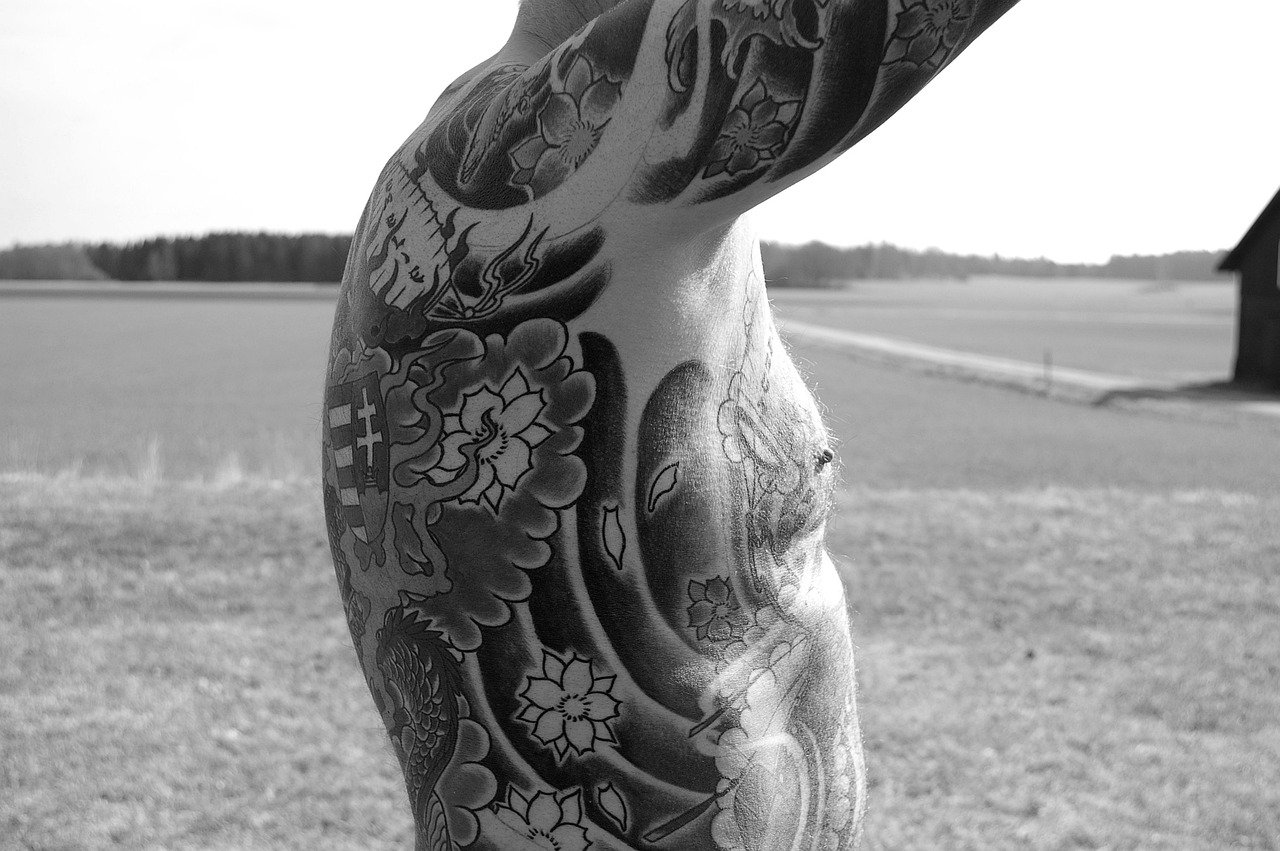
Roughly one in five adults in the United States has at least one tattoo, and men have historically made up a large share of that group. But the numbers only tell part of the story. Walk into any gym, barbershop, or construction site and you’ll see how far men’s ink has moved from a niche subculture to something close to mainstream. The real question is no longer whether men get tattoos. It’s which designs hold up, where they belong on the body, what they cost, and how to avoid the mistakes that turn a great idea into a cover-up job.
This guide breaks down the practical side of men’s tattoos: the styles that age well, placement choices, realistic pricing, aftercare, and the decisions that separate a tattoo you’ll love for decades from one you’ll regret by summer. (Tattoo)
Why Men’s Tattoo Choices Have Changed
Tattooing has shed much of its old stigma. Once associated with sailors, bikers, and prison culture, ink now shows up on bankers, teachers, and firefighters alike. Workplace dress codes have loosened, and visible tattoos are far less of a hiring liability than they were a generation ago.
That shift matters for design decisions. When a tattoo was hidden under a shirt, guys could afford to be experimental. Now that forearms and hands are fair game in many workplaces, more men think carefully about how a piece will read in a meeting, at a wedding, or on a video call. The result is a move toward cleaner, more deliberate work: strong linework, restrained color, and designs that don’t rely on a trend that will look dated in five years.
There’s also a practical driver. Laser removal and cover-ups are expensive and imperfect, so more men are doing homework before the needle comes out rather than after. That’s a healthy change.
The Tattoo Styles That Work Best for Men

Style is personal, but some categories consistently hold up better than others for men’s body types and lifestyles. Here’s a practical comparison.
| Style | Best For | Ages Well? | Notes |
|---|---|---|---|
| Traditional (American) | Bold, readable pieces | Yes | Thick outlines, limited palette, built to last |
| Blackwork / geometric | Clean, modern looks | Usually | Depends on line precision; thin lines can blur |
| Realism / portrait | Statement pieces | Mixed | Needs a skilled artist; can fade and lose detail |
| Tribal / Polynesian | Shoulders, arms, chest | Yes | Choose respectful, well-researched designs |
| Script / lettering | Wrists, ribs, collarbone | Usually | Small text blurs over time; size it up |
| Japanese (Irezumi) | Backs, sleeves, chest panels | Yes | Large-scale, requires commitment and budget |
A few ground rules apply across the board. Bold, simple designs age better than intricate ones. Fine lines spread and soften as skin changes over decades, so a delicate micro-detail that looks sharp at 25 can turn muddy by 45. If a man wants a piece that still reads clearly in twenty years, thicker outlines and higher contrast are the safer bet.
Style should also match lifestyle. Someone who works outdoors and spends weekends surfing will put far more sun stress on a tattoo than someone in an office. That doesn’t rule out color or detail, but it argues for sun protection and realistic expectations.
Choosing Placement: Where Men’s Tattoos Actually Belong
Placement is where a lot of first-timers get it wrong. The most popular spots for men are the upper arm, forearm, shoulder, chest, back, and calf. Each comes with trade-offs.
- Upper arm and shoulder: The classic starting point. Easy to cover, holds ink well, and works for almost any style.
- Forearm: Highly visible and increasingly accepted at work, but you can’t hide it in a short-sleeve shirt.
- Chest: Great canvas for large pieces, but painful and often hidden, which means fewer people see the work.
- Back: The biggest canvas and a natural fit for large-scale designs, though you’ll rarely see it yourself.
- Ribs and sternum: Dramatic, but among the most painful areas and prone to distortion with weight change.
- Hands, neck, and face: “Job-stopper” placements. Even in permissive workplaces, these can limit options, so they’re best left until a man is established in his career.
Pain is a real factor. Areas with more bone and less muscle or fat, like ribs, spine, and ankles, hurt more. Fleshy areas like the outer arm and calf are more forgiving. First-timers often do best starting somewhere moderate rather than testing their pain tolerance on a rib piece.
One more consideration: body change. Weight gain or loss, and muscle growth from training, can stretch or shift a design. Placing a tattoo over a spot that fluctuates a lot, like the belly, is riskier than the shoulder or back.
What Men’s Tattoos Really Cost
Price is one of the most misunderstood parts of getting inked. Tattoos are priced by the hour, by the piece, or by the session, and rates vary widely by city, artist reputation, and complexity. A rough framing helps set expectations.
| Scope | Typical Range | What Drives It |
|---|---|---|
| Small, simple piece | Lower end | Size, minimal detail, short session |
| Medium piece | Mid range | Detail, color, 2–4 hours |
| Full sleeve | High end | Multiple sessions over weeks or months |
| Large back piece | Highest | Many sessions, specialist artist |
Two rules of thumb hold up in practice. Good tattoos aren’t cheap, and cheap tattoos aren’t good. A bargain rate often signals an inexperienced artist, poor hygiene, or both, and fixing a bad tattoo costs far more than doing it right the first time. Second, ask for the shop’s minimum and hourly rate up front, and confirm whether a deposit applies. Reputable artists are transparent about pricing before the appointment. (Tattoos and piercings: What to know)
Budget for more than the tattoo itself. Tips are customary for good work, and aftercare supplies (ointment, fragrance-free soap, sunscreen) add a small amount on top.
How to Choose an Artist and Avoid Common Mistakes
The single biggest mistake men make is choosing an artist on price or convenience instead of fit. A talented artist who specializes in realism may not be the right person for bold traditional work, and vice versa.
Here’s a practical process that works:
- Match the artist to the style. Look beyond fresh photos and examine their healed work. Fresh tattoos always look good; healed ones reveal skill.
- Check hygiene and licensing. A clean shop uses fresh needles, gloves, and single-use supplies. Don’t be shy about asking.
- Review portfolios and reviews together. A portfolio shows range; reviews reveal consistency and professionalism.
- Book a consultation. Discuss size, placement, and design. A good artist will push back if an idea won’t work on skin.
- Trust the artist’s design input. Bringing references is smart; dictating every line usually produces a worse result.
Other common mistakes worth flagging: getting a partner’s name tattooed early in a relationship, choosing a design because it’s trending on social media, and underestimating how much a large piece costs in both money and time. A sleeve can take months of sessions, and rushing the process shows in the final result.
There’s also the spelling and meaning check. Foreign-language script and symbols are popular, but a mistranslation or a symbol with unintended meaning is a permanent problem. Verify before you commit.
Aftercare: What Separates a Good Heal From a Bad One
A tattoo is only as good as its heal. The first two weeks determine how crisp the lines stay and how bright the color remains.
Keep it clean with fragrance-free soap and lukewarm water, pat it dry with a clean paper towel, and apply a thin layer of recommended ointment. Avoid soaking (no swimming, long baths, or hot tubs), direct sun, and picking at scabs. Sun protection is a lifelong job, not a two-week one. UV exposure fades ink faster than almost anything else, so sunscreen on exposed tattoos should become routine.
Watch for signs of infection, such as spreading redness, heat, pus, or fever, and contact a doctor if they appear. Most tattoos heal without issue when aftercare instructions are followed, but ignoring them is one of the most common and avoidable mistakes.
Men’s Tattoos and the Workplace
The professional picture has genuinely improved, but it isn’t uniform. Some industries, like tech, trades, and creative fields, barely blink at visible ink. Others, including certain client-facing corporate, legal, and healthcare roles, may still expect tattoos to be covered. The practical move is to know your field before committing to a highly visible placement.
If a man is early in his career or unsure of his long-term path, keeping tattoos coverable is a smart hedge. It costs nothing to place a piece on the upper arm instead of the hand, and it preserves options. Once a career is established, those constraints often loosen.
Conclusion
Men’s tattoos have moved firmly into the mainstream, but the decisions around them still reward careful thought. The men who end up happiest with their ink tend to share a few habits: they pick bold, timeless designs over fleeting trends, they place pieces with an eye on their career and lifestyle, they pay for skill rather than chasing a bargain, and they treat aftercare and sun protection as permanent responsibilities. None of that requires special knowledge, just patience and a willingness to do the homework before the appointment. Get those pieces right, and a tattoo becomes something a man carries proudly for decades rather than something he plans to cover up.
Frequently Asked Questions
How much do men’s tattoos usually cost?
Costs depend on size, detail, artist reputation, and location. Small simple pieces sit at the low end, medium pieces in the middle, and full sleeves or large back pieces at the high end, often spread across multiple sessions. Always ask for the shop’s hourly rate and minimum before booking, and budget extra for tips and aftercare supplies.
Where should a first tattoo go?
The upper arm and shoulder are the safest starting points. They hold ink well, are easy to cover, and work with almost any style. Forearms are popular but highly visible. First-timers generally do best avoiding hands, necks, and faces until they’re established in their careers.
Do tattoos hurt more in certain spots?
Yes. Areas with more bone and less muscle or fat, such as ribs, spine, and ankles, tend to hurt more. Fleshy areas like the outer arm, shoulder, and calf are more forgiving. Pain tolerance varies by person, but placement is the biggest factor.
How do I pick the right tattoo artist?
Match the artist to the style you want, and review their healed work rather than only fresh photos. Check licensing and hygiene practices, read reviews for consistency, and book a consultation. A good artist will tell you honestly if a design won’t work on skin.
Will a tattoo hurt my job prospects?
It depends on the field. Many industries now accept visible tattoos, while some client-facing corporate, legal, and healthcare roles may still expect them to be covered. If you’re unsure, choose a placement that can be hidden under a shirt until you know your career path.
How long does a tattoo take to heal?
The surface typically heals in about two to three weeks, while deeper layers can take a few months to fully settle. Keep it clean, avoid soaking and sun exposure, and don’t pick at scabs. Sun protection should continue for the life of the tattoo to keep lines crisp and color bright.