
Mater Cars: What the Name Really Means & Where to Buy
 Abdul WadoodLast updated

The most famous “Mater” on four wheels isn’t a luxury sedan or a concept car. It’s a rusty, buck-toothed tow truck from a 2006 animated film. Pixar’s Cars turned Mater, the small-town sidekick with a heart of gold, into a merchandising powerhouse, and today a search for “mater cars” almost always leads back to him. But the phrase hides a few other meanings too, from hospital transport fleets to die-cast collector shelves. This guide sorts out what people actually mean, what’s worth buying, and where confusion usually creeps in.
Why “Mater Cars” Mostly Means One Thing
Type the phrase into any search engine and the results are dominated by toys. That’s no accident. Pixar’s Cars franchise, which launched in 2006, generated billions in global retail sales across toys, apparel, and games, and Mater became one of its most recognizable characters. Voiced by comedian Larry the Cable Guy, he’s a 1951 International Harvester boom truck with a dented hood, a missing headlight, and a habit of telling tall tales about his past as a spy, a daredevil, and a rock star.
The character’s full name is Tow Mater, and he anchors the fictional town of Radiator Springs. That backstory matters for collectors, because it explains why so many products are labeled “Radiator Springs Mater” or “Tow Mater” rather than simply “Mater.” If you’re searching for merchandise, those extra words are often the key to finding the right listing.
The franchise also spawned a 2011 spin-off film, Cars 2, which pushed Mater into a lead role, plus a long-running series of shorts and a 2017 sequel. Each release triggered a fresh wave of die-cast models, so the market is now deep and occasionally confusing. For a broader look at how vehicle-driven storytelling shapes consumer interest, the cars built around experience piece on Voozon is a useful companion read.
The Real-World Vehicles Behind the Character
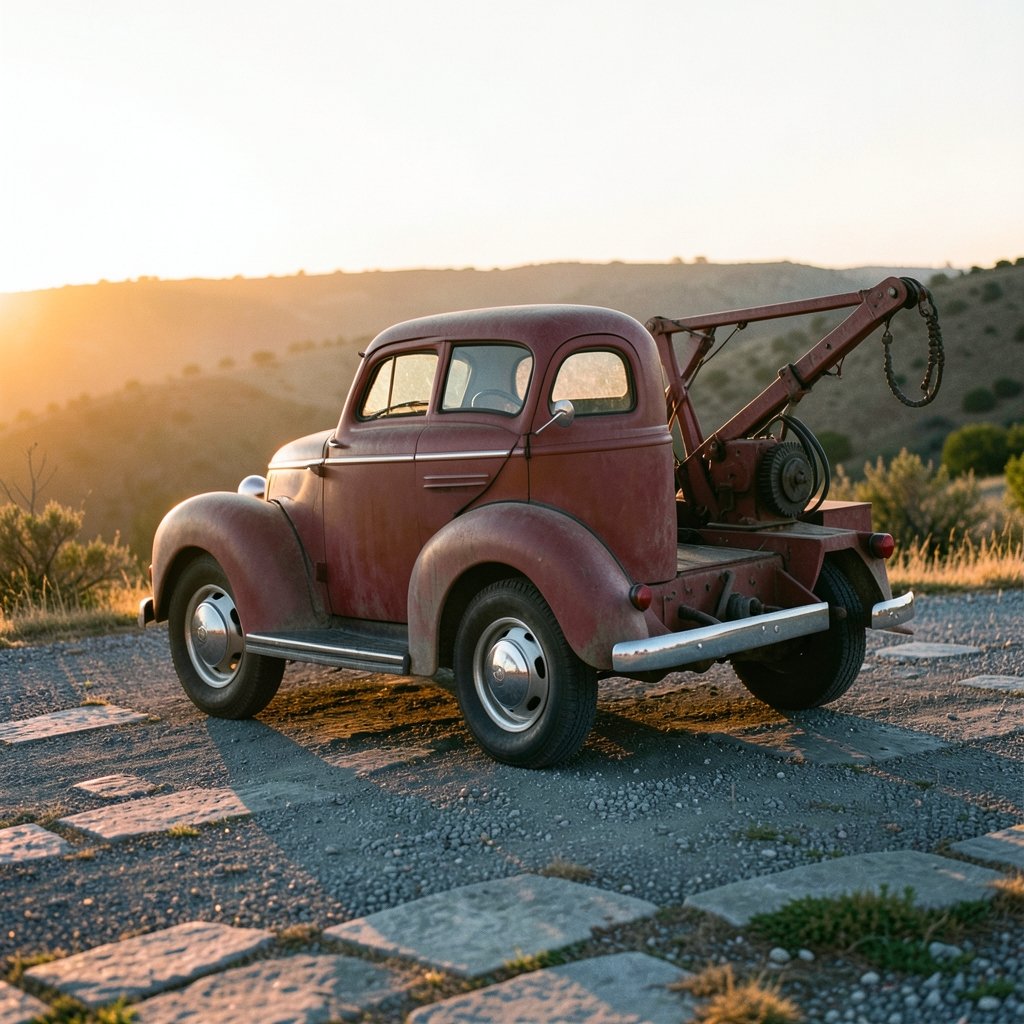
Mater isn’t a generic cartoon truck. Animators based him on a specific class of American work vehicle: the tow truck, built on a heavy-duty chassis with a rear-mounted boom and winch. The design cues, from the rounded fenders to the upright cab, echo mid-century International Harvester and Chevrolet trucks.
That grounding in real hardware is why Mater merchandise spans two very different audiences. Kids want the character. Adults who grew up around farm equipment and wreckers often want the model because it looks like something their grandfather drove. Practical buyers researching actual towing capability should look elsewhere, though; a consumer towing guide is more useful than a toy listing. Voozon’s car reviews, comparisons and buying guides cover that ground well.
What Makes a Die-Cast Mater Collectible
Not every Mater is worth keeping in the box. A few practical rules separate a shelf-filler from a genuine collectible:
- Check the scale. Mattel’s 1:55 die-cast line is the standard, while larger 1:24 and 1:32 models appeal to display collectors.
- Look for packaging variants. First-release cardbacks from 2006 command far more than identical cars reissued years later.
- Inspect the paint. Matte “dirty” finishes on weathered Mater versions are easy to scuff, and scuffs cut value fast.
- Confirm the character version. “Brand New Mater,” “Fire Truck Mater,” and “Secret Agent Mater” are distinct releases, not color swaps.
- Check the wheels. Rubber tires indicate premium releases; plastic wheels signal standard retail versions.
A common mistake buyers make is assuming any Mater in original packaging is rare. Most standard releases were produced in enormous quantities, and supply still outstrips demand for the common ones.
Beyond the Movie: Other Meanings of the Phrase
Search results occasionally surface something completely different, and it’s worth knowing why. Several large institutions carry the word “Mater” in their names, most of them hospitals or schools rooted in the Latin word for “mother.”
| Meaning | What it typically refers to | What searchers usually want |
|---|---|---|
| Pixar character | Tow Mater from Cars | Toys, models, gifts |
| Hospital fleets | Transport and parking services at Mater-named hospitals | Parking info, shuttle schedules |
| Educational institutions | Schools with “Mater” in the title | Campus transport, permits |
| Misspelling | “Motor cars” typed quickly | General vehicle information |
If you landed here looking for hospital parking or a campus shuttle, the term you want is probably “mater transport” or “mater parking,” not “mater cars.” Adding the institution’s city to the search usually fixes it in one attempt.
There’s also a simple typo factor. On a phone keyboard, “motor cars” and “mater cars” sit one keystroke apart, and enough people mistype it that search engines now blend the two. If you’re after general automotive content, Voozon’s reviews and comparison hub is the more direct route.
Buying Mater Cars: What Actually Works
The single biggest frustration for shoppers is version drift. A listing says “Mater” and shows a photo of the classic rusty truck, but the item shipped is a brightly colored variant from a later film. Before paying, match the product code on the box to the code in the listing photo.
A second trap is scale confusion. A 1:55 model is roughly the length of a smartphone; a 1:24 model is closer to a shoe box. Parents buying for young children often order the smaller one expecting something substantial, then feel shortchanged. Read the dimensions, and do not rely on the scale number alone.
Third, watch the resale market. Loose figures sell for a fraction of boxed ones, and incomplete sets, missing a boom or a hitch, are hard to move. If you’re buying as a gift rather than an investment, loose is fine and much cheaper.
For collectors who like to display vehicles properly, the same care that goes into choosing a model applies to presentation. A little attention to detail goes a long way, much like the thinking behind a well-chosen accessory guide such as this guide to hair clips, their materials and how to choose, where material and finish decide whether an item lasts.
Practical Tips That Save Money
- Buy from sellers with real photos. Stock images hide paint wear and missing parts.
- Ask about the card condition. Creased packaging can cut value by a third.
- Bundle where possible. Multi-car sets often cost less per vehicle than singles.
- Set a ceiling before browsing. Nostalgia inflates budgets quickly.
- Check shipping weight. Die-cast metal is heavy, and postage can rival the item price.
Mater in Popular Culture and Why He Endures
What keeps a fictional tow truck relevant nearly two decades on is character, not engineering. Mater is loyal, a little gullible, and completely unashamed of where he comes from. That combination resonates with audiences in a way that polished heroes often don’t.
The franchise’s cultural footprint is documented extensively, and the Cars series is widely covered in film and animation reference material. Mater himself became a fixture in theme parks, with a dedicated ride at Disney’s California Adventure, and in racing-themed attractions. His design even influenced real promotional vehicles built for events, blurring the line between cartoon and show car. (Disney Official Site)
There’s a lesson in that for anyone interested in why certain vehicles capture public affection. Character and story sell metal, whether it’s a movie prop or a showroom model. That idea runs through much of the best automotive writing, and it explains why a battered 1951 truck outsells sleeker machines in the toy aisle every holiday season.
Common Mistakes to Avoid
The most frequent error is treating “mater cars” as a single product category. It isn’t. It’s a character, a brand, a typo, and occasionally an institutional reference, all sharing one string of letters. Knowing which one you want saves time and money.
The second error is overpaying for perceived rarity. Mass-market toys from a blockbuster franchise are rarely scarce. Genuine rarities exist, but they’re specific: early production runs, convention exclusives, prototype paint colors, and signed items. Everything else is a commodity.
The third is ignoring condition. A scuffed Mater with a bent boom is worth very little, and buyers who skip the photos learn that the hard way. Zoom in, ask questions, and walk away from vague listings.
Conclusion
“Mater cars” is a phrase with one dominant meaning and several quieter ones. For most people it means the lovable tow truck from Pixar’s Cars, and the market around him is deep, varied, and easy to navigate once you know the difference between a standard release and a genuine collectible. For a smaller group, it’s a misdirected search toward hospital transport or a simple typo for motor cars. Either way, the fix is the same: get specific, check the details, and don’t pay a premium for something that was manufactured by the million. Mater may be a rusty old truck, but the collectors who understand him rarely get taken for a ride.
Frequently Asked Questions
What are mater cars?
“Mater cars)” most commonly refers to merchandise, die-cast models, and toys based on Tow Mater, the tow truck character from Pixar’s Cars film series. The phrase is also occasionally a misspelling of “motor cars” or a reference to transport services at institutions with “Mater” in their name.
Who is Mater based on?
Mater is a fictional 1951 International Harvester-style boom truck designed by Pixar animators. He draws on mid-century American tow trucks and work vehicles, with a rounded cab, rear winch boom, and weathered bodywork meant to suggest decades of small-town use.
Are Mater die-cast toys worth collecting?
Some are. Standard retail releases were produced in very large numbers and hold little value, while early first-release packaging, convention exclusives, and unusual paint variants can appreciate. Condition matters enormously, so boxed examples in clean condition command far more than loose ones.
What scale are most Mater toy cars?
The most common scale is 1:55, used by Mattel’s long-running die-cast line. Larger 1:24 and 1:32 versions exist for display collectors, and these are noticeably bigger and heavier. Always check listed dimensions rather than relying on the scale number alone.
Why do search results for mater cars show hospitals?
Several major hospitals and schools use “Mater” in their names, derived from the Latin word for mother. Their transport, shuttle, and parking pages sometimes rank for the phrase. Adding a city or the word “parking” to your search usually resolves the confusion quickly.
Is Mater in every Cars film?
Mater appears in all three main Cars films and takes a leading role in the 2011 spin-off Cars 2. He also features in numerous short films and animated specials, which is one reason so many different toy versions of the character exist on the market.
For buyers still weighing a first purchase, the safest entry point is a standard 1:55 release in clean condition, ideally boxed, from a seller who photographs the actual item. That gives a newcomer a feel for scale, paint finish, and packaging before committing to rarer variants. From there, the hobby rewards patience more than spending: watching listings for a few weeks reveals which versions genuinely trade above retail and which simply carry optimistic asking prices. It also helps to keep a simple record of what you own, including product codes and purchase prices, because version drift makes it easy to buy the same release twice in the belief it’s a different one. None of this requires specialist knowledge, just the habits outlined above: verify the version, read the dimensions, inspect the condition, and treat rarity claims with skepticism until the packaging and product codes confirm them. Do that, and Mater cars remain what they were always meant to be, an affordable pleasure rather than a costly misunderstanding.