
Matching Tattoos: What Works, What Fades & How to Plan
 Abdul WadoodLast updated
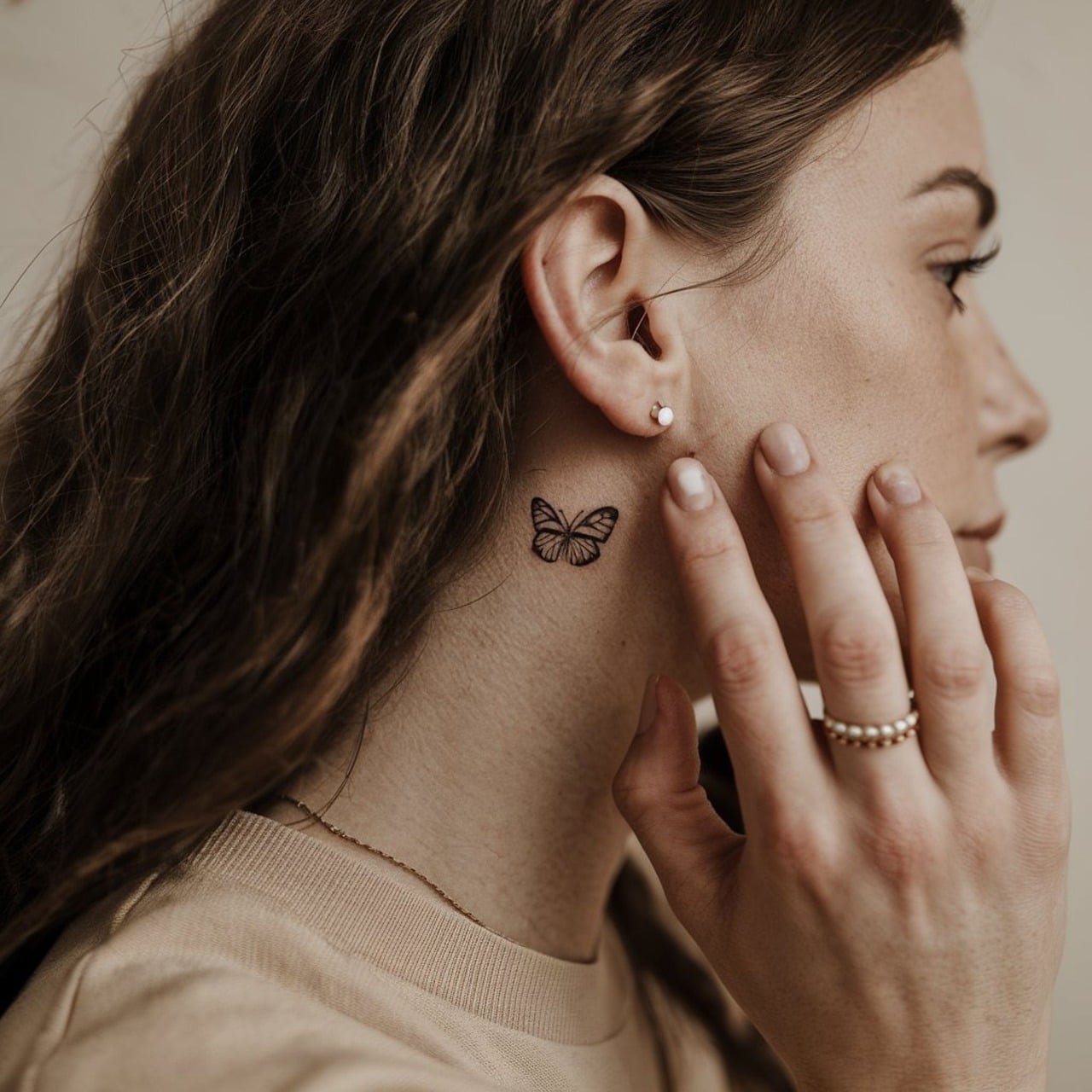
Somewhere in the world right now, two best friends are sitting in a tattoo chair arguing about whether the tiny matching stars should point up or down. It’s a scene that plays out thousands of times a year, and it explains why matching tattoos have quietly become one of the most requested categories in modern tattoo studios. They’re sentimental, they’re shareable, and they’re a permanent promise you can’t take back. That combination is exactly why they deserve more thought than a late-night decision after three cocktails. (Tattoo)
This guide covers the practical side of matching tattoos: what they are, which designs actually hold up over time, how to keep a pair or group looking consistent, what to do when a relationship changes, and the mistakes that show up again and again in real studios.
What Counts as a Matching Tattoo?
A matching tattoo is a design worn by two or more people that shares a common element. That element might be identical artwork, a mirrored image, a shared color palette, or a theme that only makes sense when the tattoos are seen together.
The category is broader than most people assume. It includes:
- Identical designs placed on the same body part, such as a small symbol on the inner wrist
- Mirrored or split designs, where each person wears half of a whole image
- Complementary designs, like a sun and a moon, a key and a lock, or two halves of a broken heart
- Coordinated but different designs, where the style and size match but the artwork is unique to each person
- Group tattoos, common among siblings, close friend circles, sports teams, and military units
The common thread is intent. A matching tattoo is a piece of shared identity, and the design is only half the point. The other half is the agreement between the people wearing it.
Why People Get Them, and Why That Matters for Design
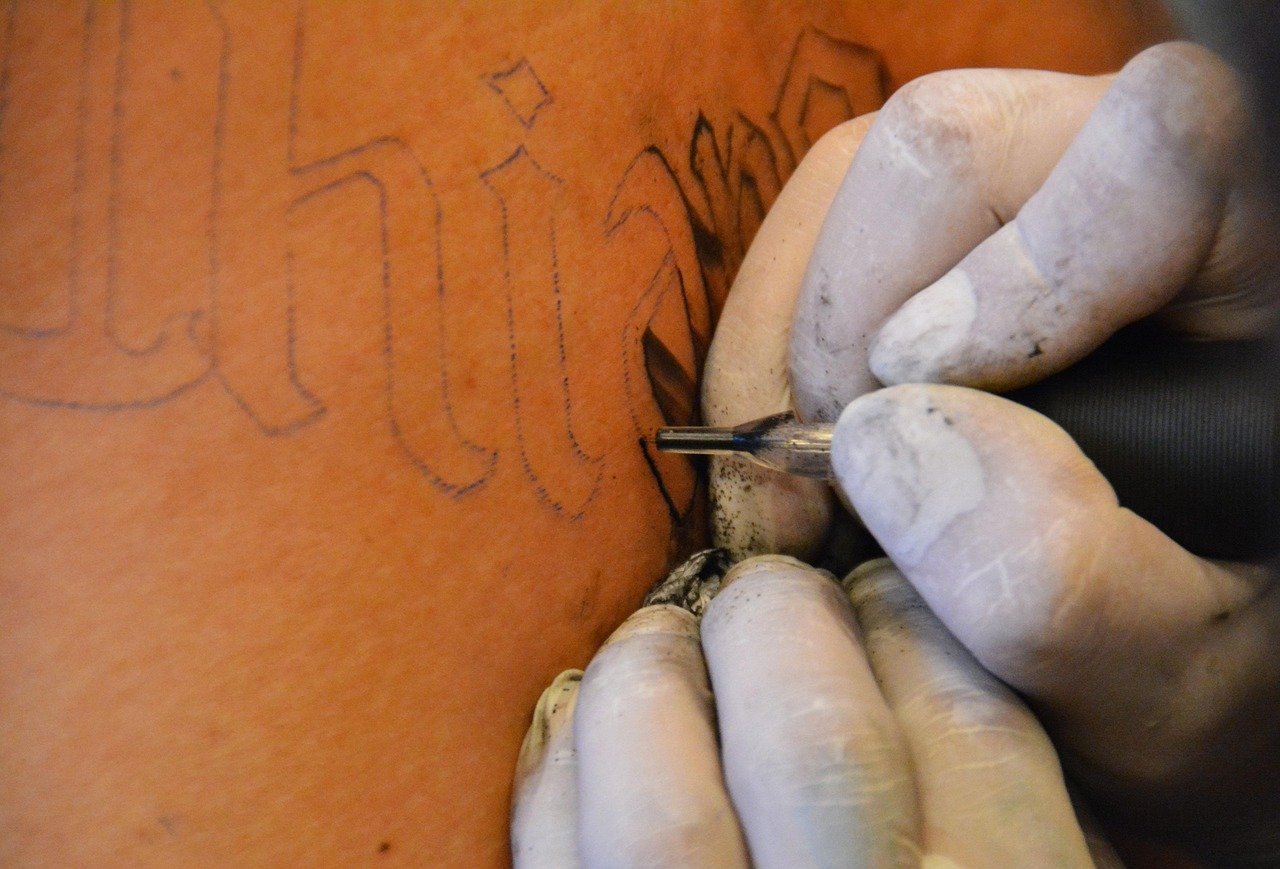
Motivations cluster into a few predictable groups: marking a friendship, celebrating a milestone like a graduation or a wedding, honoring a family member, or commemorating a shared experience. Each motivation points toward a different design strategy.
A friendship tattoo between two people in their early twenties has a different risk profile than a mother-daughter tattoo or a memorial piece for a grandparent. The first is often tied to a life stage. The second is tied to something permanent.
That distinction should shape the design. If the relationship is likely to evolve, a design that works as a standalone piece is safer than one that only makes sense as half of a pair. A small symbol with personal meaning can be worn alone for decades. A literal puzzle piece that only fits with someone else’s tattoo cannot.
Practical rule: design each tattoo so it stands on its own, then let the connection be a bonus rather than a requirement.
Which Designs Hold Up Over Time
Some design choices age far better than others. Placement, line weight, and color all affect how a matching set looks after five or ten years.
Small symbols and simple line work
Minimal designs are the most popular choice for matching tattoos, and for good reason. A small symbol with clean lines is quick to tattoo, easy to place consistently on different body types, and less likely to blur into an unrecognizable shape over time. Thin, delicate line work is beautiful on day one but tends to soften and spread faster than bolder outlines, so a slightly heavier line weight usually serves a long-term matching set better.
Script and dates
Handwriting, coordinates, and dates are common, but they carry a specific technical risk: lettering is unforgiving. A slightly crooked letter or an uneven number is far more noticeable than a slightly crooked flower. When two people get matching script, the lettering should be sized and spaced identically by the same artist, ideally in the same session.
Color and fading
Color tattoos can match beautifully, but colors age at different rates depending on pigment and skin tone. Reds and yellows tend to fade faster than blacks and blues. If two people have very different skin tones, an artist should adjust the palette so the finished pieces read as a matched set rather than two unrelated tattoos. (Tattoos and piercings: What to know)
Placement matters more than people expect
Matching placement looks striking in photos and is often the first thing people regret. A design that sits perfectly on a forearm may sit awkwardly on a calf or a shoulder blade. Body shape, sun exposure, and clothing choices all affect how a tattoo ages. Placement on high-friction areas like hands, fingers, and feet fades fastest, which is worth knowing before committing a matching set to those spots.
| Design type | Ages well? | Best for | Main risk |
|---|---|---|---|
| Small line symbol | Yes | Friends, siblings | Thin lines blur |
| Mirrored pair | Usually | Couples | Looks odd alone |
| Script or dates | Moderate | Milestones, memorials | Lettering errors |
| Color piece | Depends on pigment | Groups with similar skin tones | Uneven fading |
| Finger or hand tattoo | No | Short-term enthusiasm | Rapid fading |
How to Keep a Matching Set Consistent
Consistency is the hardest part of a matching tattoo, and it’s almost entirely about logistics. The most reliable approach is to book the same artist for everyone in the group, ideally on the same day or within a short window. Artists keep stencils, reference photos, and notes, which makes it far easier to reproduce a design precisely months later.
If a group can’t book together, the next best option is to have the first person’s tattoo photographed clearly in good light and share those images with the artist handling the second appointment. Verbal descriptions of a design are a recipe for disappointment.
A few practical habits that genuinely help:
- Agree on the exact design before anyone books. Screenshots, measurements, and placement photos should be shared and confirmed by everyone.
- Book the same artist when possible. Even a different artist at the same studio is safer than an unrelated shop across town.
- Schedule sessions close together. Skin changes, and so do artists’ available reference materials.
- Confirm placement with a stencil photo. Have each person send a photo of the stencil in place before the needle starts.
- Plan aftercare as a group. Healing advice is identical, but people compare results, and mismatched healing creates mismatched tattoos.
The Mistakes That Actually Happen
Certain mistakes come up so often they’re almost predictable. The most common is getting a matching tattoo impulsively, often on a trip or a night out, without agreeing on the design details in advance. The second is choosing a design that only works as a pair, which limits what each person can do with it later.
A third mistake is ignoring skin tone and body type differences. Identical stencils applied to very different bodies don’t always produce identical-looking tattoos, and a good artist will adjust size and placement rather than forcing a literal copy.
The fourth, and the one people talk about most afterward, is failing to discuss what happens if the relationship changes. That conversation is uncomfortable, but it’s far less uncomfortable than the alternative. Deciding in advance that each person keeps their tattoo, no removal required, removes a lot of future friction.
The tattoos that age best are the ones that were planned as personal pieces first and matching pieces second.
When the Relationship Changes
Matching tattoos outlive friendships, breakups, and falling-outs. That’s not a reason to avoid them, but it is a reason to think about the design’s flexibility before the appointment.
There are a few practical paths when a matching tattoo no longer feels right:
- Keep it and reframe it. Many people come to see the tattoo as a marker of a specific time in their life rather than a statement about the present.
- Add to it. A skilled artist can incorporate the original design into a larger piece, changing its meaning without erasing it.
- Cover it up. Cover-ups work best on small, light, or faded designs. Large dark pieces are much harder to disguise.
- Remove it. Laser removal is effective but requires multiple sessions, costs more than the original tattoo, and works best on certain colors and skin types.
The people who handle this best are usually the ones who chose a design that could stand alone. That single decision, made before the first needle, solves most of the problem.
Cost, Timing, and What to Expect in the Chair
Matching tattoos are priced like any other tattoo: by size, detail, and artist rate, not by the number of people. Many studios offer a small discount for multiple people booked in one session, but it varies widely and shouldn’t be assumed.
Small matching designs typically take 15 to 45 minutes each. Larger coordinated pieces can take a few hours per person. Healing follows the standard timeline: surface healing in two to three weeks, deeper healing over several months. During that window, sun exposure, swimming, and picking at scabs are the main threats to a clean result.
One practical tip that saves a lot of grief: photograph the finished tattoos together on the day they’re done. Fresh tattoos look their best in the first week, and those photos become the reference point for touch-ups years later.
Conclusion
Matching tattoos work best when they’re treated as two decisions rather than one: the shared decision about the design, and the individual decision about what each person wants on their body for the rest of their life. Get both right and you end up with a piece that means something on its own and something more when seen alongside someone else’s. Get them wrong and you end up with a story you’ll be explaining at every pool party.
The formula that holds up is unglamorous but reliable: choose a simple, well-drawn design, book the same artist, confirm placement with photos, and make sure each tattoo can survive on its own. Do that, and the matching part becomes a bonus instead of a burden.
Frequently Asked Questions
What is a matching tattoo?
A matching tattoo is a design shared by two or more people through identical artwork, mirrored images, or complementary themes. The shared element can be as literal as the same small symbol or as loose as a coordinated style and color palette.
Do matching tattoos have to be identical?
No. Identical designs are only one option. Mirrored pairs, split designs, and coordinated pieces in the same style are all common. Many artists recommend designs that share a visual language rather than copying the exact same image, since body shape and placement differences affect how identical stencils actually look.
How much do matching tattoos cost?
Pricing works the same way as any tattoo: by size, detail, and the artist’s hourly or flat rate. Each person pays for their own piece. Some studios offer small discounts when multiple people book a single session, but this varies by shop and shouldn’t be expected.
Can matching tattoos be removed or covered up later?
Yes, but results vary. Small, light, or faded designs are the easiest to cover or remove. Laser removal typically requires several sessions and costs more than the original tattoo. Cover-ups work best when the original design is small enough to be absorbed into a larger piece.
Should matching tattoos be done by the same artist?
It’s strongly recommended. The same artist can reuse stencils, reference photos, and notes, which keeps the set consistent. If that isn’t possible, share clear, well-lit photos of the first tattoo with the second artist and confirm the design and placement before the appointment.
What is the most common mistake with matching tattoos?
Getting one impulsively without agreeing on design details in advance. The second most common is choosing a design that only works as a pair, which leaves each person with a tattoo that looks incomplete on its own if the relationship changes.