
Matching Couple Tattoos: What Works & What People Regret
 Abdul WadoodLast updated

Roughly a third of adults in the United States now have at least one tattoo, and a growing share of them got it with a partner. Matching couple tattoos have moved from the fringes of tattoo culture into the mainstream, showing up on wedding anniversaries, first-date stories, and plenty of breakup confessions online. The appeal is easy to understand: a shared mark that says “we’re in this together.” The risk is equally easy to understand, and it’s the part most couples skip over in the excitement of choosing a design.
This guide looks at matching couple tattoos with clear eyes. It covers what tends to work, what tends to age badly, how to choose designs that survive real life, and the practical questions people ask before booking an appointment. No hype, no guarantees, just the stuff that actually matters when two people decide to put the same thing on their skin.
Why Matching Couple Tattoos Became So Popular
Paired and matching tattoos are not a new idea. Shared markings have appeared across cultures for centuries, often as signs of kinship, clan membership, or commitment rather than romance. What changed recently is scale and visibility. Social media turned a private gesture into a public one, and once people see beautiful, well-executed matching tattoos on their feed, the idea becomes far more tempting. (Tattoos and piercings: What to know)
The modern version usually falls into a few categories. Some couples get identical designs in the same spot. Others choose complementary designs that only make sense together, like two halves of a whole image. A third group goes for thematic matches: different images that share a style, color palette, or meaning. Each approach carries a different risk profile, and that distinction matters more than most people realize.
There’s also a generational angle. Tattoo acceptance has risen sharply among younger adults, which means a couple in their twenties today is far less likely to face family disapproval than a couple was twenty years ago. That social shift lowers the stakes of getting one, but it doesn’t lower the stakes of getting a bad one.
The Honest Case Against Getting Matching Tattoos
It’s worth saying plainly: not everyone should get a matching tattoo, and the people who regret them usually regret the decision process, not the ink itself. A few patterns show up again and again.
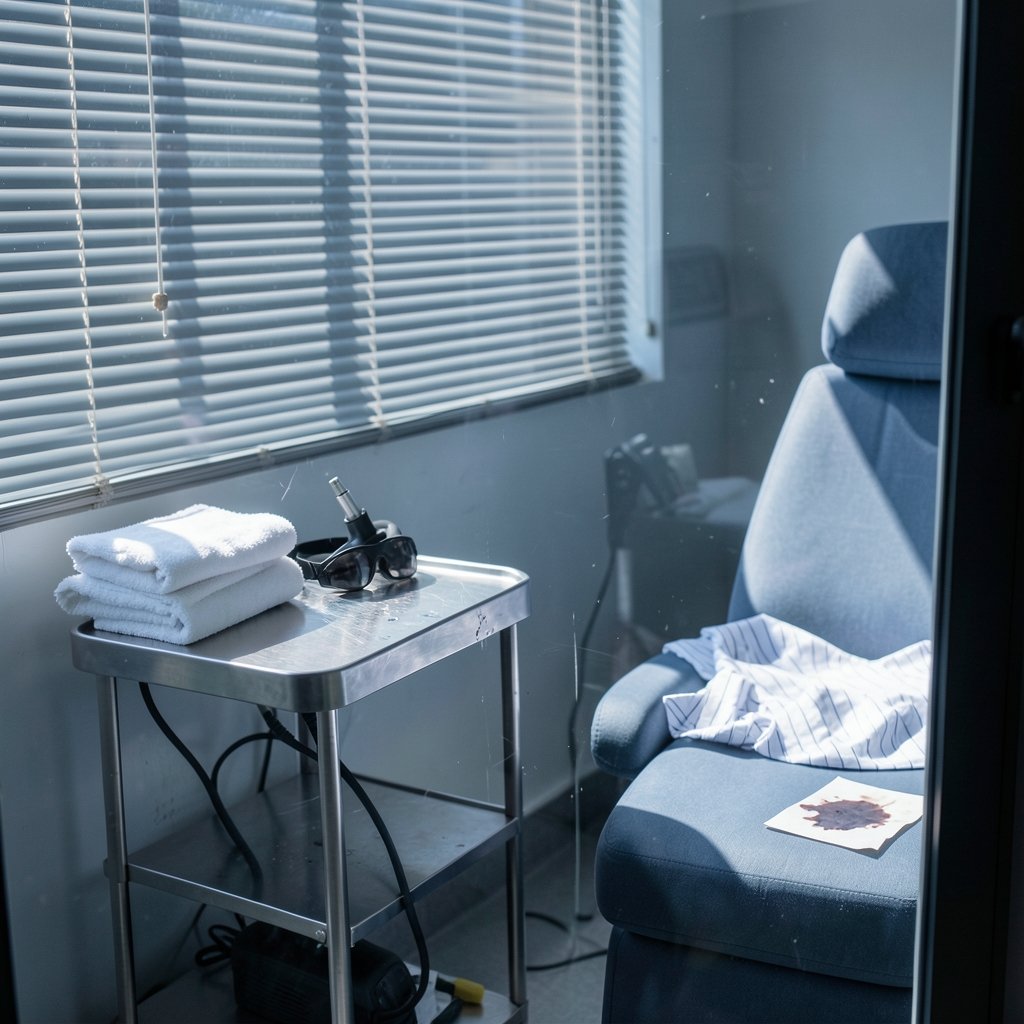
First, timing pressure. Couples who get matching tattoos within weeks of meeting, or in the emotional high of a milestone, tend to be the ones who later want removal. Dermatology sources consistently note that laser removal is expensive, requires multiple sessions, and often doesn’t fully erase the design. Getting a tattoo is quick and cheap by comparison. That asymmetry is the single strongest argument for slowing down.
Second, designs that only work as a pair. If one partner’s tattoo is meaningless on its own, a breakup can leave a permanent reminder that’s hard to reframe. Designs that stand alone as good tattoos age much better.
Third, matching for the wrong audience. Some couples get matching tattoos partly to signal commitment to other people. That motivation tends to fade, and when it does, the tattoo stays.
None of this means matching tattoos are a bad idea. It means the decision deserves more thought than a spontaneous Saturday afternoon.
What Actually Works in Practice
Practical experience from the tattoo world points to a handful of habits that separate matching tattoos people love from ones they regret.
Choose a design that works individually
The strongest matching tattoos read as good tattoos first and as a couple’s tattoo second. A small symbol, a shared motif, or a line from something meaningful can be placed so it looks complete on its own. Avoid designs that are literally cut in half unless both people are genuinely comfortable with the idea that the halves will one day live separate lives.
Match the meaning, not necessarily the image
Two people who love the same idea don’t have to get the same picture. One partner might get a small mountain, the other a river from the same landscape. The connection is real, but neither tattoo depends on the other to make sense. This is the approach most often recommended by experienced artists, because it survives change.
Pick a spot that ages well
Placement matters more than people think. Skin on the ribs, fingers, and feet stretches, fades, and blurs faster than skin on the forearm, shoulder, or back. A delicate fine-line design on a finger can look like a smudge within a few years. If the design is small and detailed, put it somewhere the skin is relatively stable.
Agree on a cooling-off period
A simple rule that works: decide on the design, then wait a set period, often three to six months, before booking. If both people still love the idea after that window, the odds of regret drop sharply. If one person’s enthusiasm fades, that’s useful information, not a crisis.
Talk about the awkward scenario before the appointment
Couples who discuss “what if we break up” before getting inked tend to choose better designs. The conversation isn’t pessimistic; it’s practical. It forces both people to think about whether the tattoo would still feel okay on its own.
Common Mistakes People Make
A short list of the errors that show up most often:
- Booking the same day as the idea. Spontaneity feels romantic and produces the most regretted tattoos.
- Letting one partner design both tattoos. The second person often ends up with something they only half like.
- Choosing a trend. Matching tattoos tied to a specific aesthetic or pop-culture moment date quickly. The design should mean something to the couple, not to the internet.
- Skipping the artist consultation. A good artist will tell you when a design won’t work at the size or placement you want. Listen.
- Ignoring aftercare. Two people healing at once means two sets of instructions. Infections and patchy healing are common when aftercare gets sloppy.
- Getting matching tattoos as a fix. Ink doesn’t repair a shaky relationship. It just makes the ending more complicated.
Design Ideas That Tend to Age Well
The best ideas are usually simple, personal, and not overly literal. A few categories that hold up:
| Approach | Example | Why It Works |
|---|---|---|
| Shared symbol | A small constellation, a simple line drawing | Reads as a standalone tattoo |
| Complementary theme | Sun and moon in the same style | Connected but independent |
| Matching coordinates | A meaningful place, in small type | Personal, subtle, easy to cover |
| Shared phrase | A short line in matching script | Works alone, meaning is private |
| Abstract match | Same geometric element, different sizes | Style-driven, not couple-driven |
What these have in common is restraint. They don’t shout “couple.” They whisper it. That’s usually the difference between a tattoo someone still loves at fifty and one they’re pricing removal for at thirty.
Cost, Healing, and the Practical Side
Matching tattoos double the cost, and that’s before tips. Small designs typically run from modest to moderate depending on the artist and city, while larger custom work climbs quickly. Couples should budget for two appointments, two healing periods, and possibly a touch-up session each.
Healing is where things get overlooked. Two people healing at once means two people dealing with itching, flaking, and the temptation to scratch. Follow the artist’s aftercare instructions exactly, keep the area clean, and don’t skip the moisturizer. If either tattoo shows signs of infection, redness that spreads, unusual pain, or pus, see a medical professional rather than waiting it out.
It’s also worth checking local rules. Tattoo regulation varies widely by state and country, and age minimums are strict in most places. A couple where one partner is under the local legal age won’t be able to get matching tattoos together, no matter the consent situation.
Matching Tattoos and the Long Game
The couples who are happiest with matching tattoos tend to share a few traits. They waited. They chose designs that stand alone. They treated the tattoo as a personal marker rather than a public announcement. And they accepted, going in, that the tattoo might outlast the relationship, and decided it would still be a good tattoo either way. (Tattoo)
That last point is the one most people resist. It’s also the one that makes the decision easier. A matching tattoo isn’t a promise or a contract. It’s a mark of a moment. If the moment was real, the mark has value even if the relationship changes shape later. If the moment was mostly adrenaline, the mark becomes a lesson.
For couples who want a shared creative project without the permanence, there are alternatives worth considering: matching jewelry, a shared piece of art, or a small tattoo each person chooses independently in the same session. These capture the ritual without the risk. For those who are sure, though, a well-chosen matching tattoo can be one of the more meaningful things two people do together.
More guidance on tattoo culture, design, and personal branding lives at voozon.media.
Conclusion
Matching couple tattoos are neither a romantic necessity nor a guaranteed mistake. They’re a decision that rewards patience, honest conversation, and a bit of design discipline. The couples who get it right usually wait a few months, pick designs that look good on their own, choose placements that age well, and go in knowing the tattoo might one day stand alone. The ones who get it wrong tend to rush, follow a trend, or use ink to patch something that needed a conversation instead. If both people can look at the design six months later and still want it, that’s about as good a green light as anyone gets.
Frequently Asked Questions
How much do matching couple tattoos usually cost?
Cost depends on size, detail, artist, and city, but couples should expect to pay for two separate tattoos plus tips. Small, simple designs are the most affordable, while custom work and larger pieces cost significantly more. Budget for a touch-up session each as well, since small designs sometimes need minor fixes after healing.
Do matching tattoos hurt more than regular tattoos?
No. Pain depends on placement and individual tolerance, not on whether the tattoo matches someone else’s. Spots with thin skin over bone, like ribs, ankles, and fingers, hurt more than fleshy areas like the forearm or upper arm. Two people getting the same design in different spots will have very different experiences.
What should a couple do if they disagree on the design?
Don’t book until both people genuinely like the design. A compromise where one partner settles usually leads to regret. A good middle path is matching on theme or style rather than an identical image, which lets each person choose something they actually want while keeping the connection intact.
Can matching tattoos be removed if a relationship ends?
Yes, but removal is expensive, slow, and imperfect. Laser removal typically requires multiple sessions spread over months, and complete erasure isn’t guaranteed, especially with certain colors and older ink. Cover-up tattoos are another option. This is exactly why designs that work individually are the safer choice.
Are matching tattoos a bad idea for new couples?
Not automatically, but the risk is higher. Couples who have been together a short time are more likely to choose a design based on intensity rather than long-term compatibility. A cooling-off period of several months is the simplest way to test whether the idea holds up once the initial excitement settles.
Is it better to get identical tattoos or complementary ones?
Complementary designs tend to age better because each tattoo stands on its own. Identical designs are more visually striking as a pair but create a stronger dependency between the two. Neither is wrong, but couples who want long-term satisfaction usually lean toward complementary.