
Marrakech Luxury Travel Guide 2026: Stay, Eat & Unwind
 Abdul WadoodLast updated
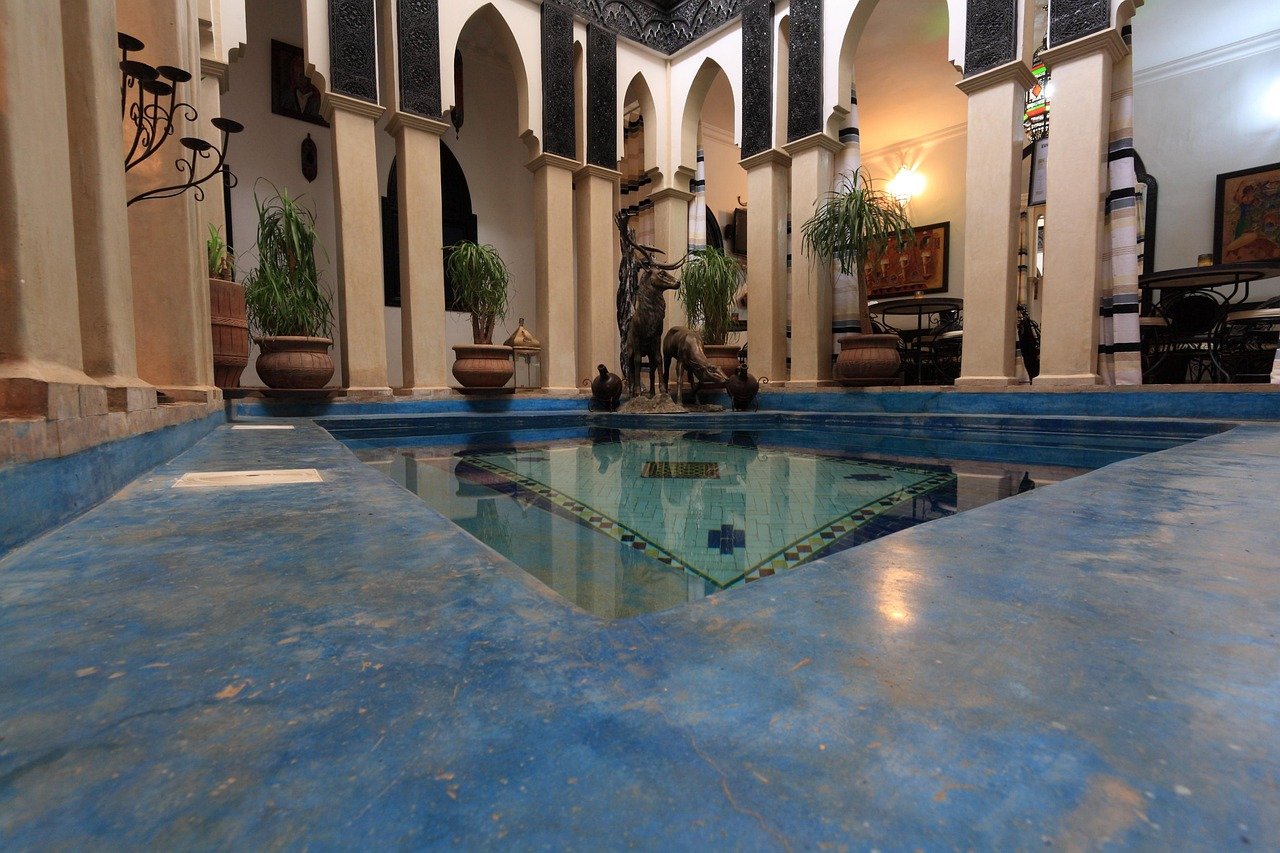
Marrakech packs an entire sensory world into a walled city of roughly 600 hectares. The Medina alone holds nearly a thousand years of craft, trade and architecture, and it has been a UNESCO World Heritage Site since 1985. That density is exactly why the city suits luxury travelers so well: everything worth seeing sits close together, and the best hotels turn that chaos into comfort within minutes of the noise.
This guide covers where to sleep, what to eat, how to shop and how to move around, with practical detail on the mistakes that catch first-timers out.
Why Marrakech Works So Well for Luxury Travel
Most luxury destinations make you choose between culture and comfort. Marrakech rarely forces that trade-off. A guest can watch craftsmen hammer brass in a medieval souk before lunch and be floating in a heated pool by two o’clock.
The city splits into three distinct zones, and understanding them is the single most useful planning decision a traveler makes.
| Zone | Character | Best For |
|---|---|---|
| Medina | Historic walled city, riads, souks, Jemaa el-Fnaa | Atmosphere, walking access, romance |
| Hivernage & Gueliz | Modern district, larger hotels, galleries, restaurants | Space, nightlife, business travel |
| Palmeraie & outskirts | Gardens, golf, resort estates | Quiet, families, long stays |
Pick the wrong zone and the trip feels off. Pick the right one and the city clicks.
Where to Stay: Riads, Palaces and Resort Estates
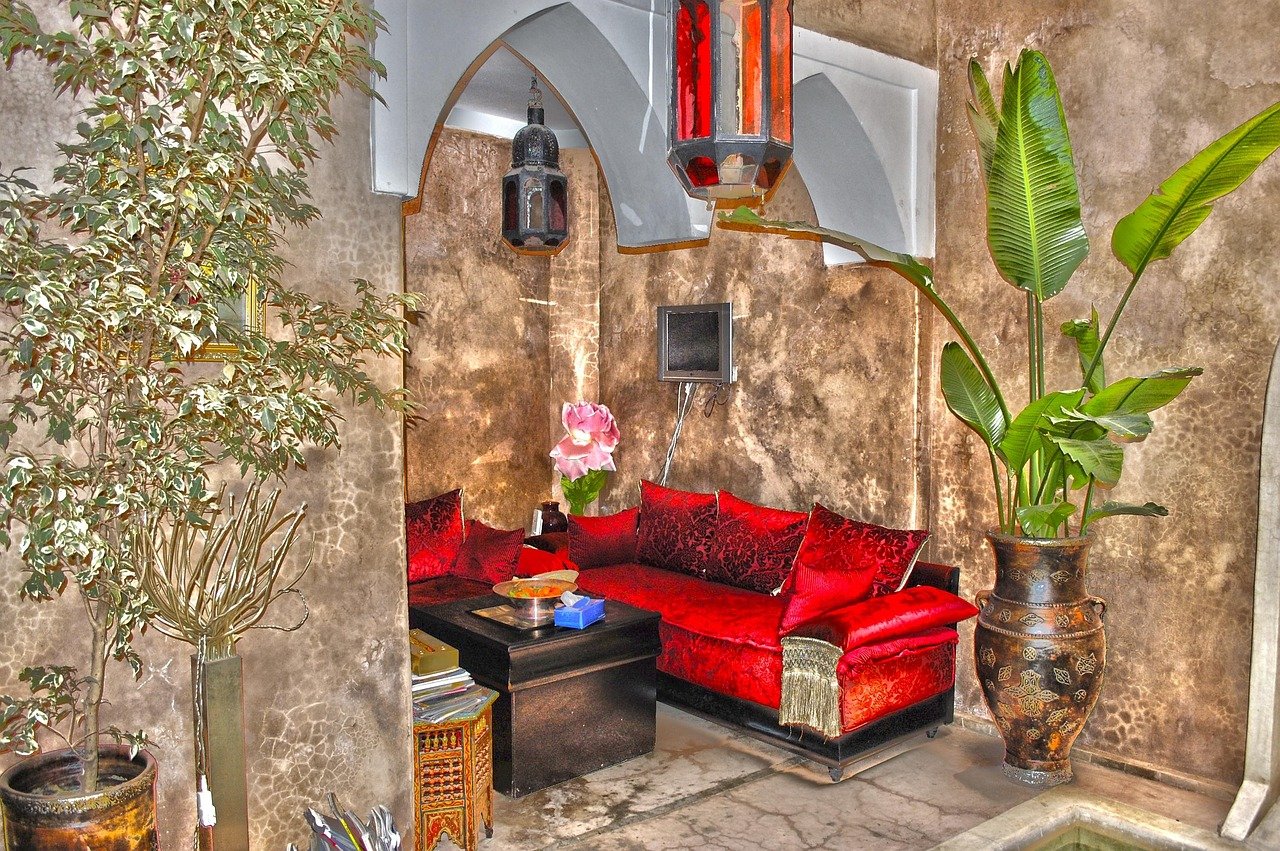
The Historic Palaces
La Mamounia, opened in 1923, remains the city’s most famous address, long associated with Winston Churchill and set inside its own gardens. It delivers the full grand-hotel experience: long corridors, formal dining, a vast spa and a pool that photographs beautifully at golden hour.
Royal Mansour takes a different route. Built under the patronage of King Mohammed VI and opened around 2010, it replaces corridors with a medina of private riads, each with its own courtyard and rooftop. Guests effectively get a house rather than a room. It is the most conspicuous statement stay in the city, and pricing reflects that.
Amanjena, opened in 2000 and set south of the city, leans toward low, quiet architecture and space. It suits travelers who want Marrakech as a day trip rather than a constant presence.
Riads: The Real Marrakech Experience
A riad is a traditional townhouse built around an inner courtyard, with windows facing inward for privacy. Staying in one is the difference between visiting Marrakech and living in it.
Practical guidance that actually matters:
- Confirm the transfer point. Many riads sit deep in pedestrian-only lanes. Ask exactly where the car drops you and whether someone meets you. Arriving at night with luggage in an unfamiliar alley is the most common first-day mistake.
- Check for a lift and ground-floor rooms if stairs are an issue. Historic buildings often have steep, narrow staircases.
- Ask about heating and air conditioning by season. Traditional construction stays cool in summer but can feel cold in winter, and not every riad has been upgraded.
- Read reviews for noise. Courtyards amplify sound, and a riad near a mosque means an early call to prayer. Many guests love it; light sleepers should know in advance.
What Luxury Actually Costs
Rates vary widely by season. Spring and autumn are peak, summer is hot and quieter, and winter is mild but can be cool at night. Booking direct often gives better terms than platforms, but compare both.
For a broader look at how high-end hospitality is evolving, this piece on the future of luxury living covers the shift toward privacy, wellness and residential-style stays, trends that describe Marrakech’s best properties almost exactly.
Eating Well: From Street Stalls to Tasting Menus
Marrakech’s food scene has matured enormously. It is no longer just tagine and couscous, though both remain worth eating when done properly. (Marrakesh)
What to Try, and Where
- Jemaa el-Fnaa at dusk. The square fills with food stalls each evening. It is theatrical and crowded, and it is part of the city’s intangible cultural heritage. Go early, choose a stall with locals eating, and agree prices before ordering.
- Modern Moroccan tasting menus. Several chef-led kitchens now reinterpret Moroccan pantry staples with fine-dining technique. Book ahead, especially on weekends.
- Rooftop lunches in the Medina. The food is often simple; the view over the rooftops is the point.
- Pastilla, harira and msemen. Order these at a proper local restaurant rather than a hotel buffet.
Common Dining Mistakes
Travelers routinely overpay for mediocre food inside the busiest souk lanes, where menus are printed in six languages and touts do the selling. Walk two streets further and quality usually improves while prices fall. Also, alcohol is not served everywhere. Many riads and restaurants are dry, so if a glass of wine matters, confirm before booking.
Reservations are essential at the top tables in high season. Turning up at eight o’clock in March and expecting a table is optimistic.
Shopping the Souks Without Getting Fleeced
The souks are the reason many people come. They are also where budgets evaporate.
What is genuinely worth buying: hand-knotted rugs, leather babouches, lanterns, brassware, argan oil, ceramics from Safi and Fez, and textiles. Quality varies enormously, so buy less and buy better.
How bargaining works in practice:
- Expect an opening price well above the real value. Treat it as an invitation, not an insult.
- Counter low but politely, and be willing to walk away. Walking away is the strongest move available.
- Never negotiate hard on something you do not intend to buy.
- Pay in cash where possible, and count change carefully.
- For rugs and expensive pieces, ask about shipping, certificates and return policies in writing.
The single biggest mistake is buying on day one. Spend the first afternoon comparing, then return to the shop that felt honest. Prices stabilize once a seller recognizes you as serious.
Getting Around, and What to Skip
Marrakech is walkable in the Medina and car-dependent everywhere else.
- Petit taxis are cheap and plentiful. Agree the fare or insist on the meter before departure.
- Walking is best inside the walls, but hire a guide for the first half-day. The lanes genuinely disorient, and a good guide saves hours.
- Skip the camel rides staged for tourists near the main roads if animal welfare matters to you; ask hotels for reputable operators instead.
- Dress considerately in residential areas. Light, covered clothing is both respectful and practical in the heat.
Gardens, Crafts and Culture Worth Your Time
The Majorelle Garden, created by Jacques Majorelle in the 1920s and 1930s and later restored by Yves Saint Laurent and Pierre Bergé, is beautiful and extremely popular. Arrive at opening or book a late slot to avoid the crush. The Menara Gardens, dating to the Almohad period in the twelfth century, offer a calmer alternative with an olive grove and a reflecting pool.
For crafts, the Ensemble Artisanal gives fixed prices and a sense of quality benchmarks before you enter the souks. The Bahia Palace and the Saadian Tombs reward early starts.
Travelers building a wider itinerary often pair Marrakech with coastal or desert stays; this collection of luxury resorts for your next getaway is a useful starting point for comparing options. For design-minded visitors, Voozon’s coverage of watches, brands and design tracks the aesthetics that shape the city’s most stylish hotels.
When to Go, and How Long to Stay
| Season | Weather | Crowds | Verdict |
|---|---|---|---|
| March–May | Warm, pleasant | High | Best overall |
| June–August | Very hot | Moderate | Good value, pool-focused |
| September–November | Warm, clear | High | Excellent |
| December–February | Mild days, cool nights | Moderate | Quiet and comfortable |
Four nights is the sweet spot for a first visit: two days in the Medina, one for gardens and culture, one for a day trip or spa. A week allows a desert or Atlas excursion without rushing. (Visit Morocco)
Practical Details That Save Trouble
- Visas. Many nationalities, including UK, EU and US citizens, can enter visa-free for stays of up to 90 days. Rules change, so confirm with official Moroccan consular sources before booking.
- Currency. The Moroccan dirham is regulated, and rules on importing and exporting it are strict. Check current guidance with Bank Al-Maghrib and rely on cards and ATMs.
- Cash. Carry small notes for taxis, tips and souk purchases. Change is often scarce.
- Tipping. Ten percent in restaurants is standard where service is not included; small amounts for porters and guides go a long way.
- Health. Drink bottled water, use sun protection year-round, and note that pharmacies are well stocked but busy.
Conclusion
Marrakech rewards preparation more than most luxury destinations. The city is compact, dramatic and genuinely different from anywhere else, but it punishes vague plans. Choose the right zone, book the marquee tables early, learn how the souks work before you shop, and build slack into each day. Do that, and the city delivers something rare: real texture alongside real comfort. Whether you sleep in a palace suite or a courtyard riad, the Medina is waiting just outside the door.
Frequently Asked Questions
Is Marrakech safe for luxury travelers?
Yes, generally. Violent crime against visitors is uncommon, and the main risks are petty: overpaying, pickpocketing in crowds and aggressive selling. Use hotel-arranged transport at night, keep bags zipped in the souks, and ignore unsolicited “guides” who attach themselves to you.
How many days do you need in Marrakech?
Four nights covers the essentials comfortably. That allows time for the Medina, the major gardens, a proper hammam and one day trip. A week suits travelers who want to add the Atlas Mountains, the desert or a coastal extension without feeling rushed.
What should I wear in Marrakech?
Light, breathable clothing that covers shoulders and knees works best. It is respectful in residential areas and practical against the sun. Bring a layer for cool evenings in winter, and comfortable shoes for uneven lanes and cobblestones.
Is it rude to bargain in the souks?
No, it is expected in most independent shops. Start low but reasonable, stay friendly, and be prepared to walk away. Fixed-price shops and the Ensemble Artisanal exist for travelers who would rather not negotiate at all.
Can you drink alcohol in Marrakech?
Yes, but not everywhere. Licensed hotels, bars and some restaurants serve alcohol, while many riads and local eateries do not. If a drink matters to your evening, confirm when booking rather than assuming.
What is the best area to stay in Marrakech?
The Medina suits travelers who want atmosphere and walkability. Hivernage and Gueliz offer more space and modern amenities. The Palmeraie and outskirts deliver quiet, gardens and golf. First-timers often prefer a Medina riad for two nights and a resort for the remainder.
Is Marrakech suitable for a first-time visitor to Morocco? Yes, and it is arguably the gentlest introduction the country offers. The city has an international airport, a dense concentration of hotels across every budget, and enough English and French spoken in tourist-facing businesses to smooth the first few days. Travelers who start here often find the transition to Fez, Essaouira or the desert easier afterward, because the rhythms of a Moroccan medina — the calls to prayer, the bargaining, the winding lanes — become familiar rather than overwhelming.
What should I book before arriving? Reserve your riad or hotel, any tasting-menu dinners, a hammam appointment and a guide for your first morning. Everything else can wait until you are settled. The single most useful booking is the airport transfer; it removes the one genuinely stressful moment of arrival and lets you meet the city on your own terms.