
Nice Cars: How to Buy Well Without Overpaying in 2026
 Abdul WadoodLast updated
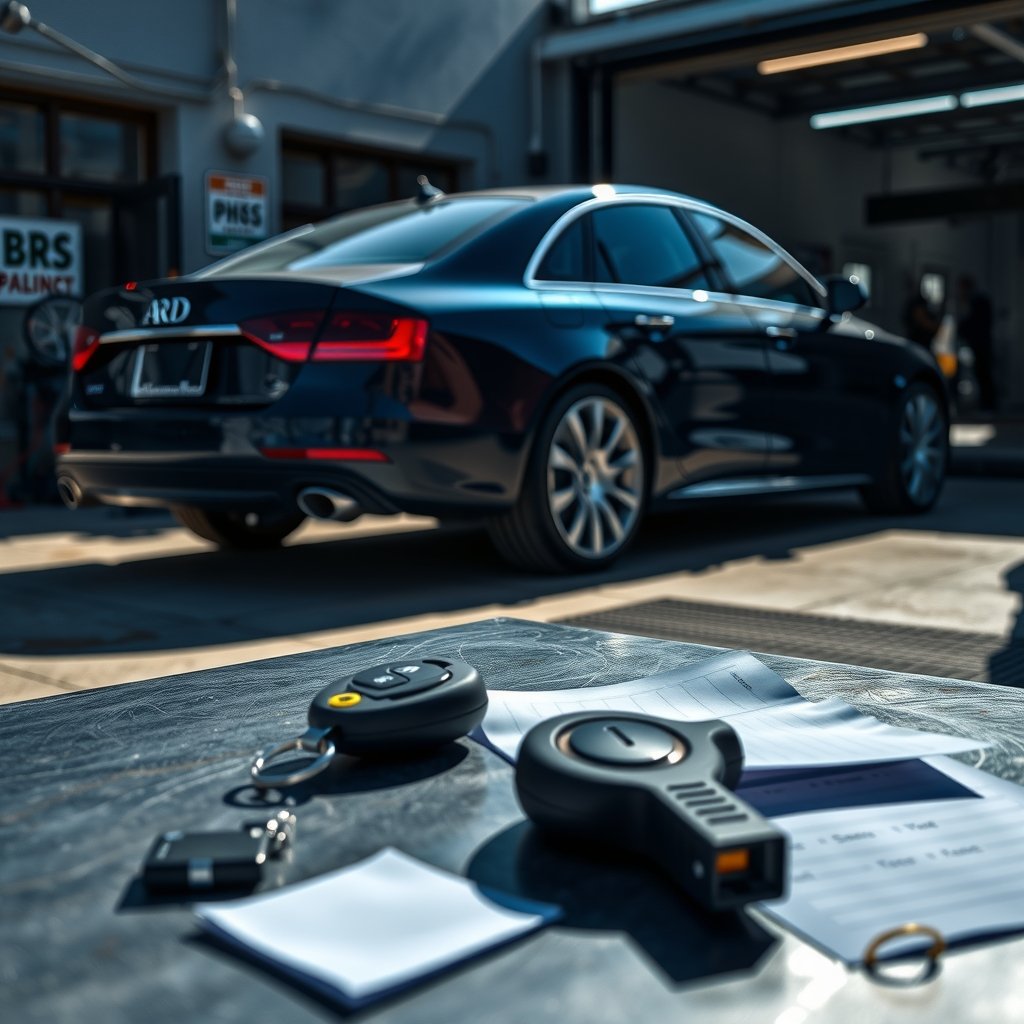
Here’s a fact that surprises a lot of shoppers: the phrase “nice car” has no official definition anywhere in the auto industry. Walk into a dealership and ask for one, and you’ll get a different answer from every salesperson. Look at registration data and you’ll find segments like “premium,” “luxury,” and “D-segment and above” — but nothing called “nice.” That gap matters, because most people shopping for a nice car are actually juggling three separate questions: What does nice mean to me? What does it cost to own? And which features actually deliver on the promise?
This guide unpacks all three. It’s written for anyone who wants a car that feels genuinely good to own without overpaying for a badge, and it leans on practical judgment rather than marketing language.
Why “Nice” Is a Moving Target
The word does a lot of work in everyday conversation. For a commuter in a crowded city, a nice car might mean one that parks easily and sips fuel. For a family, it might mean third-row space and a top safety rating. For an enthusiast, it might mean steering feel and a manual gearbox.
Because the term is informal, any quantitative claim about nice cars needs a stated proxy. Common ones include a price threshold, a brand tier, or a vehicle segment. Industry analysts usually reach for segments — luxury, premium, D-segment and above — because those have measurable boundaries. Consumers rarely think that way, which is exactly why so many people end up buying more car than they need.
A useful exercise before you shop: write down the three things you’d notice every single day. Not the features you’d brag about, but the ones you’d touch, see, or rely on. Heated seats in a cold climate. A quiet cabin on a long commute. A trunk that swallows a stroller. That short list will do more to narrow your search than any ranking.
The Real Cost of Nice
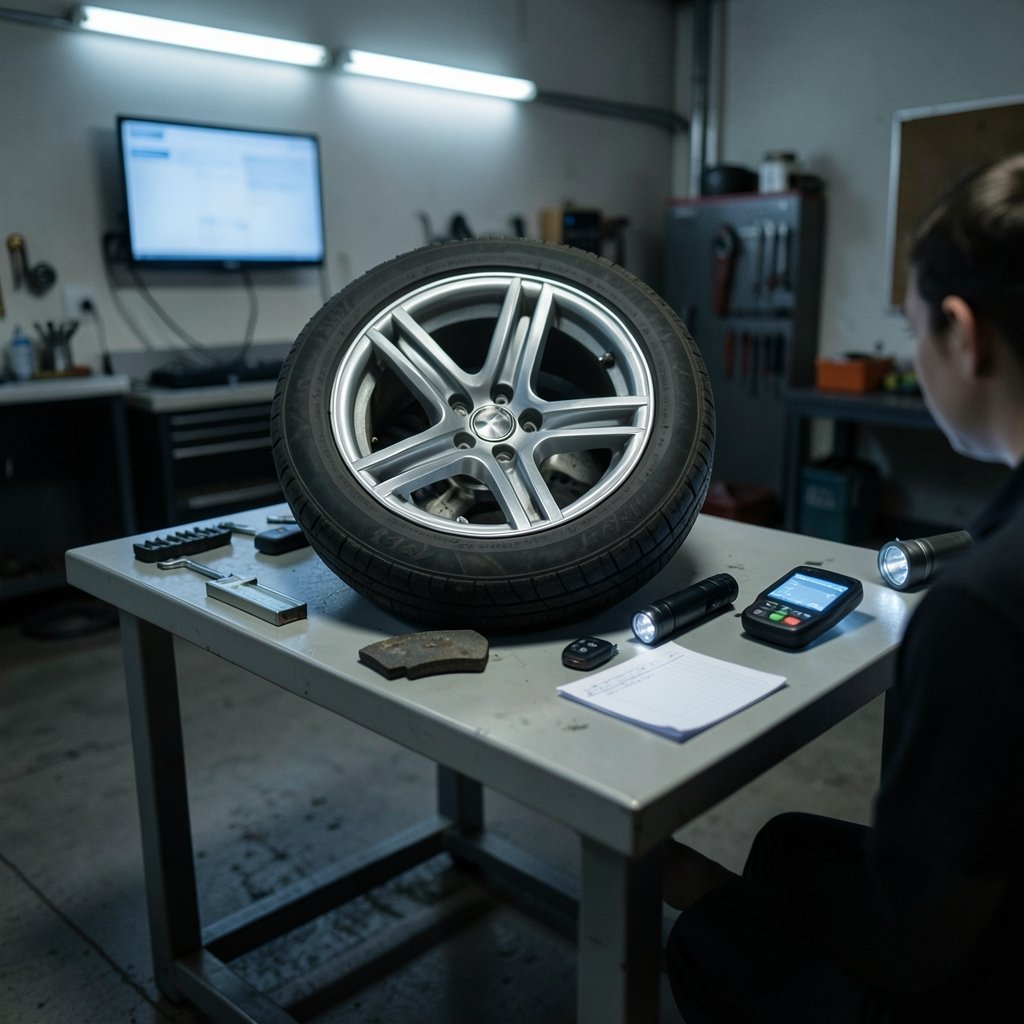
Depreciation is the single largest cost of new-car ownership, and it hits premium vehicles hardest in absolute dollars. A car that costs more upfront has more value to lose. That doesn’t make premium cars bad purchases — it makes the timing of the purchase matter enormously.
Buying a two- or three-year-old premium vehicle lets someone else absorb the steepest part of the depreciation curve while you inherit most of the equipment and build quality. The trade-off is that you also inherit whatever maintenance the previous owner deferred, which is why a pre-purchase inspection is non-negotiable on any used car that markets itself as nice.
Insurance, tires, and repairs scale with the original price of the car, not the price you paid. A used luxury sedan with large wheels and performance tires can cost much more per year to run than its purchase price suggests. Budget for those recurring costs before you fall in love with a listing.
Fuel and energy costs deserve their own line. The U.S. Department of Energy publishes fuel economy data that lets you compare real-world consumption figures side by side, and the difference between a thirsty six-cylinder and a modern four-cylinder over five years is not trivial. If you’re considering an electric vehicle, the International Energy Agency tracks global adoption trends and charging infrastructure in its annual outlook — useful context for judging whether the charging situation in your area is improving or stalling.
What Actually Makes a Car Feel Nice
Strip away the badges and the marketing, and “niceness” tends to come from a handful of tangible qualities. These are the things owners notice long after the new-car smell fades.
Cabin quiet and ride quality
Noise isolation is one of the clearest dividers between budget and premium engineering. Sound-deadening material, laminated glass, and better suspension bushings cost money, and manufacturers deploy them selectively. A test drive on a rough road at highway speed tells you more about this than any spec sheet.
Seat comfort over time
Showroom seats feel great for ten minutes. What matters is the fourth hour. Look for adjustable lumbar support, adequate thigh support, and a seat bottom long enough for your legs. This is where expensive cars often earn their price and cheap ones quietly fail.
Materials where you touch them
A nice interior isn’t about how many screens it has. It’s about whether the door armrest is padded, whether the climate knobs feel solid, and whether the surfaces you contact daily hold up after five years. Hard, hollow plastics announce themselves every time you close the door.
Visibility and ergonomics
Thick pillars and high beltlines look dramatic in photos and feel claustrophobic in traffic. Before you buy, sit in the car and check your over-shoulder view, then adjust the mirrors and see how much of the rear window you can actually use. Ergonomics rarely make a brochure, but they shape every drive.
Safety fundamentals
Crash-test ratings and standard driver-assistance features are a reasonable proxy for how seriously a manufacturer treats its customers. The National Highway Traffic Safety Administration maintains public safety ratings and recall databases that are worth ten minutes of your time before signing anything. A car that’s been recalled repeatedly for the same fault is not a nice car, however good it looks. (Car)
Nice Cars by Buyer Type
Different buyers mean different definitions. The table below maps common priorities to the vehicle characteristics that tend to satisfy them — and the traps to watch for.
| Buyer priority | What to look for | Common mistake |
|---|---|---|
| Daily commuting | Comfortable seats, good fuel economy, easy parking | Overbuying size and power for a solo commute |
| Family transport | Crash ratings, third-row access, cargo volume | Skipping a child-seat fit test in the actual car |
| Long-distance driving | Cabin quiet, adaptive cruise, lumbar support | Prioritizing screens over seat quality |
| Enthusiast driving | Steering feel, weight balance, manual option | Confusing stiff suspension with sportiness |
| Low running costs | Proven reliability record, parts availability | Ignoring insurance and tire replacement costs |
| First-time buyer | Simple controls, cheap consumables, warranty | Stretching the budget to the absolute limit |
The pattern across every row is the same: the features that make a car nice in daily use are rarely the ones featured in advertising. Screens and ambient lighting photograph well. Seat support and noise isolation don’t, but they’re what you’ll live with.
New, Used, or Lease?
Each path to a nice car has a distinct financial shape, and the right answer depends on how long you plan to keep the vehicle.
Buying new gives you the full warranty, the latest safety tech, and exact control over specification. You pay for that privilege through depreciation in the first two or three years. If you keep cars for a decade, the math improves considerably.
Buying used is usually the strongest value play, especially for premium models. The key discipline is patience: wait for a well-documented service history rather than the cheapest example on the market. A slightly higher price for a car with complete records is almost always the better deal.
Leasing suits people who want a new car every few years and drive predictable, moderate mileage. It’s a poor fit for high-mileage drivers, anyone who customizes their vehicle, or households that keep cars long-term. Read the mileage allowance and wear-and-tear terms carefully — they’re where leases get expensive.
For a deeper look at how reviewers weigh these trade-offs across models, the Voozon Cars reviews, comparisons and car guides are organized around exactly this kind of practical decision-making. There’s also a thoughtful piece on the cars built around experience that gets at why some vehicles feel special beyond their spec sheets — a useful counterweight to spreadsheet shopping. And if you want a second angle on segment comparisons, this Voozon Cars review hub covers the practical side of choosing between competing models.
Practical Tips That Actually Work
These are the habits that separate satisfied owners from regretful ones. None of them require expert knowledge, just a bit of discipline.
- Drive the car for at least 30 minutes, including a stretch of rough road and a highway on-ramp. Ten-minute test drives hide ride and noise problems.
- Test the child seat or cargo you actually carry. Bring the stroller. Bring the bike. Bring the dog.
- Check the insurance quote before you buy, not after. Premium badges and large wheels can move the number a lot.
- Ask for the full service history in writing on any used car, and walk away if it’s missing.
- Get an independent pre-purchase inspection on used vehicles, even from a dealer. It’s the cheapest insurance you’ll ever buy.
- Sit in the back seat if anyone will ride there regularly. Rear comfort is routinely ignored by buyers and routinely complained about afterward.
- Verify the warranty transfer terms on used cars — some coverage doesn’t follow the vehicle to a second owner.
One mistake deserves special mention: buying for the imagined use rather than the actual use. Plenty of people purchase a large SUV for the two camping trips a year and then commute alone in it daily, paying for the capability every single day. Matching the car to your ordinary week, not your best-case weekend, is the single highest-leverage decision in the whole process.
Another common trap is treating a long feature list as a proxy for quality. A car with twenty driver-assistance features that work poorly is worse than a car with five that work flawlessly. During the test drive, actually use the adaptive cruise and the lane-keeping system. Some are genuinely helpful; others are distracting enough that owners switch them off permanently.
Where Reliability Fits In
A nice car that’s frequently in the shop stops feeling nice very quickly. Reliability data is imperfect, but it’s far better than nothing. Look for models with a long production run and a strong record on the specific powertrain you’re considering — a brand’s overall reputation matters less than the track record of the engine and transmission in that exact car. (Automobile)
For used premium vehicles, parts availability and service costs deserve scrutiny. A model that was sold in small numbers can mean long waits and expensive components. Checking whether independent shops in your area service the brand is a practical test that costs nothing and saves a lot.
If you’re also weighing purchases outside the automotive world and want a sense of how careful review research pays off, the UNice Hair review breakdown follows a similar buyer-beware logic — the pattern of checking real-world experience before committing money is universal.
Conclusion
A nice car isn’t a category you can look up; it’s a match between a vehicle’s strengths and the life you actually live. The shoppers who end up happiest tend to be the ones who defined “nice” for themselves before stepping onto a lot — three daily priorities, a realistic total-cost budget, and a willingness to walk away from a deal that doesn’t fit. Depreciation, insurance, and maintenance will follow you for years; a badge won’t. Get the fundamentals right — comfort, safety, reliability, and honest running costs — and the car will feel nice every morning, rather than only on the day you drive it home.
Frequently Asked Questions
What counts as a nice car?
There’s no official definition. In practice, a nice car is one that reliably delivers on the qualities you value most — comfort, quiet, safety, reliability, or driving enjoyment. Industry data uses segments like premium and luxury instead, so any discussion of “nice cars” as a group needs a stated benchmark, such as price or vehicle class.
Is it better to buy a new or used nice car?
For most buyers, a well-documented used car offers better value because the steepest depreciation has already happened. Buying new makes more sense if you plan to keep the vehicle for many years, want the latest safety technology, or need exact control over specification. Either way, an independent inspection and a full service history are essential.
How much should I budget beyond the purchase price?
Plan for insurance, fuel or charging, tires, routine maintenance, and a repair fund. Costs scale with the original price of the car rather than what you paid for it, so a used premium model can carry running costs well above its sticker price. Getting an insurance quote before you commit is a simple way to avoid surprises.
Do expensive cars hold their value better?
Not reliably. Depreciation varies far more by model and market conditions than by price tier, and expensive vehicles have more absolute value to lose. Some premium models hold up well; others drop sharply. Researching resale values for the specific model you’re considering is far more useful than assuming a brand-level pattern.
What features matter most in daily driving?
Seat comfort, cabin quiet, visibility, and easy-to-use controls tend to matter more than long feature lists. These are the things you interact with on every trip. Test them properly during a test drive on varied roads, and try the driver-assistance systems rather than assuming they work well.
How long should a test drive be?
At least 30 minutes, covering rough surfaces, highway speeds, and a parking maneuver. Short drives hide ride harshness, wind noise, and awkward visibility. If a seller won’t allow a proper test drive, that’s a reason to look elsewhere.