
MGK Tattoos: Meaning, Stories & 2026 Guide
 Abdul WadoodLast updated
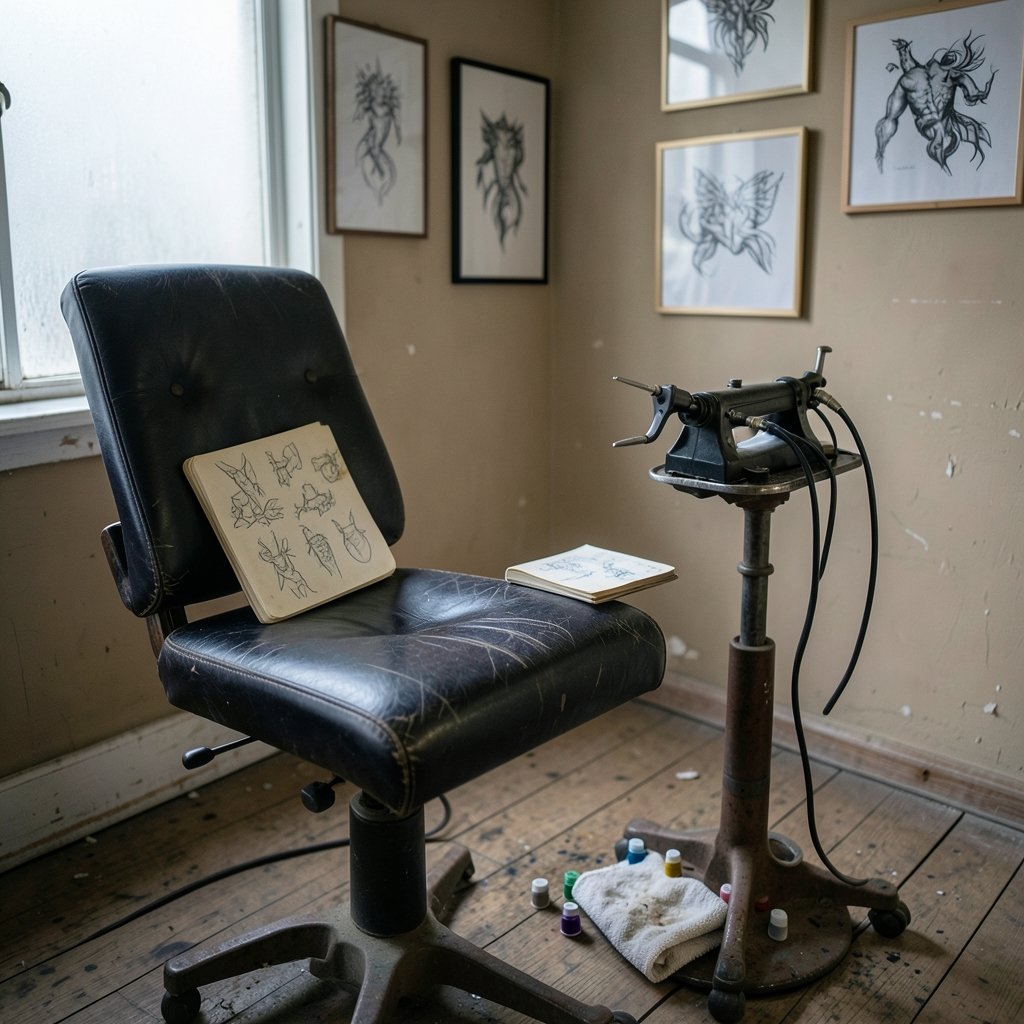
Colson Baker, the artist the world knows as Machine Gun Kelly, has spent more than fifteen years building a body of work that is written quite literally on his body. Fans searching for his tattoos usually want the same three things: a reliable list, the story behind each piece, and a clear sense of which ones still exist. That last point matters more than most people expect, because ink changes. Pieces get added, covered, and reworked, and any list published two years ago is probably already out of date.
This guide walks through the major eras of his tattoo collection, explains the themes that connect them, and offers practical advice for anyone using his ink as inspiration. It also flags the places where public information gets shaky, so readers can tell the difference between a documented statement and a fan theory that has been repeated until it sounds like fact.
Why MGK’s Tattoos Get So Much Attention
Most celebrities have a few visible tattoos. Baker treated his skin as a long-running canvas, and the density is the point. His arms, chest, and torso carry so many overlapping pieces that the overall effect reads as texture from a distance and as a story up close. That combination is rare, and it is exactly why tattoo culture pays attention to him.
There is also a timing factor. His public image shifted dramatically across his career, from Cleveland rapper to pop-punk frontman to rock festival headliner. Each phase brought new ink, and each phase also brought visible reworking of older pieces. Watching that evolution is a lesson in how tattoos age alongside a person’s identity.
The result is a collection that functions less like a gallery and more like a diary — one that gets edited in public, sometimes painfully, sometimes expensively.
The Core Themes Running Through the Collection

Strip away the specific designs and a handful of recurring ideas show up again and again. These themes are the most useful thing for fans to understand, because individual pieces come and go while the themes stay consistent.
Cleveland and hometown loyalty
Baker’s roots in Cleveland show up repeatedly in his ink. The city functions as an anchor in his public storytelling, and his tattoos reflect that. For anyone building their own collection, this is the most transferable idea on the list: place-based tattoos age better than trend-based ones because the place does not stop being part of you. (Tattoos and Permanent Makeup)
Family and fatherhood
His daughter is a recurring reference point in his tattoos and in interviews about them. Family tributes are among the most common tattoo categories worldwide for good reason. They carry meaning that does not depend on a current aesthetic, which is why they tend to survive every round of reworking.
Music as identity
Album titles, lyrics, and symbols tied to specific records appear throughout the collection. This is where things get interesting from a design standpoint. Music tattoos are high-reward and high-risk. A lyric that feels permanent at twenty-two can feel like a costume at thirty-five. Baker’s approach — layering new work over old rather than removing everything — is one common solution.
Pop culture and pure image
Not every tattoo needs a deep backstory. Some pieces exist because they look striking, because they reference a film or a hero, or because they fit a visual concept. Fans often over-interpret these. Sometimes a tattoo is just a good drawing in a good spot.
How the Collection Changed Over Time
The most accurate way to describe the collection is by era rather than by individual piece. Exact counts are unreliable, and any specific number should be treated as approximate and dated to when it was reported.
| Era | Dominant style | What changed |
|---|---|---|
| Early career | Small script, symbols, first tributes | Sparse placement, easy to hide |
| Mid-career expansion | Larger pieces on arms and chest | Density increased, sleeves began forming |
| Pop-punk reinvention | Bold imagery, high contrast | New work placed to read well on stage |
| Recent years | Cover-ups and reworking | Older pieces revised rather than removed |
The pattern in that last row is the one worth studying. Cover-up work is technically demanding. It requires a darker, denser design than the original, and it limits future options in that area. Doing it repeatedly across a large collection takes planning, patience, and a skilled artist who understands how ink behaves over decades.
What Actually Works If You Want Ink Like His
Plenty of readers land on this topic because they want the look without the regret. Here is what tends to work in practice, drawn from how heavily tattooed people generally approach large collections.
- Start with placement, not design. Decide where the piece lives and how it will read in clothing. A design that looks great on an inner forearm may disappear on a shoulder blade.
- Build in a coherent style. Baker’s collection reads as intentional partly because the visual language is consistent even when the subject matter is not. Mixing five unrelated styles in one area creates visual noise.
- Leave room for the future. Dense, tightly packed work feels finished early and then has nowhere to grow. Spacing pieces out preserves options.
- Test the design for at least a month. Print it, tape it to the mirror, look at it daily. If you are bored of it in four weeks, you will be bored of it in four years.
- Budget for the cover-up you hope you never need. Not because you will need one, but because the possibility should influence how dark and how large you go on the first pass.
- Choose the artist for the style, not the price. A specialist in bold traditional work and a specialist in fine-line script are not interchangeable.
The most common mistake is treating a large collection as a single decision. It is not. It is dozens of small decisions made over years, and the people who end up happiest are the ones who treat each session as its own commitment.
The Cover-Up Question, Explained Honestly
Cover-ups are where most online discussion about Baker’s tattoos goes wrong. Fans spot a change, assume a meaning, and the assumption spreads. The practical reality is duller and more useful.
A cover-up happens for three reasons: the original piece no longer fits the person’s identity, the original work was technically poor, or the person wants a larger composition and needs to absorb an old piece into it. None of those reasons require a dramatic story. All three are extremely common.
For anyone considering the same move, three technical points matter:
- Dark ink is hard to cover. Black does not disappear under new black. It has to be absorbed into a larger, denser design.
- Laser first, sometimes. A few sessions of lightening can expand the range of designs that will work.
- Ask the artist directly. Any reputable artist will say plainly whether a cover-up is realistic or whether removal is the better path. If they promise anything is possible, keep looking.
Honest artists turn down cover-up work all the time. That is a sign of competence, not rudeness.
Reading Celebrity Tattoo Claims Without Getting Fooled
Tattoo counts and “meaning” claims about famous people drift badly between outlets. A number gets reported once, then repeated for years without a date attached. A design gets interpreted by a fan, then quoted as if the artist said it.
Three habits fix this:
Check whether the claim is a direct quote. If the sentence does not come from the person’s own mouth or a named artist’s portfolio, treat it as interpretation.
Check the date. A count from five years ago is a historical figure, not a current one. Collections grow.
Check the source type. Entertainment interviews are artist statements, not documentation. That distinction is not a criticism of the interview; it just means the information is one person’s account at one moment.
For context on how tattoos are documented and classified as an art form, Wikipedia’s overview of tattooing is a reasonable starting reference, and for how personal branding through physical appearance is discussed in business and media analysis, Harvard Business Review publishes work on personal branding that applies here. Neither source will confirm a specific piece on a specific arm. That is the nature of the topic.
Practical Takeaways for Fans and Future Collectors
If there is one lesson to carry away from studying a collection this dense, it is that tattoos are a long game. Baker’s ink works as a whole because it accumulated. It was not commissioned in one sitting, and it did not arrive fully formed.
For fans, the useful move is to stop chasing an exact replica. Copying a specific design from a specific arm produces a worse tattoo than building something that fits your own body and your own story. For collectors, the useful move is to slow down. The people with the best collections are almost never the people who got the most work done in the shortest time.
If you are documenting your own collection or researching how celebrity ink gets covered in the media, keeping dated records of your own work is genuinely worthwhile. Photograph each piece when it heals, note the artist and the date, and store it somewhere you will find it later. Ten years from now, that record will be more valuable than any list you could read online. Media outlets that cover culture and identity, such as Voozon Media, regularly examine how public figures use appearance as part of their storytelling, and having accurate personal records makes those stories easier to follow critically.
Conclusion
Machine Gun Kelly’s tattoos are best understood as an evolving project rather than a fixed list. The themes are consistent — Cleveland, family, music, and image — while the individual pieces shift as older work gets covered and new work gets added. That is exactly how tattoos behave in real life, and it is why any definitive count should be treated with suspicion.
The practical value for readers is straightforward. Study the themes, not the designs. Plan placement before artwork. Leave room for the future. Choose artists for their specialty. And when you read a claim about a celebrity’s ink, check whether it is a quote, check the date, and check what kind of source it is. Those three habits will keep you accurate in a topic where accuracy is in short supply.
FAQ
How many tattoos does Machine Gun Kelly have?
There is no reliable, current total. Counts reported in the press are approximate, often outdated, and frequently repeated without a date attached. Because he has covered and reworked existing pieces, the number of visible designs has changed over time. Treat any specific figure as a dated estimate rather than a fact.
What do Machine Gun Kelly’s tattoos mean?
The recurring themes are Cleveland and hometown loyalty, family and fatherhood, music and specific records, and pure visual imagery. Not every piece carries a deep story. Some exist for aesthetic reasons, and fans often over-interpret designs that were chosen for how they look rather than what they symbolize.
Has Machine Gun Kelly had tattoos removed?
He has publicly discussed covering and reworking older pieces, which is a different process from removal. Cover-ups absorb old ink into a new, larger design, while removal breaks the ink down with laser sessions. Both are common among heavily tattooed people, and the choice usually comes down to design options and budget.
Why do celebrities cover up tattoos instead of removing them?
Cover-ups are usually faster, cheaper, and preserve the option of keeping a large composition. Removal requires multiple laser sessions spread over months and can be uncomfortable. Many people choose cover-ups when the original work was technically sound but no longer fits their identity, or when they want a bigger piece in that area.
Can I get a tattoo that looks exactly like his?
Technically yes, but it is usually a bad idea. Copying a specific design ignores the fact that placement, body shape, and skin tone change how a tattoo reads. A reputable artist will push back on direct copies and offer to build something original that captures the same style and spirit instead.
What should I know before starting a large tattoo collection?
Plan placement before design, keep a consistent visual style across each area, and leave space for future work. Test every design for at least a month before committing. Budget for the possibility of a cover-up later, and choose artists based on their specialty rather than price. Large collections are built from many small, deliberate decisions over years.