
Luxury Yacht for Rent in Greece: 2026 Booking Guide
 Abdul WadoodLast updated
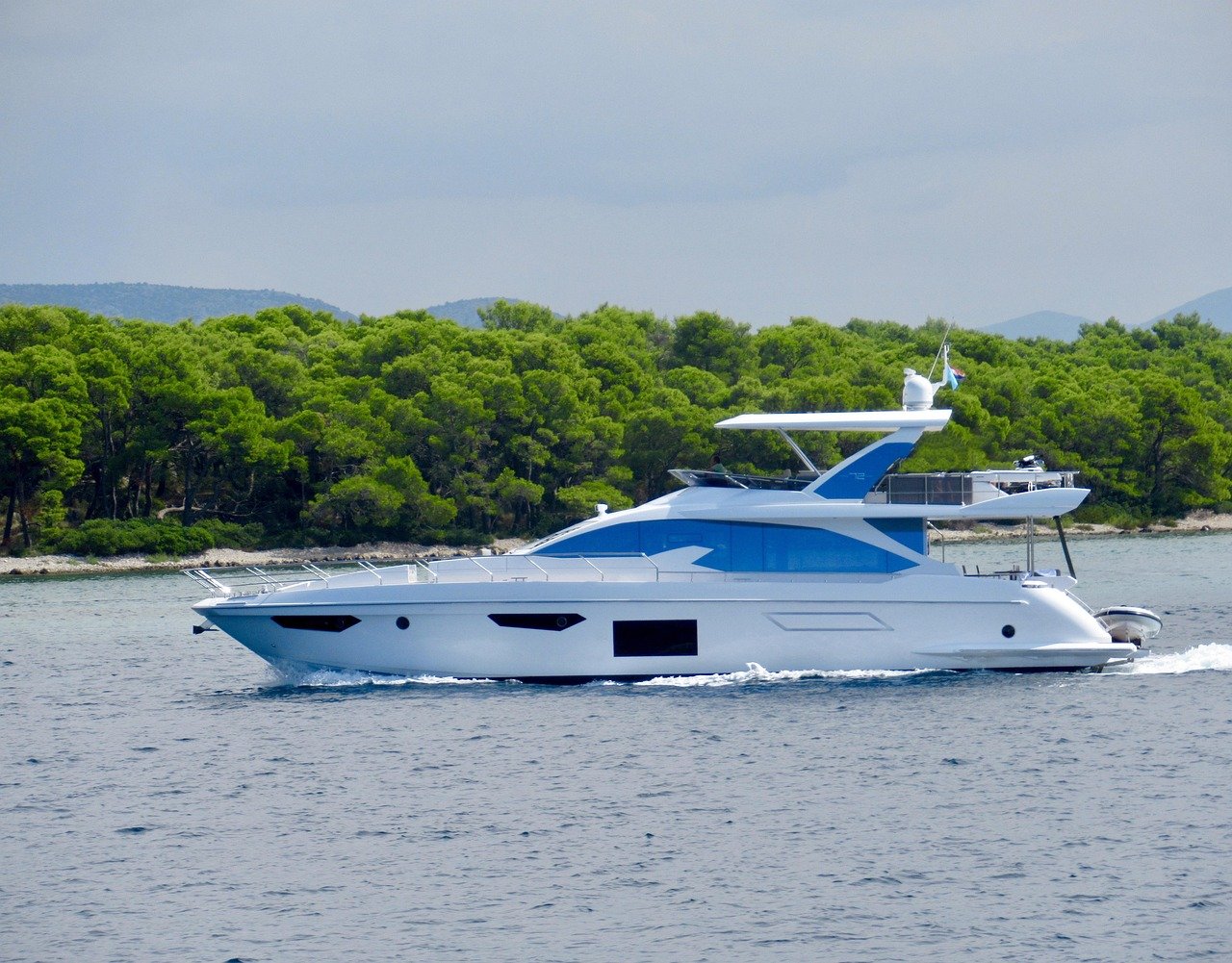
What separates a dream week of island-hopping from an expensive lesson in fine print? Ask anyone who has chartered a luxury yacht for rent in Greece and they will tell you the same thing: the boat is only half the story. The other half is licensing, crew, tax, routing and the small practical details nobody puts in the brochure. This guide walks through what genuinely shapes a Greek charter, from the legal framework to the mistakes first-timers make when they fall in love with a photo of a sun deck.
Why Greece Rewards the Informed Charterer
Greece has thousands of islands, a long sailing tradition and a charter industry built around foreign visitors. That combination is wonderful, but it also means the market is crowded and uneven. Two yachts of identical length and age can differ enormously in crew quality, licensing status and what the quoted price actually includes.
The practical lesson is to treat a charter like buying a house rather than booking a hotel. You are not reserving a room. You are reserving a vessel, a crew, an itinerary and a set of legal responsibilities. The people who enjoy Greek charters most are usually the ones who asked boring questions early.
Crewed or Bareboat: The Decision That Changes Everything
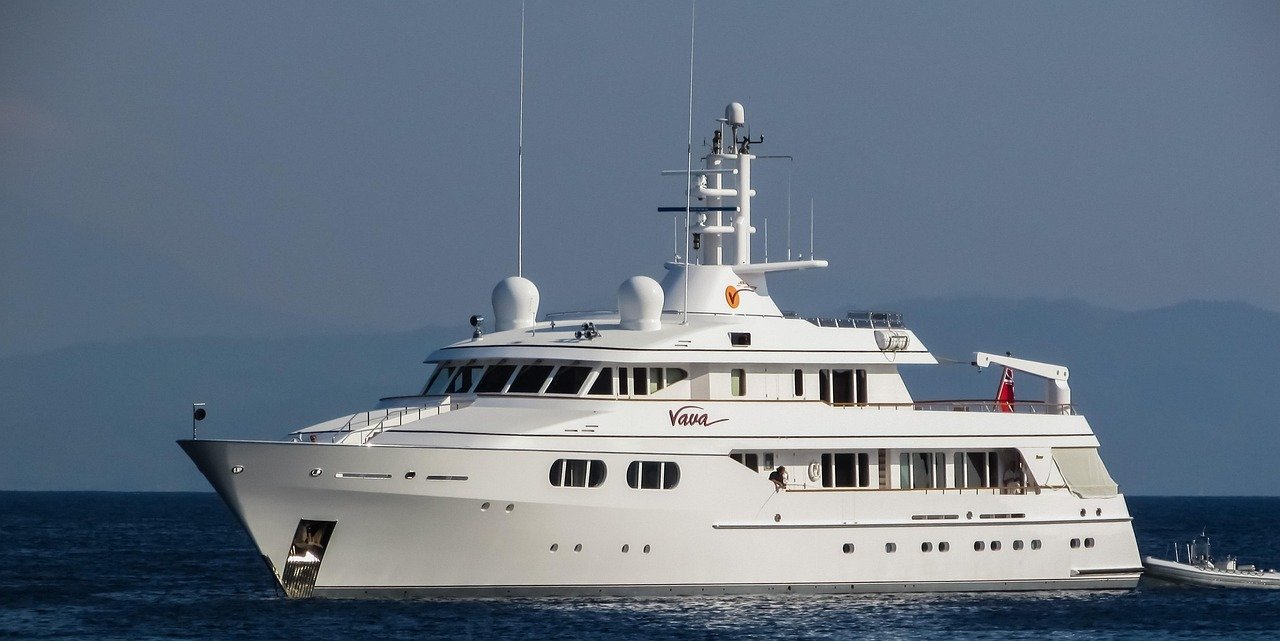
Most luxury charters in Greece are crewed. You get a captain, often a chef, and sometimes a stewardess or deckhand. The captain holds the local knowledge, the licensing, and the responsibility for the vessel. You get to be a guest.
Bareboat charter is different. You take the yacht yourself, which in Greece normally requires a recognised sailing licence or the hire of a professional skipper to accompany you. This is not a technicality. It changes your insurance position, your legal exposure and your daily rhythm.
| Feature | Crewed charter | Bareboat charter |
|---|---|---|
| Who sails the yacht | Professional captain and crew | You, or a hired skipper |
| Licence needed | None from the guest | Recognised sailing licence or paid skipper |
| Typical guest role | Relaxing, choosing the route | Active sailing and navigation |
| Cost structure | Higher, includes crew | Lower base, plus skipper if needed |
| Best for | Families, groups, first-timers | Experienced sailors who want control |
If you have never skippered a 20-metre yacht in a meltemi wind, crewed is the honest choice. There is no shame in it, and the captain will usually let you take the wheel when conditions allow.
Licensing, Flags and Why It Matters to You
Chartering a yacht in Greece requires the vessel to hold a valid charter licence from the Greek authorities, and professional crewed charters sit under Greek shipping law. Larger superyachts are often registered under non-Greek flags and chartered under different rules again.
You do not need to memorise statutes. You do need to confirm that the yacht you are booking is legally licensed for commercial charter in Greek waters, because an unlicensed vessel can create problems with insurance and port authorities. Ask directly. A reputable broker answers without hesitation.
Safety is enforced at sea by the Hellenic Coast Guard (official Hellenic Coast Guard site), which oversees maritime safety and inspection. Commercial charter vessels must meet Greek and, where applicable, EU safety standards. If a listing cannot tell you the licensing status of the yacht, that is your answer.
The Tax Question Nobody Enjoys Asking
Greek charter VAT has been applied at reduced rates in recent years, with commonly cited figures of 6% for vessels over 24 metres under certain conditions, and 12% or 24% depending on how the charter is structured. Rates and conditions shift with tax law, so treat any number you read online, including in this article, as a prompt to verify rather than a quote.
The Independent Authority for Public Revenue (AADE, the Greek tax authority) publishes the current rules. Ask your broker to show the VAT line separately on the quote and to explain which rate applies and why. A quote that hides tax inside a single “all-in” figure is harder to compare and harder to challenge later.
Where Luxury Yachts Actually Go
The classic luxury cruising grounds are the Cyclades, the Ionian, the Saronic Gulf and the Dodecanese. Each has a distinct character, and choosing the wrong one for your group is one of the most common mistakes.
- Cyclades: Iconic, windy, dramatic. Great for confident sailors and photographers, less relaxing in peak meltemi.
- Ionian: Greener, calmer, excellent for families and swimmers, with short hops between islands.
- Saronic Gulf: Close to Athens, ideal for short charters and first-timers who want easy logistics.
- Dodecanese: Longer distances, rich history, better suited to a week or more.
One routing factor people forget: the Corinth Canal has been closed to most traffic since a 2021 landslide, which affects some itineraries that once crossed between the Aegean and the Ionian. The canal operator, AEDIK (Corinth Canal status from the operator AEDIK), is the source to check before assuming a transit is possible.
What a Week Actually Costs
Charter pricing in Greece follows a pattern that surprises newcomers. The season runs roughly May to October, with July and August commanding peak rates. A yacht that costs one figure in late May can cost half again in mid-August for the same itinerary.
Beyond the base charter fee, budget for:
- VAT, charged according to the applicable rate and structure.
- Fuel, which on a motor yacht can be substantial and is often billed on consumption.
- Food and drinks, either as an advance provisioning payment or an APA (advance provisioning allowance) reconciled at the end.
- Port and marina fees, which vary widely by island and season.
- Crew gratuity, customary in the industry and usually 5 to 15 percent of the base fee.
A good broker gives you an estimated total as well as any headline rate. If you only ever see the base price, ask what a realistic all-in week looks like for your group size.
Matching the Boat to the People
Luxury charter fleets in Greece are dominated by motor yachts and catamarans in the 15 to 40 metre range. Larger superyachts above 40 metres are frequently registered under non-Greek flags and chartered under different arrangements.
The match matters more than the badge. A sleek motor yacht with a sun deck and a jacuzzi is superb for a group that wants to arrive fast and anchor off a beach. A sailing catamaran is better for people who want stability, shade and a slower rhythm. A classic gulet suits groups who care more about space and atmosphere than speed.
If silence and comfort matter to you, the same principles that make some cars serene apply at sea; the quietest luxury cars actually make the cabin silent for reasons of insulation and engineering, and yacht designers chase the same goal through hull design and generator placement. It is worth asking where the generators sit relative to the guest cabins.
The Practical Details That Decide a Good Week
Here is what experienced charterers check before signing, and what first-timers usually skip.
Crew experience and continuity. Ask how long the captain has worked the proposed route and whether the crew is permanent or assembled per trip. A settled crew knows which bays are sheltered when the wind turns.
Cabin configuration and air conditioning. Greek summer heat is real. Confirm that air conditioning runs through the night and at anchor, and check whether it depends on shore power.
Water toys and their limits. Tenders, paddleboards and seabobs are lovely until you learn the tender cannot be launched in certain conditions. Ask what is included and what costs extra.
Anchoring restrictions. Greek marine protected areas and Natura 2000 sites restrict anchoring and speeds in some zones. The European Environment Agency explains how the Natura 2000 protected area network works. A good captain plans around these rules rather than discovering them on arrival.
Booking protections. If you book online from within the EU, consumer law applies, including distance-selling rules. The European Commission’s guidance on EU consumer rights and complaints sets out what you can expect. Pay attention to cancellation terms, which vary enormously between operators.
Insurance. Confirm what the charter insurance covers and what your own travel policy should add. Ask specifically about cancellation cover, because weather and illness are the two most common reasons charters collapse.
Sustainability Without the Greenwash
Luxury and environmental responsibility are not opposites at sea, but the claims need scrutiny. A charter that genuinely limits single-use plastic, manages waste in port and respects no-anchor zones is doing real work. A brochure that says “eco” and nothing else is not.
The same critical eye that helps you spot genuine sustainability in a lodge applies here; the guide to spotting sustainability behind eco luxury lodges explains how to read the difference between substance and slogans. Ask about waste handling, watermakers and engine hours. The answers are telling.
How to Choose a Broker or Operator
Greece has excellent brokers and a long tail of resellers. The difference shows up in what happens when something goes wrong.
Look for an operator who answers technical questions directly, provides a named captain before you pay, and gives you a written inventory of what is included. Avoid anyone who pressures you toward a deposit before you have seen the yacht’s licensing status and the full cost breakdown.
It also helps to think about the wider luxury landscape, because the same instincts apply across categories. The reasoning behind what makes Bentley cars different from other luxury brands is a useful reminder that heritage and price signal less than the quality of the actual experience. And if you are building a broader trip, the Lake Como luxury travel guide on villas and boats shows how transport and accommodation decisions interlock in a European summer itinerary.
Common Mistakes and How to Avoid Them
Booking by photo alone. Wide-angle shots make cabins look larger and decks emptier. Ask for a video walkthrough and the yacht’s most recent survey.
Ignoring the wind. The meltemi can reshape a Cyclades itinerary in August. A good captain has alternatives planned, but you should know that flexibility is part of the deal.
Underestimating the APA. The advance provisioning allowance is not a fee; it is a float. But if you drink premium wine and eat ashore rarely, expect to top it up.
Skipping the contract. Read the cancellation clause, the fuel terms and the gratuity guidance. If something is unclear, ask in writing.
Forgetting the return logistics. Athens airport transfers, ferry timings and the final morning’s schedule matter more than people expect on the last day.
Conclusion
A luxury yacht for rent in Greece can be one of the great travel experiences, but it rewards preparation over impulse. Confirm the licensing, understand whether you want crewed or bareboat, ask about VAT and fuel openly, and match the yacht to the people on board rather than to a photograph. Choose a broker who answers technical questions without flinching, and check the protected-area and canal rules that shape your route. Do that, and the week becomes what it should be: long swims, short hops and the pleasant feeling that someone competent is handling the details.
FAQ
Is it legal to charter a yacht in Greece without a licence?
Yes, if you book a crewed charter. The captain holds the required licensing and the vessel must be licensed for commercial charter. Bareboat charter is different: you normally need a recognised sailing licence or must hire a professional skipper to accompany you. (Yacht charter)
How much does a luxury yacht charter in Greece cost per week?
It varies widely by yacht size, season and crew. Peak July and August rates are substantially higher than May, June, September and October. Always ask for an all-in estimate covering VAT, fuel, provisioning, port fees and gratuity, rather than only the base charter fee.
What is the best time of year to charter in Greece?
The season runs roughly May to October. Late spring and early autumn offer warm weather with lower prices and quieter anchorages. July and August bring peak pricing and stronger winds in the Cyclades.
Do I need to tip the crew?
Gratuity is customary in the charter industry and is usually calculated as a percentage of the base charter fee, commonly in the 5 to 15 percent range. Confirm the expectation with your broker before you book so it does not come as a surprise.
Can I choose my own itinerary?
Usually yes, within reason. The captain has final say for safety and weather reasons, and some areas have anchoring restrictions. Share your priorities, such as quiet bays, specific islands or particular restaurants, and let the captain build a route that works.
What happens if the weather turns bad?
Captains plan alternatives, and a good operator builds flexibility into the itinerary. If conditions make the planned route unsafe, the captain will adjust. Travel insurance with cancellation cover is worth having for the rare cases where a charter cannot proceed.