
Luxury Villa Rentals Tuscany: Book Smart, Avoid Mistakes
 Abdul WadoodLast updated
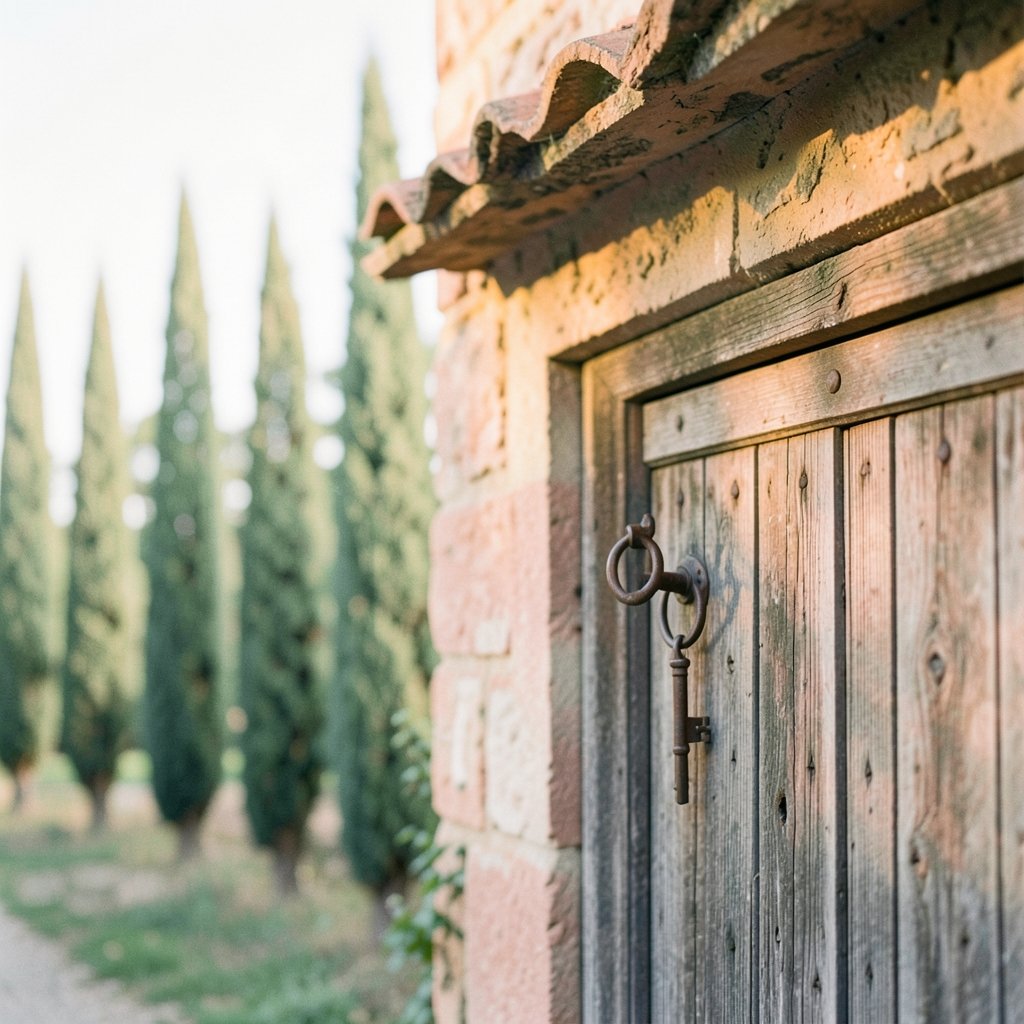
What separates a dream week in a Tuscan villa from a stressful, expensive disappointment? Usually not the villa itself. It is the booking decisions made weeks or months earlier: which region, which contract terms, which hidden costs, and which legal details nobody mentions in the glossy photos. Tuscany has thousands of rental properties, from restored farmhouses in Chianti to grand historic estates near Lucca, and the gap between a good and a bad choice is rarely visible in the listing.
This guide walks through what actually matters when renting a luxury villa in Tuscany: where to look, how Italian rental rules affect you, what the contract should say, and the mistakes that catch even experienced travelers. (Lake como luxury travel guide villas boats where stay)
Why Tuscany Remains the Benchmark for Villa Travel
Tuscany works as a villa destination because it combines density and variety. Within an hour’s drive you can move from the vineyards of Chianti Classico to the stone lanes of Siena, from the cypress-lined roads of the Val d’Orcia to the coast near Bolgheri. Few regions pack that much landscape, food culture, and art into such a compact area.
The Val d’Orcia is a UNESCO World Heritage cultural landscape, inscribed in 2004 for the way agriculture and settlement shaped its terrain over centuries. That designation matters practically: it signals protected scenery, but also tighter rules on construction and renovation. A villa inside or near a protected zone may not be allowed to add a pool, extend a terrace, or change external features. If a listing advertises “new pool coming next season,” ask whether permits are already approved.
Many high-end villas are also historic properties covered by Italy’s cultural heritage code, which can restrict alterations and even some uses. This is not a reason to avoid old estates. It is a reason to ask questions before paying a deposit.
Where the Main Luxury Villa Areas Sit, and What Each Suits
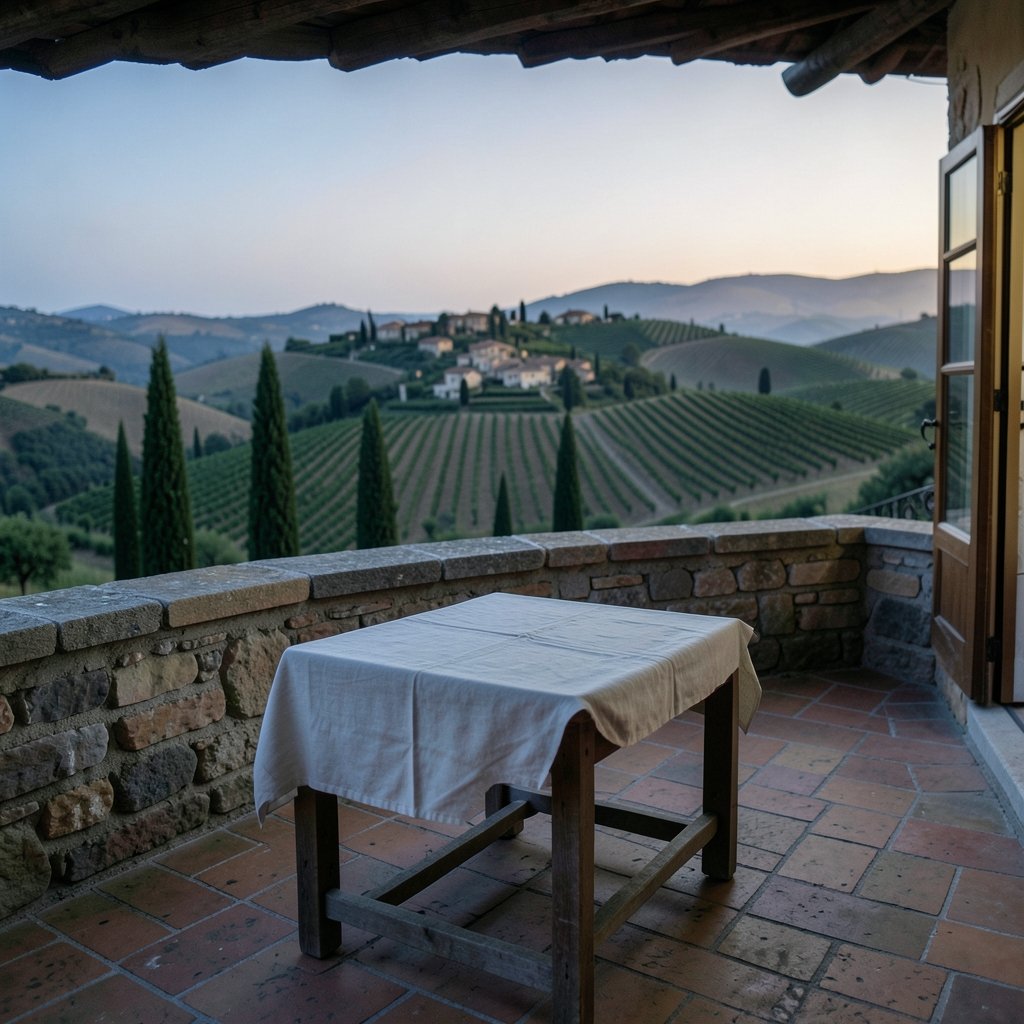
Choosing a base is the single biggest decision. Each zone has a distinct rhythm, price pattern, and practical trade-off.
| Area | Best for | Trade-offs |
|---|---|---|
| Chianti Classico | Wine lovers, food-focused stays, easy day trips to Florence and Siena | Busy in peak season, winding roads, some properties far from shops |
| Val d’Orcia | Landscape, slow travel, photography, small hill towns | Limited public transport, restaurants book out, cooler evenings |
| Lucca and surroundings | Families, cyclists, elegant historic villas with walled gardens | Less vineyard scenery, more suburban edges near the city |
| Maremma and the coast | Beaches plus countryside, longer seasons, space | Car essential, some coastal strips developed |
| Cortona and Val di Chiana | Value, central rail links, hill-town atmosphere | Summer heat, steeper access roads |
A practical tip that saves real money: pick the area by how you will spend your days, not by the villa’s Instagram appeal. A stunning estate forty minutes up a gravel road is wonderful for a reading holiday and miserable for a family that wants dinner in town every night.
The Legal Layer Most Renters Never Check
Italy regulates short-term tourist rentals, and Tuscany has its own regional framework. Tuscany’s regional law on short-term tourist rentals (legge regionale 86/2016) requires owners of case vacanza and similar units to register with the region and display a regional identification code, known as the CIR, in their listings. On top of that, a national identification code (CIN) was introduced under a 2023 law with implementing rules from the Ministry of Tourism, and its rollout from 2024 onward has shifted deadlines more than once. (Tuscany)
Why should a guest care? Because a listing without a valid code may be operating outside the rules, which can mean no registered contact, unclear insurance, or a last-minute cancellation if authorities intervene. Before booking, ask the owner or agency for the CIR or CIN and check that it appears in the listing itself, not just in an email. If a host dodges the question, treat it as a warning sign.
Municipal tourist tax is a separate matter. Many Tuscan comuni levy an imposta di soggiorno on overnight stays, with rates and exemptions set locally and changed frequently. It is usually paid in cash on arrival, per person per night, and often capped after a set number of nights. Budget for it, and confirm the current rate with the host rather than assuming last year’s figure still applies.
Contract terms also matter more than most travelers expect. Italian short-term rentals are generally governed by the Civil Code, and consumer bookings fall under the Consumer Code, which implements EU rules on unfair commercial practices. In plain terms: the total price, including mandatory fees, should be clear before you commit. If cleaning fees, heating, or tourist tax only appear after you have paid a deposit, that is a transparency problem worth challenging in writing.
Reading a Villa Listing Like a Skeptic
Listings are marketing documents. The skill is extracting facts from them.
Start with distance claims. “Ten minutes from Siena” can mean ten minutes by car at 6 a.m. or forty minutes in August traffic. Open the map, drop a pin on the exact address if given, and check the route. Then check the final approach: paved road or strada bianca, the white gravel tracks common in rural Tuscany. Gravel is charming in photos and hard on low-slung rental cars.
Next, look at what is not photographed. Bedroom count is easy to verify; bathroom count per bedroom is where disappointment lives. Check whether the pool is shared, heated, fenced, or open only in certain months. Confirm air conditioning room by room, because many historic villas cool only part of the house. Ask about mosquito screens and fans if you are traveling in July.
Then consider the people. Multigenerational groups face a specific set of problems: stairs, uneven floors, distance between bedrooms, and pool safety for small children. A thoughtful approach to planning a multigenerational luxury trip that works for every age helps here, because the villa choice either solves those issues or amplifies them.
Finally, compare the villa model against alternatives honestly. A useful breakdown of luxury villa versus luxury hotel cost, privacy, and service shows where villas win (space, privacy, flexibility) and where hotels win (staffing, dining, no maintenance worries). Villas are not automatically cheaper once you add a car, a cook, and pool heating.
What Villa Rentals Actually Cost, and Where the Money Goes
Nightly rates vary enormously by season, location, and property scale, and published averages tend to be unreliable. What is consistent is the structure of costs. Expect the headline rate to be only part of the total.
Typical extras include a refundable security deposit, final cleaning, linen and towel changes, pool heating, air conditioning metered by consumption, heating in shoulder season, and the local tourist tax. Some owners charge for utilities above a set allowance, which matters in older houses with thin walls and heavy heating needs.
Seasonality is steep. Demand concentrates from late spring through early autumn, with peak pricing in July and August. If your dates are flexible, late May, June, September, and early October often deliver the same weather with noticeably lower rates and fewer crowds. Winter rentals can be excellent value in cities like Lucca or Siena, but verify heating costs first, because a cold stone villa can burn through a fuel budget fast.
Payment terms deserve scrutiny. A common structure is a deposit of around 30 percent on booking, with the balance due four to eight weeks before arrival. Pay by traceable method, get a written confirmation with the full address and the owner’s or agency’s registered details, and keep the correspondence. Avoid requests to pay the entire sum upfront by informal transfer to a personal account.
Practical Tips That Genuinely Work
These are the habits that separate smooth bookings from horror stories.
- Book the car before the villa. Automatic transmission cars sell out first in Italy, and rural Tuscany is not a place to learn manual gearbox driving on hill roads.
- Ask for a video walkthrough. A two-minute phone video of the actual house, shot by the owner, reveals more than twenty staged photos.
- Confirm arrival logistics in writing. Who meets you, at what time, and what happens if your flight is delayed? Late-arrival fees are common.
- Check the cancellation policy line by line, including what happens if the property becomes unavailable.
- Ask who handles problems during the stay. A local manager fifteen minutes away is worth more than a call center in another country.
- Plan meals around reality. If the nearest grocery is twenty minutes away, a welcome-stock delivery arranged in advance is money well spent.
Travelers weighing a Tuscan villa against other high-end formats often find the decision comes down to maintenance and service expectations. A comparison of luxury penthouse versus private villa ownership maintenance highlights the same trade-off renters feel: private houses reward independence but demand more self-sufficiency. Renters should ask directly who is responsible for the pool, the garden, and repairs during their stay.
Sustainability Claims and How to Test Them
A growing number of Tuscan estates advertise eco credentials: solar panels, organic farms, water recycling, zero-plastic policies. Some are genuine and impressive. Others are decorative.
Ask specific questions. How much electricity comes from on-site solar? Is the pool heated by heat pump or gas? Is the produce from the estate or a wholesaler? A practical framework for spotting genuine sustainability behind the marketing helps, and the same logic applies to villas as to lodges: verifiable systems beat vague language.
One quiet advantage of villa travel is structural rather than promotional. A house with its own kitchen, garden, and water supply reduces the per-guest footprint of restaurant meals, daily linen changes, and bottled water. That does not make every villa sustainable, but it gives a well-run property a real head start.
Booking Direct, Booking Through Agencies, and What Each Buys You
Direct bookings usually mean better rates and a direct line to the owner. They also mean you carry more risk: no intermediary to resolve disputes, and less standardization in contracts.
Agencies and specialist villa companies charge more but typically provide vetted properties, English-language contracts, local managers, and a complaints process. For first-time visitors or large groups splitting costs, that structure is often worth the premium. For repeat visitors who know the area, direct booking with a proven owner can be excellent.
Platforms sit in between. They offer payment protection and reviews, but reviews skew positive and rarely mention the gravel road or the church bells at 6 a.m. Cross-check any property against its own website and independent mentions before committing.
Conclusion
Renting a luxury villa in Tuscany rewards preparation more than budget. The best stays come from matching the area to your actual days, verifying the legal registration code, reading the total cost rather than the headline rate, and asking blunt questions about roads, air conditioning, staffing, and cancellation. Do that groundwork, and the villa becomes what it should be: a quiet base for long lunches, slow drives, and the particular pleasure of opening shutters onto a Tuscan morning.
Frequently Asked Questions
What is the CIR code and do I need to check it?
The CIR is Tuscany’s regional identification code for registered short-term tourist rentals, required under the regional short-term rental law. You do not need one yourself, but you should confirm the property displays a valid code, along with the national CIN where applicable. A missing or evasive answer about registration is a legitimate reason to walk away.
When is the best time to rent a villa in Tuscany?
Late May, June, September, and early October offer warm weather, open attractions, and lower rates than the July and August peak. July and August deliver the most reliable heat and the liveliest festivals, but also the highest prices and busiest roads. Winter is quiet and cheap but requires checking heating costs carefully.
Is a villa cheaper than a luxury hotel?
Not automatically. Once you add car hire, fuel, pool heating, cleaning fees, and a private cook, a villa can cost as much as a high-end hotel. Villas tend to win on space, privacy, and flexibility for groups; hotels win on service and simplicity. Compare total trip costs, not nightly rates.
What extra fees should I expect beyond the nightly rate?
Common extras include a refundable security deposit, final cleaning, linen changes, pool heating, metered air conditioning or heating, and the municipal tourist tax paid locally. Ask for a full written breakdown before paying a deposit, and confirm the current tourist tax rate for that specific comune.
Do I need a car for a Tuscan villa holiday?
In most rural areas, yes. Villas in Chianti, the Val d’Orcia, and the Maremma are rarely within walking distance of shops and restaurants, and public transport is thin. Book an automatic car early, check the final access road surface, and confirm parking on the property.
How far in advance should I book?
For July and August, six to twelve months ahead is normal for the best properties, and popular estates book a year out. For June, September, and October, three to six months usually works. Last-minute bookings can deliver discounts but narrow your choice sharply, especially for larger groups needing multiple bedrooms.