
Luxury SUV for Sale: How to Choose the Right One
 Abdul WadoodLast updated
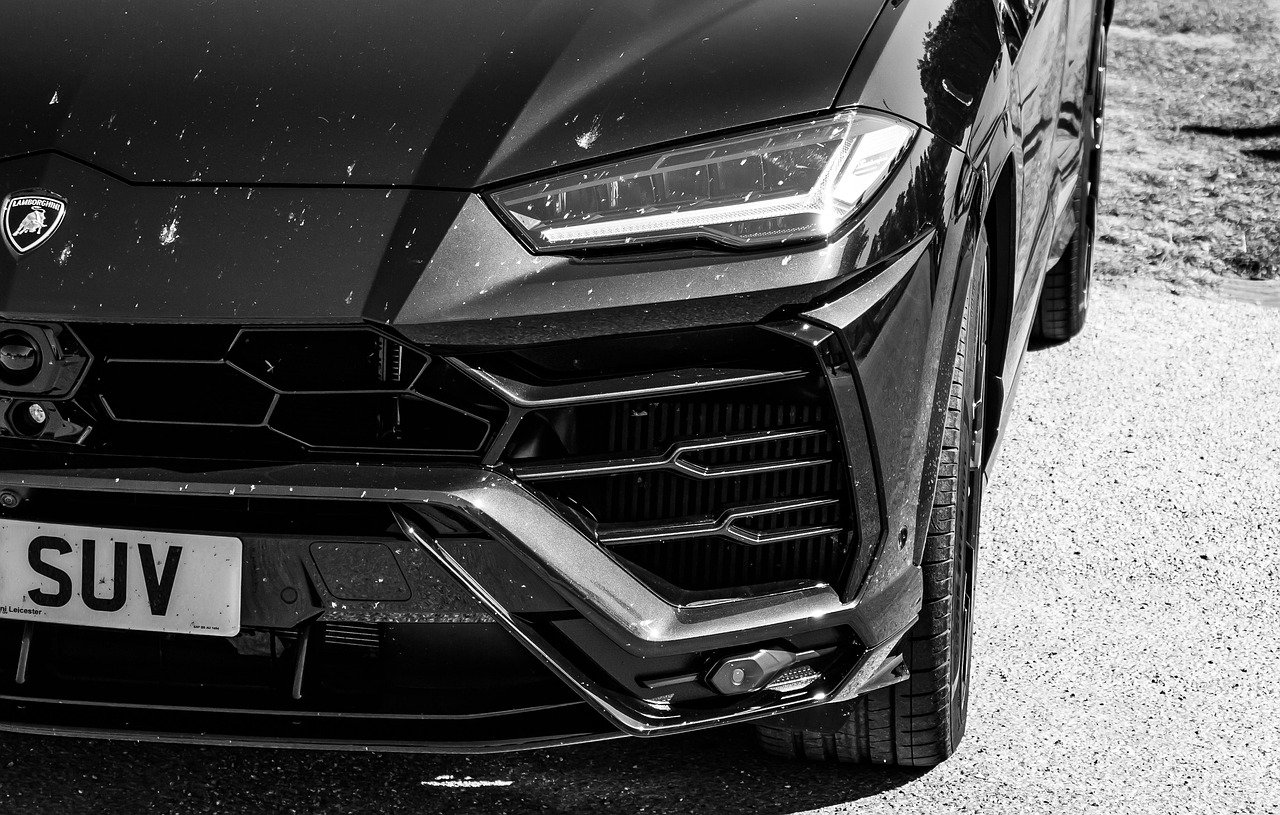
What separates a genuinely good luxury SUV from an expensive mistake? The answer rarely shows up on the window sticker. It lives in the details: how the cabin feels after an hour on a rough road, what the seats do to your back on a long drive, and how much the vehicle will be worth when you trade it in. Buying a luxury SUV is a big decision, and the market is crowded with options that all promise the same things. This guide cuts through the noise so the next shopping trip goes better than the last one.
What “Luxury SUV” Really Means
Here is a fact that surprises many shoppers: there is no legal or industry-standard definition of a luxury SUV. It is a marketing and editorial label. The boundaries move depending on the brand, the price, and the market. A loaded mainstream SUV can cost more than a base model from a premium badge, and both get called luxury by somebody.
In practice, the category is anchored by a small group of brands. Mercedes-Benz, BMW, Audi, Porsche, Land Rover, Lexus, Volvo, and Genesis form the core. Above them sit ultra-luxury marques like Bentley, Rolls-Royce, Lamborghini, and Aston Martin. Below them, near-luxury models compete hard on features.
Why does this matter when you shop? Because the label tells you almost nothing about value. A vehicle earns its luxury status through materials, noise isolation, suspension tuning, and service, not through a badge. Shoppers who understand this stop paying for the name and start paying for the experience.
New or Used? The Math Most Buyers Get Wrong
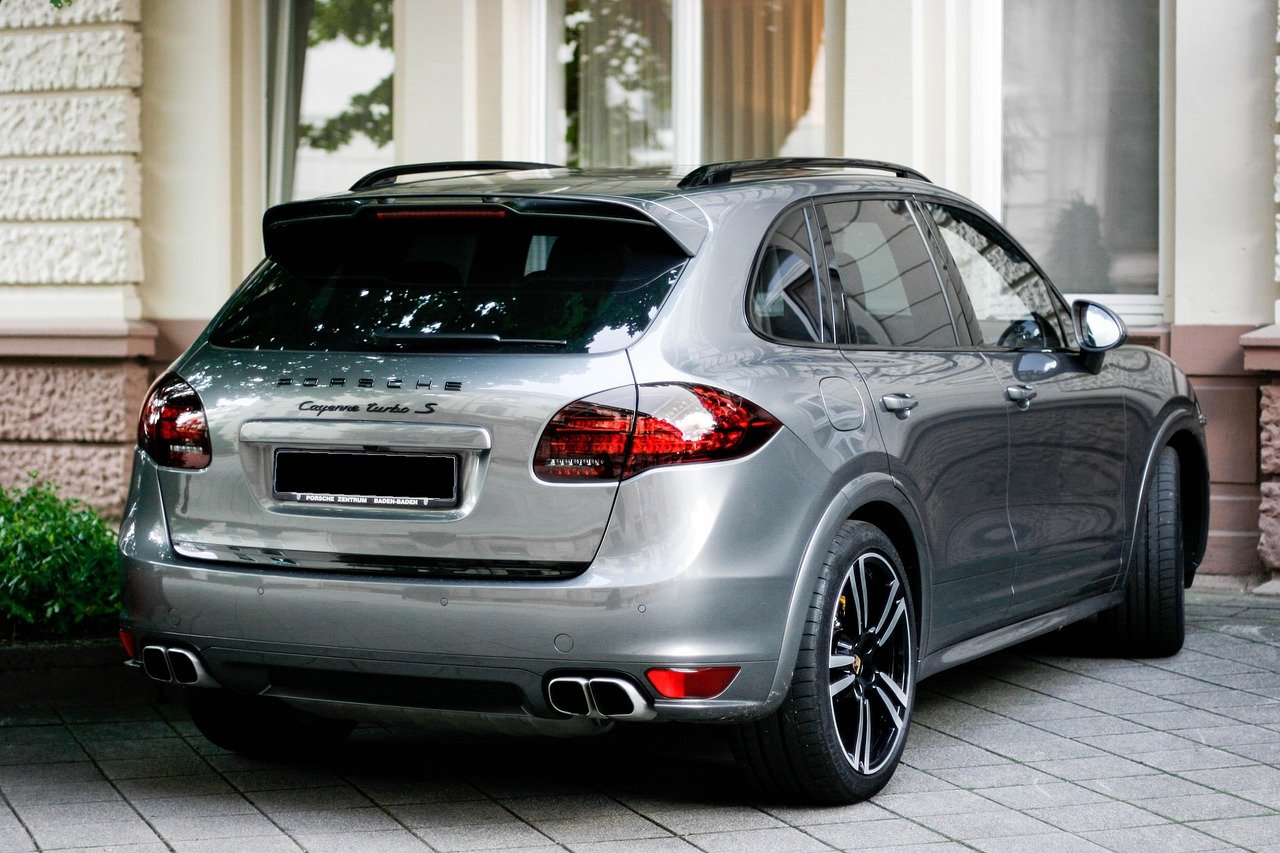
Depreciation is the single largest cost of luxury SUV ownership, and it hits hardest in the first few years. A three-year-old model from a strong brand often carries the same equipment as a new one at a much lower price. That gap is where smart buyers live.
Certified pre-owned (CPO) programs sit in the middle. They usually include a manufacturer-backed inspection, an extended warranty, and sometimes roadside assistance. The trade-off is a higher price than a private sale, but the protection is real.
Buyers weighing a used purchase should understand the full picture before committing. A practical walkthrough of luxury cars for sale and what buyers should know before they commit covers the paperwork, inspection, and negotiation traps that catch people off guard.
| Buying path | Typical price position | Warranty | Best for |
|---|---|---|---|
| New | Highest | Full factory coverage | Buyers who want the latest tech and zero history |
| Certified pre-owned | Mid | Extended, manufacturer-backed | Buyers who want protection without the new-car premium |
| Private sale | Lowest | Usually none | Confident buyers who arrange their own inspection |
| Dealer used (non-CPO) | Low to mid | Limited or third-party | Buyers who negotiate hard and verify everything |
One common mistake: treating a CPO badge as a free pass. Read what the warranty actually covers, how long it lasts, and whether it transfers if you sell. Some programs are excellent. Others are thin.
Where the Money Actually Goes
Luxury SUVs hide their value in places photos cannot show. When you test drive, pay attention to these areas: (SUVs)
- Cabin noise. A quiet cabin is expensive to engineer. Sound-deadening material, laminated glass, and active noise cancellation all cost money. If silence matters to you, it is worth studying what actually makes a luxury cabin silent before you shortlist models.
- Seat quality. Adjustable bolsters, massage functions, and proper lumbar support separate a good seat from a great one. Sit in the car for at least fifteen minutes, not two.
- Suspension tuning. Air suspension smooths rough roads but adds repair risk as the vehicle ages. Ask about replacement costs.
- Infotainment speed. A slow screen becomes a daily annoyance. Test it cold, not after the salesperson has warmed it up.
- Materials where hands land. Touch the door tops, the armrests, and the lower dash. Cost-cutting shows up there first.
A useful habit: drive the same route in two or three contenders back to back. Differences in ride and noise become obvious in comparison and invisible in isolation.
Gas, Hybrid, or Electric?
Electrification has reshaped the segment. Most major luxury brands now offer battery-electric SUVs, and plug-in hybrids bridge the gap for buyers who are not ready to go fully electric. Each powertrain suits a different life.
Electric SUVs reward buyers with home charging and predictable daily routes. They deliver instant torque and quiet cruising, but long trips require planning. Plug-in hybrids work well for people who mostly drive short distances but need gas range for occasional long hauls. Traditional gas models remain the simplest choice for buyers who tow, travel remotely, or want the widest used-market selection.
The electric truck and SUV space has matured quickly, and the options are broader than many shoppers assume. A closer look at what the Rivian electric truck and SUV lineup really offers shows how one brand approaches range, off-road ability, and everyday usability.
Before committing to any electric model, check three things: charging speed on the connectors you will actually use, real-world range in cold weather, and battery warranty terms. Those three numbers matter more than the headline range figure.
The Test Drive Checklist That Saves Money
Most buyers spend twenty minutes on a test drive and regret it later. A structured approach works better.
- Drive it cold. Arrive early and ask to start the car yourself, before it has been warmed up. Cold starts reveal noises and hesitation.
- Take it on bad pavement. Smooth roads flatter any suspension. Find a rough street and listen for rattles.
- Park it. Try a tight space and a multi-level garage. Size and visibility surprise people who only drove on open roads.
- Test every seat. Sit in the back. Fold the third row if there is one. Check child seat anchors.
- Run the tech. Pair your phone, use the navigation, test the cameras in poor light if possible.
- Ask for the service history. Even on a new car, ask about scheduled maintenance costs for the first five years.
If you are considering a manual gearbox for a sportier feel, the search is narrower but still worthwhile. A guide to finding and buying a manual transmission car explains what to check and why the pool is smaller than it used to be.
Safety Ratings and the Questions to Ask
Crash-test ratings give buyers an independent baseline, and they are worth checking before any negotiation. Independent testing programs publish detailed results on crashworthiness and driver-assist performance, and those results often differ from marketing claims. Look up the specific model year rather than only the nameplate, because manufacturers revise structures and software between years.
Beyond ratings, ask these questions at the dealership:
- Which driver-assist features are standard versus optional?
- Does the vehicle have a spare tire, or only a repair kit?
- What is the towing capacity, and does it require a package?
- How much do tires and brakes cost to replace?
The last question matters more than people expect. Large wheels and performance brakes on a heavy SUV can turn routine maintenance into a significant bill.
Practical Tips From the Real World
Some patterns show up again and again among luxury SUV buyers.
Buy the seats, not the screen. Screens age fast. Good seats stay comfortable for a decade.
Skip options you will never use. Off-road packages, rear entertainment systems, and performance brakes add cost and complexity. They also complicate resale if the next buyer does not want them.
Check insurance before you buy. Premium badges and expensive parts raise premiums. Get a quote with the VIN before signing anything.
Verify the warranty transfer rules. Some extended warranties end when the original owner sells. Confirm in writing.
Inspect the tires. On a used SUV, mismatched or worn tires hint at skipped maintenance elsewhere.
Buyers thinking about the broader philosophy of buying well rather than buying often will find a useful framework in this guide to conscious luxury and buying better instead of more. The same logic applies to vehicles: fewer, better choices usually beat constant upgrades.
Matching the SUV to Your Actual Life
The best luxury SUV is the one that fits your week, not your imagination. A few honest questions narrow the field fast.
Do you regularly carry more than four people? If not, a two-row model offers more cargo space and lower weight. Do you park in a city garage? Check the width and turning circle. Do you drive on gravel or snow? All-wheel drive and ground clearance matter more than a sporty suspension tune. Do you keep cars for eight years or three? Long keepers should prioritize reliability records and service costs; short keepers should watch resale value.
Buyers who want a mid-size electric option with genuine luxury intent have more choices than ever. This review of the Mercedes-Benz EQE SUV as an electric mid-size luxury SUV shows how one model balances range, cabin quality, and practicality.
And if the purchase is part of a bigger plan, remember that the vehicle is only one piece of the puzzle. Some buyers pair a new SUV with a getaway, and a Lake Como luxury travel guide covering villas, boats, and where to stay is a reminder that the best ownership experiences include the trips you take.
Negotiation Without the Games
Luxury SUV pricing has more room than many buyers assume, especially on outgoing model years and used inventory that has sat on the lot. A few tactics work reliably.
Get an out-the-door quote in writing, including taxes, fees, and add-ons. Compare financing separately from the vehicle price so you can see which number is actually moving. If you are trading in, negotiate the trade value after you settle the purchase price, never before. And be willing to walk away. The single strongest negotiating position is genuine willingness to buy a different vehicle. (Sport utility vehicle)
Conclusion
A luxury SUV for sale is only a good deal when it fits your life, your budget, and your tolerance for maintenance. The badge matters far less than the seats, the noise levels, the warranty terms, and the service history. Start with a clear list of what you actually need, test drive at least three contenders on the same route, verify safety ratings for the exact model year, and get every promise in writing. Do that, and the vehicle you drive home will still feel worth it years later.
FAQ
Is a certified pre-owned luxury SUV worth the extra cost?
Usually yes, if the warranty is manufacturer-backed and covers meaningful components for a reasonable period. The premium over a private sale buys inspection, coverage, and recourse. Read the terms carefully, because some programs exclude the systems most likely to fail, such as air suspension and complex electronics.
How much should I budget beyond the purchase price?
Plan for insurance, tires, scheduled maintenance, and a repair fund. Large wheels and performance brakes cost more to replace, and premium parts carry premium prices. A realistic rule is to set aside a few percent of the vehicle’s value each year for maintenance and unexpected repairs.
Do luxury SUVs hold their value well?
It varies widely by brand, model, and demand. Some models depreciate steeply in the first three years and then flatten out, which makes them attractive used buys. Others hold value strongly but cost more upfront. Check resale data for the specific model and trim rather than trusting brand reputation alone.
Is an electric luxury SUV practical for long trips?
It can be, if you plan charging stops and confirm real-world range for your climate. Cold weather reduces range, and charging speed matters more than peak range on road trips. Buyers without home charging should think carefully before committing to a fully electric model.
What should I check on a used luxury SUV?
Service records, tire condition and matching, suspension health, electronics function, and whether the warranty transfers. Get a pre-purchase inspection from a specialist who knows the brand. Repair costs on out-of-warranty luxury vehicles can climb quickly, so the inspection is money well spent.
Does a higher price guarantee a better luxury SUV?
No. Price reflects brand positioning, options, and marketing as much as quality. A well-specified model from a less prestigious brand can deliver a quieter cabin, better seats, and lower running costs than a stripped model from a famous badge. Judge the vehicle by how it performs on your test route, not by its price tag.