
Luxury Shower System: What Justifies the Price
 Abdul WadoodLast updated
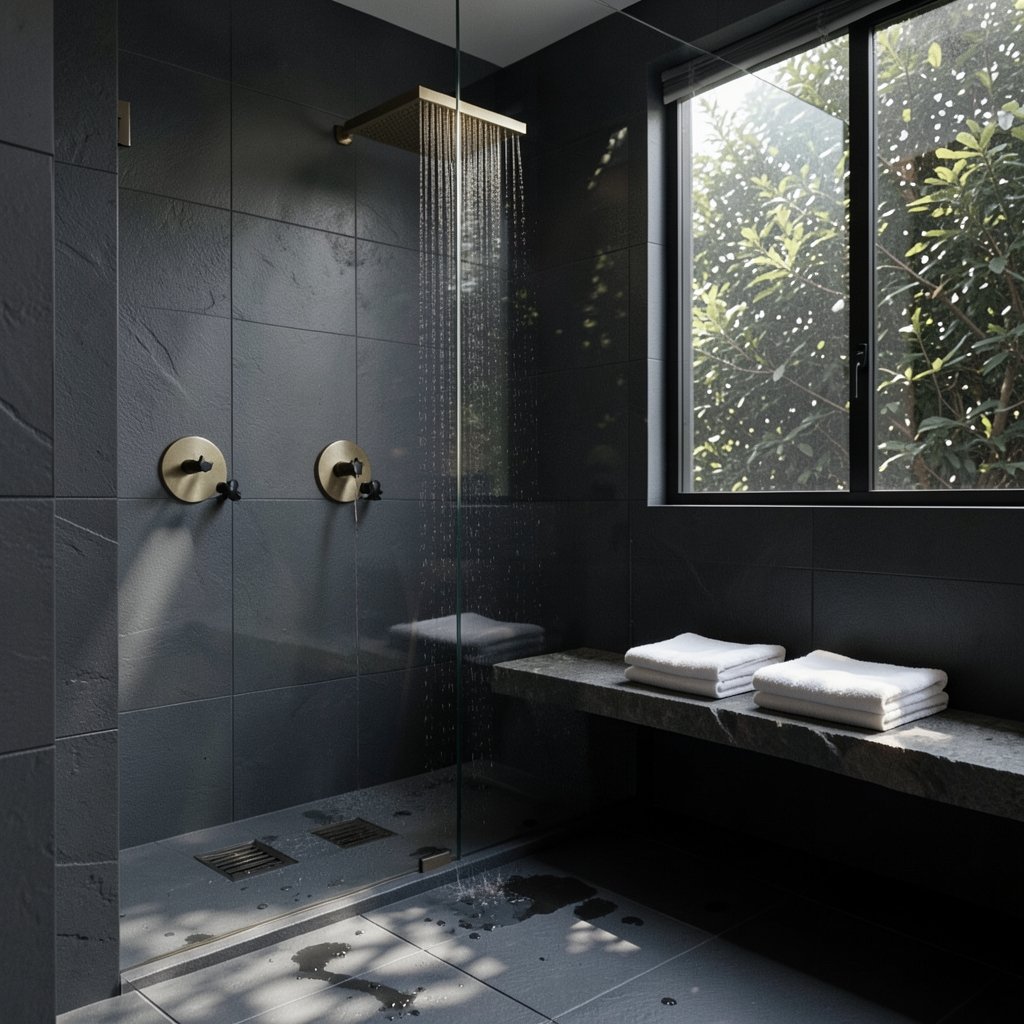
What separates a $400 shower from a $4,000 one? It is rarely the water itself. A luxury shower system earns its price through temperature control that does not swing, finishes that survive daily use, and layouts that make a small room feel like a private spa. This guide breaks down the components, the specifications that matter, the mistakes buyers make, and how to judge whether an upgrade is worth it.
What a Luxury Shower System Actually Includes
A complete system is more than a showerhead. It usually combines four elements: a thermostatic mixing valve that holds water at a set temperature, one or more outlets (rain head, hand shower, body sprays), a control interface, and a finish package that ties it together.
The mixing valve is the heart of the system. Cheap valves are pressure-balance types: they keep temperature roughly stable by adjusting to pressure changes elsewhere in the house. Better systems use thermostatic valves, which respond to temperature directly and typically include an anti-scald limit. That is why a thermostatic system keeps its temperature when someone flushes a toilet downstairs, while a budget valve can deliver a sudden hot jolt.
Thermostatic vs. Pressure-Balance: The Decision That Matters Most

Most buyers focus on the showerhead and ignore the valve. That is backwards. The valve determines comfort every single day.
| Feature | Pressure-balance valve | Thermostatic valve |
|---|---|---|
| What it controls | Pressure balance between hot and cold | Actual water temperature |
| Temperature stability | Good, but can drift | Very stable |
| Anti-scald limit | Yes, usually | Yes, often adjustable |
| Typical price tier | Entry to mid | Mid to premium |
| Best for | Simple single-outlet showers | Multi-outlet systems, families |
A practical rule: if you are running more than one outlet at once, a thermostatic valve is close to mandatory. Rain heads and body sprays consume a lot of water, and pressure-balance valves struggle to hold temperature when demand spikes. If you are building a whole-home comfort strategy, the same logic applies to other rooms, and it is worth comparing how quiet luxury cars make their cabins silent because the engineering philosophy, isolating the occupant from noise and fluctuation, is strikingly similar.
The Anatomy of a Premium Shower
Rain heads and ceiling-mounted outlets
A rain head delivers a wide, soft spray from above. The luxury versions are large (often 12 to 16 inches across), made from solid brass, and fitted with silicone nozzles that resist limescale. The common mistake is buying an oversized head for a low ceiling. A 16-inch head in a seven-foot shower leaves almost no room to stand, and the spray feels cold because the water cools as it falls. Twelve inches is a safer default in most residential bathrooms.
Body sprays and shower panels
Body sprays turn a shower into a hydrotherapy experience, but they demand serious plumbing. Running four sprays plus a rain head can require a larger supply line and a dedicated valve. Many buyers install them and then discover the pressure drops when all outlets run at once. The fix is usually a larger pipe diameter and a properly sized valve, not a bigger pump.
Hand showers and slide bars
A hand shower is the most-used feature in most households, especially for rinsing, cleaning, and bathing children or pets. Premium systems use metal-bodied hand showers with braided metal hoses rather than plastic. A slide bar lets users adjust height, which matters in multigenerational homes. If you are planning a trip or a renovation that serves several generations, the same planning principles in this guide to planning a multigenerational luxury trip that works for every age apply to bathroom design: comfort for the least mobile user benefits everyone.
Digital and electronic controls
Digital shower valves let users set an exact temperature, start the shower from a wall panel, and sometimes from a phone. They are genuinely convenient, but they add failure points. Electronic valves need power, have firmware, and may need servicing that a mechanical valve never does. A balanced approach is a digital control on a mechanical thermostatic valve, which keeps the smart features without making the entire shower dependent on electronics. (Shower)
Materials and Finishes: Where the Money Goes
The visible difference between mid-range and luxury is often the material underneath the finish.
- Solid brass bodies resist corrosion and hold up for decades. Plastic internals are the most common failure point in cheap fixtures.
- PVD finishes (physical vapor deposition) are far more scratch- and tarnish-resistant than standard plated finishes, which is why they often carry longer warranties.
- Chrome remains the most durable and easiest to clean. Matte black and brushed gold look striking but show water spots and soap residue more readily.
- Ceramic disc cartridges last longer than rubber washers and are standard in quality valves.
A finish that looks beautiful in a showroom can look tired in two years if it is thin plating over plastic. Ask what the base material is before you fall in love with the color.
Water Pressure, Flow Rates, and Efficiency Rules
Luxury and efficiency are not opposites, but they do require planning. In the United States, federal rules have long capped showerhead flow at 2.5 gallons per minute, and some states set tighter limits. California, for example, has moved toward lower maximums for new fixtures. This means a “luxury” rain head is not necessarily a high-flow one; the best systems feel generous because the spray is well distributed, not because they waste water.
Two practical implications:
- Check local flow-rate rules before ordering fixtures, especially in drought-prone regions.
- If you want strong performance at lower flow, invest in a well-engineered head with good nozzle design rather than a large one with poor distribution.
Water heating capacity matters too. A rain head plus body sprays can empty a standard tank quickly. Tankless heaters sized for simultaneous outlets solve this, but they need to be specified before the walls go up.
Installation Realities and Common Mistakes
Most luxury shower disappointments trace back to planning, not products. Here is what actually goes wrong.
- Buying fixtures before checking the valve. The valve determines outlet count and flow. Choose it first.
- Ignoring the rough-in dimensions. Thermostatic valves are deeper than pressure-balance valves and may not fit a shallow wall.
- Skipping the access panel. Digital valves and thermostatic cartridges need service access. Build it in.
- Forgetting ventilation. Steam and humidity damage finishes and drywall. A properly sized exhaust fan is part of the system.
- Overlooking accessibility. Grab bars, a low threshold, and a bench make a shower safer for everyone and are far cheaper to add during construction than after.
If you are renovating a whole property, it helps to think about the shower as one part of a broader system of comfort and quality. The same “buy better, not more” logic in this practical guide to conscious luxury applies to bathroom fixtures: fewer, better-chosen pieces usually outperform a room full of gadgets.
How Much Should You Actually Spend?
Prices vary widely by region and brand, but the tiers are fairly consistent.
| Tier | Typical valve type | What you get | Who it suits |
|---|---|---|---|
| Entry | Pressure-balance | Basic head, plastic internals | Rental or budget renovation |
| Mid | Pressure-balance or basic thermostatic | Metal hand shower, better finish | Most family bathrooms |
| Premium | Thermostatic | Rain head, multiple outlets, PVD finish | Primary bathrooms |
| Ultra-premium | Thermostatic plus digital | Body sprays, smart controls, custom finishes | Spa-style suites |
The biggest quality jump is between entry and mid, not between premium and ultra-premium. A well-specified mid-tier thermostatic system often feels better day to day than a flashy ultra-premium one with poorly planned outlets.
Smart Features: Useful or Gimmick?
Digital showers that remember each user’s preferred temperature are genuinely nice in households with different preferences. Leak detection and automatic shutoff add real value. Voice control is mostly novelty, and app dependence can become annoying when Wi-Fi drops.
The sensible test is simple: would this feature still matter in five years if the app were discontinued? If the answer is no, treat it as a bonus rather than a reason to buy. The same principle applies across the home, and it is worth comparing how the best smart home systems for luxury homes are evaluated, because the winners tend to be the ones that work without a phone. (WaterSense Showerheads)
Maintenance: Keeping a Luxury Shower Luxurious
A premium system stays premium only with basic care.
- Descale heads monthly in hard-water areas. Silicone nozzles can be rubbed clean; mineral buildup left too long clogs them permanently.
- Dry the finish after use if you chose matte black, brushed gold, or unlacquered brass.
- Flush unused outlets periodically. Body sprays that sit idle can grow bacteria and scale.
- Service the valve cartridge every few years. A dripping or stiff valve is usually a cartridge issue, not a reason to replace the whole system.
Buyers often assume luxury means low maintenance. In practice, delicate finishes and complex systems need more attention, not less. If you want a low-effort shower, chrome and a simple thermostatic valve are the smart luxury choice.
Conclusion
A luxury shower system is worth the money when it solves real problems: steady temperature, enough outlets for the household, finishes that hold up in humidity, and a layout that works for every user. The valve matters more than the showerhead; planning matters more than brand; and the largest gains usually come from getting the basics right, not from adding more features. Choose the valve first, check local flow rules, plan service access, and spend on materials that last. Then the shower feels expensive every morning, rather than only on installation day.
Frequently Asked Questions
What is a thermostatic shower valve?
A thermostatic valve mixes hot and cold water to hold a set temperature, adjusting automatically when pressure or temperature changes elsewhere in the plumbing. It usually includes an anti-scald limit and is the standard choice for showers with multiple outlets.
Is a rain showerhead worth it?
It can be, especially in a spacious shower with good water pressure. The key is sizing: a 12-inch head suits most bathrooms, while very large heads need higher ceilings and adequate flow. Poorly planned rain heads feel cold and wasteful.
Do luxury shower systems use more water?
Not necessarily. Many premium fixtures are designed to deliver a comfortable spray within standard flow limits. Performance comes from nozzle design and spray distribution rather than raw volume, and local efficiency rules often apply to new installations.
How long should a quality shower system last?
A well-made thermostatic valve with a solid brass body and ceramic cartridge can last well over a decade, often much longer. Finishes and cartridges are usually the first parts to need attention, which is why replaceable cartridges and durable finishes matter.
Can I install a luxury shower system in a small bathroom?
Yes. A single thermostatic valve with a rain head and hand shower fits most standard showers. Skip body sprays in tight spaces, choose a 10- to 12-inch head, and add a bench or grab bar if space allows.
What is the most important part of a luxury shower system?
The mixing valve. It controls temperature stability, outlet capacity, and safety. A premium showerhead on a cheap valve will disappoint, while a good thermostatic valve makes even modest fixtures feel refined.