
Luxury Lighting: What Makes a Fixture Worth It
 Abdul WadoodLast updated

What makes a light fixture worth thousands rather than hundreds? It is rarely the bulb inside it. Walk into a room lit by a well-made pendant and you notice something before you identify it: faces look healthier, materials look richer, the space feels calmer. That effect is the product of craft, engineering, and control, not a brand name stamped on a box. This guide breaks down how luxury lighting actually works, where the money goes, and how to spend it well. (Quietest luxury cars actually makes cabin silent)
What Luxury Lighting Really Means
The term covers a wide range. At one end sit decorative statement pieces: hand-blown glass chandeliers, cast-brass sconces, sculptural pendants from design houses with decades of archives. At the other end sits premium architectural lighting, the recessed, linear, and track systems specified by lighting designers for homes and hotels. (Lighting)
What unites the two ends is intention. A luxury fixture is designed around how it will be used and seen, not around how cheaply it can be produced. That shows up in three places: the quality of materials, the quality of light output, and the quality of the finish and installation details.
It also connects to a broader shift in buying habits. The move toward conscious luxury—a practical approach to buying better, not more—has reached lighting, where a single well-chosen fixture often outperforms a room full of cheap ones, both visually and financially over time.
The Craft Behind the Price Tag
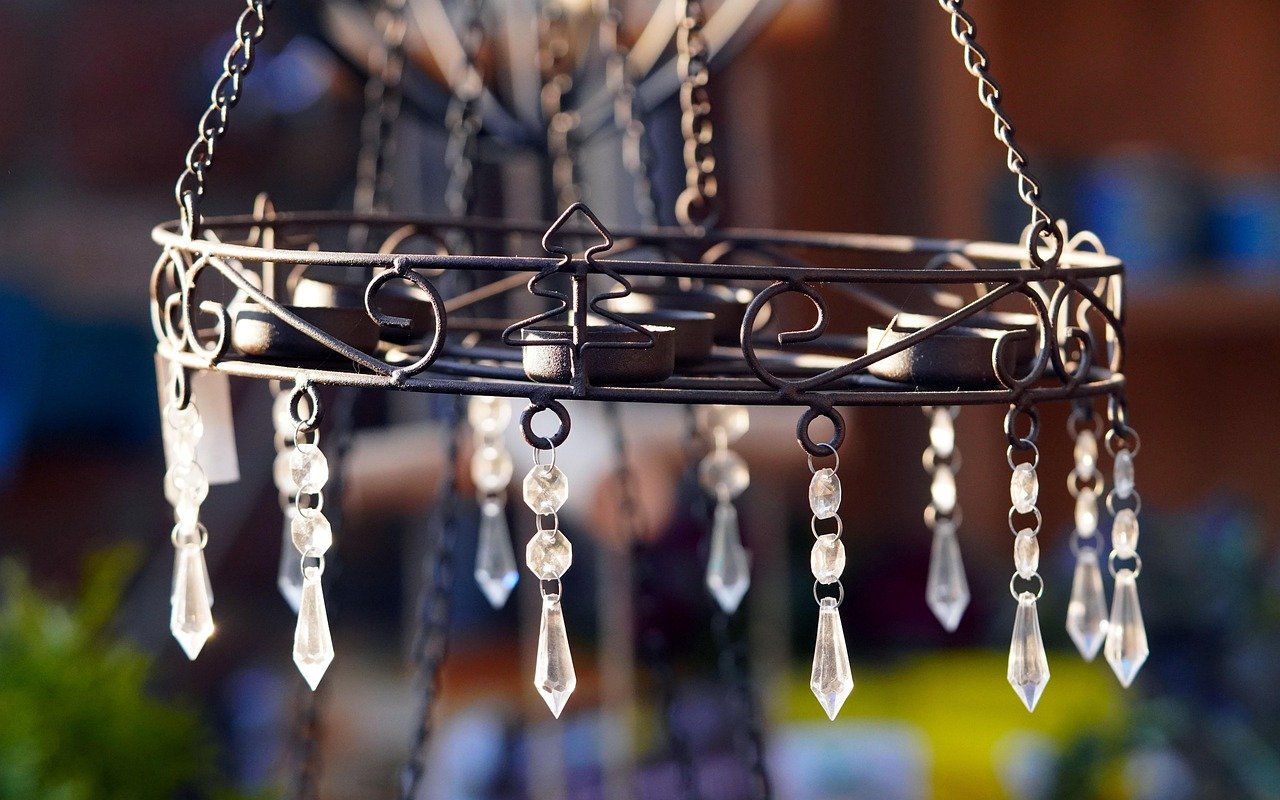
Most of what you pay for in a high-end decorative fixture is human labor and material purity. Consider what goes into the pieces that command the highest prices:
- Hand-blown glass. Murano and Bohemian glassmakers shape each shade individually, so no two are identical. Bubbles, slight thickness variations, and color shifts are hallmarks of the process, not defects.
- Cast and patinated metal. Solid brass, bronze, and hand-finished steel age differently from plated or painted alternatives. A patinated brass sconce develops character; a plated one flakes.
- Bespoke commissioning. Many luxury projects involve fixtures made to a specific dimension, finish, and output. That means design time, tooling, and a production run of one.
- Documented provenance. Designer pieces with a maker’s mark, original documentation, or a place in a design archive hold value in a way anonymous reproductions do not.
This is why auction results for mid-century designers remain one of the few hard, dated data points on the high end. When a documented piece sells, it sets a comparable that the rest of the market reacts to.
Light Quality: The Part Buyers Forget to Check
Here is the mistake almost everyone makes. A buyer falls for a fixture’s shape, buys it, and never asks what the light itself will look like. Shape is the easy part. Light quality is where luxury fixtures earn their keep. (10 CFR Part 430)
Three technical measures matter more than raw brightness:
| Metric | What It Measures | Why It Matters |
|---|---|---|
| CRI (Color Rendering Index) | How faithfully a light source shows colors, on a 0-100 scale | Low-CRI light makes wood look grey and skin look ill; high-CRI light makes materials look as intended |
| TM-30 | A newer, more detailed color rendition method using fidelity and gamut scores | Captures color shifts that a single CRI number misses, especially in saturated reds |
| Flicker percent | How much light output fluctuates per cycle | Poor drivers cause invisible flicker linked to eye strain and headaches |
A practical rule: for residential and hospitality spaces, look for a CRI of 90 or above, and ask about flicker performance rather than accepting “flicker-free” as a marketing phrase. Dimming quality belongs on the same checklist. A fixture that buzzes, steps unevenly, or drops out at low levels is not a luxury product, whatever it cost.
Color temperature is the other lever. Warm light (around 2700K to 3000K) suits living spaces and restaurants; cooler temperatures suit task areas. Tunable-white systems let one fixture shift between the two across the day, which is one of the genuine technological advances of the past decade.
How LED Changed the Design Rules
The shift from incandescent and halogen sources to LED reshaped what a fixture can be. Older sources generated serious heat, which forced metal housings, ventilation gaps, and bulky forms. LEDs run cooler and far smaller, so designers gained freedom to make fixtures thinner, curvier, and more sculptural.
The trade-off is that the electronics now matter as much as the aesthetics. Every LED fixture contains a driver, and the driver’s quality determines dimming smoothness, flicker, and lifespan. A beautiful shade on a cheap driver is a future repair job. When evaluating a fixture, ask whether the driver is serviceable and replaceable. On genuinely high-end pieces, it usually is.
Regulation has also shaped the market. In the European Union, ecodesign and energy-labelling rules for light sources phased out many halogen and fluorescent lamps, which pushed manufacturers toward LED across every price tier. Buyers in Europe should confirm that a fixture ships with compliant sources, since this affects both legality and long-term replacement options.
Where Luxury Lighting Lives: Rooms and Use Cases
Different spaces demand different approaches. The same fixture that transforms a dining room can be wrong in a hallway.
Living and dining rooms. This is where decorative pieces belong. A pendant or chandelier here is sculpture as much as light source. Layer it with wall sconces and floor lamps so the room can shift from bright to intimate.
Kitchens and bathrooms. Function leads. Under-cabinet strips, well-shielded downlights, and mirror lighting with high color rendering matter more than drama. Watch for glare: a downlight you can see directly from a seated position is badly placed.
Bedrooms. Low-glare, warm, dimmable light wins. Wall-mounted reading lights that adjust independently beat a single central fixture.
Hospitality and commercial. Hotels and restaurants commission heavily, and their cycles drive much of the high-end market. Their needs, durability under constant use and easy servicing, are worth copying at home.
Outdoor and garden. Rated fixtures with proper ingress protection and corrosion-resistant finishes. A brass lantern that patinas gracefully outdoors will outlast a painted one by years.
If lighting is part of a bigger design plan, it helps to see it alongside the rest of the picture. The same instinct that guides a thoughtful travel guide to a place like Lake Como—villas, boats, and where to stay—applies to interiors: the memorable result comes from details working together, not from one expensive object.
Layering: The Technique That Does the Heavy Lifting
Professionals almost never light a room with one fixture. They layer three types of light, and this single habit does more for a space than any individual purchase.
- Ambient light provides the general wash: ceiling fixtures, recessed downlights, or a large pendant.
- Task light supports specific activity: reading lamps, kitchen strips, desk lights.
- Accent light creates depth and drama: picture lights, sconces grazing a wall, uplights behind plants.
Then add control. Dimming every layer separately lets one room serve many moods. A dining room with independently dimmable ambient, accent, and table light feels like three rooms in one. This is also where smart systems earn their place, provided they fail gracefully, meaning the wall switch still works when the app does not.
Layering is also the honest test of whether a fixture is worth its price. A stunning pendant in an otherwise flat-lit room reads as decoration. The same pendant as part of a layered scheme reads as design.
Common Mistakes and What Actually Works
Most lighting regrets come from a short list of avoidable errors.
Buying by shape alone. Always request the photometric data or at least the CRI, color temperature, and dimming specs before committing.
Ignoring scale. A pendant that looks generous in a showroom can look tiny over a long dining table. Measure the table, the ceiling height, and the sightline from the doorway.
Skipping the dimmer conversation. Not all dimmers work with all drivers. Confirm compatibility in writing, especially with LED.
Overlighting. More fixtures do not mean better light. Fewer, better-placed sources with good control usually win.
Forgetting maintenance. Hand-blown glass and natural brass need occasional care. Ask what cleaning involves before you buy something you cannot reach.
Chasing trends. The tension between understated and showy design is real, and it shifts. A useful read on this is the difference between quiet luxury and the old money aesthetic as two distinct trends, because lighting choices tend to follow whichever mood a buyer is chasing.
What actually works is unglamorous: decide how each room will be used, layer the light, buy the best control and light source you can afford, and spend the remainder on pieces you will still want in ten years.
Sustainability and the Long View
Durability is the most credible form of sustainability in lighting. A fixture that lasts thirty years and can be repaired beats a disposable one that gets replaced three times. That logic lines up with how buyers now assess eco-luxury lodges and how to spot genuine sustainability behind the claims: verification matters more than vocabulary.
In practice, that means favoring replaceable drivers and lamps, repairable hardware, and materials that age well rather than degrade. It also means asking where and how a piece was made. Craft-intensive production is not automatically low-impact, but long service life usually is.
Conclusion
Luxury lighting is less about price than about decisions. The fixtures that justify their cost share a pattern: honest materials, skilled assembly, a light source with high color rendering and clean dimming, and a place in a layered scheme that makes the whole room work. Shape gets you in the door; engineering and control keep you happy for decades.
So the next time a fixture catches your eye, ask the unglamorous questions first. What is the CRI? How does it dim? Can the driver be replaced? Who made it, and how? Answer those, and you will buy lighting you still love long after the trend that surrounded it has moved on.
FAQ
What is luxury lighting?
Luxury lighting refers to fixtures and systems built around material quality, craft, and light performance rather than low cost. It spans decorative pieces such as hand-blown glass pendants and cast-brass sconces, and premium architectural lighting specified by designers. The defining traits are durable materials, high color rendering, smooth dimming, and repairable components.
Is expensive lighting actually better?
Often, but not automatically. Price reflects labor, materials, and brand, and a high price does not guarantee good light. The reliable markers of quality are measurable: a CRI of 90 or above, low flicker, smooth dimming, a replaceable driver, and solid hardware. Ask for specifications rather than trusting the label or the showroom setting.
What CRI should I look for in luxury lighting?
For homes and hospitality spaces, aim for a CRI of 90 or higher. Below that, wood, fabric, and skin tones start to look dull or off. For very saturated colors, such as deep reds in artwork or textiles, ask for TM-30 scores as well, since a single CRI number can hide color shifts.
Why does my LED lighting flicker when dimmed?
Flicker during dimming usually comes from a mismatch between the dimmer and the LED driver, or from a low-quality driver. Confirm dimmer compatibility with the manufacturer before buying, and choose fixtures with serviceable drivers. Visible flicker or buzzing is a defect, not a normal characteristic of LED lighting.
How much light does a dining room pendant need?
Enough to see faces and food clearly without glare, which usually means layering rather than relying on one fixture. A pendant over the table plus dimmable ambient and accent light gives flexibility. Hang the pendant low enough to feel connected to the table but high enough to keep sightlines open across it.
Can luxury lighting be sustainable?
Yes, and durability is the strongest argument. Fixtures with replaceable drivers and lamps, repairable hardware, and materials that age well stay in service for decades, which avoids repeated manufacturing and disposal. Asking about repairability and service life tells you more about sustainability than most marketing claims do.