
Luxury Hotels London: Where to Stay & What Sets Them Apart
 Abdul WadoodLast updated
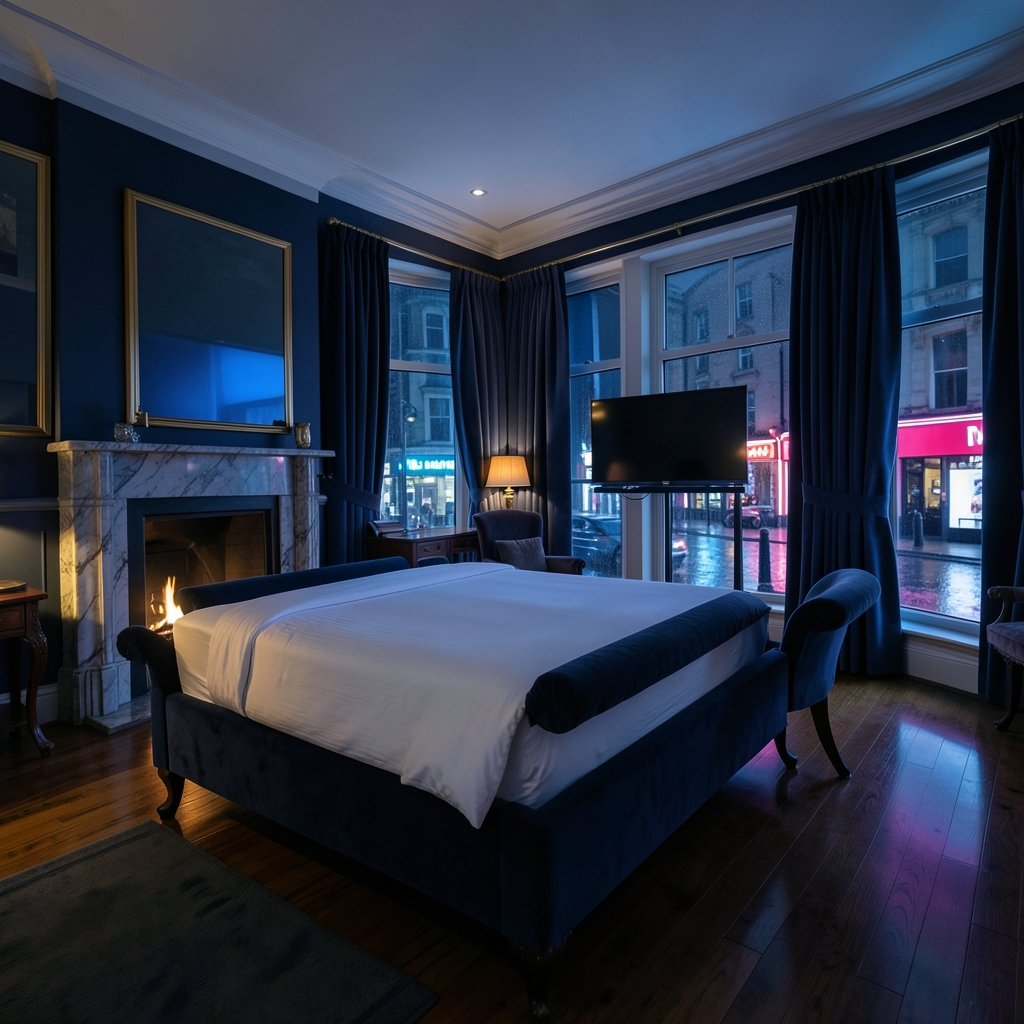
What actually separates a genuinely great London hotel stay from an expensive disappointment? The answer rarely comes down to thread count or lobby chandeliers. It comes down to location, service culture, and whether the building’s history has been handled with care or paved over. London has one of the densest concentrations of high-end hotels on earth, and the differences between them matter far more than the nightly rate suggests.
Why London’s Luxury Hotel Map Matters More Than You Think
London’s top-end hotels cluster in a handful of districts, and where a property sits shapes almost everything about the stay. Mayfair holds Claridge’s and Brown’s Hotel, both long tied to the city’s diplomatic and aristocratic life. Knightsbridge puts guests beside Hyde Park and the museum quarter. Park Lane is the address for The Dorchester, opened in 1931. St James’s and the Strand host The Ritz, which opened in 1906.
The practical consequence is simple: a hotel two streets from the right address can feel like a different city. Guests visiting for theatre want the Strand or Covent Garden. Shoppers gravitate to Mayfair and Knightsbridge. Anyone whose trip revolves around the parks or a slow morning walk will feel the difference immediately.
There is also a quieter factor. Many of these buildings are listed, meaning their facades, staircases and public rooms are protected. The Ritz London holds Grade II* listing status, one of the higher protection grades. That protects the atmosphere guests come for, but it also constrains what a hotel can change. Renovations take years and cost fortunes.
The Historic Grand Dames and What They Really Offer

The oldest properties trade on continuity, and it shows in both directions. Brown’s Hotel dates to 1837. The Savoy reopened in 2010 after a multi-year restoration that became a reference point for how heritage hotels can be modernised without being hollowed out.
What actually works in practice:
- Book a named room category, not a rate alone. Historic buildings have uneven room sizes, and two rooms at the same price can differ by half their floor area.
- Ask about renovation schedules before confirming. Heritage properties renovate in phases, and a wing under works can mean scaffolding views or closed facilities.
- Request a specific floor or orientation at booking. Park-facing and courtyard-facing rooms in the same hotel can feel like separate properties.
- Confirm dining and bar access separately. A famous restaurant inside the hotel is not automatically available to residents on a Saturday night.
A common mistake is assuming that a famous name guarantees a uniform product. It does not. The grand dames reward guests who ask questions and punish those who book purely on reputation. If the appeal is atmosphere rather than a specific brand, it helps to understand what makes hotels that feel like a destination different from properties that are merely well located.
Modern Luxury, Design Hotels and the New Wave
The last two decades added a second tier of London luxury that competes on design and service rather than heritage. These properties tend to sit in converted buildings, former offices or purpose-built towers, and they often beat the old guard on technology, gyms and room consistency.
The trade-off is character. A sleek modern hotel delivers predictable quality, but few guests remember the corridor. Older properties deliver memory and occasional frustration. Neither is objectively better; the right answer depends on whether the trip is about the city or the hotel. (Hotel rating systems explained)
For travellers weighing brands against each other, the useful comparison is rarely about stars. It is about what each brand does consistently well. A closer look at Aman versus Four Seasons and which luxury hotel brand fits your trip explains how service models and property styles differ in ways that matter over a multi-night stay.
What Star Ratings Actually Mean in the UK
Here is a fact that surprises many visitors: “luxury” has no legal definition in UK hospitality. Any hotel can use the word. Official star ratings come from the AA and from the national tourist board grading schemes, while Forbes Travel Guide stars and Michelin Keys are independent assessments with their own criteria. (VisitEngland official overview)
That means a five-star plaque and a five-star experience are not the same claim. Ratings assess facilities and standards, not whether a particular guest will love the place. A hotel can hold top marks and still be wrong for a family with young children, or for someone who wants silence at 7am.
The practical approach is to read ratings as a floor, not a ceiling. Then check the things ratings do not capture: recent guest comments about service recovery, the actual walking distance to transport, and whether the hotel’s restaurant and spa are independently run. A spa operated by a third party may have separate pricing and hours, which catches guests out regularly.
Booking Smart: Rates, Rooms and Timing
London hotel pricing swings hard with the calendar. Midweek business demand pushes rates up in Mayfair and the City. Weekends can be softer in those areas but tighter around shopping districts. Major events, from sporting fixtures to trade fairs, can distort prices for entire weeks.
A few habits genuinely help:
- Book direct when perks matter. Room upgrades and flexible cancellation are often worth more than a small online discount, but compare before assuming.
- Check the cancellation window. Many luxury rates are prepaid and non-refundable, which is a poor fit for uncertain travel.
- Ask about the actual room view. “City view” can mean a bright street or the back of an air-conditioning unit.
- Confirm club lounge access in writing. Lounge floors are often the best value in the building, and access rules vary by rate and occupancy.
- Budget for the extras. Breakfast, parking and spa entry frequently sit outside the room rate in London.
Travellers planning well ahead should note that the strongest properties release and sell their best rooms early. A look at the best hotels in the world for 2026 that luxury travellers are booking now shows how far ahead high-demand rooms are being reserved, and London follows the same pattern.
Hotel or Private Villa? The London Calculation
In cities like Bali or the Amalfi Coast, a private villa usually wins on space and privacy. London is different. Staffing, security and central location all favour hotels, and short stays rarely justify the overhead of a private rental.
That said, families and longer stays sometimes do better in serviced apartments or private homes in Belgravia or Marylebone. The trade-off is service: no concierge, no nightly turndown, no one to fix a broken shower at 11pm. A detailed breakdown of luxury villa versus luxury hotel costs, privacy and service compared is worth reading before assuming one option is cheaper.
For most London trips of three to five nights, a hotel wins. For a fortnight with children and a kitchen habit, the maths can flip.
Service, Staff and the Details That Decide a Stay
The single most reliable predictor of a great London hotel stay is not the building. It is the staff-to-room ratio and how much authority front-line staff have to solve problems.
Guests notice this quickly. A concierge who can secure a table, a receptionist who can move a room without escalation, a housekeeper who remembers a preference: these are the moments that separate a good stay from a memorable one. Hotels that centralise every decision produce polite helplessness. Hotels that trust their teams produce loyalty.
First-hand experience from frequent travellers points to a few practical tests:
- Ask a small favour at check-in. The response tells you how the next few days will go.
- Note how quickly requests are confirmed. Vague promises are a warning sign.
- Watch the lobby at peak times. Understaffed hotels show it immediately.
Practical preparation also matters more than people expect. Adapters, charging and connectivity cause more frustration in London’s older buildings than almost anything else. A guide to travel adapters for luxury hotels and what actually works in practice covers the small gear decisions that prevent a week of low-battery anxiety.
Solo Travellers, Families and Different Kinds of Trip
London luxury hotels are not one-size-fits-all. Solo travellers often get the best value in properties with strong bar and lounge scenes, where a single guest is treated as a guest rather than an inconvenience. Families need connecting rooms, early breakfasts and a location close to parks. Couples tend to prioritise atmosphere and dining.
Solo travel in particular has improved dramatically. A growing number of properties now design single-friendly rooms and experiences. For anyone travelling alone, this guide to the best luxury hotels for solo travellers and what actually works covers the practical side, from dining alone to safety and room choice.
Winter travellers have a separate set of questions. Ski-focused properties elsewhere in Europe operate on very different logic from city hotels, and understanding what separates truly great ski-in ski-out luxury hotels helps set expectations when comparing a London city stay with an alpine one.
The Heritage Question: Restoration Versus Reinvention
London’s luxury sector faces a genuine tension. Guests want authenticity, but they also want modern bathrooms, quiet air conditioning and fast Wi-Fi. Listed buildings make delivering both expensive and slow.
The Savoy’s restoration is the clearest recent case study. The project took years and drew attention precisely because it had to balance protected interiors with contemporary expectations. Hotels that handle this well keep the public rooms intact and rebuild the back of house. Hotels that handle it badly produce pastiche: old facades wrapped around generic interiors.
For travellers, the lesson is to look at when a property last renovated, not only when it was built. A hotel restored three years ago will usually outperform one coasting on reputation. Europe’s historic properties offer a useful benchmark for how this plays out across the continent, as this look at Europe’s grand hotels where historic luxury still sets the standard illustrates.
Conclusion
London’s luxury hotels reward a bit of homework. The city’s best stays come from matching the right district, the right building and the right service culture to the trip in front of you, rather than chasing a famous name or a star count. Historic properties deliver atmosphere and memory but demand specific requests. Modern hotels deliver consistency but rarely surprise. The guests who enjoy London most are the ones who ask precise questions before booking, confirm the details that matter, and treat the rating as a starting point rather than a verdict.
Frequently Asked Questions
What is the best area to stay in for luxury hotels in London?
Mayfair, Knightsbridge, Belgravia, St James’s and Park Lane hold most of the historic flagship properties. The Strand and Covent Garden suit theatre-goers. The right choice depends on whether the trip centres on shopping, parks, dining or sightseeing.
Do star ratings guarantee a luxury experience in London?
No. “Luxury” has no legal definition in UK hospitality, and star ratings from the AA and tourist board schemes assess facilities and standards rather than whether a specific guest will enjoy the stay. Ratings are a useful floor, not a guarantee.
How far ahead should I book a luxury hotel in London?
For peak spring and summer dates, three to six months is sensible, and longer for major events. The best rooms in the strongest properties sell early. Off-season and midweek dates are more forgiving.
Is a hotel or a private villa better value in London?
For short stays, hotels usually win on location, security and service. Villas and serviced apartments can make sense for families or stays beyond a week, but guests trade away concierge support and on-site problem solving.
What should I confirm before booking a historic London hotel?
Ask about renovation schedules, the exact room category and orientation, club lounge access rules, and whether the restaurant and spa are independently operated. These details affect the stay far more than the nightly rate.
Are London’s luxury hotels suitable for solo travellers?
Increasingly, yes. Many properties now cater deliberately to single guests, with lounge and bar scenes that work well for solo dining. Booking a specific room category and confirming lounge access in writing makes the biggest difference.