
Luxury Custom Home Builders: What They Do Differently
 Abdul WadoodLast updated
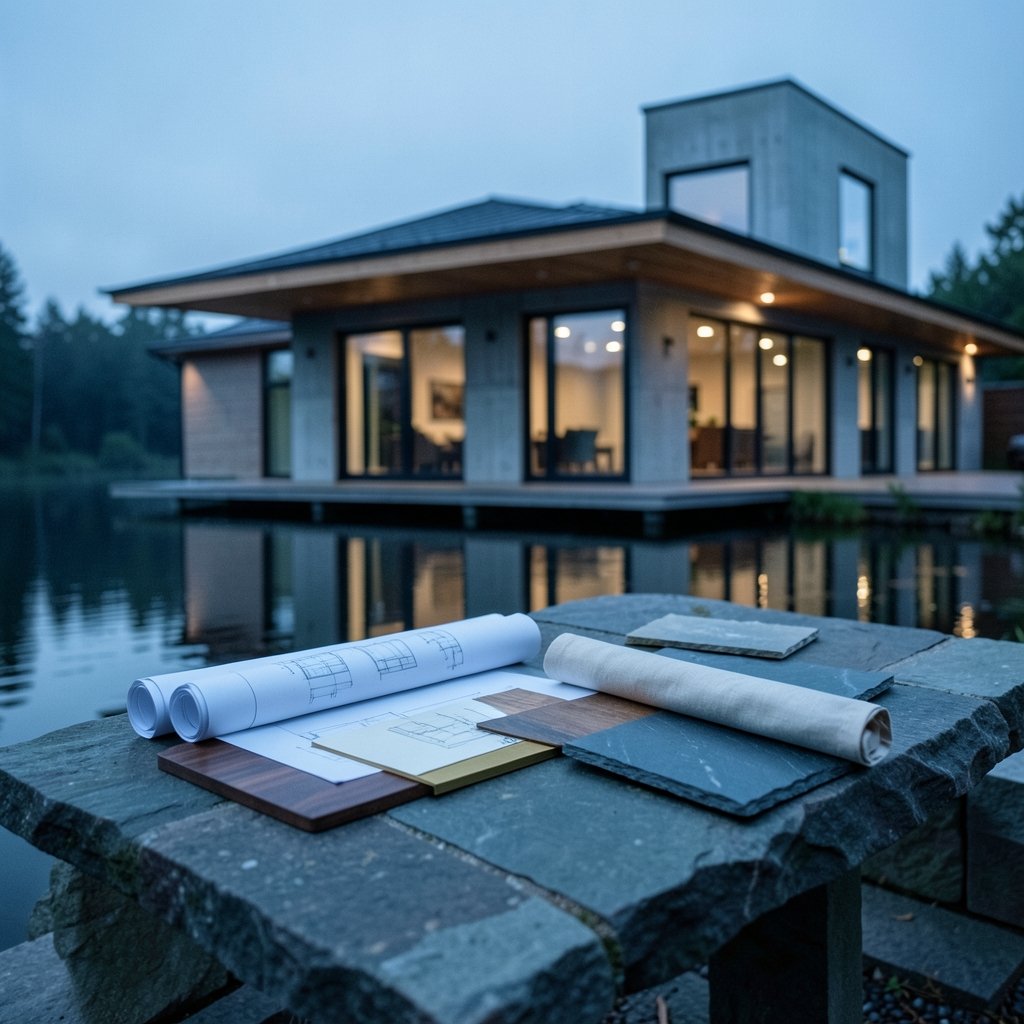
What separates a house that feels ordinary from one that feels made for you? Often, it comes down to who built it and how. Luxury custom home builders do not pull a plan off a shelf and repeat it across a subdivision. They design and construct one-of-a-kind homes for a specific client, on that client’s land, around that client’s daily life. That difference sounds simple. In practice, it reshapes everything from the first sketch to the final walkthrough, and it explains why the process costs more, takes longer, and rewards buyers who understand what they are paying for. (Best Luxury Home Fragrance Brands 2026: Top Picks)
Custom Versus Production: The Real Divide
The clearest way to understand custom building is to compare it with its opposite. A production home (also called a tract or speculative home) is built from a catalog plan, often before a buyer appears, and sold as a finished product. A custom home is commissioned. The U.S. Census Bureau’s Survey of Construction draws exactly this line, classifying homes as custom when they are built for the owner on the owner’s land rather than for sale on speculation. (Best luxury home spa features that actually earn their price)
That distinction matters because it drives nearly every other difference: cost, timeline, risk, and control. Here is how the two models stack up in practice.
| Factor | Production Home | Luxury Custom Home |
|---|---|---|
| Design | Catalog plan, limited options | One-off architecture and interiors |
| Site | Developer-selected lot | Buyer’s land or a chosen lot |
| Timeline | Predictable, often 6–10 months | Often 12–24 months or more |
| Cost certainty | Fixed package pricing | Budget ranges, allowances, change orders |
| Buyer involvement | Selections at a design center | Deep involvement throughout |
| Resale profile | Broad appeal, comparable sales | Narrower appeal, premium positioning |
Neither model is inherently better. The question is fit. A buyer who wants a three-bedroom house near good schools and a fixed price is poorly served by a custom build. A buyer with a specific lot, strong opinions about how they live, and patience for a long process is poorly served by a catalog.
What the Custom Process Actually Looks Like
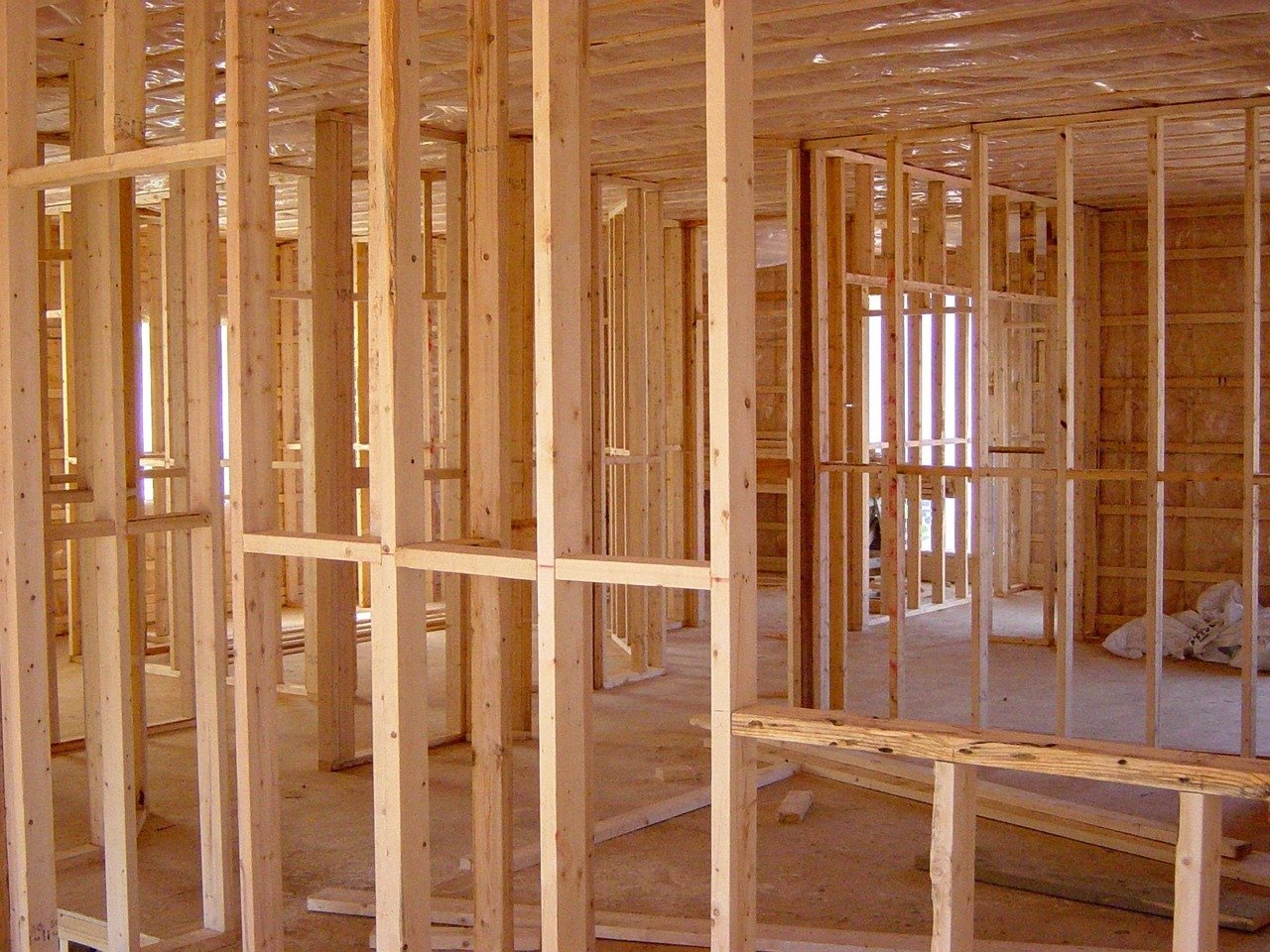
Most luxury custom builders follow a recognizable arc, even if the details vary by firm and region.
- Feasibility and site review. Before design, the builder and architect assess the lot: topography, soil, utilities, setbacks, easements, and zoning. Skipping this step is one of the most common and expensive mistakes buyers make.
- Design and pre-construction. Architects, interior designers, and the builder’s pre-construction team develop drawings, specifications, and a detailed budget. This phase can take months and is where most cost decisions are effectively locked in.
- Permitting. Local jurisdictions review plans for zoning, structural, and energy compliance. Timelines vary enormously by municipality.
- Construction. The build itself, managed by a superintendent or project manager, with scheduled client walkthroughs and selection deadlines.
- Punch list and handover. A formal closeout process, warranty documentation, and often a post-occupancy check months later.
Experienced builders will tell you the same thing: the decisions made before ground is broken determine the outcome far more than anything that happens on site. Buyers who treat pre-construction as a formality tend to pay for it later in change orders.
The Codes and Standards Behind a Well-Built Home
Luxury buyers often focus on finishes, but the invisible layers matter more for comfort, safety, and long-term value. Three regulatory threads run through nearly every custom project.
Energy code. Most U.S. jurisdictions adopt some edition of the International Energy Conservation Code, a model code published by the International Code Council. Because adoption happens state by state and city by city, requirements differ widely. A builder working across two counties may face two different envelope standards. Buyers should ask which code edition their jurisdiction enforces and how the builder plans to exceed it, since a tighter envelope affects HVAC sizing, humidity control, and indoor air quality.
Accessibility. The ICC A117.1 standard governs accessible and usable buildings and is referenced by many codes. It matters even for buyers decades from needing it, because aging-in-place features such as wider doorways, step-free entries, and reinforced bathroom walls are cheap to include during framing and expensive to retrofit later.
Lead-safe work. For renovation or demolition work in pre-1978 housing, the EPA’s Renovation, Repair and Painting Rule requires certified firms and lead-safe practices. Custom builders working on tear-downs or major additions should be able to document compliance.
Green certification is a fourth consideration. LEED for Homes and the National Green Building Standard are the two main residential programs, and both require third-party verification rather than self-declaration. Certification adds cost and paperwork, but it also creates an auditable record of performance claims, which is useful at resale.
What Luxury Buyers Are Actually Paying For
Strip away the marketing language and the premium in luxury custom building buys four things.
Attention density. A production builder’s superintendent may oversee dozens of homes at once. A high-end custom builder typically assigns far fewer projects per manager. That ratio shows up in details: aligned grain patterns, flush transitions, quiet plumbing, doors that close properly a decade later.
Material and trade depth. Custom work draws on specialists, including millworkers, plasterers, stone masons, and finish carpenters, whose schedules are booked months out. The craft is real. So is the coordination burden, which is a major reason timelines stretch.
Integration of systems. Modern luxury homes carry sophisticated mechanical, electrical, and smart-home infrastructure. Buyers comparing options should look at how smart home systems in luxury homes are specified and commissioned, because poorly integrated systems are one of the most common sources of post-move-in frustration. Wellness features deserve the same scrutiny; a practical guide to wellness features luxury homes buyers actually get is a useful reality check on what delivers daily value versus what merely photographs well.
Risk transfer. A reputable custom builder carries insurance, warranties, and a track record of finishing difficult projects. That is a real service, and it is priced accordingly.
Practical Tips That Save Money and Sanity
First-hand experience across the industry points to a handful of habits that separate smooth projects from painful ones.
- Set a budget with a contingency, then protect it. A 10–15 percent contingency is standard practice, not pessimism. Buyers who spend it on finishes during design end up making painful cuts later.
- Hire the builder before finalizing the design. Builders who join early can price systems and assemblies as they are drawn. When the builder arrives after the drawings are complete, the value-engineering conversation becomes adversarial.
- Ask for a written scope with allowances spelled out. Vague allowances for lighting, tile, or appliances are where budgets quietly break.
- Verify licensing and insurance directly. Contractor licensing is handled at the state level in the U.S., and there is no single national license. Requirements for exams, experience, insurance, and bonding differ by state, so check the state licensing board rather than relying on a brochure.
- Put everything in writing. Residential construction contracts and warranty rules are governed by state law, and some states require written contracts above a dollar threshold. A clear contract with a change-order procedure protects both sides.
- Visit a finished home and talk to its owner. Not a model home. A real, occupied project from three or more years ago tells you how the builder handles callbacks.
A related consideration for buyers furnishing a new build is how bespoke pieces get commissioned. Understanding the made-to-order luxury buyer’s guide to custom craftsmanship helps set realistic expectations on lead times and deposits for furniture and millwork that must match the house.
Common Mistakes Buyers Make
The same errors appear again and again, and most are avoidable.
Choosing on price per square foot. Custom homes are not comparable commodities. A low per-square-foot bid often reflects thinner specifications, not efficiency. Compare line-item scopes instead.
Underestimating the soft costs. Architecture, engineering, permits, surveys, and interior design frequently add 15–25 percent on top of construction. Buyers who budget only for the build are surprised early.
Treating selections as a later problem. Late tile or lighting choices stall schedules, and stalled schedules cost money. Builders who set hard selection deadlines are doing clients a favor.
Ignoring the labor market. Skilled-trade shortages in residential construction have been widely reported since the 2008 downturn, and they affect scheduling and pricing. A builder who is candid about trade availability is more trustworthy than one who promises everything instantly.
Skipping the punch list. A rushed closeout leaves small defects to become large ones. Insist on a documented walkthrough and a warranty binder.
How to Evaluate a Luxury Custom Builder
A shortlist should be built on evidence, not showrooms.
| What to Check | Why It Matters |
|---|---|
| Years in the local market | Familiarity with inspectors, trades, and soil conditions |
| Comparable completed projects | Proof of capability at your scale and style |
| Financial stability | Unfinished projects are the worst outcome |
| Change-order process | Predictability when scope shifts |
| Warranty terms in writing | Clarity on what is covered and for how long |
| References from past clients | The most reliable signal available |
Ask each finalist the same questions and compare answers side by side. Vague answers about schedule, budget discipline, or subcontractor relationships are a warning.
Conclusion
Luxury custom home builders sell something harder to measure than square footage: a house shaped around one household’s life, built by people who sweat the invisible details. The premium is real, and so is the risk. Buyers who understand the difference between custom and production work, who engage a builder early, who respect the codes and standards that govern performance, and who verify licensing and contracts rather than trusting a brochure will get far more of what they are paying for. The house is the headline. The process is the story.
Frequently Asked Questions
How long does it take to build a luxury custom home?
Most projects run 12 to 24 months from design start to move-in, and complex builds take longer. Design and permitting alone can consume six to twelve months depending on the jurisdiction and the scope. Builders who quote a construction-only timeline without explaining the pre-construction phase are giving an incomplete answer. (Introduction to Indoor Air Quality)
Is a custom home more expensive per square foot than a production home?
Yes, generally, though the gap varies widely by market and specification level. The premium reflects one-off design, higher-grade materials, specialized trades, and more management attention per project. Comparing per-square-foot figures across the two categories is misleading because the underlying scopes differ so much.
Do I need my own land before hiring a custom builder?
Usually, yes, since custom homes are typically built for the owner on the owner’s land. Some builders help clients evaluate and acquire lots, and a few offer owned lots. Either way, a site review covering topography, utilities, zoning, and setbacks should happen before design begins.
What licenses should a luxury custom builder hold?
Licensing is state-level in the U.S., with no single national license, and requirements for exams, experience, insurance, and bonding differ by state. Verify credentials with the state licensing board and confirm insurance and workers’ compensation coverage directly rather than relying on marketing materials.
How much contingency should I budget?
A contingency of 10 to 15 percent of construction cost is a common and sensible range. It covers unforeseen site conditions, price changes, and mid-project adjustments. Treating contingency as spending money during design is one of the most common ways budgets collapse.
Can a custom builder work with my own architect?
Many do, and the arrangement can work well when roles and responsibilities are defined in writing. The key is early involvement: a builder who joins during design can price systems and assemblies as they are drawn, which reduces later value-engineering conflicts. Clarify who holds the contract with the architect and who manages design changes.