
Luxury Cars: What Buyers Get, Pay & Watch For
 Abdul WadoodLast updated
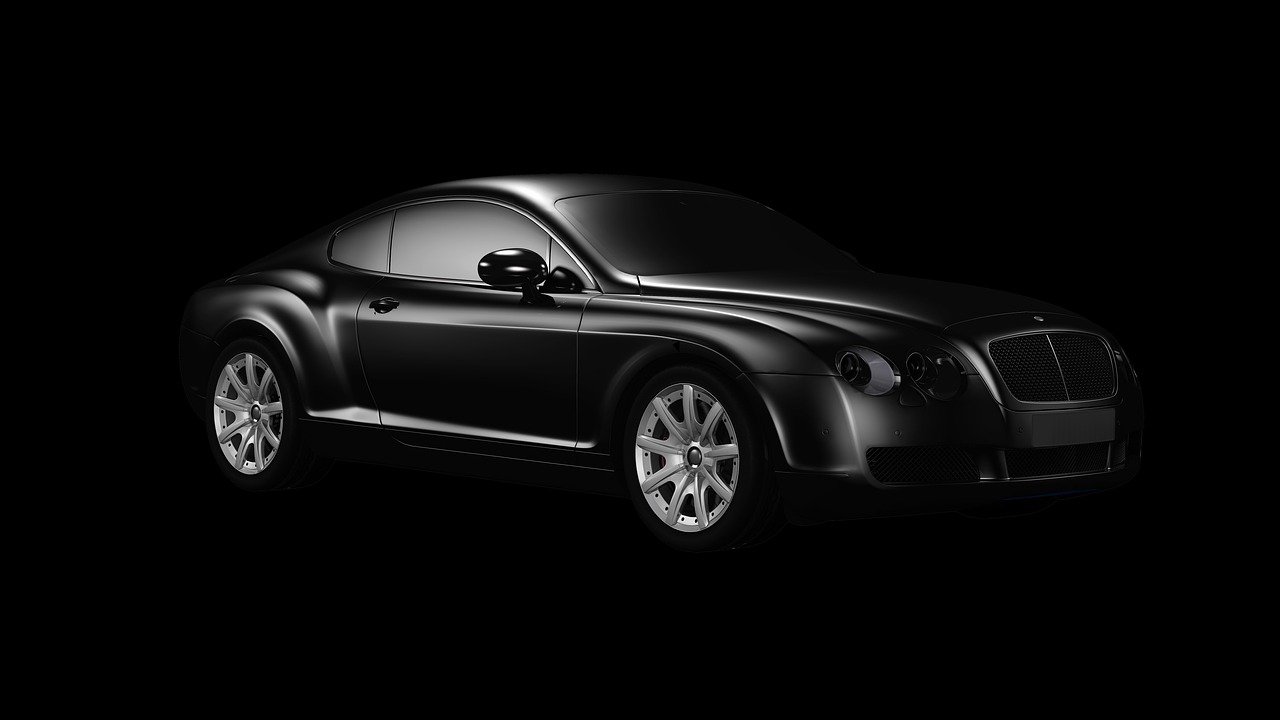
Rolls-Royce delivered 6,032 cars in 2023, its highest annual total in the marque’s 120-year history. That number is tiny next to Toyota’s output, yet it says a lot about how the luxury car business works. These are not mass-market products scaled up. They are low-volume machines sold on scarcity, craft, and the promise that almost nothing about them is ordinary.
That promise comes with real trade-offs. Depreciation, running costs, repair logistics, and rapid technology turnover all behave differently in this segment. This guide breaks down what actually separates a luxury car from an expensive one, what the major tiers offer, and the mistakes buyers make when they cross into this market for the first time.
What Makes a Car a Luxury Car?
Price alone does not do it. A fully loaded mainstream SUV can pass $70,000 and still not be a luxury car in any meaningful sense. The distinction rests on a few structural factors.
Exclusivity of production matters most. Brands like Ferrari, Bentley, and Rolls-Royce build in the thousands, not the hundreds of thousands. Low volume supports hand finishing, bespoke programs, and a level of customer service that mass manufacturers cannot economically provide.
Materials and assembly come next. Hand-stitched leather, open-pore wood veneers matched across panels, and paint processes involving multiple hand-polished layers are standard rather than optional. So is sound insulation engineered to near silence at highway speed.
Bespoke commissioning is the third pillar. Buyers routinely specify paint, hide color, stitching, inlays, and embroidery. Some programs go further, allowing one-off builds. This customization is a large part of why two cars of the same model can differ by six figures in price.
The modern definition has also shifted. As the piece on the new language of modern luxury argues, buyers now weigh restraint, sustainability, and digital experience alongside leather and chrome. Quiet quality has replaced obvious bling in many segments.
The Tiers of the Luxury Car Market

The word “luxury” covers wildly different products. Understanding the tiers prevents expensive confusion.
| Tier | Typical Brands | Price Range (New) | Annual Volume | Buyer Profile |
|---|---|---|---|---|
| Premium | BMW, Mercedes-Benz, Audi, Lexus, Volvo | $45,000–$120,000 | Hundreds of thousands per brand | Professionals upgrading from mainstream |
| Performance luxury | Porsche, Maserati, AMG, M Division | $90,000–$250,000 | Tens of thousands | Enthusiasts who drive hard |
| Ultra-luxury | Rolls-Royce, Bentley | $250,000–$600,000+ | Hundreds to low thousands | Chauffeur-driven or collector buyers |
| Exotic / hypercar | Ferrari, Lamborghini, McLaren, Bugatti | $250,000–$3 million+ | Hundreds to ~13,000 | Collectors and status buyers |
The gaps between tiers extend beyond speed. A premium sedan and an ultra-luxury sedan may both cruise comfortably at 80 mph, but the ownership experience, service model, and depreciation curve are completely different worlds.
Where the Money Actually Goes
Buyers often assume the sticker price reflects engineering. In practice, a large share goes to things that never appear on a spec sheet.
Hand labor is the biggest line item. A Rolls-Royce steering wheel can take hours of hand-stitching. A Bentley veneer set is book-matched from a single tree so the grain flows continuously across the dashboard.
Bespoke content drives price variability. A standard paint is one cost; a bespoke color matched to a client’s sample is another. Inlays, embroidery, and personalized treadplates add up fast.
Dealer and service infrastructure carries a premium too. Low-volume brands maintain fewer service points, and technicians need specialized training. That cost gets baked into both the car and every visit.
Brand investment rounds it out. Racing programs, heritage departments, and flagship showrooms are funded by margins on the cars themselves.
The Ownership Reality: Costs Nobody Warns You About
This is where first-time buyers get surprised. The purchase is the easy part.
Depreciation is brutal at the top and gentler in the middle. Ultra-luxury sedans from volume-adjacent brands can lose half their value in five years. Meanwhile, limited-production sports cars sometimes appreciate, which is why allocation lists exist. Treat depreciation as model-specific, not segment-wide.
Maintenance runs multiples of mainstream costs. Expect scheduled service in the four figures for ultra-luxury models. Consumables like tires and brake rotors are priced for the car’s performance envelope, not its mileage. Carbon-ceramic brakes, common on performance models, can cost five figures to replace.
Insurance and repair logistics add friction. Specialized body panels may ship from Europe. A minor parking incident can mean weeks off the road. Independent specialists help, but only if one exists near you.
Technology ages faster than the car. Infotainment systems in low-volume models often lag mainstream units by years. A 2019 luxury sedan may have a less capable screen than a 2024 economy car. Buyers who care about software should check update policies before committing.
Practical tip: before buying, price a full set of tires, a major service, and an insurance quote for your specific postcode. If those three numbers feel uncomfortable, the car is probably outside budget even if the sticker works.
The Electric Transition in Luxury Cars
Electrification has arrived unevenly. Mass-market brands pushed EVs early because of fleet emissions rules and volume economics. Luxury and exotic makers moved slower, partly because their customers valued sound and character, and partly because low-volume manufacturers face different regulatory pressure.
The direction is now clear. Most luxury brands have announced electric lineups, and several ultra-luxury marques have confirmed fully electric flagship models. Performance brands are grappling with how to make an EV feel special when instant torque is no longer a differentiator. Some are investing in simulated sound, torque-vectoring chassis tuning, and weight reduction to preserve character.
The practical effect for buyers is a widening split. Electric luxury cars offer silent cruising, low running costs, and instant response. Combustion luxury cars offer emotional engagement and, in some cases, better residuals as supply shrinks. Neither is universally better; the right answer depends on whether you value the experience or the running costs more.
For a closer look at how driving experience is being redefined, the cars built around experience is worth reading alongside this section.
What to Check Before You Buy
A disciplined process separates good purchases from regretted ones.
- Verify the service history in writing. Low-mileage cars that sat unused can have perished seals, flat-spotted tires, and stale fluids. Sitting is not the same as caring.
- Confirm the options list against the VIN. Bespoke content is hard to value secondhand, and sellers sometimes overstate it. Get the build sheet.
- Price consumables before you commit. Tires, brakes, and the next major service. Ask the dealer for a written estimate.
- Check recall and campaign status. Low-volume models sometimes have open campaigns that take months to resolve.
- Get a pre-purchase inspection from a marque specialist. Not a general mechanic. The specialist knows the model’s known failure points.
- Run an insurance quote with the VIN, not the model name. Trim and options change premiums significantly.
Common mistake: buying on emotion at the first viewing. Luxury cars are engineered to seduce. Walk away for 48 hours, then decide. The car will still be there, or a better one will.
Design, Craft, and the Collector Angle
Craft is the segment’s core product. Paint depth, panel gaps, and stitch consistency are inspected by buyers who notice. That is also why condition matters so much at resale: a single repainted panel can cost thousands in value on a collector car.
Collectors increasingly treat certain luxury models as assets. Limited-production runs, final editions of combustion models, and cars with documented provenance trade above sticker. But this is a narrow slice of the market. Most luxury cars are depreciating consumer goods, and buying them as investments is a well-documented way to lose money. The safer framing is enthusiast ownership: buy the car you will actually drive and enjoy, and treat any appreciation as a bonus. (Luxury car)
The broader shift toward design-led, experience-first ownership is covered in the future of luxury living, which explores how expectations around craft and personalization are changing across the category.
How to Choose Between the Main Contenders
A few practical comparisons help narrow the field.
If comfort and presence matter most, ultra-luxury sedans from Rolls-Royce and Bentley deliver a ride quality and cabin atmosphere that performance brands do not attempt. The trade-off is size, running costs, and a driving experience designed for passengers.
If driving engagement matters most, Porsche, Ferrari, and McLaren sit at the top. Porsche is the most usable day to day; Ferrari and McLaren trade practicality for occasion.
If you want a single car for everything, premium and performance-luxury models are the pragmatic choice. A well-specified Porsche or a high-end Mercedes-Benz covers commuting, long trips, and weekend drives without the logistics of a low-volume exotic.
If running costs are a priority, electric premium models win clearly. Lower energy costs, fewer moving parts, and reduced servicing add up over five years.
For readers comparing across body styles and powertrains, the Voozon cars section covers reviews and comparisons in more depth, and the luxury resorts feature shows how the same design language extends into hospitality.
Conclusion
Luxury cars are less about speed and more about intention. The segment rewards buyers who understand what they are paying for: hand labor, exclusivity, bespoke content, and a service model built around few customers rather than many. It punishes buyers who assume a high sticker price guarantees low running costs or strong residuals.
The practical playbook is simple. Decide which tier actually fits your use case. Price the consumables and insurance before you commit. Get a specialist inspection. And buy the car you will drive, not the one you hope will appreciate. Do that, and the experience lives up to the promise. Skip it, and the maintenance bills will be the only thing that feels bespoke.
Frequently Asked Questions
What qualifies a car as a luxury car?
Production volume, materials, assembly methods, and bespoke options matter more than price alone. Hand-finished interiors, low build numbers, and configurable specifications separate luxury cars from expensive mainstream models.
How much does it cost to maintain a luxury car?
Scheduled service for ultra-luxury models typically runs into four figures per visit, and consumables like tires and brakes are priced for performance. Performance models with carbon-ceramic brakes can face five-figure replacement costs. Always get a written estimate before buying. (National Highway Traffic Safety Administration)
Do luxury cars hold their value?
It varies sharply by model. Limited-production sports cars sometimes appreciate, while high-volume luxury sedans can lose half their value in five years. Depreciation should be assessed per model, not per segment.
Are luxury cars reliable?
Many are mechanically robust, but low-volume models can have longer repair waits and fewer service points. Reliability depends heavily on the specific model and how well it has been maintained. A specialist inspection is essential.
Is buying a used luxury car a good idea?
It can be, if you budget for maintenance and verify service history. The biggest risks are deferred maintenance, stale fluids from long periods of disuse, and expensive consumables due shortly after purchase.
Are luxury brands switching to electric?
Yes, most have announced electric lineups, though timing varies by brand and several have shifted dates. Ultra-luxury and exotic makers moved slower than mass-market brands, and some plan to keep combustion options alongside EVs.
The FAQ answers above reflect the segment’s core tension: prestige is affordable to acquire and expensive to sustain. Buyers who succeed in this market are the ones who treat the purchase as the start of a relationship rather than the end of a transaction. They read build sheets, budget for consumables, and choose specialists before they need them. That discipline is unglamorous, but it is exactly what separates a rewarding ownership experience from an expensive lesson. Luxury, in the end, is not a price point. It is the quality of attention a car demands and rewards.