
Luxury Bedroom Sets: What You Get for the Price
 Abdul WadoodLast updated
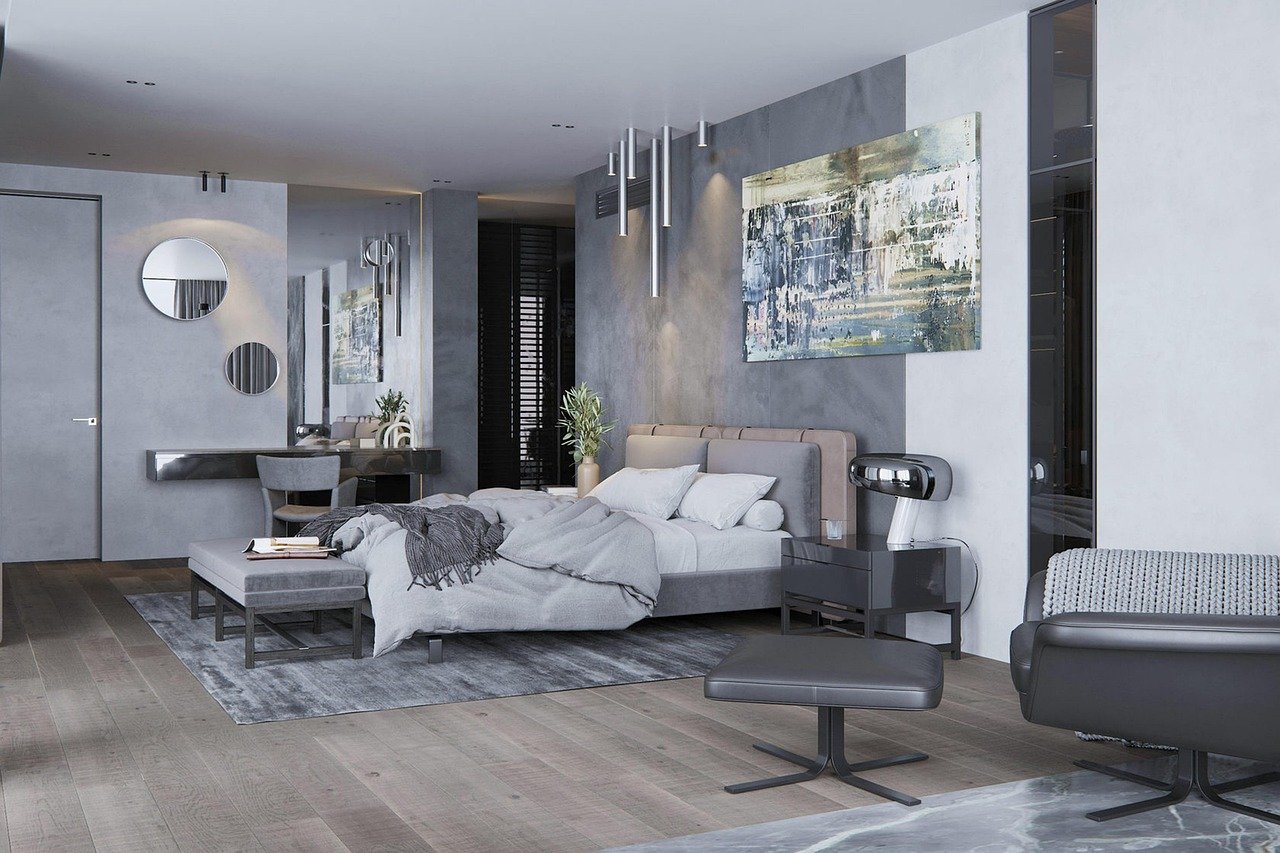
What separates a bedroom set that feels special on day one from one that still feels special after a decade of nightly use? The answer is rarely the marketing. It comes down to wood species, joinery, finish chemistry, hardware, and how honestly the seller describes all four. This guide walks through what a luxury bedroom set really is, where the money goes, and how to tell a genuinely well-made grouping from a handsome catalog photo. (Best Korean Luxury Beauty Brands: Top Picks & Guide 2026) (Bedroom)
What Counts as a Luxury Bedroom Set?
The phrase gets used loosely. In practice, a bedroom set is a coordinated group of case goods and a bed, typically including:
- A bed frame and headboard (upholstered, wood, or metal)
- One or two nightstands
- A dresser, often with a mirror or a chest of drawers as an alternative
- Occasionally a bench, armoire, or vanity
What pushes a set into luxury territory is not the number of pieces but the standard behind them. Solid hardwood rather than veneered particleboard, dovetail drawer joints rather than stapled boxes, soft-close or hand-fitted glides, and a finish that has been rubbed and cured rather than sprayed and shipped. The category also overlaps with the broader luxury market’s shift toward fewer, better objects, which is the same logic behind a conscious luxury approach to buying better rather than more. (Bentley Cars: What Sets Them Apart From Other Luxury Brands)
It helps to think in tiers. The table below is a rough map of what buyers encounter, based on typical construction differences rather than any single brand.
| Tier | Typical Core Materials | Joinery and Hardware | Expected Lifespan |
|---|---|---|---|
| Mass market | MDF, particleboard, thin veneer | Staples, cam locks, basic side glides | 5 to 10 years |
| Mid market | Plywood cases, some solid wood | Dowels, screws, upgraded glides | 10 to 15 years |
| Premium | Solid hardwood cases and fronts | Dovetails, mortise and tenon, soft-close | 15 to 25 years |
| Luxury and heirloom | Kiln-dried hardwood, hand-selected veneers | Hand-cut dovetails, solid brass, hand-finishing | 25 years plus, often refinishable |
Where the Money Actually Goes
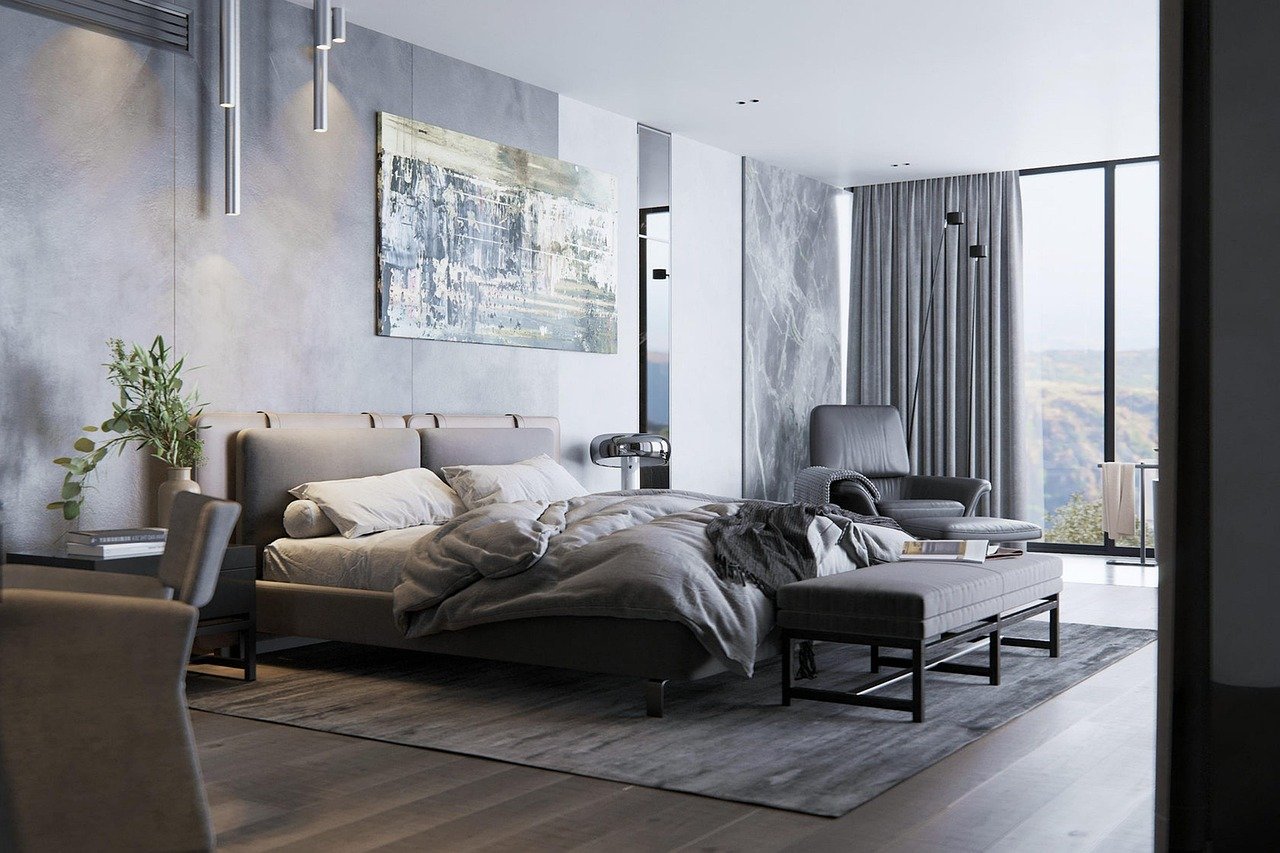
Buyers often assume the price sits mostly in the design. In reality, the cost drivers are quieter.
Wood species and moisture content
Hardwoods such as walnut, white oak, cherry, and mahogany cost far more than rubberwood or pine, and they behave differently over time. Wood that has been properly kiln-dried to a stable moisture content resists the seasonal swelling and shrinking that causes drawer fronts to stick and panel seams to open. Cheap sets skip that step, and the symptoms show up two winters later.
Joinery
A dovetail drawer joint interlocks angled pins and tails so the box resists pulling apart. It takes skill and time. A stapled or nailed box takes seconds. Since drawers are what you touch every single day, this is the single most useful thing to inspect in person.
Finish
A hand-rubbed or catalyzed lacquer finish, built up in multiple thin coats, protects the surface and can be repaired. Thin factory sealers chip and cannot be spot-fixed. Ask what the finish is, how many coats, and whether the maker offers touch-up materials.
Hardware
Solid brass and hand-forged pulls age gracefully. Zinc alloy pulls with a brass-colored plating flake at the edges. On upholstered headboards, look at the density of the foam and the tightness of the seams rather than the fabric name alone.
Construction Details Worth Checking in the Showroom
A showroom visit is a test, not a tour. Practical checks that separate the tiers quickly:
- Open every drawer and look at the joint at the front corner. Dovetails or box joints are a good sign; staples are not.
- Pull the drawer all the way out and press down on the front panel. Flex means a thin box.
- Run a hand along the inside of a drawer. Rough, unsanded interiors snag clothing and signal corners cut elsewhere.
- Smell the interior of a case piece. A sharp chemical odor often points to heavy adhesive use and insufficient curing.
- Lift one corner of a nightstand. Genuine hardwood is heavy; hollow construction is not.
- Check whether the bed frame includes a proper center support and slat system, or whether you will need to buy one separately.
- Ask for the specification sheet in writing, including species, finish type, and hardware material.
A common mistake is falling for a set that photographs beautifully but uses veneer over honeycomb core. Veneer itself is not the enemy; fine furniture has used it for centuries to achieve consistent grain. The problem is thin veneer over a hollow core, which cannot be refinished or repaired.
How a Set Compares With Buying Pieces Individually
Sets offer coordination and often a discount, but they lock you into one maker’s proportions. Matching a luxury set to a room with an awkward wall or a sloped ceiling can be harder than mixing pieces. A few trade-offs:
- Coordination: A set guarantees the finishes match, which matters in a small room where everything is visible at once.
- Flexibility: Individual pieces let you size the dresser to the wall and choose a headboard height that suits the ceiling.
- Resale and repair: Single pieces from established makers are easier to match later if something is damaged.
- Budget: Sets usually cost less than the sum of equivalent individual pieces, but only if you actually need every item.
If the room is generous and the architecture is calm, a full set reads as intentional. If the room is tight, consider buying the bed and nightstands as a pair and choosing the storage separately.
Materials, Health, and Indoor Air
New furniture off-gasses, and bedrooms are where people spend a third of their lives with the door closed. Buyers who care about this usually ask three questions: what adhesives were used, what the finish contains, and whether the manufacturer publishes emissions information.
Formaldehyde is the compound most often discussed, because it is used in some composite wood adhesives and in certain textile treatments. Many manufacturers now offer low-emission panels, and some publish third-party test results. If a seller cannot answer basic questions about adhesives and finishes, that silence is information. The same scrutiny applies to textiles: a headboard or bedding set marketed as natural may still carry stain treatments or flame retardants worth asking about.
There is a broader principle at work here. Durable furniture that can be repaired and refinished is inherently a lower-waste purchase than a set that gets replaced every seven years, which is why the best eco-luxury lodges and hotels tend to specify solid, refinishable case goods rather than disposable ones. The parallel with hospitality is instructive: hotels that expect a room to survive a decade of guests buy on construction, not on trend. (Europes grand hotels where historic luxury still sets)
Style Directions That Age Well
Trends move, but a few directions hold up because they are rooted in proportion rather than novelty.
- Warm minimalism. White oak or walnut in simple slab fronts, no visible hardware, low-profile bed. Ages well because there is nothing to date.
- Upholstered and quiet. A tall, tightly tailored headboard in a neutral performance fabric, paired with wood case goods. This direction pairs naturally with the same sensibility behind the quietest luxury cars, where the goal is calm rather than announcement.
- Heritage revival. Fluted details, brass hardware, and darker finishes. Beautiful, but heavier in a small room.
- Modernist. Chrome, glass, and lacquer. Striking, and the least forgiving of scratches.
For buyers drawn to a specific design language, it helps to study how established houses build a coherent identity over decades. The Valentino brand history from a small Rome atelier to a global luxury name is a useful case study in how consistency of craft, rather than novelty, builds lasting value.
Common Mistakes Buyers Make
A few patterns show up again and again.
Buying the bed before measuring the room. Headboard height, mattress depth, and clearance for nightstand drawers all interact. Tape the footprint on the floor first.
Ignoring the delivery path. A king bed frame that will not turn a stair landing is an expensive problem. Measure the tightest corner as well as the room.
Skipping the mattress in the budget. A luxury frame with a tired mattress defeats the purpose. Allocate accordingly.
Assuming a brand name equals construction quality. Some heritage names license their labels to mass-market lines. Ask who actually built the piece.
Overlooking care instructions. A finish that needs an oil treatment twice a year is fine if you will do it, and a poor choice if you will not.
Matching the Set to the Room
Scale is where most expensive purchases go wrong. In a room under about twelve feet square, a tall headboard and a wide dresser can crowd the space. In a large room, undersized furniture looks lost. A useful rule: leave at least thirty inches of walking space at the foot of the bed and twenty-four inches in front of drawer banks.
Light matters too. Dark finishes absorb light and can make a small room feel tighter, while pale woods and upholstered headboards soften a space. If the room gets little natural light, consider a lighter finish and a mirror placed to bounce what light there is.
Conclusion
A luxury bedroom set is less about a label and more about a series of honest decisions: kiln-dried hardwood, dovetailed drawers, a finish that can be repaired, hardware that ages well, and a seller who will put the specification in writing. Get those right and the set will outlast several mattresses, a few paint colors, and at least one change of taste. Get them wrong and you will be shopping again in seven years. Measure first, inspect the drawers, ask about adhesives and finishes, and buy the construction rather than the photograph.
Frequently Asked Questions
What is the difference between a luxury bedroom set and a premium one?
The line is blurry, but luxury sets typically use hand-cut joinery, solid brass hardware, and hand-applied finishes, and they are built to be refinished rather than replaced. Premium sets often use solid wood and good joinery but rely on machine-cut joints and plated hardware. The practical test is repairability: can the surface be restored and the hardware replaced in ten years?
How much should a quality bedroom set cost?
There is no single number, because a five-piece set and a three-piece set are different purchases. What matters is the ratio of cost to construction. If two sets differ by a large margin, ask what accounts for it: species, joinery, finish, or hardware. A seller who can answer specifically is usually selling the better product.
Is veneer a sign of low quality?
No. High-quality veneer over a stable core is a legitimate technique used in fine furniture for centuries, and it allows consistent grain patterns that solid wood cannot always provide. The warning sign is thin veneer over a hollow core, which cannot be sanded or repaired. Ask about veneer thickness and core material. (Volatile Organic Compounds’ Impact on Indoor Air Quality)
How can I check build quality without visiting a showroom?
Request a written specification sheet listing wood species, joinery type, drawer glide brand, hardware material, and finish system. Ask for close-up photos of an open drawer corner and the underside of a case piece. A maker confident in its construction will supply these without hesitation; reluctance is a useful signal.
Do luxury bedroom sets hold their value?
Generally they depreciate like most furniture, but well-made pieces from established makers hold value better because they can be repaired and because buyers recognize the construction. The strongest resale tends to come from single, iconic pieces rather than full matched sets, which are harder to fit into another room.
How long should a well-made bedroom set last?
With solid hardwood construction, dovetailed drawers, and a finish that can be refreshed, twenty-five years or more is realistic, and many pieces will outlast that with minor hardware replacement. The variables that shorten lifespan are moisture swings, direct sunlight, and heavy use of abrasive cleaners rather than the furniture itself.