
Luxury Ball: Dress Code, Venue & Fundraising Guide 2026
 Abdul WadoodLast updated
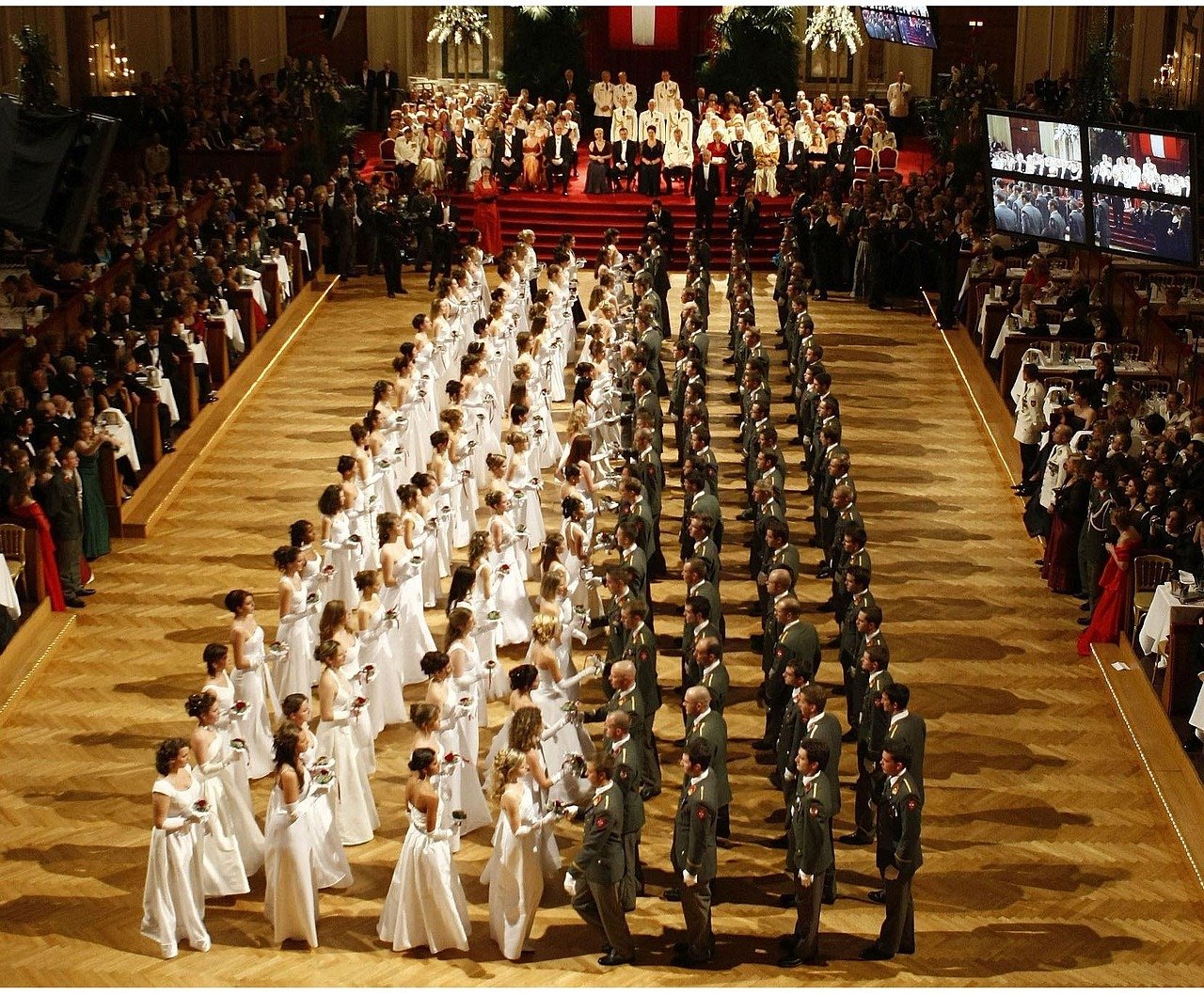
What separates a charity gala from a plain hotel banquet? Often, it comes down to a single word: luxury. A luxury ball is a formal, ticketed social event built around high-end venue, catering, entertainment, and dress, usually staged to raise money or celebrate an institution. Yet the term has no fixed definition. It can mean a white-tie fundraiser, a fashion-house party, or a debutante tradition with centuries behind it. This article unpacks what actually makes a ball feel luxurious, how the money works, and where organizers most often get it wrong.
What Counts as a Luxury Ball?
A ball, in the traditional sense, is a large social dance event. The form grew out of European court culture, where dancing, rank, and display were tightly linked. The modern charity gala ball, ticket-driven and sponsor-supported, is mostly a twentieth-century invention, especially in the United States and Britain after 1945. (Ball (dance)))
“Luxury” is not an official category. No standards body certifies a ball as luxurious. In practice, the label rests on a cluster of signals:
| Signal | What Buyers Notice |
|---|---|
| Venue | Historic halls, museums, private estates, landmark hotels |
| Catering | Plated multi-course menus, named chefs, paired wines |
| Dress code | White tie or black tie, strictly enforced |
| Entertainment | Live orchestra, headline performer, professional dance floor |
| Guest list | Patrons, sponsors, public figures, press coverage |
| Production | Lighting design, florals, printed stationery, photography |
When several of those signals stack up, guests describe the night as luxurious. When only one does, they notice. A grand room with mediocre food reads as expensive, not luxurious. A modest room with flawless service often reads as the opposite.
The Dress Code Is the Backbone

Nothing shapes the feel of a luxury ball more than its dress code. White tie is the most formal standard in Western evening dress: tailcoat, stiff-fronted shirt, white bow tie, and full evening gown for women. Black tie sits one step below, with a dinner jacket and black bow tie. Both codes are codified conventions rather than laws, which is why enforcement varies.
The practical rule for guests is simple: follow the invitation exactly. Organizers who write “black tie” and then welcome open collars dilute the room. Organizers who write “white tie” and provide a cloakroom, valet parking, and clear arrival instructions get a better-dressed, calmer crowd. Etiquette guides are useful here, but the invitation always outranks general advice.
Common mistakes guests make:
- Treating “black tie optional” as “anything goes” and arriving in a business suit.
- Wearing a long gown to a cocktail-attire event and feeling overdressed all night.
- Skipping the coat check and carrying a bulky bag onto the dance floor.
- Ignoring shoe comfort. Four hours standing on marble is its own test.
How the Money Actually Works
Most luxury balls are fundraising vehicles, and the economics are less glamorous than the room. Revenue typically comes from four streams: ticket sales, table sponsorships, live and silent auctions, and direct donations. Costs run high, since venues, catering, entertainment, and production all scale with ambition.
The critical metric is net proceeds, not gross. A ball that raises a million and spends seven hundred thousand is a weaker event than one that raises four hundred thousand and spends eighty. Organizers who track cost-per-attendee and net-per-guest make better decisions than those who chase headline totals.
Fundraising totals are event-specific and not centrally tracked, so any figure should come from the organizer’s own reporting. In England and Wales, charity fundraising is regulated, and organizers are expected to follow Charity Commission guidance on fundraising practice, including how costs and proceeds are described to donors. Similar disclosure expectations exist in most jurisdictions. Guests who care where their money goes can simply ask for the net figure. A confident organizer will have it ready.
Sponsorship and the Brand Question
Luxury brands sponsor balls for access, not altruism. A fashion house that dresses the room, a watchmaker that hosts the after-party, a champagne house that pours at arrival: each buys visibility in front of an audience with means. This is well documented in arts and fashion fundraising, though the specific terms of any deal stay private.
For organizers, sponsorship is a trade. Cash and in-kind support lower costs, but brand involvement shapes the guest experience. Too many logos and the evening feels like a trade show. Too few and the budget collapses. The events that get this right treat sponsors as set dressing rather than signage, giving them a discreet presence and a genuine role.
There is a sustainability angle too. Luxury guests increasingly ask where the flowers went, what happened to the leftover food, and whether the printed program was necessary. If your organization cares about this, the same scrutiny you would apply to a hotel applies to an event: learn how to spot genuine sustainability behind the marketing claims, then hold your vendors to it.
Planning a Ball That Feels Luxurious
Running a high-end ball is logistics with a spotlight on it. The following sequence works because it protects the two things guests remember: how smooth the evening felt and how good the room looked.
- Set the net fundraising target first. Work backward to ticket price, sponsorship ask, and budget. Never build the program and then hope the numbers land.
- Lock the venue before the date. Historic rooms book a year or more ahead, and the venue dictates the dress code, the floor plan, and the catering constraints.
- Build the run of show to the minute. Arrival, reception, call to dinner, speeches, entertainment, dancing, and departure each need a time and an owner.
- Rehearse the speeches. Long speeches kill a room faster than bad food. Cap each at four minutes and rehearse with a timer.
- Staff the room generously. One server per ten guests at a plated dinner is a reasonable target. Understaffing is the most visible cost cut.
- Plan the exit. Coats, cars, and taxis at midnight decide the last impression.
The most common mistake is over-programming. Organizers stack a reception, three speeches, an auction, a performance, and a DJ into four hours, then wonder why the dance floor never fills. Guests came to dance. Protect that time.
Guest Experience: The Details That Read as Luxury
Luxury, at an event, is mostly the absence of friction. Guests should never wonder where to go, where to sit, or where their coat is. The details that consistently work: (Lake como luxury travel guide villas boats where stay)
- Arrival clarity. Lit signage, staff at the door, and a name-check list that moves fast.
- A real reception. Thirty to forty-five minutes with drinks and passed canapés lets the room settle before dinner.
- Seating that mixes. Tables of ten with a host at each beat a room where everyone sits with their own party.
- Sound that works. A room that echoes will ruin every speech. Test audio with a full room, not an empty one.
- Photography that respects guests. A roaming photographer is welcome. Flash during dinner is not.
For guests attending rather than organizing, the same logic applies in reverse. Arrive on time, use the cloakroom, introduce yourself to the table, and stay for the dancing. A ball is a social event, not a performance of status. The people who enjoy it most are usually the ones who talk to strangers.
Where Luxury Balls Fit in a Wider Social Calendar
Balls rarely sit alone. They anchor a season, whether that is a charity circuit, a debutante tradition, a university calendar, or a brand’s annual party. That wider context matters for planning. A ball timed against three other galas in the same fortnight will struggle to sell tables. A ball that owns its weekend becomes the event people plan around.
The same principle applies to travel. Guests flying in for a ball often build a longer trip around it, and the destination becomes part of the appeal. A well-chosen venue city, paired with a considered itinerary, turns a single evening into a reason to travel. If your group spans generations, plan a multigenerational luxury trip that works for every age so the ball is one highlight rather than the whole schedule. For guests arriving by car, the best luxury cars for road trips with real-world comfort and range make the journey part of the experience rather than a chore.
There is also a quieter trend worth noting. Some organizers now position their balls as conscious luxury, choosing fewer floral installations, better-sourced menus, and reusable décor. The practical guide to buying better rather than more is a useful frame for event budgets too: fewer, better elements beat a room full of disposable ones.
Conclusion
A luxury ball is not defined by a rulebook. It is defined by the accumulation of decisions: a room that photographs well, a dress code that holds, food that arrives hot, speeches that end on time, and a dance floor that fills. The label matters less than the net result, both for guests and for the cause behind the ticket. Organizers who protect the guest experience and report their numbers honestly build events that last decades. Guests who dress properly, arrive on time, and talk to the person beside them get the evening they paid for. Everything else is decoration, and decoration is the easiest part to get right.
Frequently Asked Questions
What is a luxury ball?
A luxury ball is a formal, ticketed social event with high-end venue, catering, entertainment, and dress, usually staged for fundraising or celebration. The term has no official definition; it describes a tier of event rather than a regulated category.
What is the difference between white tie and black tie?
White tie is the most formal Western evening dress code, requiring a tailcoat, stiff-fronted shirt, and white bow tie, with full evening gowns for women. Black tie is one step below, with a dinner jacket and black bow tie. The invitation always sets the standard.
How do charity balls make money?
Revenue comes from ticket sales, table sponsorships, auctions, and direct donations. The number that matters is net proceeds after costs, not the gross total announced on the night. Organizers should be able to state both figures.
Are luxury balls regulated?
Charity fundraising is regulated in many countries, and organizers are generally expected to describe costs and proceeds accurately to donors. Rules vary by jurisdiction, so organizers should check local guidance before publishing fundraising claims.
How far in advance should you plan a luxury ball?
Twelve months is a realistic minimum for a large event in a historic venue. Venues, headline entertainment, and major sponsors all book early. Smaller balls can be planned in six months, but the margin for error shrinks fast.
What should a guest wear to a ball if unsure?
Ask the host. If the invitation says black tie, wear black tie. If it says white tie, wear white tie. When the code is genuinely unclear, err formal: a dark dinner suit or a floor-length gown is almost never wrong at a ball.
The through-line is simple: a luxury ball is a chain of decisions, and the weakest link sets the tone. Fix the venue, the timing, and the seating, and most other problems solve themselves. Leave them to chance, and no amount of flowers will rescue the evening. For organizers, the work is unglamorous and largely invisible when done well. For guests, the obligation is lighter but real: dress to the code, arrive on time, and engage with the room. Do both, and the ball does what it was built to do, raising money and marking an occasion worth remembering.