
Luxury Apartments Las Vegas: What Renters Get in 2026
 Abdul WadoodLast updated

What makes a Las Vegas apartment “luxury,” and is the premium worth paying? Walk through any high-rise near the Strip or a new mid-rise in Henderson, and you’ll see the same playbook: quartz counters, a rooftop pool, a gym with Peloton bikes, and a monthly rent that can run two to three times the metro median. Some of that money buys genuine comfort. Some of it buys marketing. The trick is learning to tell the two apart before you sign a fourteen-month lease. (Bentley Cars: What Sets Them Apart From Other Luxury Brands)
Las Vegas has become a serious apartment market over the past decade. The metro added hundreds of thousands of residents, and construction crews responded with towers and garden-style communities aimed squarely at higher-income renters. That means more choice than ever, but also more confusing pricing. This guide breaks down what luxury actually means here, what neighborhoods deliver it, and where renters routinely overpay. (Best Korean Luxury Beauty Brands: Top Picks & Guide 2026)
What “Luxury” Actually Means in the Las Vegas Market
The word has no legal definition. Any landlord can slap it on a sign. In practice, the Las Vegas market uses it across three tiers, and knowing which tier you’re looking at saves a lot of wasted tours.
Tier one: new-construction Class A. These are buildings finished in roughly the last five to eight years, usually with structured parking, a concierge or package system, and amenity decks. Rents typically sit well above the metro average.
Tier two: renovated older properties. A 1990s building with new flooring, appliances, and a refreshed clubhouse may call itself luxury. Sometimes it genuinely is a nice place to live. Sometimes it’s a cosmetic flip with the same thin walls and tired plumbing underneath.
Tier three: branded and resort-adjacent towers. A small cluster of high-rises near the Strip pairs residences with hotel-style services. These command the highest rents in the valley and operate more like hospitality than traditional leasing.
The practical lesson: ask for the year built and the year of last major renovation alongside the marketing photos. A 2005 building with a 2022 refresh is a different product from a 2023 ground-up build, and the rent should reflect that difference.
Where the Luxury Inventory Concentrates
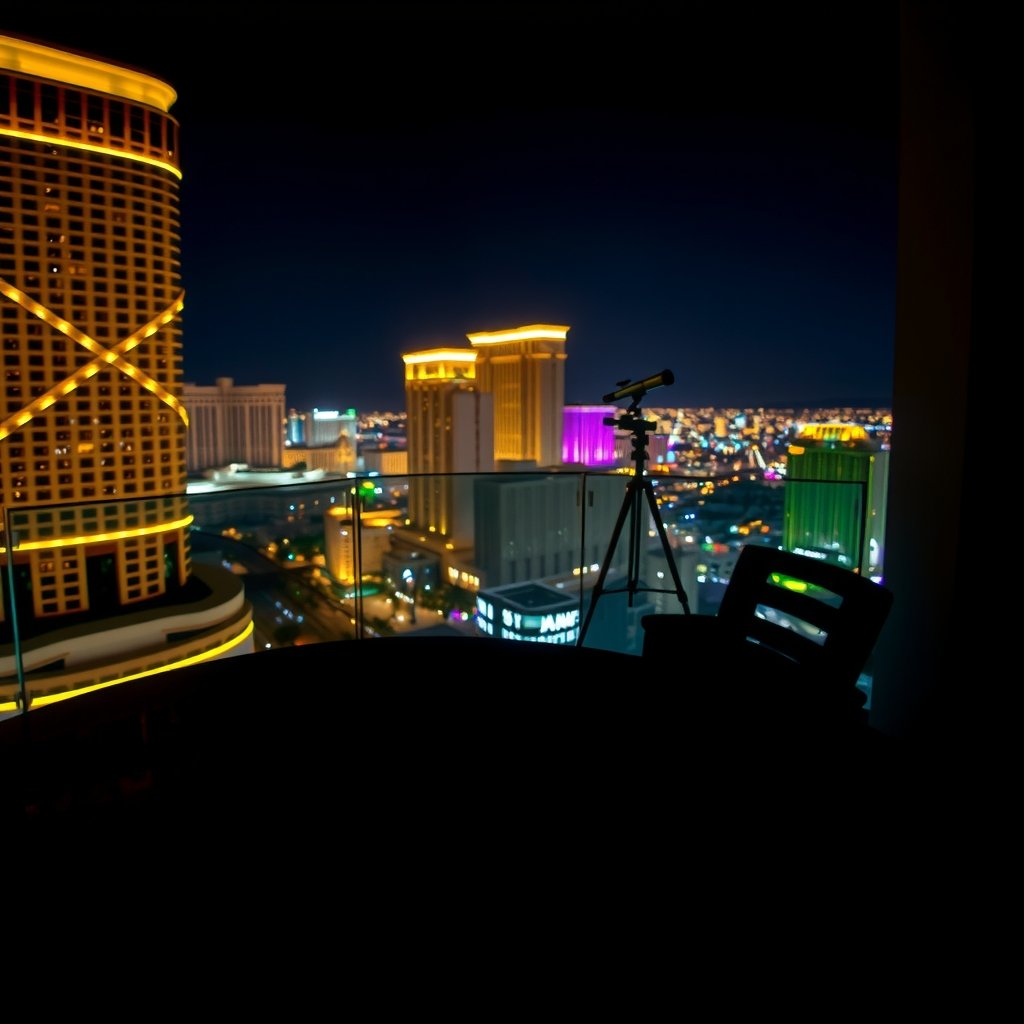
Las Vegas is a sprawl of distinct submarkets, and luxury product clusters in a handful of them.
| Area | Typical feel | What drives the premium |
|---|---|---|
| Summerlin / Red Rock | Master-planned, suburban-luxe | Trail access, top schools, newer mid-rises |
| Henderson / Green Valley | Family-oriented, quieter | Low crime perception, retail density |
| Downtown / Arts District | Urban, walkable | Restaurants, bars, proximity to work |
| Spring Valley / Chinatown | Value-focused, improving | Food scene, central location |
| Strip-adjacent high-rises | Resort-style | Views, hotel services, walkability |
Summerlin and Henderson tend to attract renters who want space and quiet. Downtown appeals to people who’d rather walk to dinner than drive. The Strip-adjacent towers sell something else entirely: a lifestyle where the concierge knows your name and the view is the amenity.
One caution that surprises newcomers: “Strip view” can mean a stunning panorama or a sliver of a tower visible past a parking garage. Ask for the exact unit number and check the view in person, at night, before signing.
The Amenities Arms Race
Las Vegas luxury buildings compete hard on amenities, and the list has grown absurd. Pools with cabanas. Coworking lounges. Pet spas and dog-wash stations. Cold-plunge tubs. Package lockers that text you. Some towers offer valet dry cleaning.
Here’s the honest math. Every amenity has a cost, and it’s baked into your rent whether you use it or not. A building with a resort pool and a full-time concierge charges more per square foot than a quieter property two blocks away. If you swim daily and work from the lounge, that’s real value. If you travel constantly and never touch the pool, you’re subsidizing your neighbors.
Ask two questions on every tour:
- Which amenities are included, and which cost extra or require a reservation?
- What’s the amenity fee or community fee on top of base rent?
That second one catches people. A modest monthly amenity fee is common, and it can add several hundred dollars a year to your true cost.
What You Should Expect to Pay
Las Vegas rents swing with the seasons and the economy, so treat any specific number as a starting point rather than gospel. What holds steady is the structure of pricing: luxury units typically rent at a sizeable multiple of the metro median, and the gap widens as you move toward new construction and resort-adjacent towers.
Several costs sit outside the advertised rent:
- Application fees, often non-refundable and charged per adult
- Security deposits, which may be a full month or more for higher-rent units
- Pet rent and one-time pet fees, frequently charged separately
- Parking, which may be included, assigned for a fee, or valet-only
- Utilities, sometimes bundled, sometimes metered individually
- Renters insurance, almost always required
Budget for the all-in monthly number, not the headline. A unit advertised at one price with paid parking, pet rent, and an amenity fee can cost noticeably more by the time the lease is signed.
Hidden Fees and Lease Traps to Watch
Lease fine print is where budgets go to die. A few clauses deserve close reading.
The rent escalation clause. Some leases raise rent automatically at renewal by a set percentage or “market rate.” Know the cap, if there is one.
Early termination. Breaking a lease can cost two months’ rent or more. If your job might relocate you, negotiate this before signing.
Guest and occupancy rules. Luxury buildings often cap how long guests can stay. Fine for most renters, a problem if a partner is effectively moving in.
Maintenance response times. The lease should state how quickly the landlord must fix habitability issues. Vague language favors the landlord.
Move-out charges. Professional cleaning fees, carpet replacement schedules, and paint charges add up. Photograph everything at move-in, including the ceilings.
If you’re comparing this to other premium travel and rental decisions, the same discipline applies: the advertised price is rarely the real price. The same logic shows up when renting a car in Las Vegas, where skipping the line often means paying for hidden fees unless you read the contract first. (Las Vegas Strip)
How to Tour a Luxury Apartment Properly
Most renters spend twenty minutes on a tour and regret it for a year. Slow down.
- Visit at a different time than your scheduled tour. Evening and weekend visits reveal noise, parking congestion, and whether the “quiet community” claim holds.
- Test the things marketing photos hide. Open the windows, run the shower, check water pressure, and listen for hallway noise.
- Ask what the building’s occupancy is. A half-empty building may be flexible on price. A waitlisted one won’t be.
- Talk to a resident. People in the elevator will tell you more about management than any leasing agent.
- Read recent reviews and filter for maintenance complaints. Patterns matter more than single angry posts.
- Get every promise in writing. The verbal “we’ll repaint before you move in” means nothing unsigned.
A common mistake: touring only model units. Models are staged and often the best-located floor plan. Ask to see the actual available unit, ideally on the floor you’d live on.
The Quiet Luxury Angle
Not everyone wants a rooftop party. A growing share of renters prioritize something less photogenic: sound insulation. In Las Vegas, where temperatures push people indoors for months, a quiet unit is worth more than a cabana.
Construction quality matters here. Concrete-and-steel high-rises generally transmit less noise than wood-frame mid-rises. Double-pane windows help against street noise. Floor-to-floor soundproofing varies wildly between builders, and no amenity list will tell you about it.
If silence is your priority, this mirrors a broader shift in how buyers think about premium products. The same reasoning drives interest in the quietest luxury cars and what actually makes a cabin silent: the engineering is invisible, and that’s the point.
Furnished, Short-Term, and Corporate Rentals
Las Vegas has a large market for furnished units aimed at relocating executives, traveling nurses, and people between homes. These leases run month to month or in three-to-six-month blocks and price at a premium over unfurnished equivalents.
Watch for a few things. Confirm whether utilities and internet are included or billed back. Check the minimum stay and the penalty for leaving early. And verify that the building actually permits short-term rentals, since some HOA and building rules prohibit them and enforcement can mean sudden eviction.
Sustainability and Building Quality
Newer Las Vegas buildings increasingly advertise energy efficiency, and those claims go beyond marketing. Desert-adapted landscaping, high-efficiency HVAC, and better glazing reduce summer power bills that can otherwise spike hard. If a landlord claims green credentials, ask for specifics: what’s the HVAC efficiency rating, and are utilities sub-metered so you pay only for what you use? (Owning a Home)
That scrutiny is part of a wider consumer shift. Renters and buyers alike are learning to separate real sustainability from decoration, a theme worth applying when evaluating eco-luxury claims. The same skepticism applies to an apartment brochure.
Is the Premium Worth It?
It depends entirely on which premium you’re paying for.
Worth it: location that shortens your commute, construction quality that keeps the unit quiet, in-unit laundry, secure parking, responsive maintenance, and a layout that fits your actual furniture.
Usually not worth it: amenities you won’t use, views you can’t verify, and cosmetic renovations layered over aging infrastructure.
A useful exercise: list the five things you use every single day. Then check whether the building delivers them. If a cheaper property nails your five essentials, the luxury premium is buying someone else’s lifestyle.
Conclusion
Luxury apartments in Las Vegas offer real quality, especially in newer buildings with solid construction and thoughtful layouts. But the label is applied loosely, and the gap between advertised and actual cost can be wide. Tour at odd hours, read the lease clauses that govern renewal and termination, ask what the amenity fee covers, and insist on seeing the specific unit you’d rent. Do that, and the premium you pay will buy something you can actually feel, rather than something on a brochure.
Frequently Asked Questions
What counts as a luxury apartment in Las Vegas?
There’s no legal definition. In practice, it means newer construction or a substantial renovation, plus amenities like a pool, fitness center, concierge or package system, and in-unit finishes such as quartz counters and stainless appliances. The label is marketing, so verify the year built and the actual unit condition.
How much more do luxury apartments cost than average Las Vegas rentals?
Luxury units typically rent at a multiple well above the metro median, with the highest premiums near the Strip and in new-construction towers. Because rents shift seasonally, compare current listings in your target neighborhoods rather than relying on a single figure, and always calculate the all-in monthly cost.
What hidden fees should I expect?
Common extras include application fees, a monthly amenity or community fee, pet rent and one-time pet fees, assigned or valet parking charges, individually metered utilities, and required renters insurance. Ask for a full fee schedule in writing before you apply.
Is it better to rent in Summerlin, Henderson, or downtown?
Summerlin and Henderson suit renters who want space, quiet, and suburban convenience. Downtown appeals to people who value walkability and restaurants. Strip-adjacent high-rises sell views and hotel-style service at the highest prices. Match the area to your daily routine, not the brochure.
Are furnished or short-term luxury rentals available?
Yes. Las Vegas has a substantial furnished and corporate rental market with three-to-six-month terms and month-to-month options. Confirm what’s included in the rate, check the minimum stay and early-exit penalties, and verify the building permits short-term rentals.
How can I tell if a building is genuinely well built?
Ask about construction type (concrete and steel versus wood frame), window glazing, and HVAC efficiency. Visit at a busy time to judge noise, run the water, and talk to current residents. Sound insulation and maintenance responsiveness reveal more about quality than any amenity list.