
Kérastase Hair Oil: Is Elixir Ultime Worth It in 2026?
 Abdul WadoodLast updated
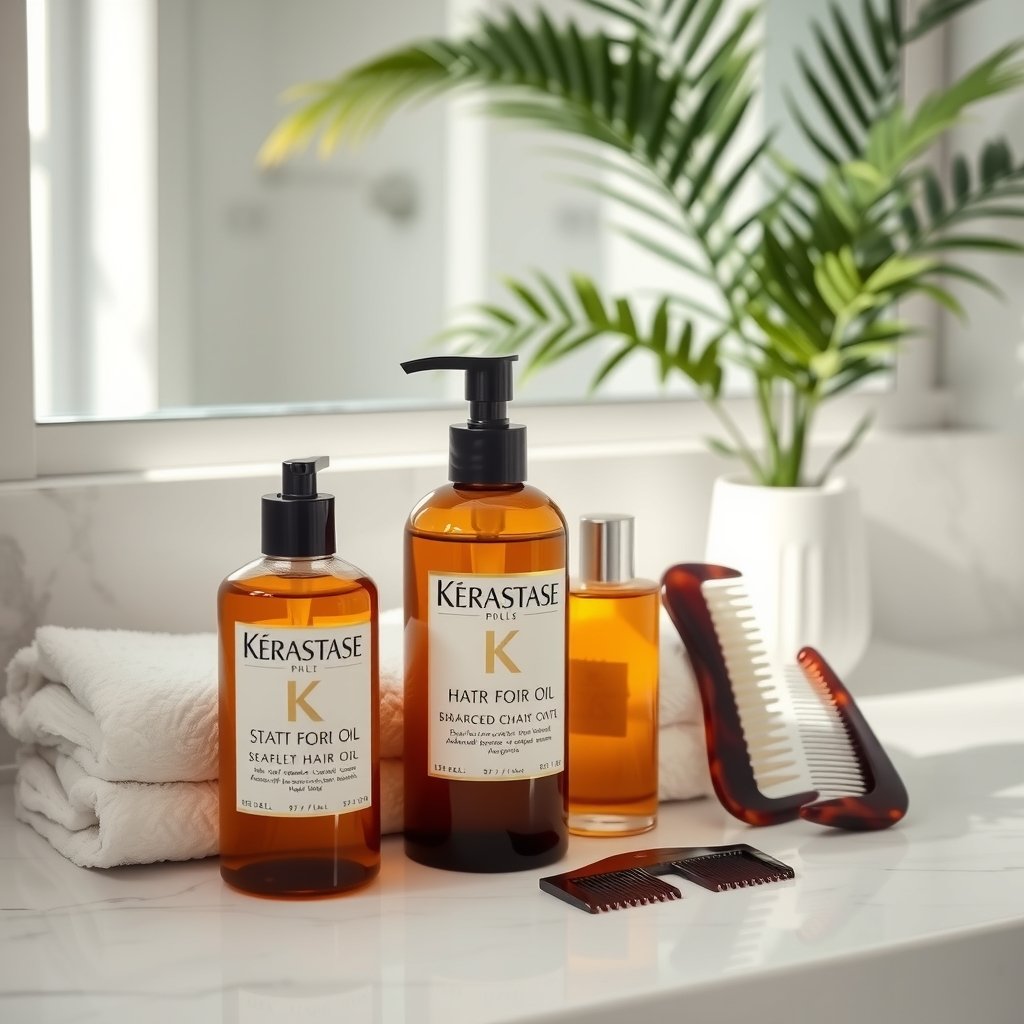
Is a $50+ hair oil really worth it, or are you paying for the bottle? That’s the question nearly every shopper asks before buying Kérastase’s famous golden elixir. The brand sits at the top of the professional haircare ladder, sold in salons and prestige retailers rather than drugstores, and its oils carry a reputation that precedes them. But reputation and reality don’t always match. This breakdown covers what Kérastase hair oils are, how the Elixir Ultime line is meant to be used, where the products genuinely shine, and where buyers routinely waste money because of simple application mistakes. (Kérastase)
What Kérastase Hair Oil Actually Is
Kérastase is a professional haircare brand owned by L’Oréal, sold through salons and premium retailers. Its hair oils belong to the Elixir Ultime family, a line built around multi-use oils designed for mid-lengths and ends rather than the scalp.
The core idea is simple: a lightweight oil blend that adds shine, smooths frizz, and makes hair easier to manage without weighing it down. Kérastase markets these oils for use on damp hair before blow-drying, on dry hair for finishing, and sometimes as an overnight treatment. The exact claims vary by product and by market, which matters more than most shoppers realize.
A practical warning up front: formulations and ingredient lists differ between regions. The EU version of a product and the US version can contain different ingredients, and product names have shifted over the years as the line expanded. Always read the label on the bottle in front of you rather than trusting a review written about a different market’s version.
The Elixir Ultime Line Explained
The Elixir Ultime range has grown from a single signature oil into a small family of variants aimed at different hair types and finishes. Names and availability shift over time, so treat any list as a starting point and confirm current products on the official brand site.
| Product type | Typical use | Best suited to |
|---|---|---|
| Classic multi-use oil | Pre-blow-dry, finishing, overnight | Most hair types |
| Lighter oil formulas | Fine or thin hair, daily finishing | Fine, limp, or oily-root hair |
| Richer or cream-oil textures | Thick, coarse, or very dry hair | Curly, coily, or heavily processed hair |
| Pre-styling oil | Heat styling preparation | Hair exposed to daily hot tools |
The classic oil is the most versatile and the most commonly purchased. Lighter versions exist precisely because the original formula can be too much for fine hair. Richer textures target hair that drinks up product. The pattern is standard across prestige haircare: one hero product, then flankers for specific concerns.
What the oils are formulated to do
Across the line, the marketing promises cluster around a few outcomes: shine, frizz control, softness, manageability, and protection during heat styling. Some versions also reference protection from environmental stress. Specific claims, including any heat-protection degree, vary by product and region and should be checked on the individual product page rather than assumed. (FTC: Advertising and Marketing Basics)
What oils generally do well is coat the hair surface. That coating increases light reflection, which reads as shine, and reduces friction between strands, which reduces tangling and frizz. What oils generally do not do is repair hair from the inside. No oil rebuilds broken bonds in the way that chemical treatments or bond-building products claim to. Understanding that distinction prevents a lot of disappointment.
How to Use Kérastase Hair Oil Correctly
Most complaints about Kérastase oils trace back to application, not the product. Here is the routine that works in practice.
- Start with one to two pumps. For fine hair, one pump is often enough for the entire head. For thick hair, two to three pumps. More is almost never better.
- Warm the oil between your palms. This spreads it evenly and prevents a concentrated blob from landing on one section.
- Apply from mid-lengths to ends. Keep the oil away from the roots unless your hair is extremely dry. Roots plus oil equals limp, greasy-looking hair within hours.
- Choose your moment. On damp hair before blow-drying, the oil helps with detangling and smoothness. On dry hair, it works as a finishing touch. As an overnight treatment, apply more generously and wash out in the morning.
- Layer it correctly. If you use a heat protectant spray, apply that first, then the oil. Oil on top of a water-based spray seals the layer in place.
- Build up rather than catch up. You can always add a drop. You cannot easily remove too much oil without re-washing.
Common mistakes that waste the product
The single biggest mistake is over-application on fine hair. A bottle of Kérastase oil is expensive, and using too much doesn’t just look greasy, it also drains the bottle in weeks. The second mistake is applying to soaking-wet hair, which dilutes the oil and distributes it unevenly. Towel-dry first. The third is skipping the mid-lengths and dumping everything on the very ends, leaving the most damaged middle section untreated.
A fourth mistake is expecting repair. If your hair is chemically damaged or breaking, an oil will improve how it looks and feels, but it will not rebuild the fiber. Pair it with appropriate treatments rather than relying on the oil alone.
Where the Oil Genuinely Performs
Honest assessment: Kérastase oils are good products with a premium price. They perform best in specific situations.
- Finishing shine. A small amount on dry hair delivers a polished, salon-like finish that is hard to replicate with cheaper oils that sit heavy or smell synthetic.
- Frizz smoothing on humid days. The coating effect genuinely reduces frizz on the surface of the hair.
- Detangling after washing. A pump on damp mid-lengths makes combing noticeably easier, especially on long or wavy hair.
- Heat styling prep. Used before blow-drying or flat-ironing, the oil adds slip and a layer of conditioning.
- Fragrance and experience. The scent is a genuine part of the appeal. Prestige haircare sells ritual as much as chemistry, and Kérastase leans into that deliberately.
Where the oil performs less impressively is on very fine hair that needs volume, on scalps that get oily quickly, and on hair that needs structural repair rather than surface conditioning. In those cases, a lighter serum or a treatment-focused product is the better buy.
How it compares to drugstore oils
| Factor | Kérastase Elixir Ultime | Typical drugstore oil |
|---|---|---|
| Price per bottle | High | Low to moderate |
| Texture | Lightweight, refined | Variable, sometimes heavier |
| Fragrance | Distinctive, salon-style | Often stronger or simpler |
| Shine and finish | Polished, even | Good, less consistent |
| Best for | Finishing and ritual | Budget daily use |
The honest conclusion: drugstore oils can deliver decent shine for a fraction of the cost. What Kérastase adds is texture, scent, and a more predictable finish. Whether that’s worth the premium is a personal call, not a scientific one.
Buying Smart: Bottles, Sizes, and Fakes
Kérastase sells its oils in several sizes, including smaller travel formats and larger salon bottles. The smaller size is the smart entry point if you’re unsure. It costs less, lets you test whether the texture suits your hair, and prevents a large bottle from sitting half-used if it doesn’t.
Two practical cautions matter here. First, counterfeit risk is real on marketplace platforms. Prestige haircare is a common target for fakes, and a suspiciously cheap bottle from an unknown seller is a warning sign. Buy from salons, official brand channels, or established retailers. Second, check the batch and packaging quality on arrival. Poor printing, mismatched fonts, or a strange smell are red flags.
For more on beauty and haircare consumer topics, the editorial team at Voozon Media covers product categories in depth.
Who Should Skip It
Not everyone needs this product, and saying so is more useful than pretending otherwise.
Skip Kérastase oil if your hair is very fine and loses volume easily, if you already use a leave-in conditioner with oils high in the ingredient list, or if your main concern is repair rather than finish. Also skip it if you dislike scented products, because the fragrance is prominent and lingers.
Buy it if you want a reliable finishing oil for shine and frizz, if you enjoy a salon-style routine, or if you have medium to thick hair that benefits from a smoothing layer on mid-lengths and ends.
A note on expectations and marketing claims
Prestige haircare marketing is designed to sound transformative. Words like “elixir,” “ultimate,” and “regenerating” carry emotional weight, but the underlying function of a hair oil is modest: coating, smoothing, and shining. That’s not a criticism, it’s just clarity. A good oil used correctly makes hair look better. It doesn’t change the biology of the strand.
This is also why reviews vary so wildly. Someone with coarse, dry hair may call the oil life-changing. Someone with fine, oily-root hair may call it greasy and overpriced. Both are right about their own hair. The product didn’t change, the hair did.
Conclusion
Kérastase hair oil, particularly the Elixir Ultime line, is a genuinely good finishing product with a premium price tag and a well-earned reputation for shine and smoothness. It performs best on mid-lengths and ends, applied sparingly to damp or dry hair, and it rewards correct technique far more than generous application. It does not repair damage, and it is not the right choice for every hair type, especially very fine hair that needs volume.
The smart approach is to start with a small bottle, apply less than you think you need, and judge it on finish rather than fantasy claims. If you want a polished, salon-style result and enjoy the ritual, it delivers. If you want repair or volume, spend your money elsewhere. Knowing the difference is what separates a satisfied buyer from a disappointed one.
Frequently Asked Questions
What does Kérastase hair oil do?
It adds shine, smooths frizz, and makes hair easier to detangle and style. The oil coats the surface of the hair, which increases light reflection and reduces friction between strands. It is a finishing and conditioning product, not a repair treatment.
How much Kérastase oil should I use?

One pump for fine hair, two to three for thick hair. Warm it between your palms and apply from mid-lengths to ends. Start with less than you think you need, because over-application is the most common reason people find the oil too greasy.
Can I put Kérastase hair oil on my scalp?
Generally no. These oils are designed for mid-lengths and ends. Applying them to the roots can make hair look limp and greasy quickly, especially if your scalp is already prone to oiliness. Keep the product off the scalp unless a specific product instructs otherwise.
Is Kérastase hair oil worth the price?
It depends on what you value. The oil delivers a refined texture, a distinctive scent, and a consistent polished finish. Cheaper oils can provide similar shine for less. If you enjoy a salon-style routine and have medium to thick hair, the premium may feel justified. If you mainly want repair or volume, it isn’t the best use of your money.
Can I use Kérastase oil on damp hair?
Yes. Applying it to towel-dried hair before blow-drying is one of the intended uses. It helps with detangling and smoothness. Avoid soaking-wet hair, which dilutes the oil and spreads it unevenly. For a finishing effect, apply a smaller amount to dry hair.
Why does my Kérastase oil make my hair look greasy?
Almost always over-application or applying too close to the roots. Use less product, warm it between your palms first, and focus on the lower half of your hair. If your hair is fine, consider a lighter variant in the line rather than the richest formula.