
Jeep Cars: What Sets Them Apart from Every 4×4
 Abdul WadoodLast updated
Roughly three-quarters of a century after the first Willys rolled off a wartime assembly line, Jeep still builds vehicles that trace their engineering DNA to a single question: can it climb that? That stubborn focus explains why the brand has such a devoted following, and why first-time buyers often walk into a showroom expecting one thing and driving away with something else entirely.
This guide looks at Jeep cars as they actually are: the models, the mechanical traits that set them apart, the ownership realities nobody mentions in the brochure, and the mistakes people make when they buy one.
Where the Jeep name came from
The origin of “Jeep” is genuinely contested. The most popular theory ties it to the military designation GP (for General Purpose), slurred into “jeep.” Another credits the Popeye comic character Eugene the Jeep, a small creature that could go anywhere. Neither story is settled, and historians still argue about it. (Jeep)
What is settled is the lineage. Willys-Overland built the wartime quarter-ton reconnaissance vehicle, and after the war it launched the CJ, short for Civilian Jeep. The CJ-2A is widely cited as the first civilian Jeep, arriving in 1945. From there the brand passed through a long chain of owners: Kaiser, then American Motors in 1970, then Chrysler in 1987, then through the Daimler and Fiat Chrysler eras, landing finally under Stellantis when that group formed in January 2021. (Jeep brand overview)
That ownership history matters to shoppers. Parts availability, dealer networks, and even warranty handling have shifted with each corporate parent, which is one reason older models vary so much in long-term support. A useful rule of thumb: the closer a model sits to the Wrangler’s core architecture, the better the aftermarket support tends to be.
The models that define the range
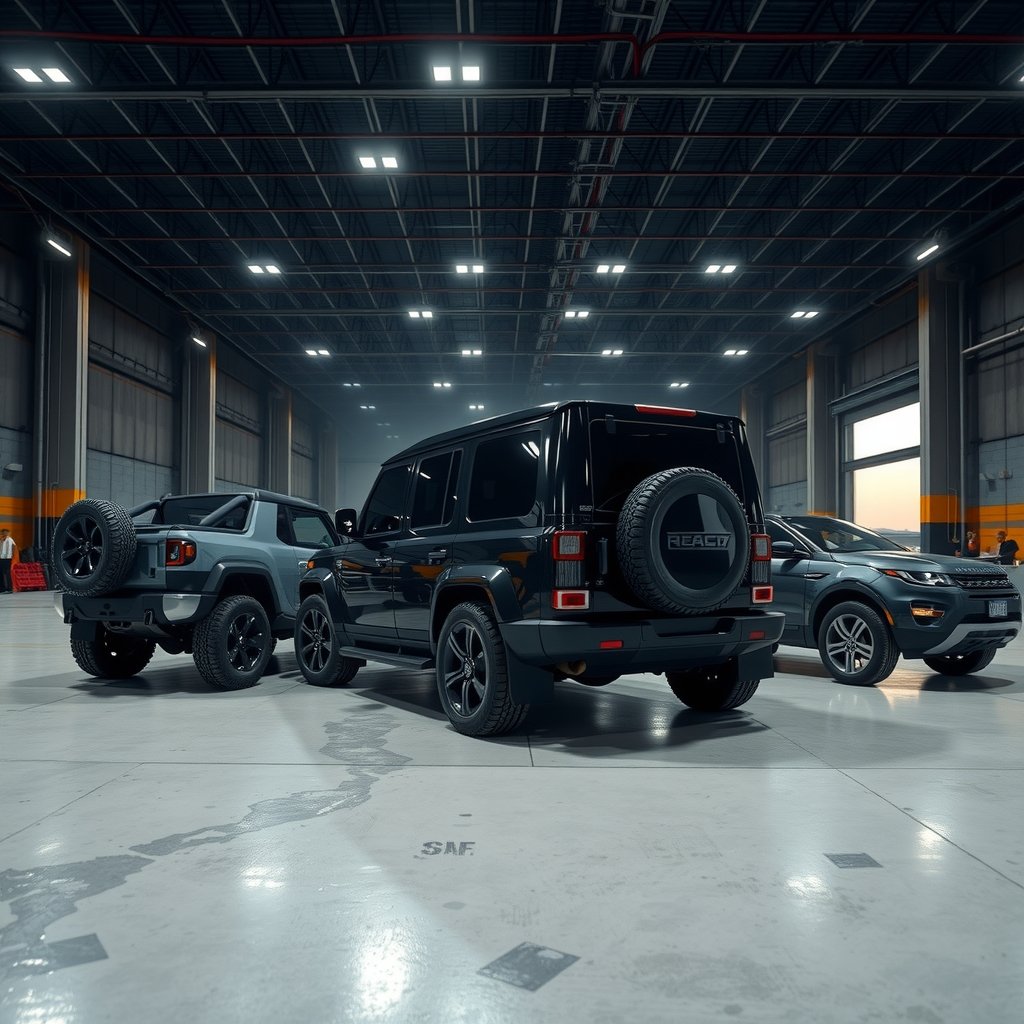
Jeep’s lineup splits cleanly into three families, and understanding that split saves a lot of showroom confusion.
The Wrangler: the icon
The Wrangler arrived for the 1987 model year, replacing the CJ line, and remains the direct descendant of the WWII vehicle. It keeps solid axles, a body-on-frame chassis, and removable doors and roof panels. Nothing else sold in volume in Europe or North America offers that combination. If you want the idea of a Jeep, this is the vehicle that carries it.
The Grand Cherokee and Cherokee lineage
The Grand Cherokee launched around the 1992–1993 model year and pushed the brand upmarket. The Cherokee XJ, introduced in 1984, earned a reputation for toughness that still drives used prices today. Both moved Jeep from farm tool to family transport without abandoning off-road capability.
The compact and electrified end
The Compass, Renegade, and the European-market Avenger sit at the smaller, more car-like end. Several models now offer 4xe plug-in hybrid versions, and Jeep has announced fully electric plans. Exact launch timing and market availability shift constantly, so check current specifications before committing.
| Family | Character | Typical buyer |
|---|---|---|
| Wrangler | Body-on-frame, solid axles, removable panels | Enthusiasts, off-road users |
| Grand Cherokee | Unibody, comfort-focused, still trail-capable | Families wanting capability |
| Compass / Renegade / Avenger | Compact crossovers, car-based | City drivers, first-time buyers |
For a wider look at how these models compare against rivals, the Voozon Cars reviews and comparisons hub is a sensible starting point before you book a test drive.
What actually makes a Jeep a Jeep
Marketing language aside, a handful of mechanical traits separate the brand from generic crossovers.
Solid axles on the Wrangler and Gladiator allow long suspension travel and articulate well over uneven ground. Independent suspension, by contrast, usually rides better on tarmac. Body-on-frame construction handles heavy loads and abuse but adds weight and dulls steering feel. Low-range transfer cases multiply torque for crawling, something most soft-roaders simply don’t have. And approach, breakover, and departure angles determine what a vehicle can clear without scraping — numbers that matter far more off-road than horsepower does.
The catch is that these traits are deliberate trade-offs, not free upgrades. Every one of them costs something on the road: noise, fuel consumption, ride comfort, or all three.
The ownership reality nobody puts in the brochure
Here’s where practical experience diverges sharply from marketing.
Fuel economy is the first surprise. Boxy shapes and heavy running gear mean Wranglers and Grand Cherokees drink noticeably more than comparably sized crossovers. If your commute is mostly motorway, that cost is real and permanent.
Wind noise and ride quality follow. Removable roofs and upright glass create turbulence at speed. It’s part of the character, but buyers expecting a hushed cabin are often disappointed on the first long drive.
Modification is a trap for the unprepared. Lifting a Jeep changes steering geometry, driveshaft angles, and tyre wear. A poorly chosen lift kit can make a vehicle worse off-road and on it. The rule that actually works: change one system at a time, and buy suspension components from specialists rather than the cheapest listing.
Tyres matter more than badges. All-terrain tyres transform capability; aggressive mud tyres ruin daily driving. Most owners are best served by a good all-terrain set and a second set for serious trail use.
Rust kills more Jeeps than mileage does. Check chassis rails, floor pans, and the rear of the frame on any used example, especially in salt-treated regions. A tidy body over a rotten frame is a money pit.
The brand’s own enthusiasts tend to describe ownership as a relationship rather than a transaction, an idea explored in this piece on the cars built around experience — worth reading if you’re weighing character against convenience.
Common buying mistakes
Several errors show up again and again among first-time buyers.
- Buying the badge, not the use case. A Wrangler is superb if you genuinely go off-road and frustrating if you never do. A Compass or Renegade often suits city life better.
- Skipping the pre-purchase inspection. Off-road vehicles accumulate hidden damage — bent skid plates, worn bushings, leaking seals. An independent inspection costs little against a repair bill.
- Ignoring insurance and servicing costs. Specialist servicing and parts pricing can run above mainstream rivals.
- Assuming all-wheel drive equals off-road ability. It doesn’t. Ground clearance, tyres, and low-range gearing do the real work.
- Overlooking the plug-in hybrids. The 4xe variants can cut running costs dramatically for short-commute drivers who charge at home — but only if they actually plug in.
A broader set of car reviews and buying guides can help you benchmark running costs before you commit.
Jeep in the wider 4×4 world
Jeep didn’t invent the off-roader, but it shaped the category. The wartime vehicle’s layout — light, simple, repairable — influenced the Land Rover Series and the Toyota Land Cruiser, both of which followed similar design logic. That lineage is documented extensively in public archives and automotive histories.
The word itself has also drifted into general use. In some English-speaking regions “jeep” became a generic term for any light 4×4, and trademark protection varies by jurisdiction — a legal nuance that has kept trademark lawyers busy for decades.
Today the competitive picture is tougher than ever. The Ford Bronco returned to challenge the Wrangler directly, the Land Rover Defender moved upmarket, and the Ineos Grenadier arrived as a deliberate old-school alternative. Jeep’s advantage remains breadth: it sells a genuine rock-crawler, a luxury-capable family SUV, and compact crossovers under one badge.
Electrification and where the brand is heading
Jeep’s electrification strategy leans on plug-in hybrids rather than jumping straight to battery-electric models everywhere. The 4xe badge denotes plug-in hybrid versions of the Wrangler and Grand Cherokee, pairing electric motors with petrol engines to keep off-road capability intact while cutting urban fuel use.
The logic is sound for the brand’s buyers. Pure EVs still struggle with remote trail access and towing range, while a plug-in hybrid covers the school run on electricity and the mountain pass on petrol. Fully electric models are arriving too, but availability varies sharply by market. Because the lineup changes so frequently, always confirm current specifications directly rather than relying on older reviews.
Practical tips that genuinely help
If you’re shopping, a few habits separate happy owners from regretful ones.
Drive it on the motorway first. Twenty minutes at speed tells you more about wind noise and ride than any spec sheet.
Check the payload and towing figures in addition to the engine. These numbers determine whether the vehicle actually does your job.
Budget for consumables. Off-road-capable tyres, brake components, and suspension parts wear faster and cost more.
Join an owners’ community before buying. Forums and clubs reveal model-specific weaknesses — a particular gearbox, a rust-prone seam, a weak component — faster than any dealer will.
Match the trim to the terrain. Locking differentials and disconnecting sway bars are transformative off-road and largely irrelevant on tarmac. Paying for them when you’ll never use them is the single most common overspend.
Conclusion
Jeep cars occupy a strange and enviable position. They are simultaneously a heritage brand, a lifestyle purchase, and a genuinely capable tool — and those three identities don’t always pull in the same direction. The Wrangler remains the purest expression of the original idea, the Grand Cherokee balances comfort with real capability, and the compact models serve buyers who want the look and the badge without the compromises.
The honest advice is simple. Decide what you actually need the vehicle to do, drive at least two models back to back, budget for running costs rather than just the purchase price, and inspect any used example thoroughly. Do that, and a Jeep is one of the most characterful vehicles you can own. Skip those steps, and the character becomes the problem.
FAQ
What does “Jeep” actually stand for?
The name’s origin is disputed. The most common theory links it to the military “GP” designation, while another credits the Popeye character Eugene the Jeep. No single explanation is universally accepted by historians.
Is a Jeep good for everyday driving?
It depends on the model. Compass, Renegade, and Avenger are designed for daily use and behave much like conventional crossovers. Wranglers are noisier, thirstier, and less refined on tarmac, but many owners accept that as part of the appeal.
Do all Jeeps have four-wheel drive?
No. Several compact models are sold with front-wheel drive in some markets, and all-wheel drive is often an option rather than standard. If capability matters, check the specific trim’s specification rather than assuming.
Are Jeep cars expensive to maintain?
Generally they cost more to run than mainstream crossovers, particularly the body-on-frame models. Tyres, suspension components, and fuel consumption are the biggest ongoing expenses. Specialist servicing can also be pricier than for a family hatchback.
What is a 4xe Jeep?
The 4xe badge identifies plug-in hybrid versions, including the Wrangler 4xe and Grand Cherokee 4xe. They pair a petrol engine with electric motors and a chargeable battery, cutting fuel use on short trips while retaining off-road ability.
Is a used Jeep a good buy?
It can be, provided you inspect it carefully. Check the chassis and floor pans for rust, look for signs of hard off-road use, and get an independent inspection. Service history matters more than mileage on these vehicles.
A note on model years. Jeep’s lineup has shifted considerably over the past decade, with nameplates appearing, retiring, and returning across markets. Specifications that were accurate two or three years ago may no longer apply to a current showroom car, so treat any older review — including this one — as a starting point rather than a specification sheet. Cross-check trim levels, drivetrain options, and warranty terms against the manufacturer’s own current documentation for your region before signing anything, and confirm that the model you test drove is the exact configuration you are buying.