
Hot Wheels Cars: Why Die-Cast Models Still Matter
 Abdul WadoodLast updated

A single Hot Wheels car can sell for less than two dollars at a grocery store checkout, yet some examples change hands for tens of thousands. That gap says a lot about a toy that started as a simple idea and grew into a global collecting culture. Since 1968, these little die-cast vehicles have moved from playroom floors to museum displays, and they keep pulling in new fans every year.
What Makes a Hot Wheels Car Different
The short answer: speed and attitude. When Hot Wheels launched, most toy cars were realistic sedans and trucks. Hot Wheels went the other way, with custom-looking hot rods, fantasy designs, and bright paint jobs. The original line featured a special wheel design that let cars roll faster on track. Kids noticed. So did parents buying them.
The brand’s early identity was built on a few ideas that still hold up:
- Custom car culture. The designs borrowed from hot rod and drag racing style rather than showroom models.
- Track play. The cars were built to run on orange track, which turned a shelf toy into an activity.
- Collectibility. Short production runs and color variations gave kids and adults a reason to keep hunting.
That mix of play and pursuit is why the line has lasted more than five decades. You can read more about how the brand frames its own story at the cars built around experience.
The Basics: Scales, Materials, and What You Actually Get
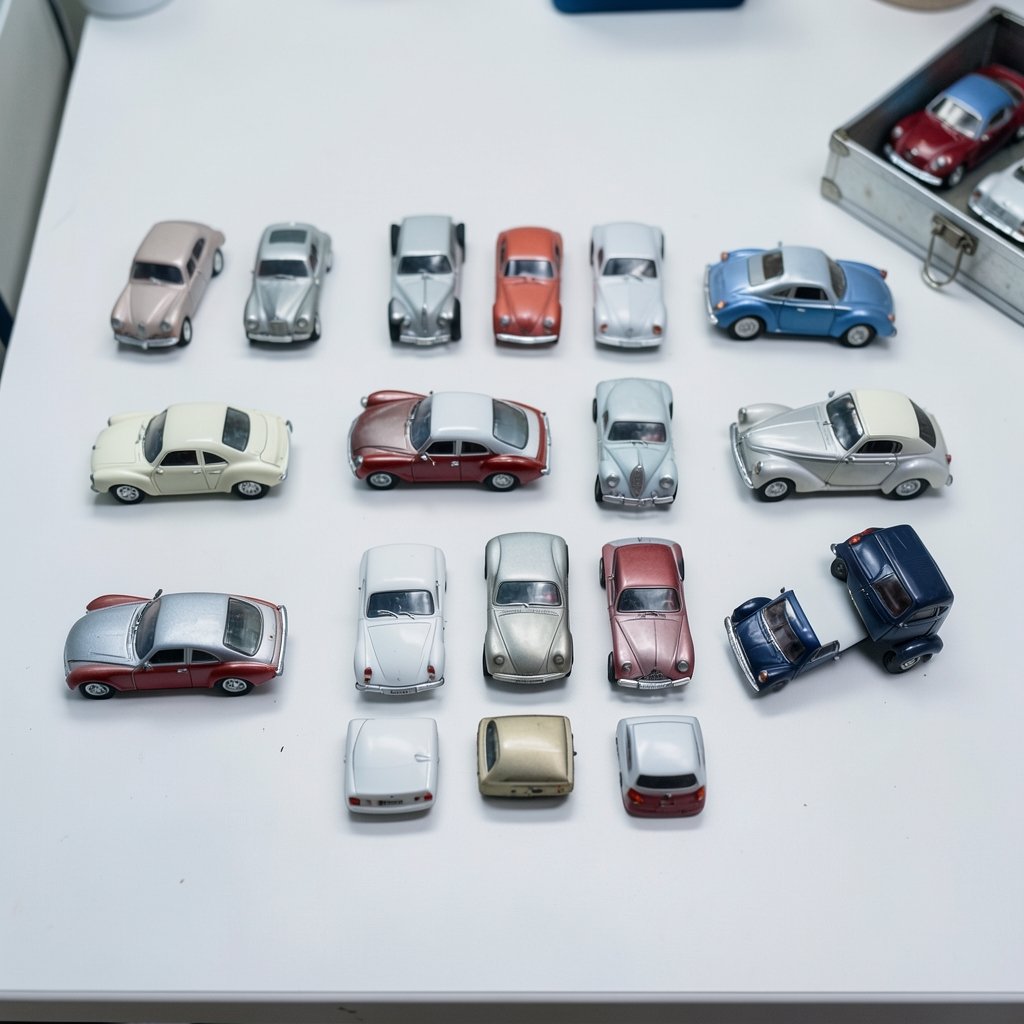
Most mainline Hot Wheels cars are roughly 1:64 scale, which means they fit in a child’s hand and cost little to produce. That scale is the backbone of the hobby. It keeps prices low, storage simple, and collections large.
| Feature | Mainline Cars | Premium and Collector Lines |
|---|---|---|
| Typical scale | 1:64 | 1:64, sometimes larger |
| Materials | Die-cast body, plastic base | Die-cast body and base, metal/metal |
| Wheels | Plastic | Rubber tires on many releases |
| Detail level | Simple tampo graphics | Extra paint steps, sharper decals |
| Price range | Low | Mid to high |
| Main audience | Kids and casual collectors | Adult collectors and display fans |
A common mistake for new buyers is assuming every car on a peg is the same quality. They are not. Mainline cars are made for play and volume. Premium lines cost more because they use more metal, better wheels, and tighter detailing. If someone wants a car to display, premium is usually the better buy. If the goal is a birthday gift for a six-year-old, mainline is perfect.
How the Hobby Actually Works
Collecting Hot Wheels looks simple from the outside. In practice, it has its own rules, and beginners trip over the same few things.
Treasure Hunts and Why They Matter
Mattel marks certain cars as harder to find. These are often called Treasure Hunts, and the rarer tier is usually called Super Treasure Hunts. The cars carry small hidden markers, such as a flame logo, and they appear in regular cases in very small numbers. Collectors learn to spot them quickly.
The practical tip here: don’t rely on memory alone. Keep a phone list of the current year’s chase cars and check the card and the car body before buying. Many people walk past a valuable car because they only looked at the paint color.
Card Condition Counts
For collectors, the cardboard backing matters as much as the car. A bent card can cut value sharply. If someone plans to resell or trade, they should store cars in protectors and avoid stacking heavy boxes on top. Loose cars are fine for play and for display, but they lose most resale value.
Where People Find Cars
- Big-box stores and grocery chains, especially during new case arrivals
- Hobby shops, which often get premium lines
- Online marketplaces, where prices track demand closely
- Collector shows and swap meets, the best place to trade duplicates
A mistake beginners make is buying online first. Shipping costs often exceed the value of a mainline car. Buying in person, at least at the start, teaches far more per dollar.
The Design Language: Why These Cars Look the Way They Do
Hot Wheels design leans on exaggeration. Wheels are oversized. Stances are low. Proportions are pushed for drama rather than accuracy. That choice is deliberate, and it is the reason the cars read as fast even when they are sitting still.
Real carmakers have noticed. Over the years, several manufacturers have worked with the brand on versions of their production models, which gives collectors a bridge between fantasy castings and real vehicles. The result is a catalog that swings from pure imagination to recognizable street cars, sometimes in the same case assortment.
For anyone comparing models before buying, a structured reference helps. The Voozon Cars reviews and car guides cover how individual castings differ in proportion, finish, and collector appeal, which is useful when two cars look similar on a shelf but are very different in hand.
Play Value vs. Collector Value
There is a quiet tension in this hobby. Kids want cars to crash, race, and carry in pockets. Collectors want them untouched in protectors. Both are valid, and the brand serves both.
Here is how the two paths differ in practice:
- Buy for play. Choose mainline cars, open them, and use track sets. Damage is expected and harmless.
- Buy for display. Choose premium lines, keep cards intact, and store in cases away from sunlight.
- Buy for collecting. Track case codes, watch for chase cars, and trade duplicates rather than hoarding them.
The mistake is mixing the two without deciding. A parent who opens a rare car ruins its value. A collector who never opens anything misses the actual fun. Deciding the goal before the purchase solves most of it.
Common Mistakes That Cost Beginners Money
Experience in this hobby mostly comes from small errors. A few repeat often:
- Paying too much online. Retail prices are low, and secondary prices spike fast on hype. Waiting a few weeks usually brings prices down.
- Ignoring storage. Heat, sunlight, and moisture damage paint and cards. A closet beats a sunny shelf.
- Chasing every release. The catalog is huge. Focus on one theme, era, or casting family instead of trying to own everything.
- Skipping the checklist. Yearly lists exist and save hours of guessing.
- Assuming rarity equals value. Plenty of hard-to-find cars stay cheap because demand is thin.
The collectors who stay in the hobby longest tend to be the ones with a narrow focus. A themed collection looks better on a shelf and costs less than a random pile.
Track Play: The Part People Forget
It is easy to talk about value and forget the obvious: these are toys, and the track system is the reason they exist. Orange track, loops, launches, and boosters turn a handful of cars into an afternoon. The physics are simple and satisfying, and a well-built downhill run can send a car across a room.
Practical advice for track setups:
- Start with gravity. A gentle slope beats a flat run every time.
- Join track firmly. Loose connections cause derailments and frustrated kids.
- Test one car at a time. Weight and wheel type change performance noticeably.
- Keep the launch area clear. Most crashes happen in the first few inches.
Track play also explains why so many adults stay attached. The cars are a gateway to building, testing, and tinkering, which is the same instinct that drives real car culture.
Buying Smart: A Simple Checklist
Before adding a car to a cart, run through a short set of questions. It takes seconds and prevents most regrets.
| Question | Why It Matters |
|---|---|
| Is the card straight and uncreased? | Card condition drives resale value |
| Is this a chase or Treasure Hunt? | These are the cars worth protecting |
| Do I already own this casting? | Duplicates are common and easy to avoid |
| Is the price near retail? | Secondary markups fade quickly |
| Does it fit my focus? | A narrow collection stays enjoyable |
For buyers who want to compare castings and product lines before spending, the Voozon Cars hub organizes reviews and comparisons in one place, which is faster than scrolling marketplace listings. (Smithsonian Institution)
The Culture Around the Cars
What separates this hobby from most toy lines is the community. Swap meets, online forums, YouTube channels, and local clubs all revolve around the same small objects. People trade, argue about casting accuracy, and share finds. The culture is social in a way that a shelf of models never is on its own.
The brand has leaned into that. Anniversary sets, convention exclusives, and collaborations with other entertainment properties keep the pipeline full. Some collectors chase those collaborations. Others ignore them entirely and stick to original designs. Both approaches work, and neither is wrong.
There is also a practical side to the community: knowledge. New collectors learn faster from a local club than from any single article. A ten-minute conversation at a swap meet can teach more about spotting rare cars than a month of reading.
Conclusion
Hot Wheels cars have lasted because they solve two problems at once. They are cheap, durable toys that work on a track and survive a pocket. They are also a collecting hobby with real depth, from chase cars to card condition to casting history. The smartest approach is to pick a lane early: play, display, or collect. Then buy with that goal in mind, keep storage simple, and lean on the community when a find looks suspicious. Do that, and a two-dollar car can deliver years of value, whether it ends up on a track or behind glass.
Frequently Asked Questions
What is a Hot Wheels Treasure Hunt?
A Treasure Hunt is a Hot Wheels car released in smaller numbers than the standard lineup, marked with a small hidden logo. The rarer tier, often called a Super Treasure Hunt, adds premium wheels and paint. Collectors check the card and the car body for the marker before buying.
Are Hot Wheels cars worth money?
Some are. Mainline cars usually stay close to retail price, while rare chase cars, older releases, and convention exclusives can sell for far more. Condition matters enormously, especially for the cardboard card. Most cars in a typical collection are not valuable, and that is normal.
What scale are most Hot Wheels cars?
Most mainline cars are approximately 1:64 scale, which makes them small enough to fit in a child’s hand and cheap enough to produce in large numbers. Premium and collector lines stay near that scale but use more metal and better wheels.
What is the difference between mainline and premium Hot Wheels?
Mainline cars have a die-cast body with a plastic base and plastic wheels. Premium cars typically use metal bodies and bases, rubber tires, and more detailed graphics. Premium costs more and is aimed at adult collectors and display.
How should beginners store their collection?
Keep cars out of direct sunlight and away from heat and moisture. Store carded cars flat in cases or boxes, and avoid stacking heavy items on top. Loose cars can go in divided cases to prevent paint chips and bent axles.
Do Hot Wheels cars work on other track brands?
Sometimes, but not reliably. Track connectors vary between brands, and mismatched joins cause derailments. Sticking to one track system, or carefully adapting connections, gives much better results, especially on loops and boosters.