
Honey Blonde Hair: Shades, Care & What Works in 2026
 Abdul WadoodLast updated
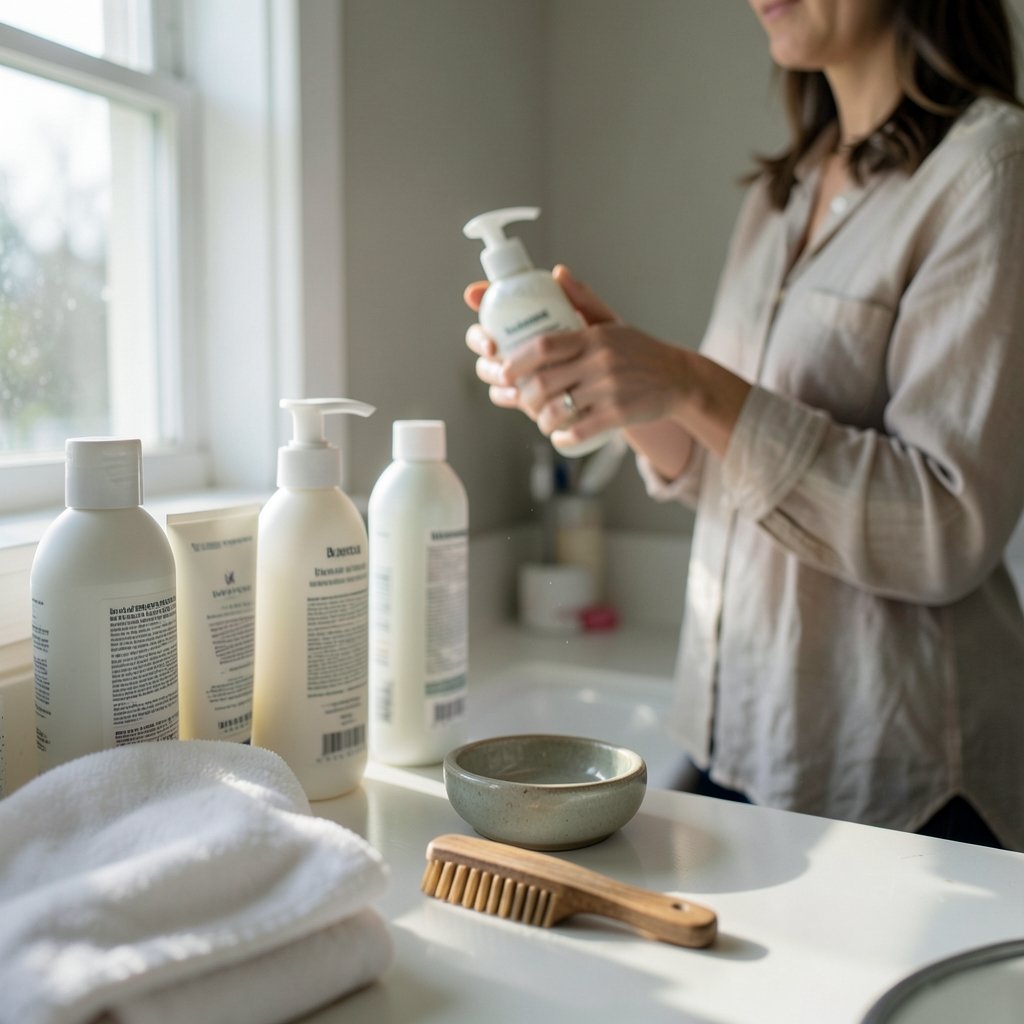
What makes honey blonde hair so hard to get right? Ask ten colorists and you’ll get ten answers, because honey blonde is not a standardized term. It is a marketing and salon descriptor for a warm, golden blonde that sits somewhere between light golden brown and light blonde. That vagueness is exactly why so many people walk out of a salon with something that looks more brassy than honeyed. This guide breaks down what the shade actually is, who it suits, how to ask for it, and how to keep it from turning orange.
What Honey Blonde Hair Actually Means
There is no official body that defines honey blonde. Cosmetic color names are commercial language, not regulated categories, which means shade boundaries shift between brands and between colorists. A “honey blonde” at one salon may be labeled “golden blonde” or “dark strawberry” at another.
What the term generally signals is warmth. Honey blonde has a golden, slightly amber undertone rather than the cool ash or neutral tones of platinum and champagne blondes. Think of the color of clover honey in a glass jar held up to light: gold with a faint brown depth, never gray, never icy.
In practical salon terms, honey blonde usually lands in the light-to-medium blonde range. It is darker than platinum, lighter than caramel brown, and warmer than both. That middle ground is what makes it wearable for a wide range of skin tones, and also what makes it easy to overshoot into orange.
Honey Blonde vs. Neighboring Shades
Because the term is loose, the clearest way to understand it is by comparison. The table below shows how honey blonde typically differs from shades people confuse it with.
| Shade | Undertone | Depth | Best described as |
|---|---|---|---|
| Honey blonde | Warm gold, faint amber | Light to medium | Golden blonde with depth |
| Platinum blonde | Cool, neutral to icy | Very light | Near-white blonde |
| Champagne blonde | Neutral to slightly warm | Light | Soft beige blonde |
| Caramel blonde | Warm brown-gold | Medium | Brown-blonde hybrid |
| Strawberry blonde | Warm with pink-red | Light | Blonde with red tones |
The key distinction is that honey blonde keeps a visible gold tone without crossing into red. Strawberry blonde leans pink; caramel leans brown. Honey sits in the narrow band between them.
Why the Shade Is So Popular
Honey blonde has staying power for a simple reason: it is forgiving. Very light blondes require frequent lifting and often look stark against natural skin. Very dark shades can read flat. Honey blonde adds warmth and dimension, which flatters most complexions and grows out more gracefully than high-contrast platinum.
It also photographs well. Warm gold reflects light in a way that reads healthy rather than washed out, which is part of why the shade dominates in commercial hair-color marketing. The term appears constantly in salon menus and product lines precisely because it promises something approachable: blonde that looks natural rather than bleached.
There is a practical angle too. Because honey blonde sits a level or two below the lightest blondes, it often requires less aggressive lightening. Less lift generally means less damage, which matters for anyone with fine or previously colored hair. That trade-off between brightness and hair health is the real reason the shade appeals to so many people.
Who Honey Blonde Suits Best
Warm undertones are the headline match. People with golden, peachy, or olive skin usually find honey blonde harmonious because the hair color echoes warmth already present in the skin. Cool-toned people can still wear it, but the gold needs to be softened toward neutral so it does not clash.
Contrast matters as much as undertone. Honey blonde tends to flatter medium skin depths because it creates gentle contrast without a hard line. Very fair skin can carry it if the gold is kept light and soft. Very deep skin tones can wear honey blonde beautifully, though the shade often needs more saturation to avoid looking washed out against the complexion.
Eye color is a secondary cue, not a rule. Brown and hazel eyes tend to pop against golden blonde. Blue and gray eyes can look striking too, but a cooler version of honey usually serves them better than a strongly amber one.
The honest takeaway: undertone and contrast beat eye color every time. A colorist who assesses both will get you closer than any chart.
How to Ask for Honey Blonde at the Salon
The single biggest mistake people make is saying “honey blonde” and assuming the colorist pictures the same shade they do. Because the term is undefined, you need to close that gap before any lightener touches your hair.
Bring three to five reference photos taken in natural daylight, not filtered salon shots. Point out exactly which part you like: the root depth, the mid-length gold, the highlight placement. Say what you do not want, too. “Not orange, not ash” is useful information.
Ask the colorist to describe the formula back to you in plain terms. A good one will talk about the target level, the warmth, and how many sessions it may take. If you are going from dark brown or black, expect more than one appointment. Lifting through multiple levels in a single session is where most damage and most brass happen.
Questions Worth Asking Before You Commit
- How many sessions will this realistically take?
- What will the grow-out look like in eight weeks?
- Will you tone after lightening, and with what kind of tone?
- How should I adjust my at-home routine?
That last question is not small talk. Honey blonde lives or dies on maintenance.
The Maintenance Reality
Warm blondes are high-maintenance in a specific way: they drift. Lightened hair loses tone over time, and the gold that looked perfect in the salon can slide toward yellow or orange within weeks. Understanding why helps you fight it.
Hair that has been lightened has an exposed, porous surface. Minerals from water, UV exposure, and repeated washing all push the tone warmer. This is normal chemistry, not a failure of your colorist.
The practical defenses are straightforward. Wash less often, use cooler water, and protect hair from sun and chlorine. A purple or blue toning shampoo used sparingly (once a week or less) can neutralize unwanted warmth, but overuse dulls the gold you paid for. The goal is control, not elimination.
Plan on a toner refresh every four to eight weeks and a root touch-up on a similar rhythm. Budget for it before you commit. Honey blonde is a relationship, not a one-time purchase.
Common Mistakes That Ruin Honey Blonde
The most frequent errors show up again and again in real life:
- Chasing the shade in one session from very dark hair. This almost always produces brass and damage. Two or three gentler sessions win.
- Overusing purple shampoo. It kills the gold and leaves hair ashy and flat.
- Skipping heat protection. Lightened hair is fragile; hot tools without protection accelerate fading and breakage.
- Ignoring hard water. Mineral buildup dulls tone quickly. A clarifying treatment now and then helps.
- Choosing the shade from a filtered photo. Filters shift warmth dramatically. Daylight photos only.
At-Home Care That Preserves the Tone
A simple routine does most of the work. Use a sulfate-free shampoo to slow color loss, and condition generously because lightened hair is thirstier than natural hair. A leave-in treatment with UV protection is worth the extra step if you spend time outdoors.
Heat styling deserves its own caution. Keep tools on lower settings, use a protectant every time, and give hair breaks from hot tools when you can. Lightened hair that is already porous loses moisture fast, and dry hair reads brassy.
Refresh tone between salon visits with a toning mask rather than a strong shampoo if your hair runs dry. And get a trim every six to eight weeks. Split ends travel upward, and honey blonde looks best on healthy ends.
How Regulation Shapes What Goes on Your Hair
It helps to know that the products creating honey blonde are tightly regulated, even though the shade name is not.
In the United States, cosmetic hair dyes fall under the Federal Food, Drug, and Cosmetic Act, and color additives must be approved for their intended use before they can be marketed. The U.S. Food and Drug Administration oversees that framework and publishes guidance on hair dye safety, including patch-testing advice. In the European Union, hair dyes are governed by the Cosmetics Regulation (EC) No 1223/2009, which lists permitted substances and restrictions in its annexes; the full text is available through EUR-Lex.
What does this mean in practice? The ingredients in salon and box color have been assessed for safety under specified conditions, but “approved” is not the same as “risk-free.” Allergic reactions to dye, particularly to certain dye compounds, are well documented in dermatology literature indexed on PubMed. A patch test 48 hours before any new color is a small step that prevents a very bad week.
For a broader overview of how hair color chemistry and classification work, Wikipedia’s hair coloring entry is a reasonable starting point, though it is a general reference rather than a clinical source.
Honey Blonde on Different Starting Points
What you start with shapes everything. The table below outlines realistic expectations.
| Starting hair | Typical path | Sessions | Main risk |
|---|---|---|---|
| Light brown | Lift one to two levels, tone gold | 1–2 | Over-warm result |
| Medium brown | Lift two to three levels, tone | 2 | Brass, dryness |
| Dark brown | Multi-session lift with bond care | 2–3 | Damage, orange mids |
| Black | Gradual lift over months | 3+ | Breakage, uneven lift |
| Already blonde | Tone to gold, adjust depth | 1 | Going too warm |
The pattern is consistent: the darker you start, the more patience the shade demands. Anyone promising honey blonde from black in one sitting is either very skilled, very optimistic, or both.
For salons building out their color service pages and content strategy, resources like Voozon Media cover how to present technical services clearly to clients.
Conclusion
Honey blonde is less a fixed color than a direction: warm, golden, and dimensional, sitting between light brown and light blonde. Because no authority defines it, the shade you get depends almost entirely on how well you and your colorist align before the first foil goes in. Bring daylight photos, ask what the grow-out looks like, and budget for toner refreshes. Protect the tone with gentle washing, sparing toning, and heat protection. Do those things and honey blonde behaves like the flattering, forgiving shade it is meant to be. Skip them and it drifts brassy fast. The color rewards planning more than any single product.
Frequently Asked Questions
What is honey blonde hair?
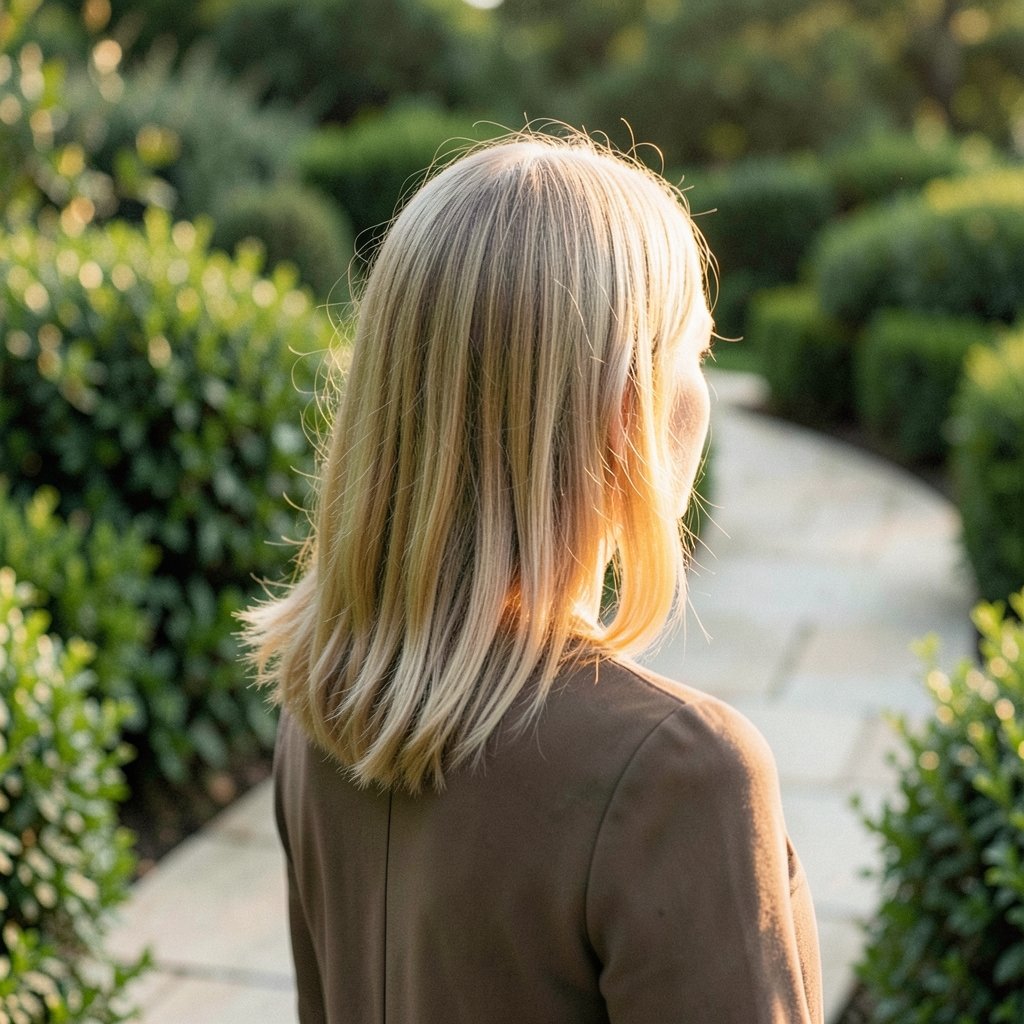
Honey blonde is a warm, golden blonde shade with a faint amber undertone, typically sitting between light golden brown and light blonde. It is a salon and marketing descriptor rather than a standardized or regulated color category, so exact shade boundaries vary between brands and colorists.
Is honey blonde the same as strawberry blonde?
No. Strawberry blonde carries visible pink and red tones, while honey blonde stays in the gold and amber range without crossing into red. Caramel blonde is also different: it is deeper and browner. Honey blonde occupies the narrow band between those two.
Can I get honey blonde from dark brown or black hair?
Yes, but rarely in one session. Dark hair usually needs two to three appointments to lift gradually while preserving hair condition. Trying to reach honey blonde in a single session often produces brassiness and damage. A colorist should outline a multi-step plan.
How often does honey blonde need maintenance?
Most people need a toner refresh every four to eight weeks and a root touch-up on a similar schedule. Warm blondes drift toward yellow and orange over time due to porosity, water minerals, and UV exposure, so regular toning keeps the shade on target.
Does honey blonde suit cool skin tones?
It can, but the gold usually needs softening toward neutral so it does not clash with cool undertones. A colorist can adjust the formula to keep the warmth subtle. Undertone and contrast matter more than eye color when choosing the shade.
Why does my honey blonde turn brassy so fast?
Lightened hair is porous and loses tone quickly, especially with frequent washing, hot water, hard water minerals, and sun exposure. Sulfate-free shampoo, cooler water, UV protection, and sparing use of toning products all slow the drift. Overusing purple shampoo, though, can strip the gold entirely.